Embarking on a fitness journey can feel overwhelming, especially when you're unsure where to start. The key is to approach it strategically, focusing on building a solid foundation before tackling more advanced exercises. This guide is designed to provide beginners with a clear, step-by-step approach to establishing a sustainable and effective workout routine.
Starting a new workout regime isn't just about aesthetics; it's about improving your overall health, boosting your energy levels, and enhancing your mental well-being. Consistency is far more important than intensity, particularly in the early stages. This means prioritizing regular, manageable workouts over sporadic, overly strenuous sessions.
This comprehensive guide will cover everything from setting realistic goals to understanding basic exercise principles. By following these steps, you'll be well-equipped to create a personalized workout routine that fits your needs and helps you achieve your fitness aspirations.
Step 1: Setting Realistic Goals
Before you even think about hitting the gym or lacing up your running shoes, it’s crucial to define your goals. Are you aiming to lose weight, build muscle, improve your cardiovascular health, or simply feel more energetic? Your goals will dictate the type of exercises you focus on and the intensity at which you train. Start small and be realistic. Aim for achievable milestones, such as working out three times a week for 30 minutes or losing one pound per week. Remember that progress takes time, and celebrating small victories will keep you motivated.

Step 2: Warming Up Properly
Warming up is an essential part of any workout routine, especially for beginners. A proper warm-up prepares your muscles for exercise, reduces the risk of injury, and improves your overall performance. A good warm-up should increase your heart rate and blood flow to your muscles. Include dynamic stretches like arm circles, leg swings, torso twists, and brisk walking or light jogging for 5-10 minutes. Avoid static stretching (holding a stretch for an extended period) before a workout, as it can temporarily decrease muscle strength.

Step 3: Mastering Basic Exercises
Focus on mastering fundamental exercises before moving on to more complex movements. These exercises work multiple muscle groups and build a solid foundation of strength and stability. Bodyweight exercises are an excellent starting point, as they require no equipment and can be done anywhere. Examples include squats, push-ups (modified on your knees if necessary), lunges, planks, and glute bridges. Prioritize proper form over the number of repetitions. It's better to do fewer reps with good form than many reps with poor form, which can lead to injury.
Step 4: Incorporating Cardio
Cardiovascular exercise is crucial for improving your heart health, burning calories, and boosting your endurance. Start with low-impact activities like walking, jogging, cycling, or swimming. Aim for at least 30 minutes of moderate-intensity cardio most days of the week. "Moderate-intensity" means you should be able to talk but not sing comfortably. Gradually increase the duration and intensity of your cardio workouts as you become fitter. Consider interval training, which involves alternating between high-intensity bursts and periods of rest or low-intensity activity, for a more effective workout.
Step 5: Strength Training with Free Weights
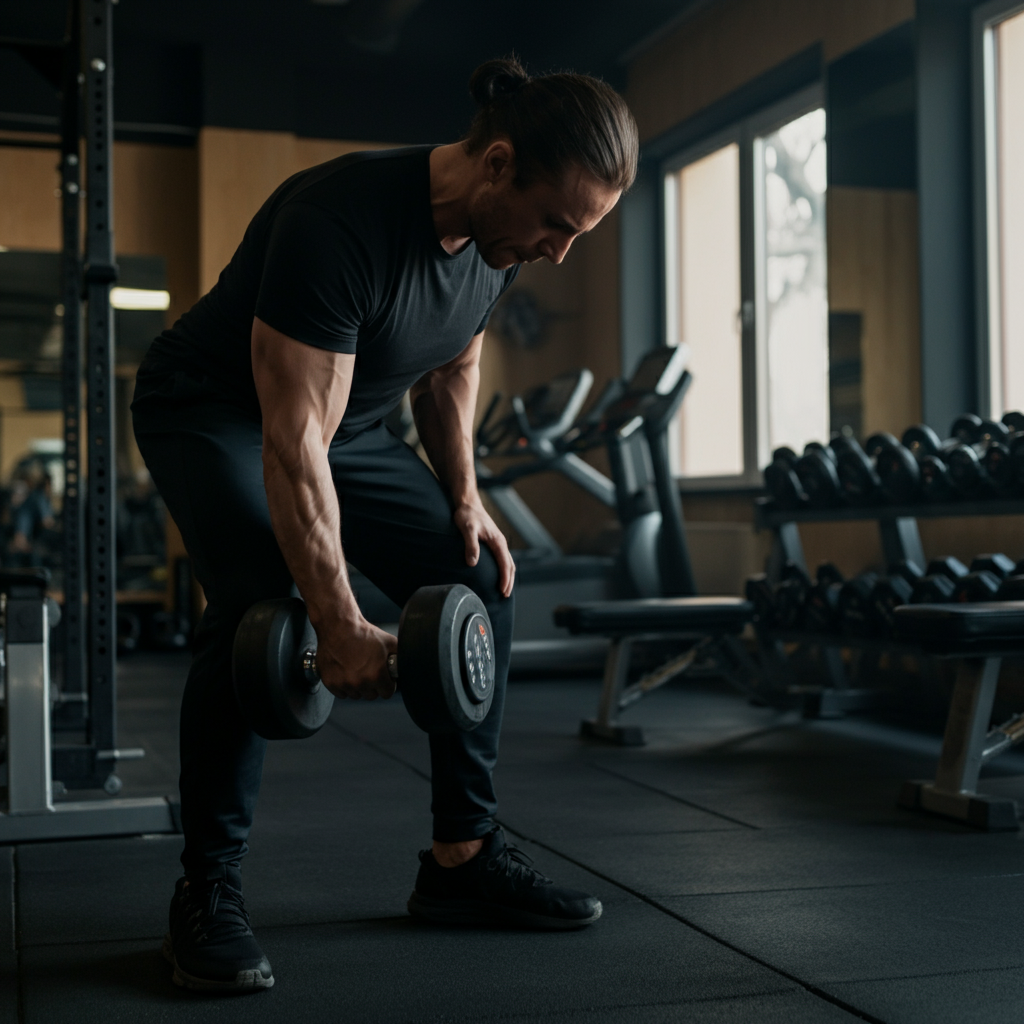
Once you've established a base level of fitness, introduce free weights into your routine. Dumbbells and barbells are versatile tools for building strength and muscle. Start with lighter weights and focus on mastering the proper form for each exercise. It's always a good idea to consult with a certified personal trainer to learn correct lifting techniques and avoid injuries. Include exercises like dumbbell rows, bicep curls, triceps extensions, overhead presses, and squats with weights. Remember to control the weight throughout the entire range of motion.
Step 6: Cooling Down and Stretching
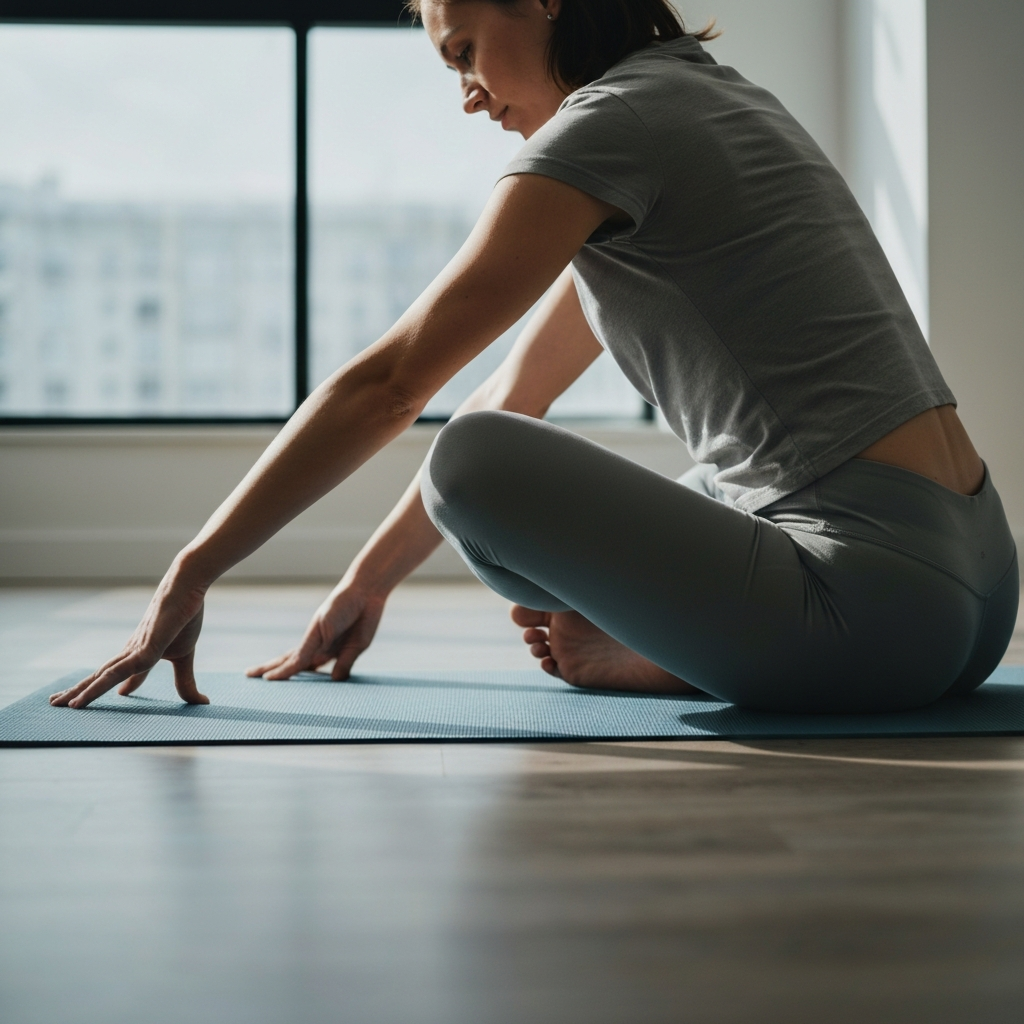
Cooling down after your workout is just as important as warming up. It allows your heart rate and breathing to gradually return to normal, prevents muscle soreness, and promotes flexibility. Spend 5-10 minutes performing static stretches, holding each stretch for 20-30 seconds. Focus on stretching the muscles you worked during your workout, such as your hamstrings, quads, chest, and back. Regular stretching will improve your range of motion and prevent stiffness.
Safety Considerations
Always listen to your body. If you experience pain, stop the exercise immediately and consult with a healthcare professional. Gradually increase the intensity and duration of your workouts to avoid overtraining and injuries. Use proper form during all exercises to minimize the risk of strain or injury. Consider using a spotter when lifting heavier weights.
Common Mistakes to Avoid
- Doing too much too soon: Starting with an overly ambitious workout routine is a recipe for burnout and injury.
- Ignoring proper form: Prioritizing weight over form can lead to serious injuries.
- Skipping warm-ups and cool-downs: These are essential for preparing and recovering your muscles.
- Not staying hydrated: Dehydration can impair performance and increase the risk of muscle cramps.
- Neglecting rest and recovery: Your muscles need time to repair and rebuild after workouts.
Pro Tips
- Find an activity you enjoy: Exercise shouldn't feel like a chore. Choose activities that you find fun and motivating.
- Track your progress: Monitoring your workouts and results can help you stay motivated and make adjustments to your routine as needed.
- Stay consistent: Consistency is key to achieving your fitness goals. Aim to work out regularly, even when you don't feel like it.
- Listen to your body: Rest when you need to, and don't push yourself too hard, especially when you're just starting out.
- Seek professional guidance: A certified personal trainer can provide personalized advice and help you design a safe and effective workout routine.
Conclusion
Starting a workout routine as a beginner can be a rewarding experience. By setting realistic goals, mastering basic exercises, incorporating cardio and strength training, and prioritizing safety, you can build a solid foundation for long-term fitness success. Remember to listen to your body, stay consistent, and make exercise an enjoyable part of your lifestyle.