Buttock folliculitis, while often uncomfortable and sometimes embarrassing, is a common skin condition characterized by inflamed hair follicles on the buttocks. It appears as small, red bumps or pimples, and can sometimes be itchy or even painful. It's important to differentiate folliculitis from other conditions like boils or cysts, which may require different treatment approaches. The good news is that in many cases, mild buttock folliculitis can be managed at home with simple remedies and preventative measures.
This comprehensive guide provides step-by-step instructions on how to effectively treat and prevent buttock folliculitis. We'll cover everything from gentle cleansing techniques to when it's necessary to seek professional medical advice. Understanding the causes of folliculitis, such as friction from tight clothing, sweating, and shaving, is key to preventing future outbreaks.
By following these guidelines, you can alleviate discomfort, promote healing, and reduce the likelihood of recurring buttock folliculitis. Remember that consistency is key when implementing these strategies. Addressing folliculitis promptly and maintaining good hygiene practices will contribute to healthier, clearer skin. Let's dive in and explore the best methods for tackling this common skin concern.
Step 1: Cleanse the Affected Area Gently
Begin by gently washing the affected area twice daily with warm water and a mild, fragrance-free soap. Avoid harsh soaps or scrubs, as these can further irritate the inflamed follicles. The goal is to remove bacteria and debris without disrupting the skin's natural barrier. Use a soft washcloth and pat the area dry with a clean towel. Avoid rubbing, which can exacerbate the condition.
Step 2: Apply a Warm Compress
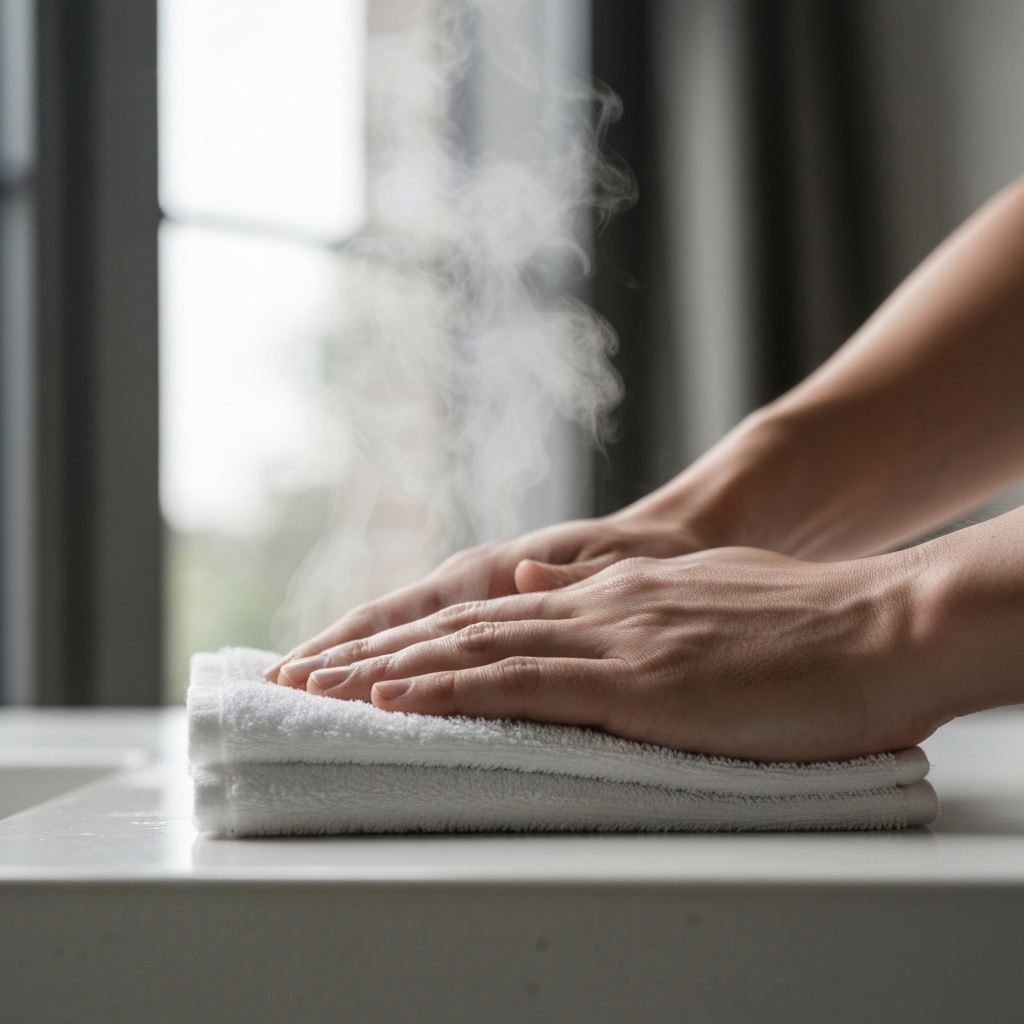
Applying a warm compress to the affected area several times a day can help to soothe the inflammation and promote drainage of any pus-filled lesions. Soak a clean washcloth in warm (not hot) water, wring out the excess, and gently press it against the affected area for 15-20 minutes. Repeat this process 3-4 times daily. Ensure the washcloth is clean before each use to prevent the spread of bacteria.
Step 3: Consider Over-the-Counter Hydrocortisone Cream
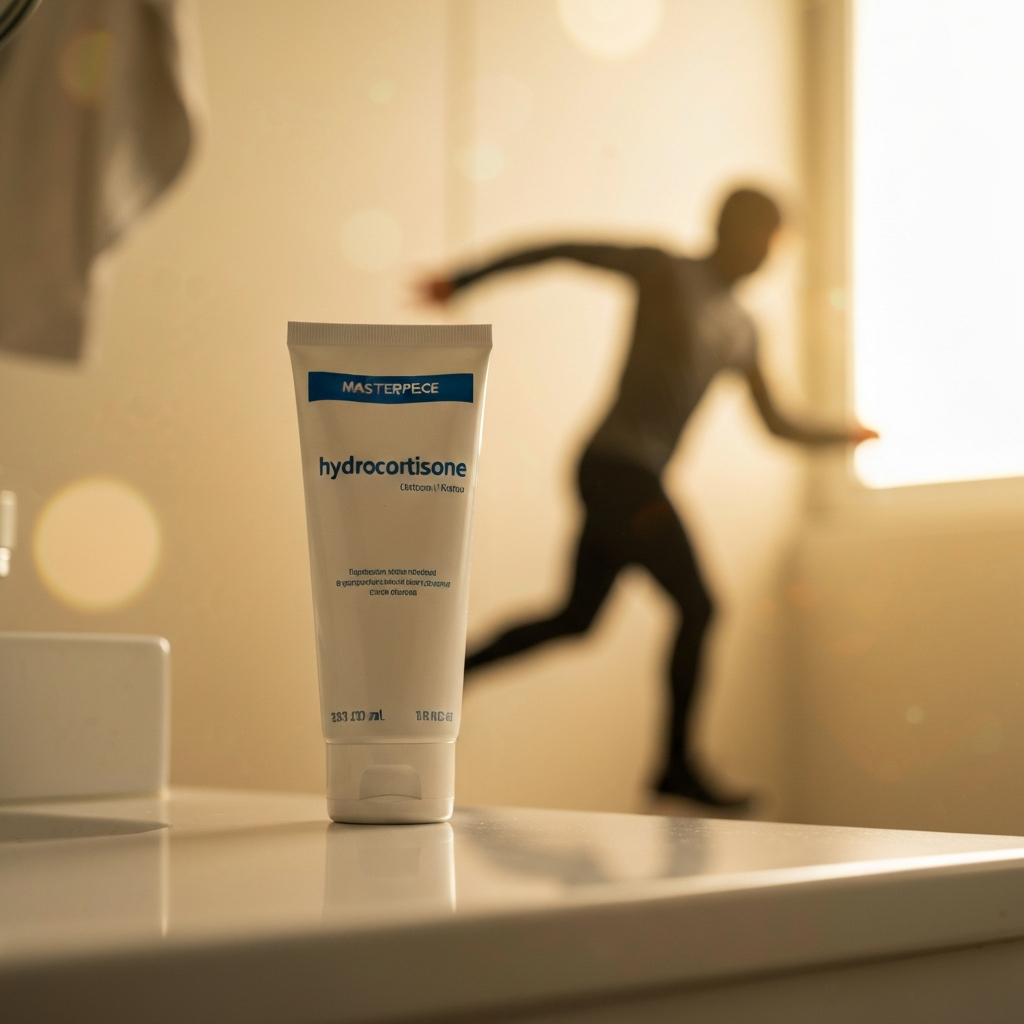
If itching is a significant symptom, a thin layer of over-the-counter hydrocortisone cream can provide relief. Apply a small amount to the affected area, following the product instructions. Be cautious not to overuse hydrocortisone cream, as prolonged use can lead to thinning of the skin. Avoid applying it to broken skin or open sores.
Step 4: Wear Loose-Fitting Clothing
Tight clothing can trap sweat and create friction, exacerbating folliculitis. Opt for loose-fitting, breathable fabrics, such as cotton, to allow the skin to breathe and reduce irritation. Avoid wearing tight underwear, leggings, or other restrictive garments, especially during workouts or in hot weather. This simple change can make a significant difference in preventing and managing buttock folliculitis.
Step 5: Maintain Good Hygiene After Sweating
Sweat is a major contributor to folliculitis. After exercising or engaging in activities that cause sweating, shower or bathe as soon as possible. Use a gentle, fragrance-free soap to cleanse the affected area thoroughly. If you can't shower immediately, change out of sweaty clothes and use a cleansing wipe to remove excess sweat and bacteria from the buttocks.

Step 6: Avoid Shaving or Waxing (If Possible)
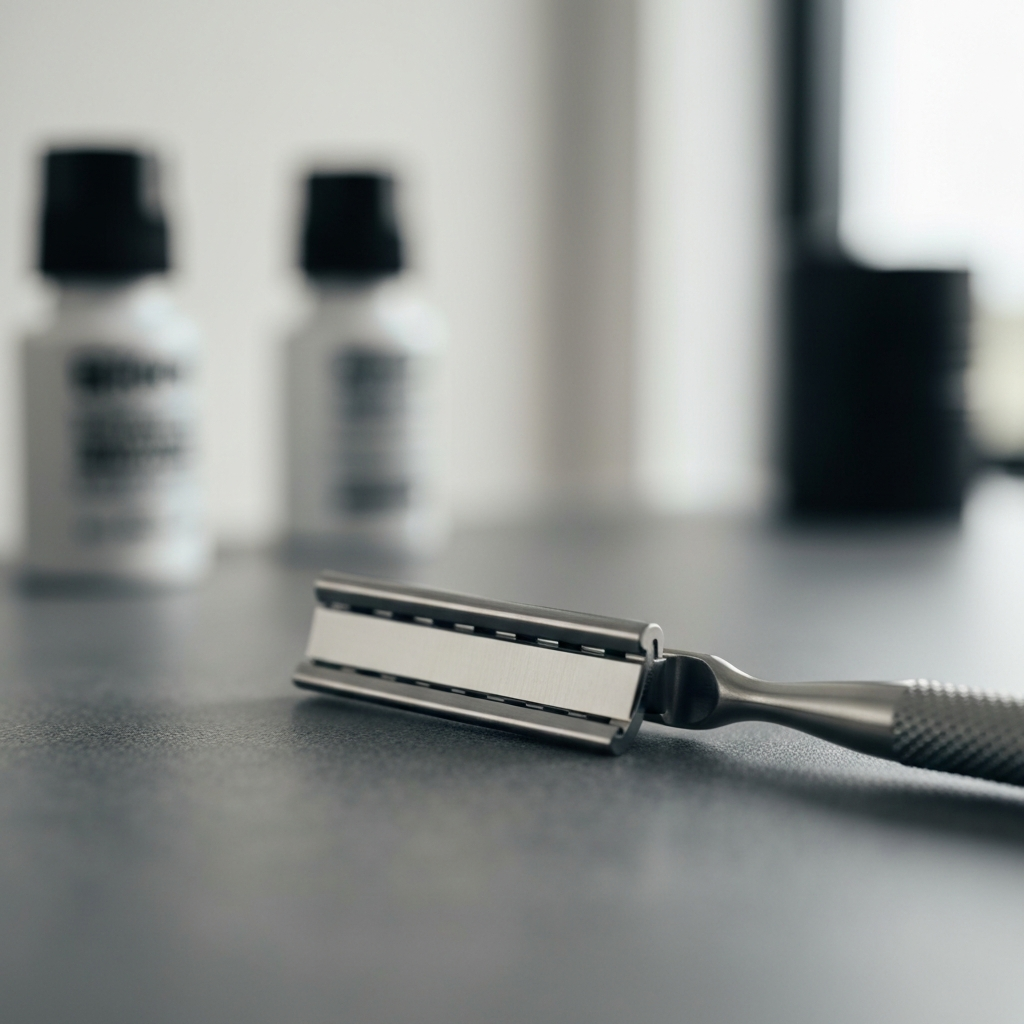
Hair removal methods like shaving and waxing can irritate hair follicles and increase the risk of folliculitis. If possible, avoid these methods altogether. If you must remove hair, consider alternative methods like laser hair removal, which can reduce the risk of irritation. If you choose to shave, use a sharp razor, shave in the direction of hair growth, and apply a moisturizing shaving cream. Avoid shaving over existing bumps or irritated areas.
Step 7: When to Seek Medical Advice
While many cases of buttock folliculitis resolve with home treatment, it's important to seek medical advice if the condition worsens, does not improve after a few weeks, or is accompanied by certain symptoms. Consult a dermatologist if you experience severe pain, fever, spreading redness, or pus-filled boils. A dermatologist can prescribe stronger topical or oral medications, such as antibiotics or antifungal creams, to effectively treat the infection.
Common Mistakes to Avoid
- Using harsh scrubs or soaps, which can further irritate the skin.
- Picking or squeezing the bumps, which can lead to infection and scarring.
- Wearing tight clothing, which traps sweat and promotes friction.
- Overusing topical creams, which can cause side effects.
- Ignoring persistent or worsening symptoms and delaying medical treatment.
FAQ Section
Q: How long does it take for buttock folliculitis to clear up?
A: With proper treatment, mild cases of folliculitis usually clear up within a week or two. More severe cases may require medical intervention and take longer to resolve.
Q: Can I use antibacterial soap to treat folliculitis?
A: While antibacterial soap may seem like a good idea, it can actually strip the skin of its natural oils and disrupt its balance, potentially worsening the condition. Opt for a mild, fragrance-free soap instead.
Q: Is buttock folliculitis contagious?
A: Folliculitis itself is not typically contagious, but the bacteria or fungi that cause it can be spread through direct contact or sharing personal items like towels. Practice good hygiene to prevent the spread of infection.
Conclusion
Treating buttock folliculitis involves a combination of gentle cleansing, warm compresses, loose-fitting clothing, and good hygiene practices. By understanding the causes of folliculitis and implementing preventative measures, you can significantly reduce the likelihood of future outbreaks. Remember to seek medical advice if your condition worsens or does not improve with home treatment. With consistent care and attention, you can achieve clearer, healthier skin and alleviate the discomfort associated with buttock folliculitis.