A sick day. The very phrase can evoke mixed feelings. On one hand, there's the discomfort and frustration of being unwell. On the other, there's the rare opportunity to pause, rest, and recharge without the usual demands of work or daily life. This guide is designed to help you navigate that balance, transforming a potentially miserable day into a restorative and even enjoyable experience.
Forget the guilt of not being productive. A sick day isn't about maximizing efficiency; it's about prioritizing your health and well-being. Think of it as an investment in your future health and productivity. By focusing on rest, recovery, and a few gentle pleasures, you can speed up your healing process and return to your normal routine feeling refreshed and revitalized.
This guide will provide you with practical steps and expert tips to make the most of your sick day. From creating a comfortable environment to engaging in light activities that boost your mood and immune system, we'll cover everything you need to turn a day of illness into a day of self-care.
Remember to always monitor your symptoms and seek professional medical advice if your condition worsens. This guide is intended for informational purposes only and should not be substituted for the guidance of a qualified healthcare provider.
Step 1: Prioritize Rest and Sleep
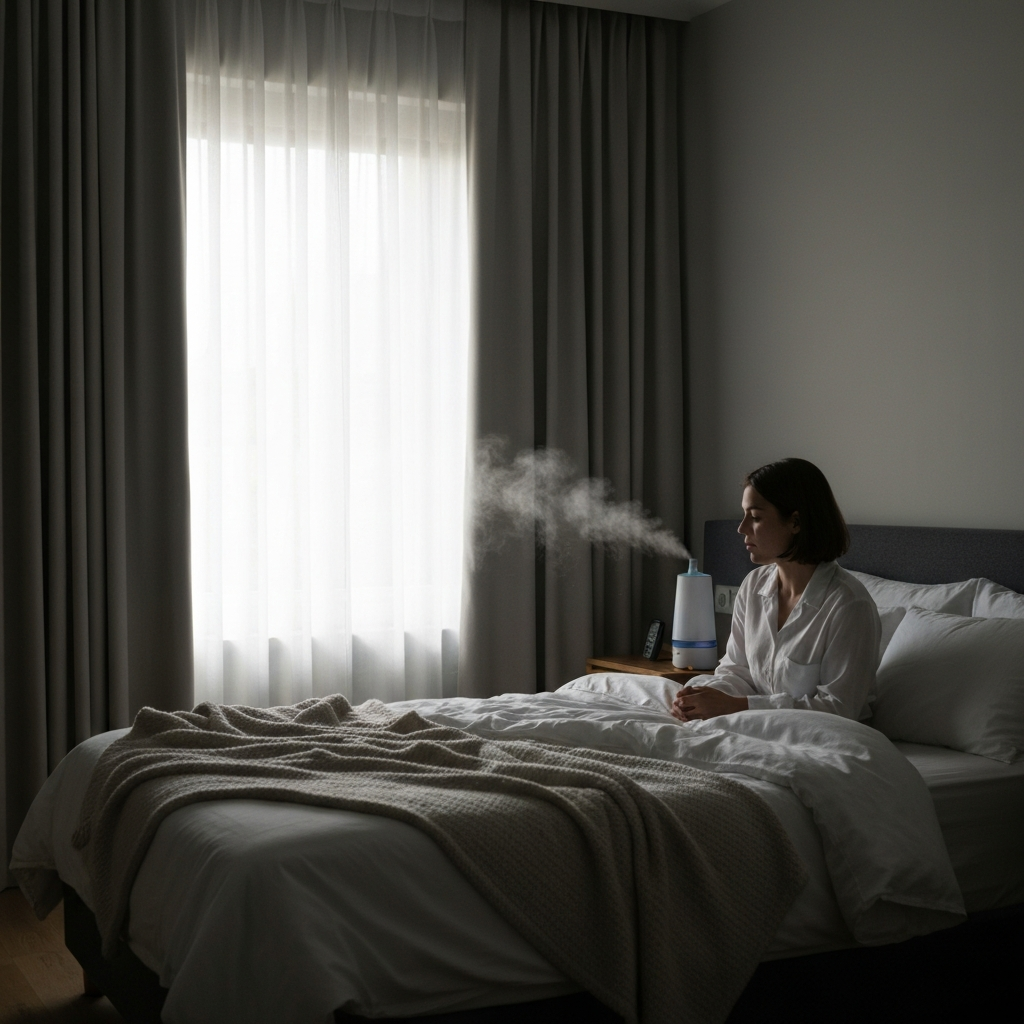
Creating a Sleep Sanctuary
Rest is the cornerstone of recovery. When you're sick, your body is working overtime to fight off infection or repair itself. Providing ample rest allows your immune system to function optimally. Aim for at least 8-10 hours of sleep, and don't hesitate to take naps throughout the day. Ensure your bedroom is dark, quiet, and cool to create the ideal sleep environment. Consider using a sleep mask, earplugs, or a white noise machine to minimize distractions. Make sure you are also drinking plenty of water.
Step 2: Hydrate Diligently
The Importance of Fluids
Staying hydrated is crucial when you're sick, especially if you have a fever, diarrhea, or vomiting. These symptoms can lead to dehydration, which can worsen your condition and prolong your recovery. Sip on water, herbal tea, clear broth, or electrolyte-rich beverages throughout the day. Avoid sugary drinks, as they can sometimes exacerbate diarrhea. A good rule of thumb is to drink enough fluids so that your urine is light yellow or clear. Consider adding some honey or lemon to a warm tea to soothe a sore throat.

Step 3: Nourish Your Body Gently
Easy-to-Digest Meals
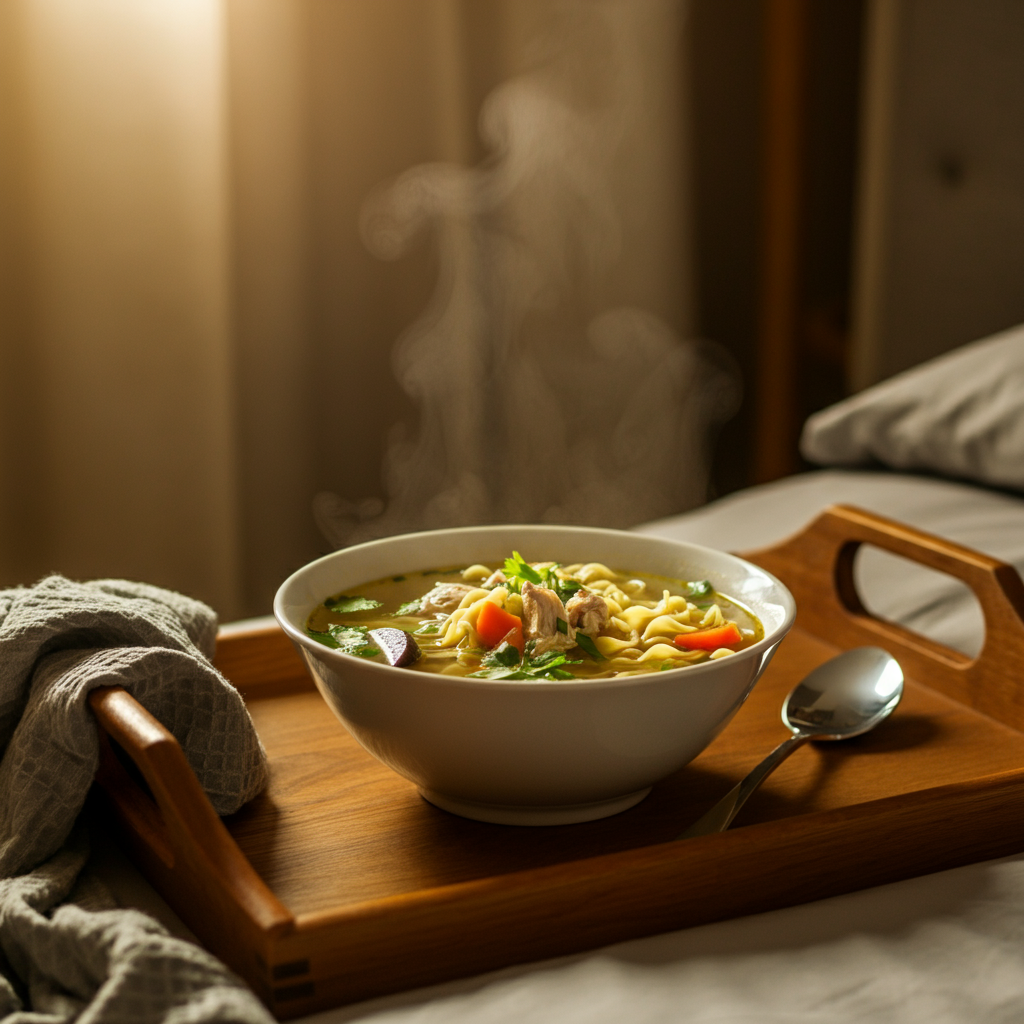
While your appetite may be diminished, it's important to nourish your body with easy-to-digest foods. Opt for bland, carbohydrate-rich options like toast, crackers, plain rice, or oatmeal. Broth-based soups are also an excellent choice, providing both hydration and nutrients. Avoid heavy, greasy, or spicy foods, which can upset your stomach. Eating smaller, more frequent meals can be easier to tolerate than large meals. Half a cup of apple juice can give you some carbohydrates for energy. Half a cup of sorbet can also help.
Step 4: Engage in Light and Enjoyable Activities
Gentle Mood Boosters
While rest is essential, complete inactivity can sometimes lead to boredom and a feeling of being trapped. Engage in light and enjoyable activities that won't tax your energy levels. Watch a funny movie, listen to calming music, read a lighthearted book, or spend some time meditating. Talking with a friend or loved one is also shown to raise levels of oxytocin, which can help with healing. Avoid strenuous activities or anything that requires intense concentration. Listen to your body and stop if you start to feel fatigued.

Step 5: Practice Gentle Self-Care
Soothing Rituals
A sick day is the perfect opportunity to indulge in some gentle self-care. Take a warm bath or shower to relax your muscles and soothe aches and pains. Hot water can also help with decongestion. Cool showers may reduce swelling and a fever. Use aromatherapy oils like eucalyptus or peppermint to clear your sinuses. Apply a cool compress to your forehead if you have a fever. Remember to listen to your body and adjust your self-care routine based on your symptoms. Don't take a hot shower if you have a fever.

Step 6: Get Some Sunlight (If Possible)
Vitamin D Boost
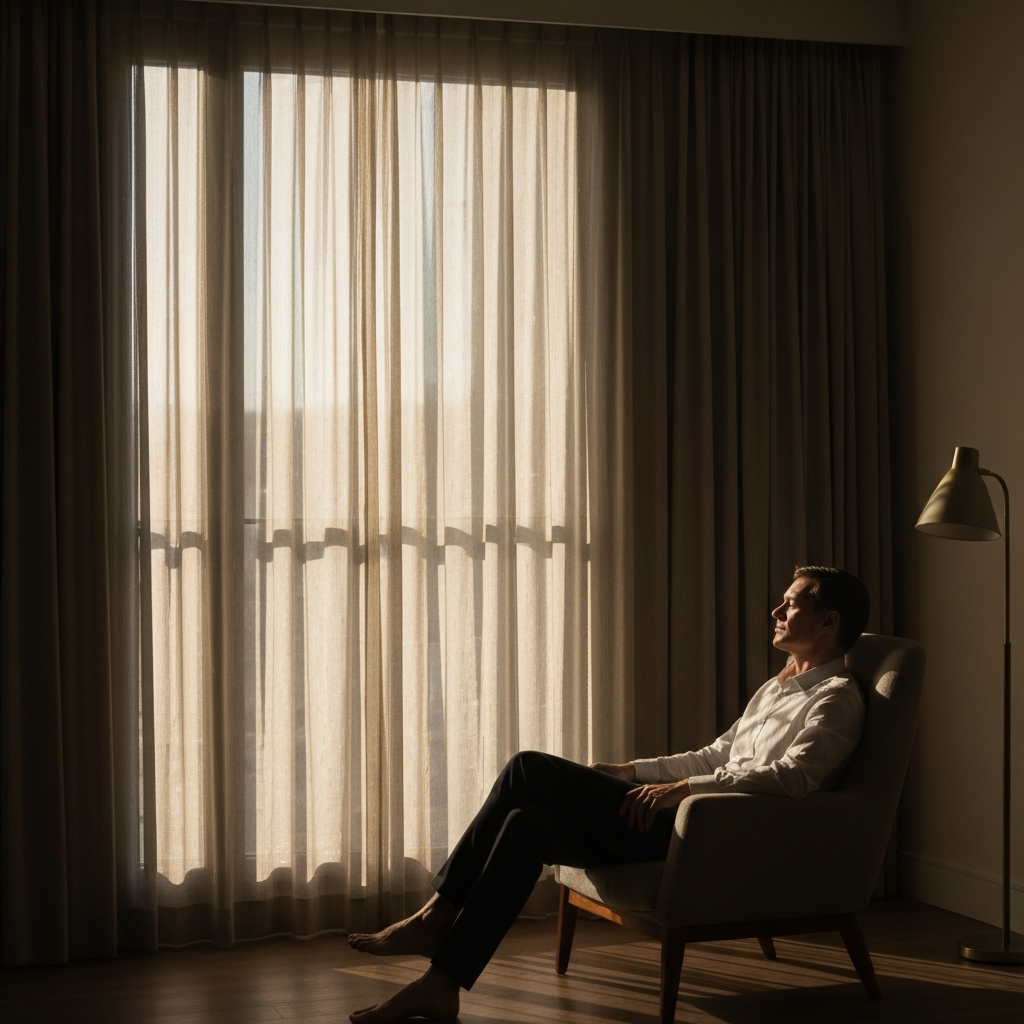
If the weather permits and you feel up to it, try to get some sunlight. Exposure to natural sunlight can boost your vitamin D levels, which is important for immune function and overall health. Even a short period of time can be beneficial. Sit near a window or step outside for a few minutes, making sure to protect your skin if the UV index is above 3. Sunlight can also regulate sleep and wake cycles.
Safety Considerations
Always monitor your symptoms and seek professional medical advice if you experience any of the following: high fever, difficulty breathing, chest pain, severe headache, persistent vomiting, or any other concerning symptoms. Do not self-treat serious illnesses. This guide provides general tips for managing minor illnesses and should not be considered a substitute for medical care.
Common Mistakes to Avoid
One common mistake is trying to push through your illness and continue with your normal activities. Resist the urge to "power through" your sick day. Another mistake is neglecting hydration or consuming unhealthy foods. Finally, avoid exposing others to your illness; stay home and isolate yourself until you are no longer contagious.
FAQ Section
Q: How long should I stay home when I'm sick?
A: It depends on your symptoms and the type of illness. Generally, it's best to stay home until you're fever-free for 24 hours without medication and your other symptoms have significantly improved.
Q: What if I can't sleep during the day?
A: Even if you can't fall asleep, try to rest quietly in bed. Close your eyes, relax your muscles, and focus on your breathing. This can still be beneficial for your body.
Q: Can I exercise when I'm sick?
A: Light exercise might be okay if you only have a runny nose, congestion, or sneezing. Do not exercise if you have any symptoms in your chest like coughing, wheezing, or muscle aches.
Conclusion
A sick day doesn't have to be a completely miserable experience. By prioritizing rest, hydration, gentle nourishment, and light activities, you can transform a day of illness into a restorative and even enjoyable opportunity for self-care. Remember to listen to your body, monitor your symptoms, and seek professional medical advice when needed. Embrace the opportunity to slow down, recharge, and return to your normal routine feeling refreshed and revitalized.