Becoming an artist isn't just about mastering technical skills; it's about cultivating a particular mindset. It's a way of seeing the world, questioning assumptions, and expressing unique perspectives. This guide will help you unlock your creative potential and begin to approach life with the curiosity and ingenuity that defines the artistic spirit.
Many believe that artistic talent is innate, but the truth is that a creative mindset can be learned and developed with consistent practice and a willingness to embrace experimentation. This process involves shifting your focus from replicating existing forms to generating novel ideas and solutions. It requires you to be resourceful, observant, and unafraid to challenge conventional thinking.
This guide outlines key steps you can take to cultivate an artistic mindset. From embracing resourcefulness to finding inspiration in the everyday, these practices will help you unlock your inner artist and begin to see the world through a more creative lens.
Step 1: Embrace Resourcefulness
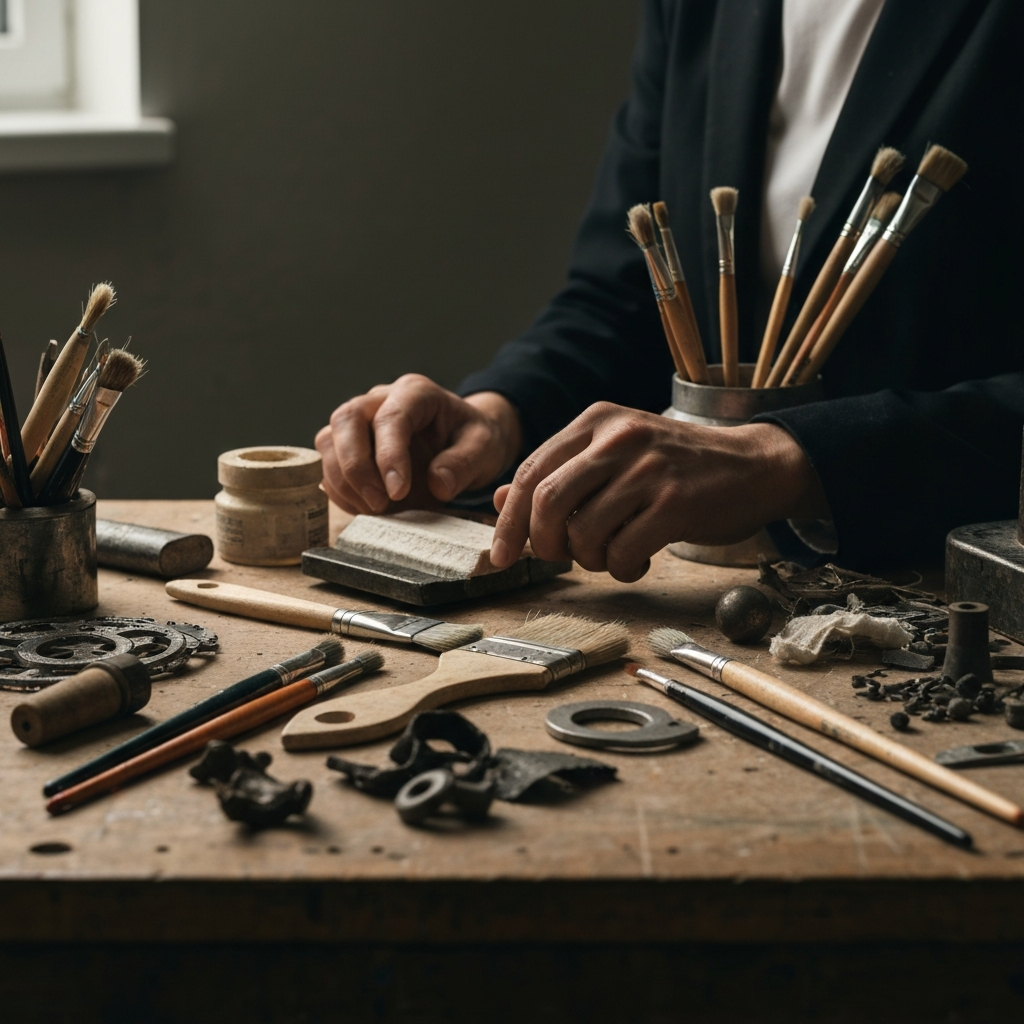
Artists are masters of making the most of what they have. True creativity often thrives under constraints. Instead of focusing on what you lack, challenge yourself to find innovative uses for readily available materials. This could involve using discarded objects in your art, repurposing everyday items, or finding creative solutions to limitations in your resources. Resourcefulness isn't just about saving money; it's about expanding your problem-solving skills and discovering unexpected possibilities.
Step 2: Experiment with Different Surfaces
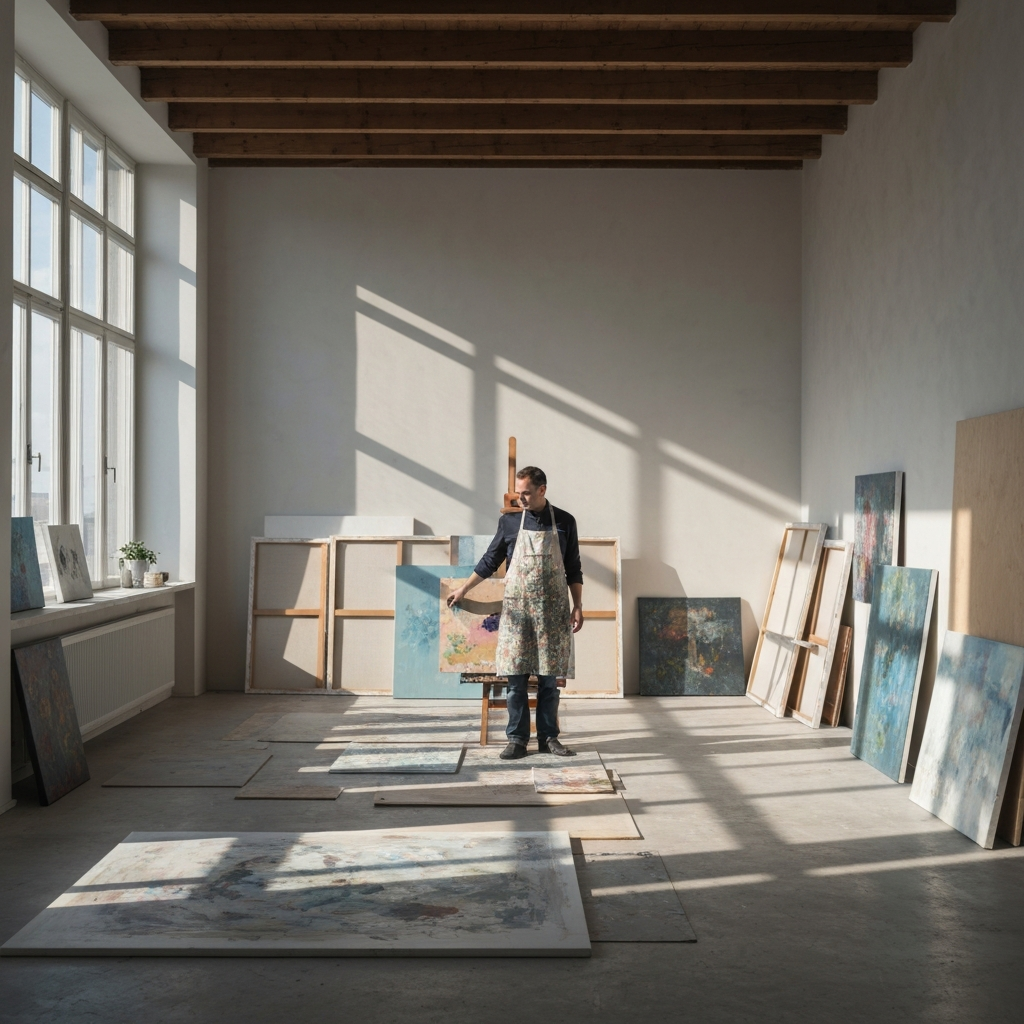
Don't limit yourself to traditional art supplies. Explore a wide range of surfaces to paint on. This could include canvas, wood panels, metal sheets, cardboard, or even unconventional materials like fabric or plastic. Each surface will offer a unique texture and absorbency, affecting the way your paint behaves and the overall look of your artwork. Experimenting with different surfaces can lead to surprising discoveries and help you develop a more versatile artistic style. Before committing to a larger piece, test your materials on a small sample to ensure compatibility and desired results.
Step 3: Explore Alternative Pigments
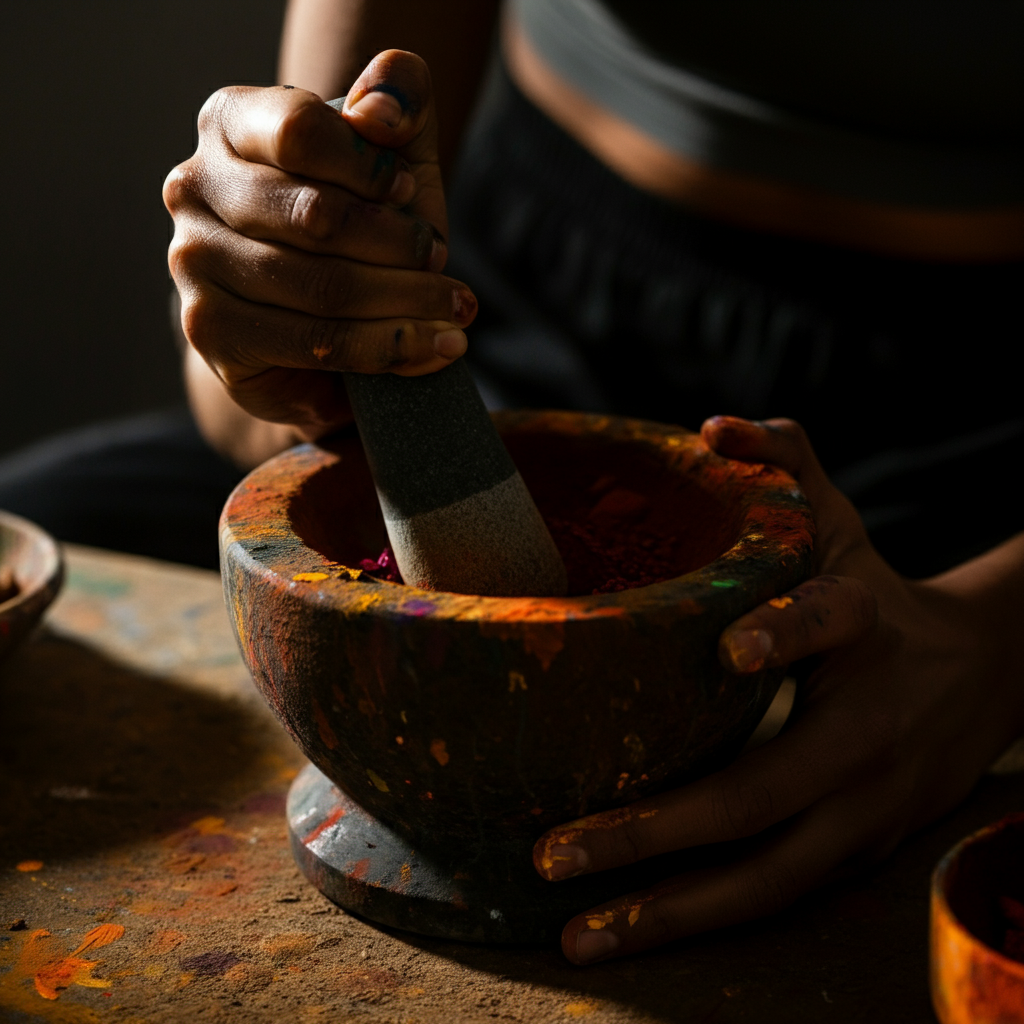
Venture beyond traditional oil paints and watercolors. Investigate natural pigments found in the environment, such as soil, plants, and minerals. These pigments can offer unique colors and textures that are impossible to replicate with synthetic materials. Experiment with mixing these pigments with acrylic mediums to create durable and vibrant paints. Always research the safety and archival properties of natural pigments before using them in your artwork. Some materials may be toxic or prone to fading.
Step 4: Embrace Imperfection
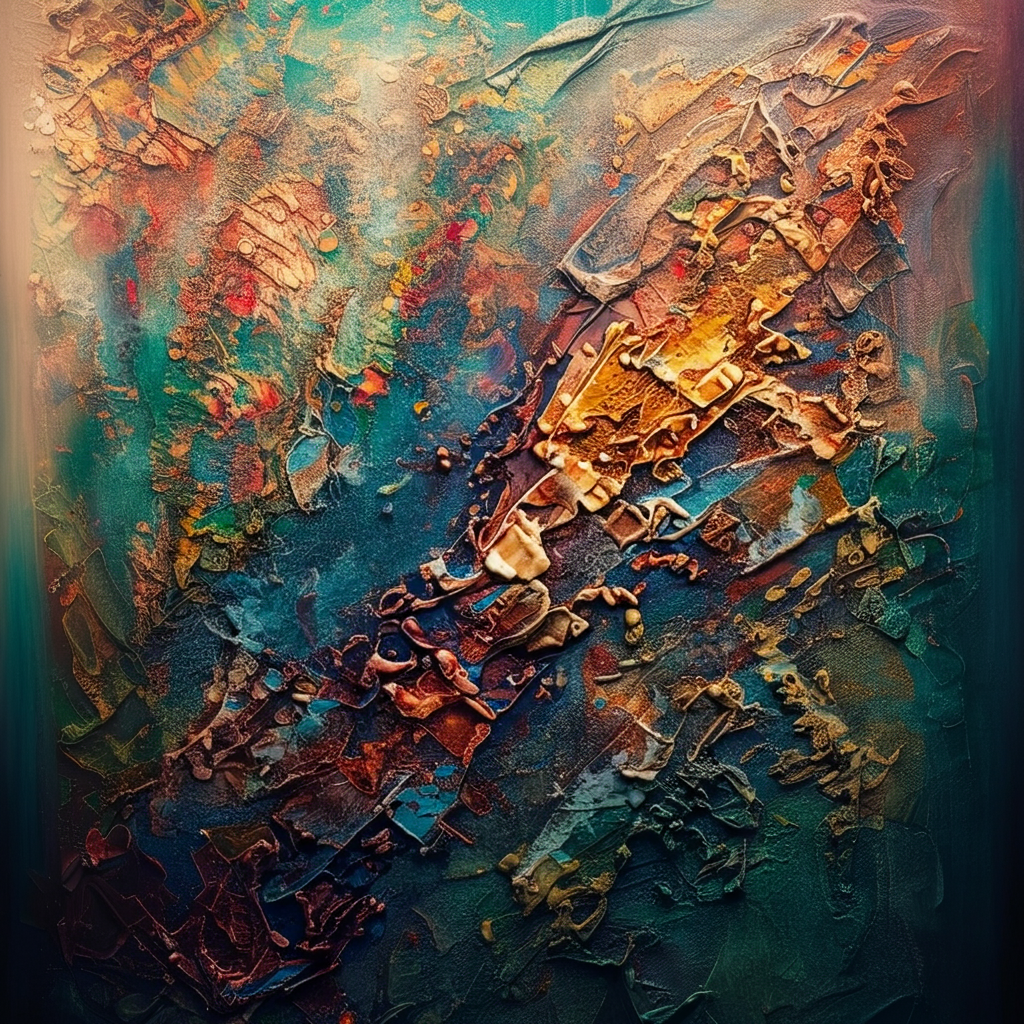
Don't strive for flawless execution. Embrace imperfections and mistakes as opportunities for growth and discovery. Sometimes, the most interesting and innovative art arises from unexpected accidents. Instead of trying to erase or hide your errors, incorporate them into your work. Consider how they can add character, depth, or a unique visual element. This approach will free you from the constraints of perfectionism and allow you to explore more freely.
Step 5: Alter Your Perspective
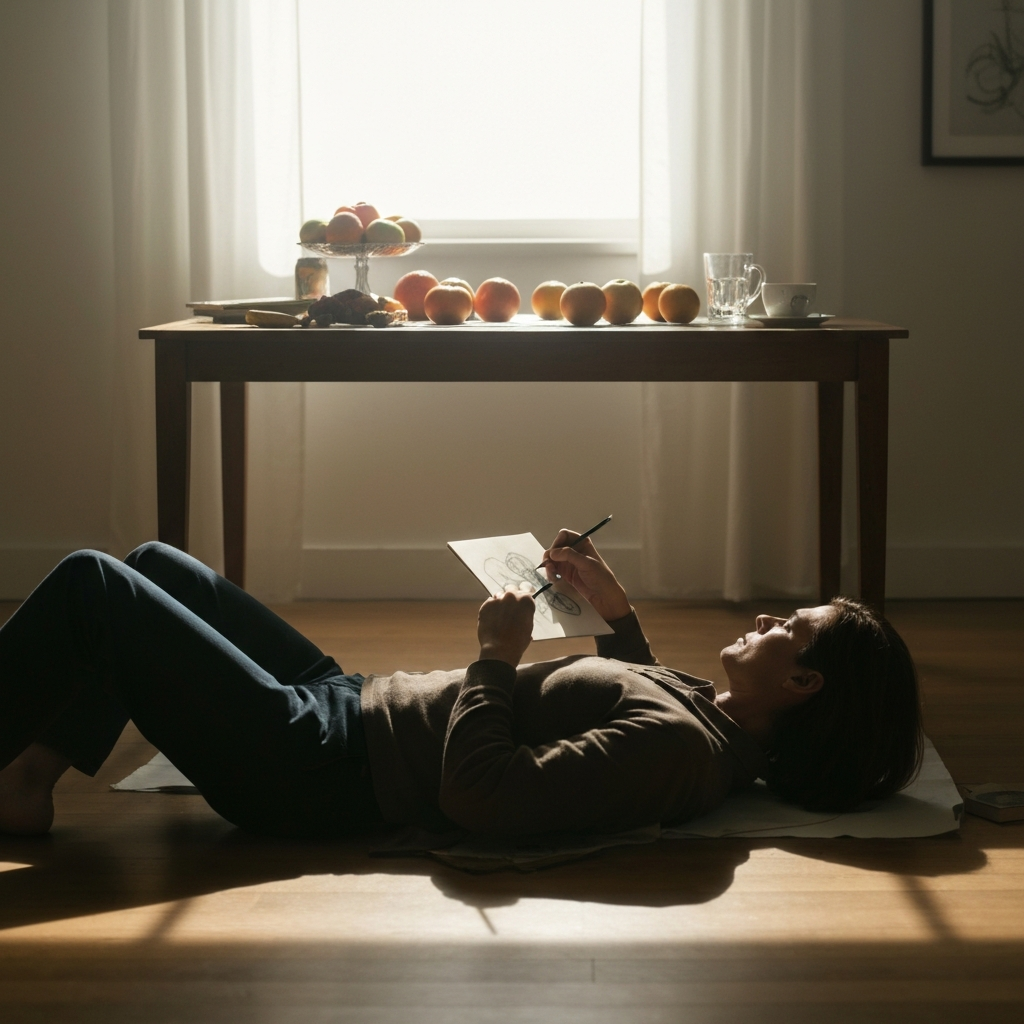
Change your viewpoint, both literally and figuratively. Try painting or drawing from unusual angles, such as from the floor, from a ladder, or upside down. This can help you see familiar subjects in a new light and break free from habitual ways of perceiving the world. Challenge your assumptions about how things "should" look and allow yourself to experiment with different perspectives and compositions. Consider how changing your viewpoint can alter the mood, message, or impact of your artwork.
Step 6: Be Aware of Atmospheric Conditions
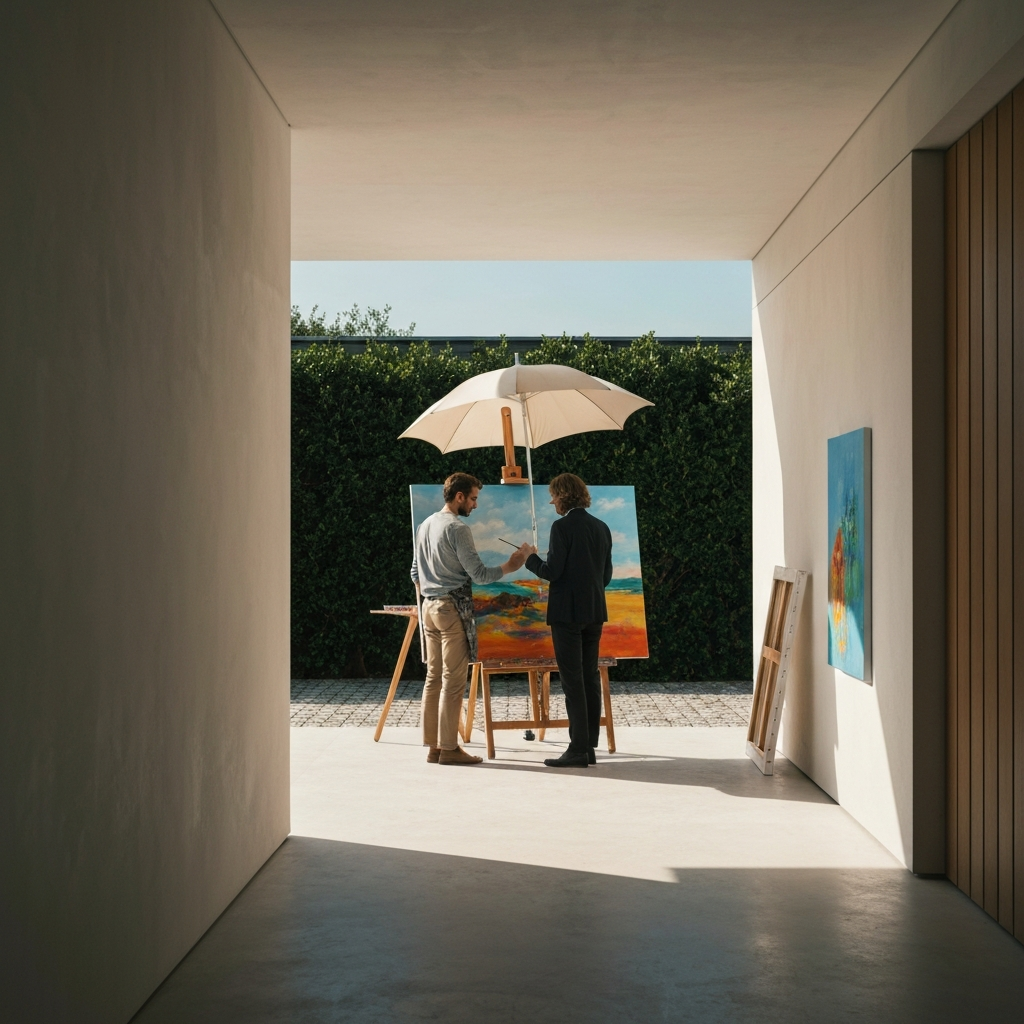
Pay attention to how environmental factors, such as temperature, humidity, and light, affect your art materials and process. For example, acrylic paints dry faster in warm weather, while watercolors can be more difficult to control in humid conditions. Understanding these factors can help you adjust your techniques and create more predictable and consistent results. Experiment with different techniques to see how they respond to varying atmospheric conditions.
Step 7: Capture Soundscapes
Expand your artistic practice beyond visual mediums by incorporating sound. Use recording devices to capture ambient sounds, voices, and music from your environment. Experiment with editing and manipulating these sounds to create soundscapes that evoke particular emotions, memories, or atmospheres. Consider how sound can complement or contrast with your visual art, adding another layer of meaning and complexity. A simple voice recorder is sufficient to begin.

Step 8: Seek Inspiration in the Unexpected
Inspiration can be found in the most unlikely places. Engage with the world around you with curiosity and openness. Visit museums, attend concerts, explore nature, and talk to people from different backgrounds. Pay attention to the details that often go unnoticed – the patterns on a sidewalk, the sound of the wind, the expressions on people's faces. Keep a sketchbook or journal to record your observations and ideas.
Step 9: Embrace Creative Writing
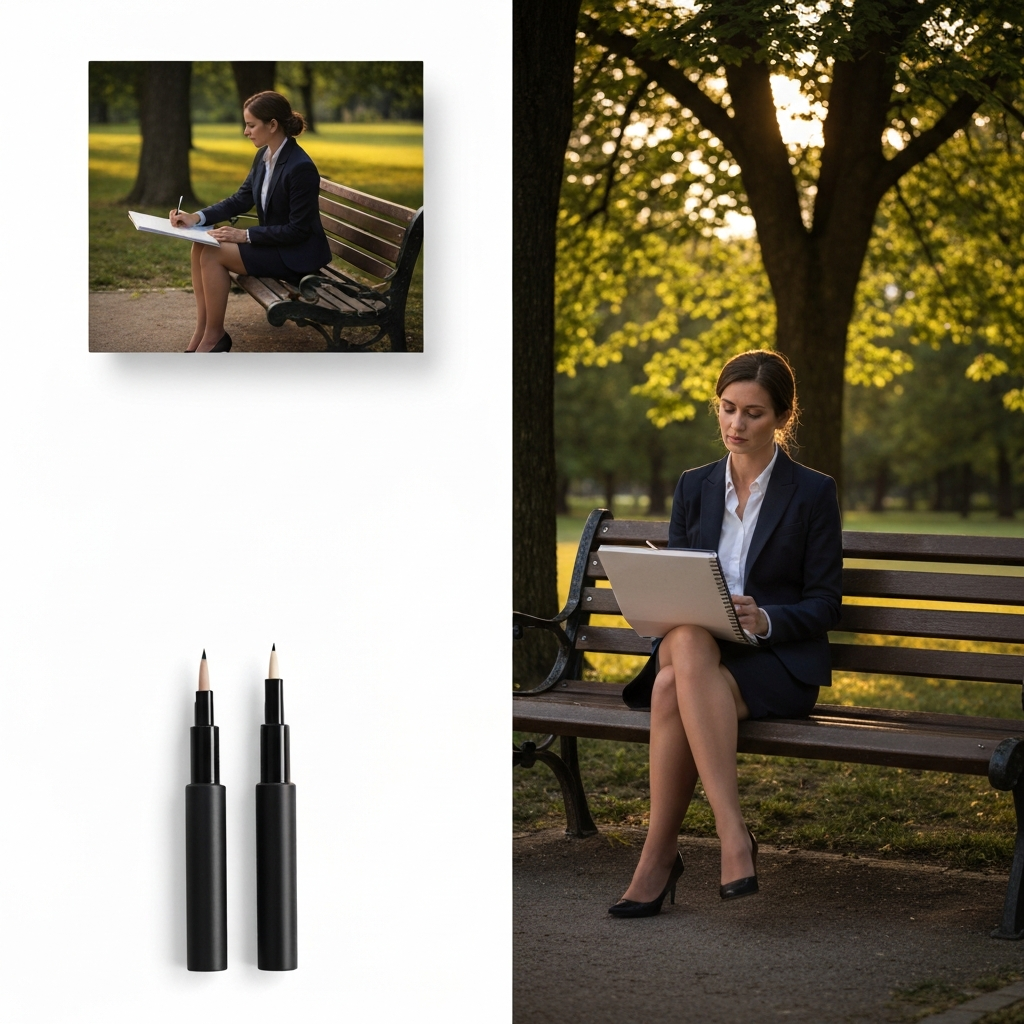
Develop your ability to express your thoughts and ideas through writing. Experiment with different forms of creative writing, such as poetry, short stories, or personal essays. Use writing to explore your experiences, reflect on your art, and communicate your artistic vision. Writing can help you clarify your thoughts, develop your voice, and connect with your audience on a deeper level. Consider how writing can inform and inspire your visual art.
Step 10: Be Open to Feedback
Share your work with others and be receptive to their feedback, both positive and negative. Constructive criticism can help you identify areas for improvement and gain new perspectives on your art. Be open to hearing different viewpoints, but ultimately trust your own artistic intuition. Learn to differentiate between helpful feedback and subjective opinions that don't resonate with your vision.
Step 11: Visualize Concepts Broadly
Expand your mental library of artistic concepts. Think beyond traditional subjects and styles. Explore abstract forms, surreal imagery, and unconventional techniques. Don't be afraid to experiment with different combinations of ideas and techniques to create something truly unique. Allow yourself to be inspired by a wide range of influences, from art history to science to popular culture.
Step 12: Economize and Recycle
Reduce waste and save money by recycling materials and finding creative uses for discarded objects. Use scrap wood, found objects, and recycled paper in your art. This approach can not only benefit the environment but also spark new ideas and inspire innovative techniques. Challenge yourself to create art using only recycled or found materials.
Step 13: Construct a Sculpture Base
When creating sculptures, a sturdy and stable base is essential. Use wood planks, metal rods, or other durable materials to construct a base that can support the weight and form of your sculpture. Consider the size, shape, and aesthetic of your sculpture when designing the base. A well-designed base can enhance the overall impact of your artwork and ensure its longevity. Always prioritize safety when working with tools and materials.
Tools or Materials Required
- Paints (acrylic, oil, watercolor)
- Brushes (various sizes and shapes)
- Canvas, wood panels, or other surfaces
- Natural pigments (soil, plants, minerals)
- Recycled materials (scrap wood, found objects)
- Sketchbook and pencils
- Recording device (for soundscapes)
- Computer with audio editing software
Common Mistakes to Avoid
- Limiting yourself to traditional art supplies and techniques.
- Striving for perfection and avoiding experimentation.
- Ignoring the impact of environmental factors on your art.
- Failing to seek feedback and learn from criticism.
- Being afraid to take risks and try new things.
Pro Tips
- Visit art museums and galleries regularly to gain inspiration and learn from other artists.
- Take art classes or workshops to develop your skills and explore new mediums.
- Join an art community or group to connect with other artists and share your work.
- Keep a sketchbook or journal to record your ideas, observations, and experiments.
- Don't be afraid to experiment and make mistakes – that's how you learn and grow as an artist.
FAQ Section
- How do I find my artistic style?
- Finding your artistic style is a journey of exploration and experimentation. Try different mediums, techniques, and subjects until you discover what resonates with you. Don't be afraid to borrow inspiration from other artists, but ultimately, your style should be a reflection of your unique perspective and voice.
- What if I'm not "talented"?
- Talent is often overrated. Artistic skill can be developed through practice, dedication, and a willingness to learn. Focus on improving your skills, exploring your creativity, and expressing your unique vision. Don't let a lack of "talent" discourage you from pursuing your artistic passions.
- How do I overcome creative block?
- Creative block is a common experience for artists. To overcome it, try changing your environment, experimenting with new mediums, or seeking inspiration from other sources. Take a break from your art and engage in activities that you enjoy. Don't put too much pressure on yourself – sometimes, the best ideas come when you least expect them.
By embracing these principles and practices, you can cultivate an artistic mindset that will enrich your life and empower you to create meaningful and impactful art. Remember that art is not just about the final product; it's about the process of exploration, discovery, and self-expression. So, be curious, be bold, and most importantly, be yourself.