Experiencing shortness of breath can be alarming, and it's natural to worry about the cause. While shortness of breath can indicate a serious medical condition, it's also a common symptom of anxiety. Differentiating between the two is crucial for appropriate action. This guide will help you determine if your shortness of breath is likely related to anxiety or if it warrants immediate medical attention.
Understanding the nuances of anxiety-induced shortness of breath can empower you to manage your symptoms effectively. We'll delve into the accompanying symptoms, triggering situations, and the response to relaxation techniques, providing you with a clearer picture of your condition. Remember, this guide is not a substitute for professional medical advice. If you have any concerns, consult your doctor.
By carefully evaluating your symptoms and considering the context in which they arise, you can gain valuable insights into the cause of your shortness of breath and take appropriate steps to manage your health and well-being.
Step 1: Identify Accompanying Symptoms of Anxiety
Shortness of breath caused by anxiety rarely occurs in isolation. It's typically accompanied by other hallmark symptoms of anxiety or a panic attack. Observing if you're experiencing any of these additional symptoms can help you determine if your breathing difficulties are related to anxiety: Uncontrollable worry, nervousness, irritability, sweating, trembling, a fast heart rate, body tingling or numbness, and dizziness or lightheadedness (although these may also indicate more serious conditions) are common. Note that while chest pain can occur with anxiety, persistent or severe chest pain requires immediate medical evaluation.

Step 2: Consider the Context - Stressful Situations
The circumstances surrounding your shortness of breath can offer vital clues. If you experience difficulty breathing during or immediately following an anxiety-inducing situation—for example, a stressful work presentation, a conflict with a loved one, or even just thinking about something that causes you anxiety — it's more likely that your shortness of breath is connected to that stressor. Anxiety often flares up in response to perceived threats or stressful events. Ask yourself: What was I doing or thinking about right before my breathing changed?

Step 3: Test Relaxation Techniques
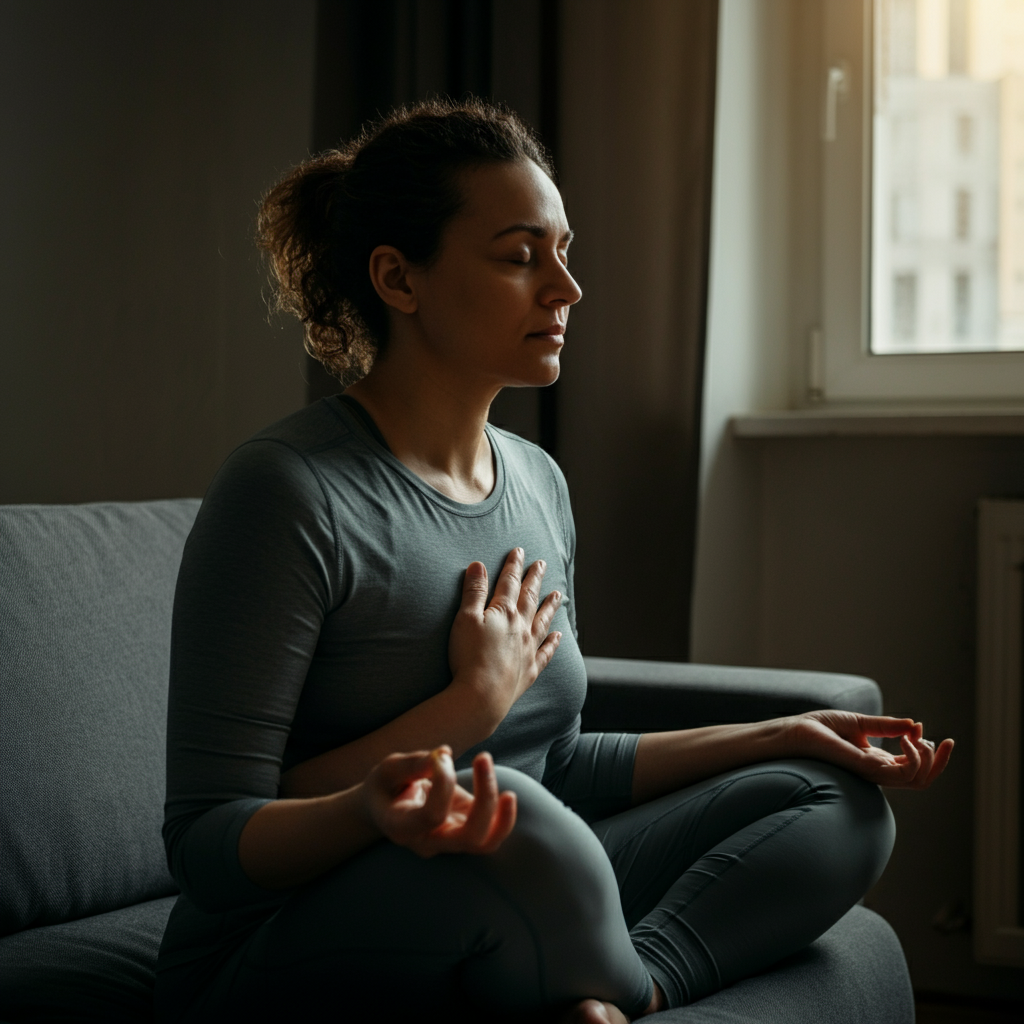
One of the most telling signs that shortness of breath is related to anxiety is its response to relaxation techniques. Practicing calming and grounding techniques can often alleviate anxiety-induced shortness of breath. If you try grounding tactics—such as the 3-3-3 method (name 3 things you see, 3 things you hear, and move 3 body parts), counting everything of a certain color in the room, or practicing deep breathing exercises—and your breathing improves, it's likely your shortness of breath was caused by anxiety and not something more urgent. The key is to actively try to calm your nervous system.
Step 4: Time Frame of Shortness of Breath
The duration of your shortness of breath can also provide valuable information. If your shortness of breath lasts less than about 20 minutes or so, there's a good chance it was triggered by anxiety. Most panic attacks, which often cause shortness of breath, typically last between 5 and 20 minutes. On the other hand, shortness of breath that's a result of something more serious—like a heart condition or asthma attack—may persist for a longer duration and might not respond to simple relaxation techniques. Pay close attention to how long the breathing difficulty lasts.
Tools or Materials Required
Having a few tools on hand can be helpful when managing anxiety-induced shortness of breath:
- Paper bag: For controlled breathing exercises, although not always recommended now as hyperventilation causes a lack of carbon dioxide in the blood.
- Quiet space: A comfortable and calm environment to practice relaxation techniques.
- Journal: To record anxiety triggers and track symptom patterns.
Common Mistakes to Avoid
When trying to determine if your shortness of breath is from anxiety, be aware of these common pitfalls:
- Dismissing other symptoms: Focus on the big picture of your symptoms.
- Self-diagnosing without medical consultation: Always consult a healthcare provider for definitive diagnoses.
- Ignoring persistent or worsening symptoms: If symptoms persist or worsen, seek immediate medical attention.
Safety Considerations
It's crucial to differentiate between anxiety-related symptoms and potentially life-threatening medical conditions. Seek immediate medical attention if you experience any of the following:
- Severe chest pain or pressure
- Difficulty speaking
- Confusion or disorientation
- Loss of consciousness
- Blue tinge to the lips or fingernails
FAQ Section
- What is the 3-3-3 grounding technique?
- The 3-3-3 technique involves identifying three things you can see, three things you can hear, and moving three parts of your body. This helps ground you in the present moment.
- Can anxiety cause chest pain?
- Yes, anxiety can cause chest tightness or discomfort, but severe or persistent chest pain requires immediate medical evaluation to rule out heart-related issues.
- How can I prevent anxiety-induced shortness of breath?
- Identifying and managing your anxiety triggers through therapy, relaxation techniques, and lifestyle changes can help prevent future episodes.
Conclusion
Differentiating between anxiety-induced shortness of breath and shortness of breath caused by other medical conditions requires careful evaluation of your symptoms, the context in which they occur, and their response to relaxation techniques. While this guide provides valuable information, it's essential to consult a healthcare professional for an accurate diagnosis and appropriate treatment plan. Remember, your health and well-being are paramount.