The kitchen can be a battleground for some, a source of dread rather than delight. But fear not, culinary-averse friends! Delicious, nutritious meals are entirely achievable without ever turning on the stove or preheating an oven. This guide will equip you with the knowledge and strategies to thrive on a no-cook diet, opening up a world of convenient and satisfying options.
We'll delve into the art of mindful grocery shopping, creative meal assembly, and leveraging the resources around you. Say goodbye to kitchen stress and hello to a healthier, simpler way of eating. This isn't just about survival; it's about embracing a lifestyle that prioritizes your time and well-being without sacrificing flavor or nutrition.
Whether you're a busy professional, a student on a tight budget, or simply someone who prefers to avoid cooking, this guide provides practical, actionable advice for creating a sustainable and enjoyable no-cook eating plan. Let's unlock the secrets to delicious, effortless meals!
Step 1: Embrace the Backpacker's Pantry
The backpacker's approach emphasizes whole, unprocessed foods that require no cooking. Think fresh fruits like apples and bananas, dried fruits like raisins and apricots, a variety of nuts and seeds, and durable vegetables such as carrots, cabbage, and bell peppers. These staples offer a solid foundation for a healthy no-cook diet. Complement your veggies with yogurt, hummus, or salsa for added flavor and nutrients. Energy bars, granola bars, and pre-made salads can also be convenient additions to your backpacker-style pantry.
Step 2: The Raw and Paleo Revolution
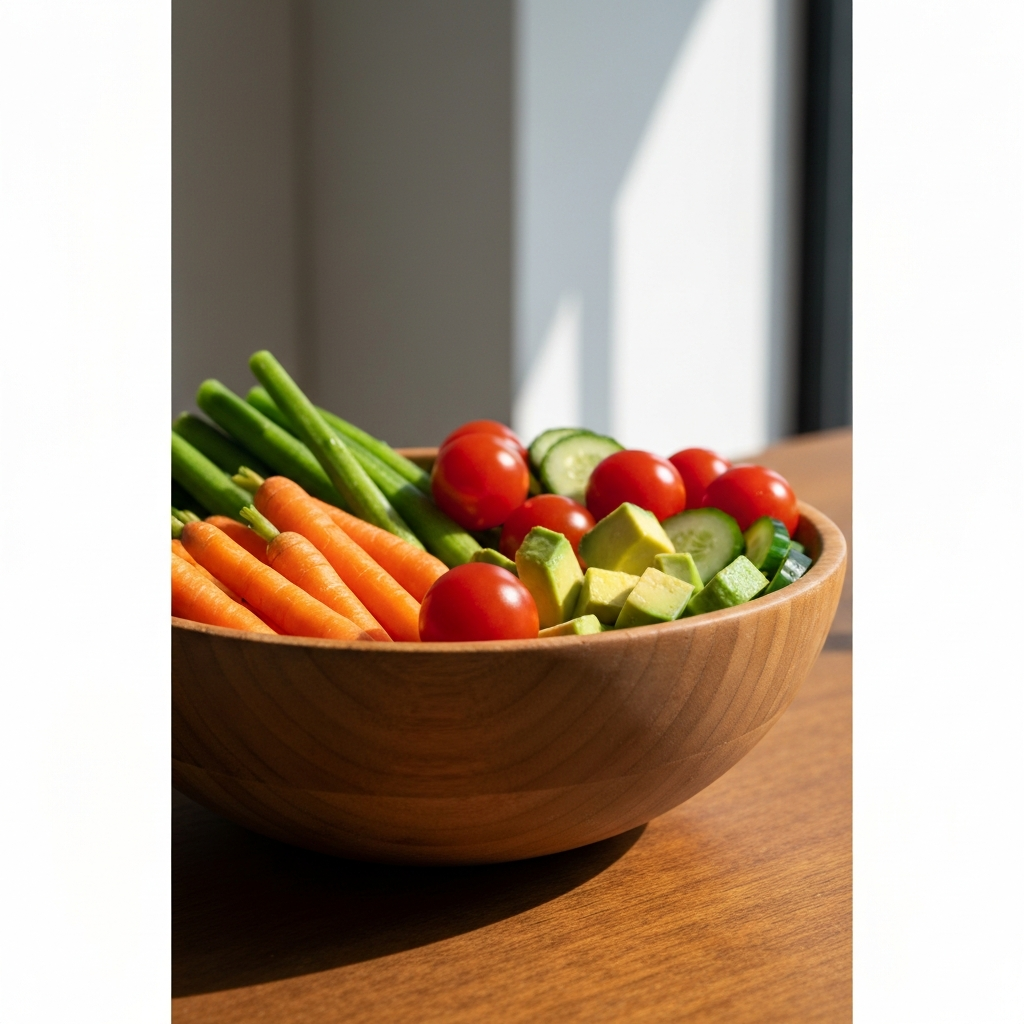
Exploring raw food and paleo diets can reveal a wide range of delicious and nutritious options that require minimal or no preparation. These diets emphasize whole, unprocessed foods in their natural state. Consider incorporating more raw vegetables, fruits, nuts, and seeds into your diet. Remember to prioritize high-quality ingredients and wash produce thoroughly. While some blending or pureeing might be involved, the core principle remains: eat foods as close to their natural form as possible.
Step 3: Salad Artistry
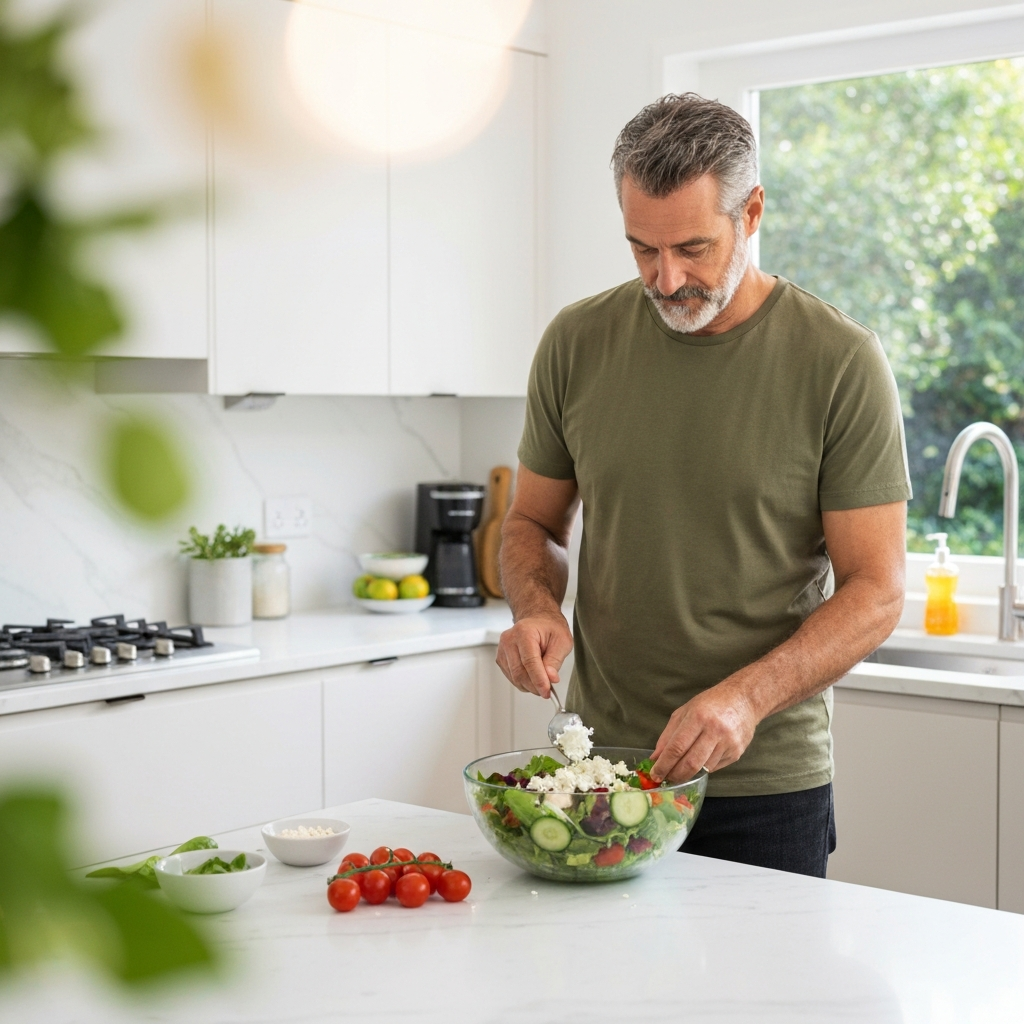
Salads don't have to be boring! Get creative with your greens and explore a wide range of ingredients and flavor combinations. Don't limit yourself to the typical garden salad. Experiment with different types of lettuce, vegetables, fruits, nuts, cheeses, and dressings. Consider international variations like Caprese salad (tomatoes, mozzarella, and basil) or fruit-based ambrosia salads. The possibilities are endless!
Step 4: Sandwich Sensations
Sandwiches are a classic no-cook meal, but they don't have to be basic. Elevate your sandwich game by using high-quality bread (sourdough, whole grain, or artisanal varieties) and experimenting with a variety of fillings. Think beyond deli meats and cheeses! Consider adding sliced fruits, vegetables, spreads like hummus or pesto, and even sweet fillings like lemon curd. Explore different bread preparations, such as toasting, grilling, or using open-faced techniques.
Step 5: Microwave Magic (Use Sparingly)
While not entirely "no-cook," microwaveable foods can be a convenient option when you're short on time and energy. Opt for healthier choices like pre-cooked grains, steamed vegetables, or lean proteins that can be quickly heated in the microwave. Be sure to read labels carefully and avoid meals that are high in saturated fats, sugar, salt, and artificial additives. Supplement your microwave meals with fresh salads or raw vegetables to add essential nutrients.
Step 6: Befriend the Culinary Inclined
Leverage your social network! Befriend people who enjoy cooking and are willing to share their creations. Offer to reciprocate by contributing ingredients, helping with cleanup, or treating them to a restaurant meal. Being upfront about your aversion to cooking while expressing appreciation for their culinary skills can foster mutually beneficial relationships. Regular potlucks or dinner swaps can provide a consistent source of home-cooked meals without requiring you to lift a pan.

Step 7: The Art of the Takeout
Ordering takeout can be a convenient option, but it's important to make healthy choices. Avoid fast food chains and opt for restaurants that offer fresh, nutritious meals. Consider ordering larger portions that can be split into multiple meals. Look for options like cheese-free veggie pizzas, Asian stir-fries with plenty of vegetables, falafel plates, and large salads. Be mindful of portion sizes and avoid excessive sauces or dressings.
Tools or Materials Required
- Sharp knife (for cutting fruits and vegetables)
- Cutting board
- Food storage containers
- Reusable shopping bags
Common Mistakes to Avoid
- Relying solely on processed foods
- Neglecting fruits and vegetables
- Ignoring portion sizes
- Failing to plan meals in advance
Safety Considerations
- Wash all fruits and vegetables thoroughly before eating.
- Store perishable foods properly to prevent spoilage.
- Be mindful of potential allergens when ordering takeout.
FAQ Section
Q: Can I get enough protein on a no-cook diet?
A: Absolutely! Good sources of protein include nuts, seeds, yogurt, cheese, hummus, and pre-cooked meats or seafood.
Q: Is a no-cook diet expensive?
A: It can be, depending on your choices. Planning meals, buying in bulk, and opting for seasonal produce can help you save money.
Q: How can I make my no-cook meals more exciting?
A: Experiment with different flavors, textures, and ingredients. Try new spices, herbs, and dressings.
Conclusion
Surviving without cooking is not just possible; it can be a rewarding and enjoyable lifestyle. By embracing the principles of mindful eating, creative meal assembly, and strategic resource utilization, you can create a delicious and nutritious diet without ever turning on the stove. Remember to prioritize whole, unprocessed foods, experiment with different flavors, and leverage the resources around you. With a little planning and creativity, you can thrive in the kitchen-free zone!