Popcorn, a beloved snack enjoyed for generations, often finds its way into our homes as a convenient and tasty treat. From movie nights to afternoon snacking, its versatility is undeniable. However, a common question arises: does popcorn expire? Understanding the shelf life of both unpopped kernels and popped popcorn is essential to ensure you're enjoying it at its best. This guide will delve into the factors influencing popcorn's longevity and how to identify when it's time to say goodbye.
Whether you're a seasoned popcorn enthusiast or a casual snacker, knowing how to properly store and assess the freshness of your popcorn can make all the difference. We'll cover everything from the telltale signs of expired kernels to tips for maximizing the shelf life of your favorite snack. By the end of this guide, you'll be equipped with the knowledge to confidently determine whether your popcorn is still safe and enjoyable to eat.
So, grab your (potentially) aging bag of kernels or pre-popped goodness, and let's explore the world of popcorn expiration. We'll help you avoid stale, unpleasant experiences and ensure every bowl is a delightful one.
Step 1: Understanding the Expiration of Unpopped Kernels
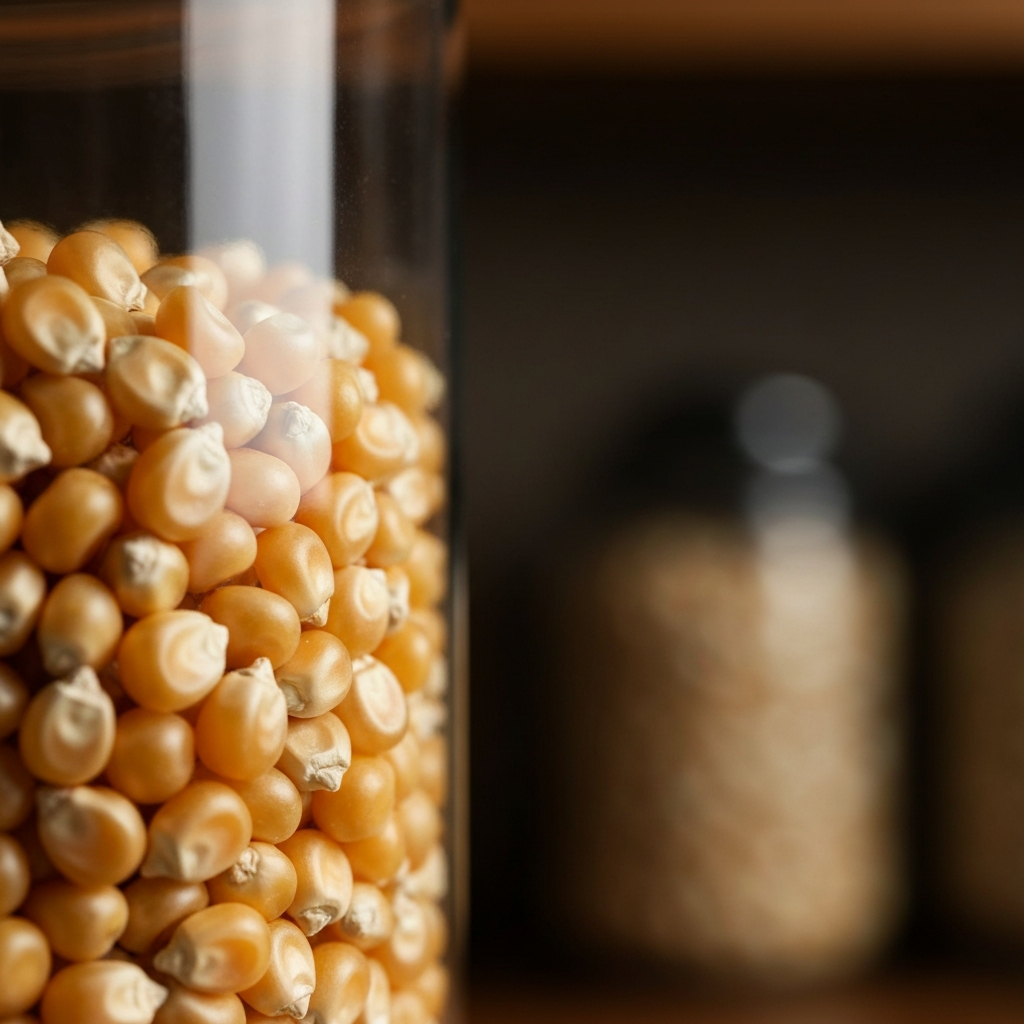
Unpopped popcorn kernels, when stored correctly, boast a relatively long shelf life. Generally, you can expect unpopped kernels to last for 1 to 2 years in a sealed container. However, this timeline is heavily dependent on storage conditions. The primary concern is moisture. If kernels are exposed to humidity, they can dry out or even become moldy, impacting their ability to pop effectively. While unpopped kernels don't technically "spoil" in the traditional sense, they can lose their moisture content over time. This desiccation leads to poor popping performance, resulting in fewer kernels popping and a potentially stale or burnt taste.
Step 2: Recognizing Expired Unpopped Kernels
Identifying Signs of Spoilage
Several telltale signs indicate that your unpopped kernels might be past their prime. First, examine the kernels for dryness. If the kernels appear overly dry and brittle, they've likely lost essential moisture. Second, be mindful of any unusual odors. A musty or rancid smell is a clear warning sign that the kernels have gone bad and may harbor bacteria or mold. Most importantly, visually inspect the kernels. Discoloration, such as white spots, dark patches, or an unusual texture, suggests mold growth. If you notice any of these signs, it's best to discard the kernels to avoid potential health risks and ensure a palatable snacking experience.

Step 3: Assessing the Shelf Life of Popped Popcorn
Popped Popcorn Degradation
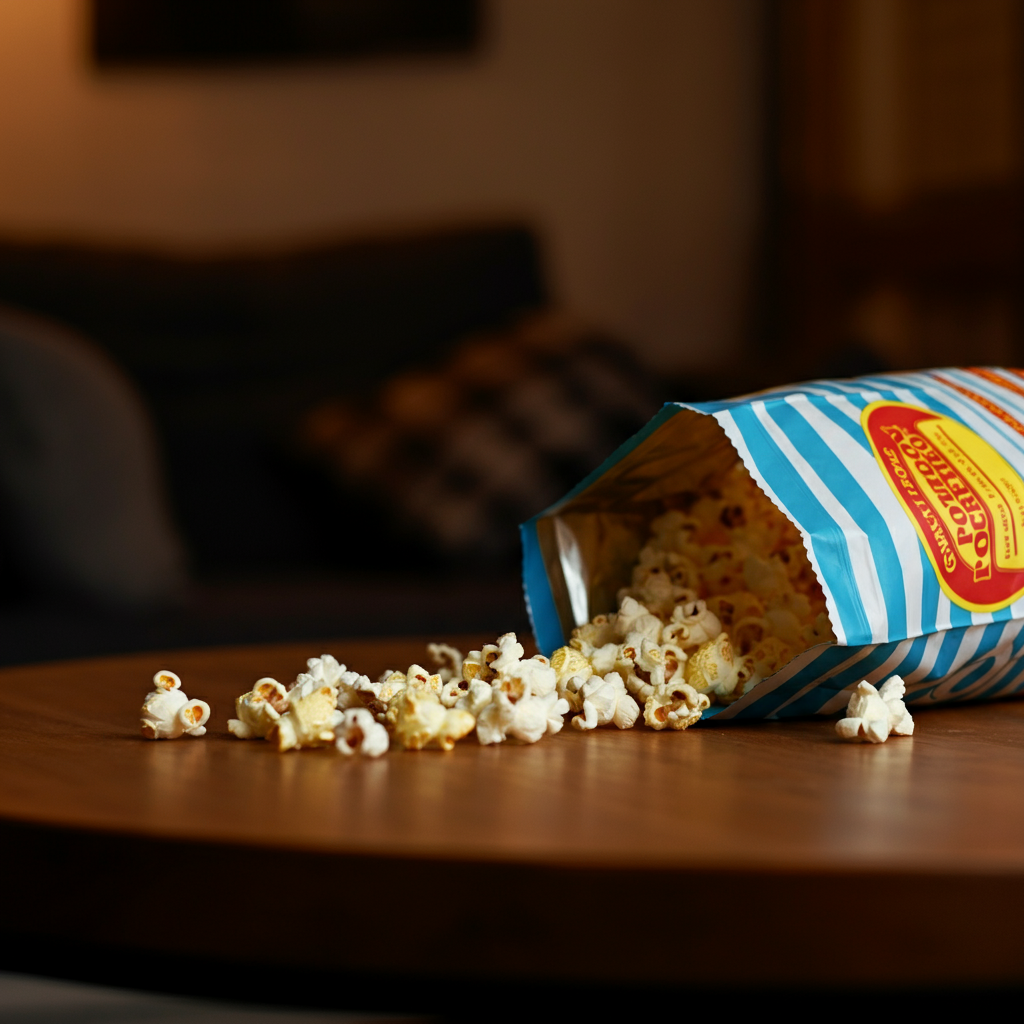
Popped popcorn has a significantly shorter shelf life compared to unpopped kernels. Once popped, the popcorn is exposed to air, which can quickly lead to staleness and a decline in quality. Unopened bags of commercially popped popcorn can typically last for 2-4 weeks. However, once opened, this timeframe shrinks to approximately 1-2 weeks. Factors like added seasonings and oils can further accelerate the degradation process, as they introduce additional moisture that promotes staleness. Always store popped popcorn in an airtight container to prolong its freshness and protect it from environmental factors.
Step 4: Spotting Expired Popped Popcorn
Recognizing the Signs of Stale or Spoiled Popped Popcorn
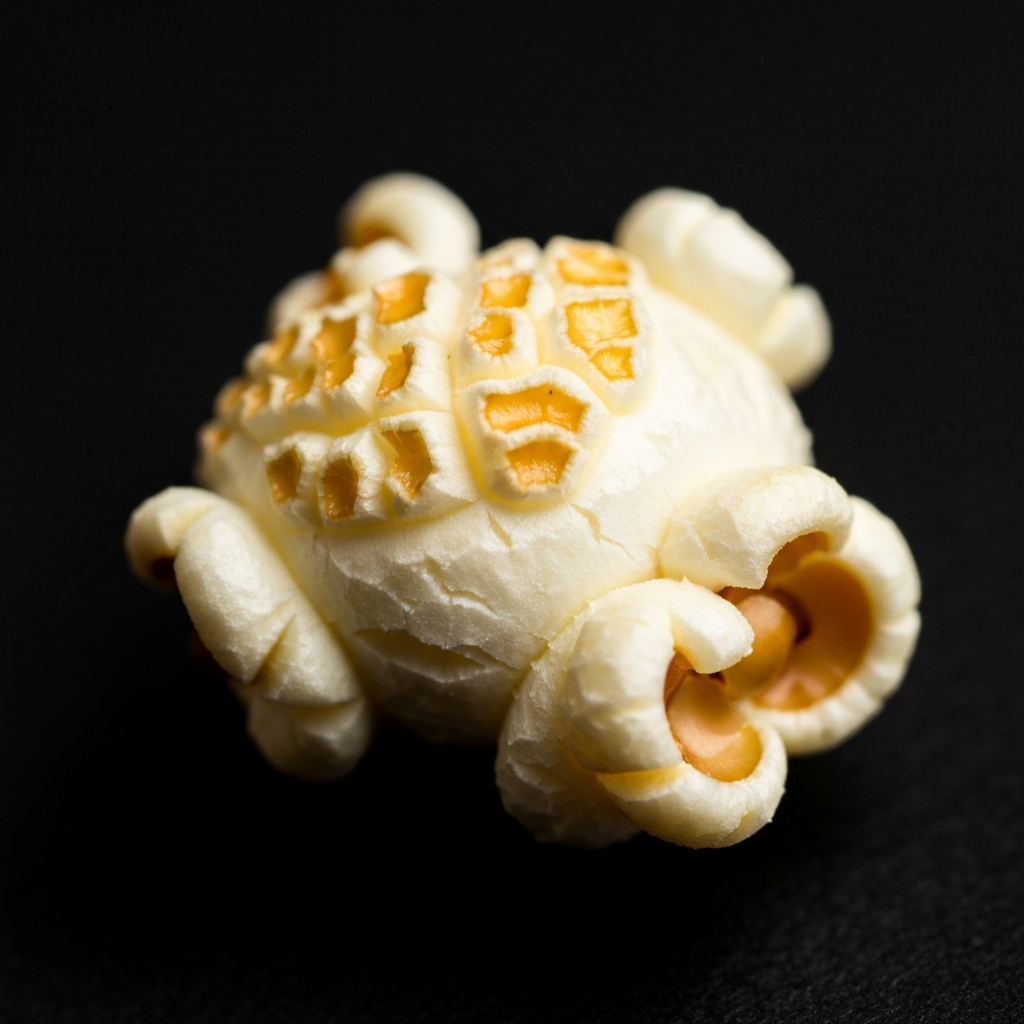
Identifying expired popped popcorn involves assessing its texture, smell, appearance, and taste. One of the first indicators of staleness is a chewy texture. Fresh popcorn should be crisp and crunchy, so if it feels soft or rubbery, it's likely past its prime. Pay close attention to the odor. Any off or rancid smell suggests that the popcorn is no longer safe to consume and may indicate mold or bacteria growth. Visually, check for discoloration. Dark spots, particularly brown or green hues, often signal mold or mildew. Finally, though it should be a last resort, taste a small piece. A rancid, stale, or overly earthy flavor is a definitive sign that the popcorn has expired.
Step 5: Maximizing Popcorn Freshness: Storage is Key
Proper Storage Techniques
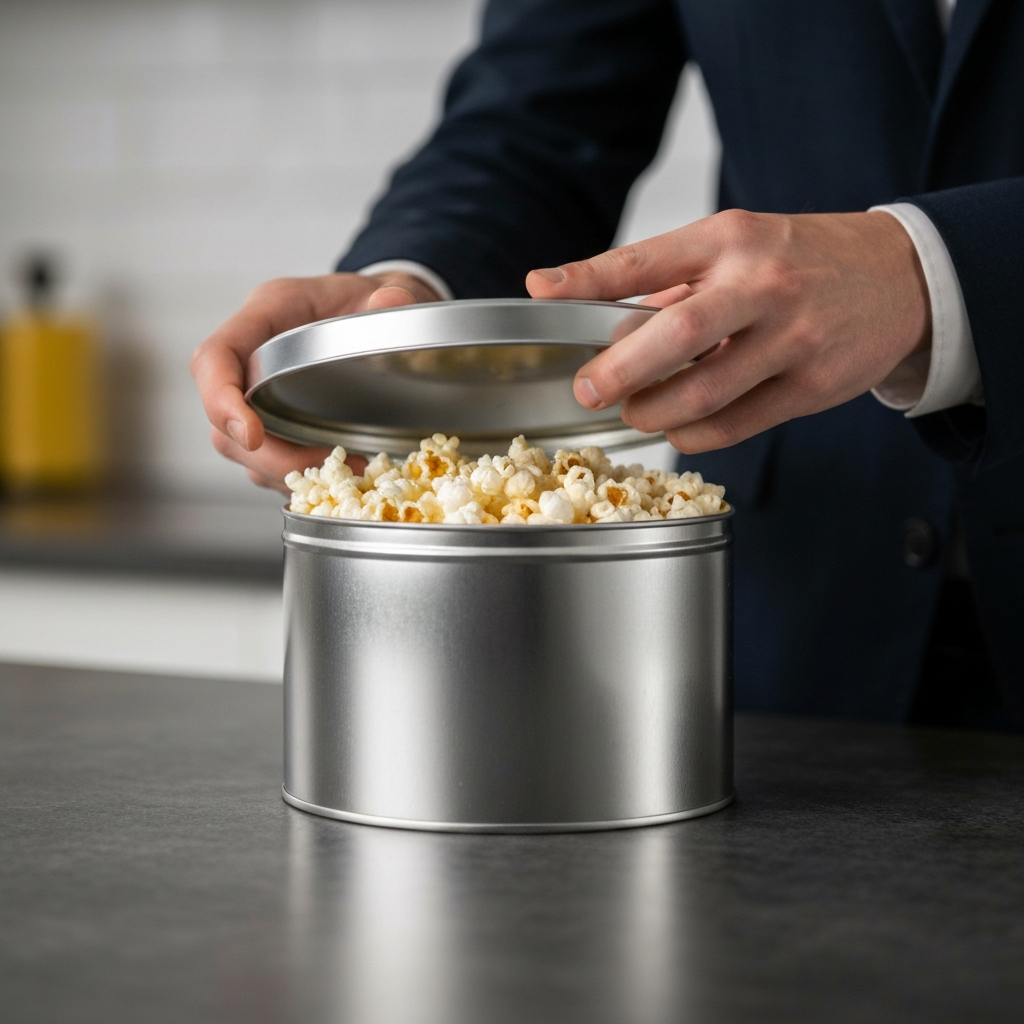
Proper storage is crucial for extending the shelf life of both unpopped kernels and popped popcorn. For unpopped kernels, the key is to store them in an airtight container in a cool, dry place. Metal tins are often preferable to glass jars, as they provide better protection from light and moisture. Avoid storing kernels in direct sunlight or humid environments, as these conditions promote mold growth. For popped popcorn, immediately transfer it to an airtight container after opening the bag. If you want to maintain freshness lay the popcorn onto a tray and place them into the oven for five minutes at around 250 degrees Fahrenheit (121 degrees Celsius). You can apply this same technique in your air fryer basket. Ensure the container is tightly sealed to prevent moisture absorption and maintain the popcorn's crispness.
FAQ Section
Frequently Asked Questions about Popcorn Expiration
Q: Can I eat expired popcorn?
A: While eating expired popcorn may not necessarily cause serious health issues, it's generally not advisable. The flavor and texture degrade over time, leading to an unpleasant eating experience. Additionally, there's a risk of consuming moldy popcorn, which can have adverse health effects.
Q: How long does microwave popcorn last?
A: Unpopped microwave popcorn can last up to 8 months if stored in a cool, dark place.
Q: Can I restore the freshness of stale popcorn?
A: Yes, you can attempt to revive stale popcorn by reheating it in an oven or air fryer at a low temperature for a few minutes. This can help to restore some of its crispness.
Q: What happens if I try to pop expired kernels?
A: Expired kernels may not pop at all or may result in smaller, chewier popcorn with a stale or burnt taste.
Conclusion
Determining whether popcorn has expired involves assessing various factors, including the type of popcorn (unpopped vs. popped), storage conditions, and sensory characteristics like smell, taste, and appearance. While unpopped kernels can last for a considerable time when stored properly, popped popcorn degrades more quickly. By understanding the signs of spoilage and implementing effective storage techniques, you can ensure that your popcorn experience remains enjoyable and safe. Remember, when in doubt, it's always best to err on the side of caution and discard any popcorn that shows signs of expiration.