Black beans and rice is a staple dish enjoyed across many cultures, offering a hearty and satisfying meal on its own. However, elevating it with the addition of perfectly seasoned meat transforms this humble dish into a complete and flavorful culinary experience. This guide will walk you through each step, providing expert tips to ensure your black beans and rice with meat are nothing short of spectacular.
We'll cover everything from selecting the right ingredients to mastering the cooking techniques that will bring out the best flavors. Whether you're a seasoned cook or a beginner in the kitchen, this recipe is designed to be approachable and adaptable to your preferences. Prepare to embark on a flavorful journey that will leave you and your loved ones craving more.
This recipe is not just about following instructions; it's about understanding the principles behind creating a balanced and delicious meal. So, grab your ingredients, and let's get cooking!
Step 1: Preparing the Onions
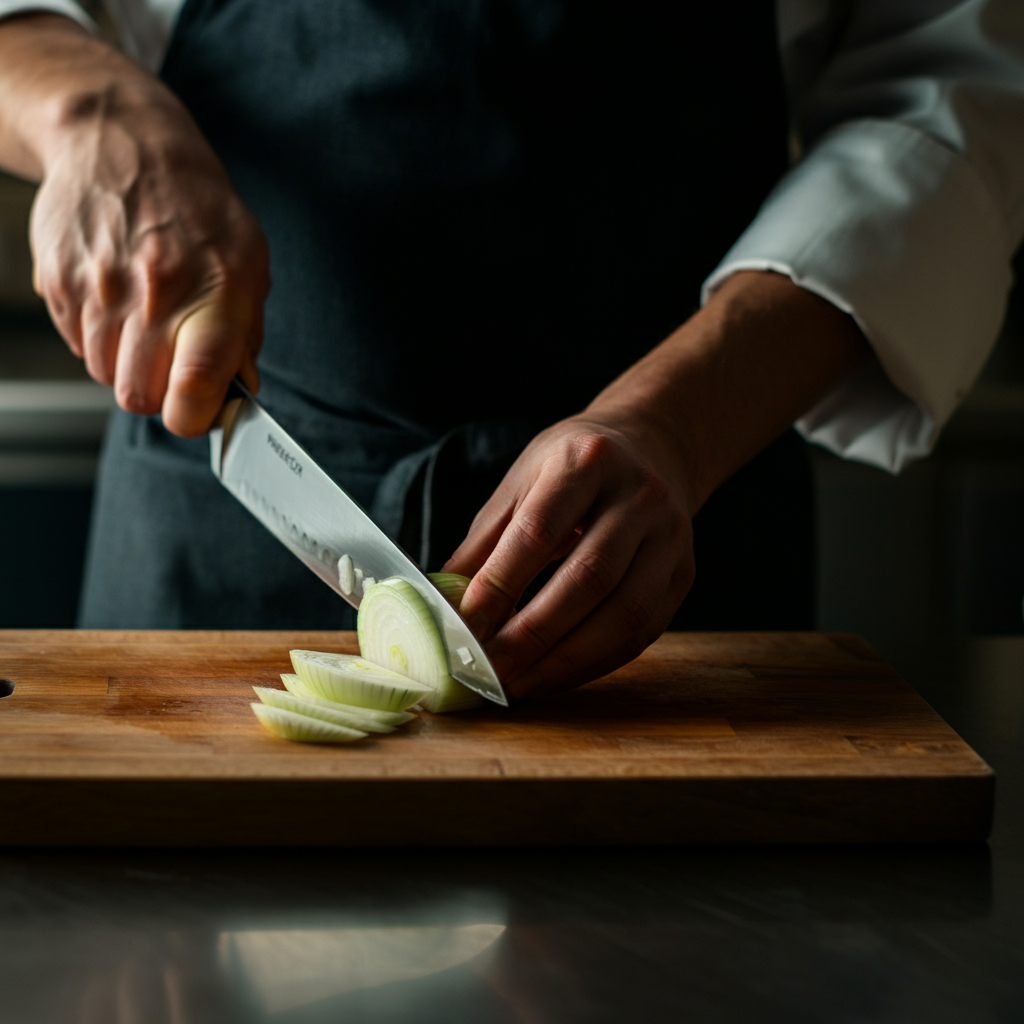
The foundation of any good black beans and rice starts with a flavorful base. Begin by finely chopping one small onion. Dicing the onion uniformly ensures even cooking and prevents any overpowering flavor pockets. Heat a tablespoon of olive oil in a medium-sized pot over medium heat. Add the chopped onions and sauté them until they become translucent and softened, typically around 5-7 minutes. This process releases the natural sugars in the onions, adding depth and sweetness to the overall dish. Avoid browning the onions excessively, as this can impart a bitter taste. Stir frequently to prevent sticking and ensure even cooking.
Step 2: Cooking the Rice
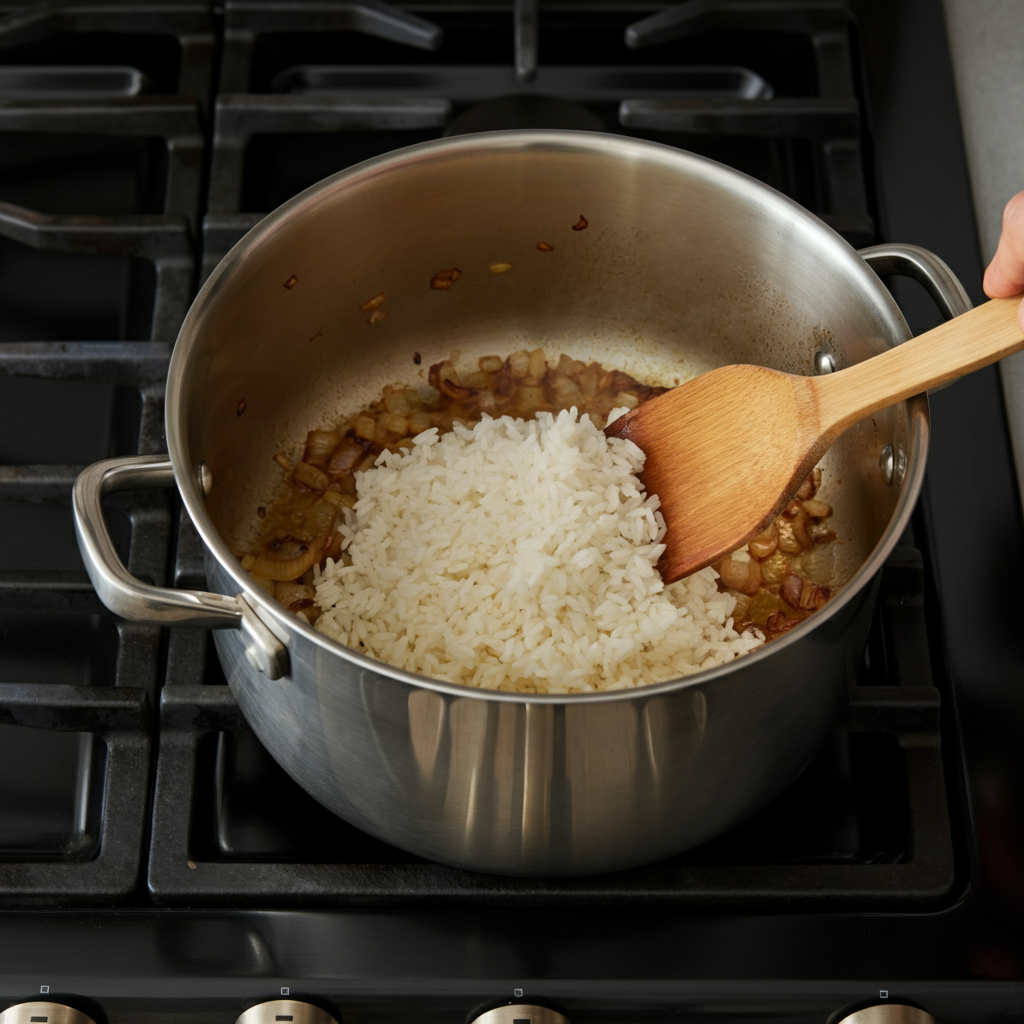
Now that the onions are softened, it's time to incorporate the rice. Add ½ cup of your preferred rice to the pot. While white rice and jasmine rice are excellent choices for their fluffy texture and mild flavor, brown rice can also be used for a nuttier, more nutritious option. If using brown rice, you may need to adjust the cooking time and liquid ratio accordingly. Stir the rice into the onions and olive oil, ensuring that each grain is coated. This step helps to toast the rice slightly, enhancing its flavor and preventing it from becoming sticky during cooking. Continue stirring for about 1-2 minutes until the rice turns slightly translucent.
Step 3: Incorporating Black Beans and Seasonings
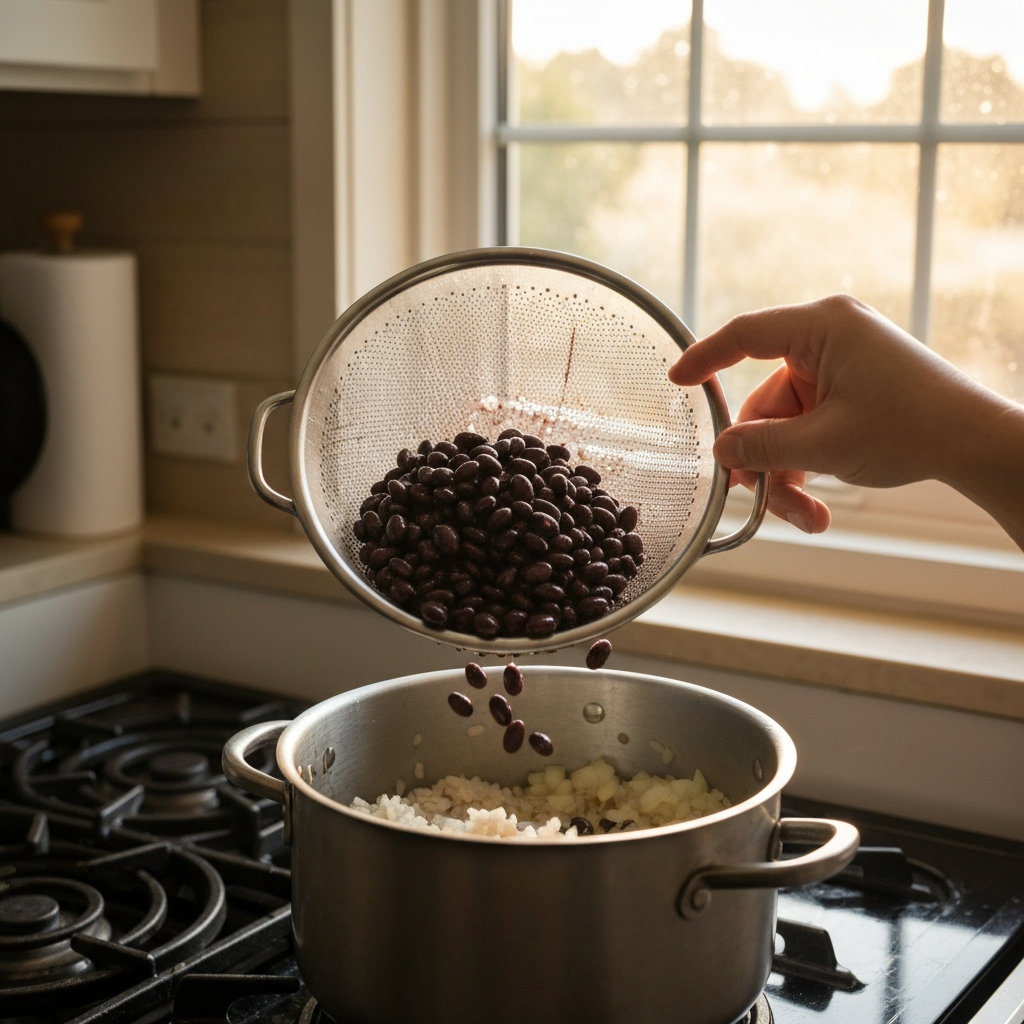
The heart of the dish comes next: the black beans and seasonings. Add one can (approximately 15 ounces) of black beans, drained and rinsed, to the pot. Rinsing the beans removes excess starch and sodium, preventing the dish from becoming overly thick or salty. Now, for the flavor boost! Add one teaspoon each of cumin, garlic powder, and onion powder. These spices provide a warm, earthy, and savory profile that complements the black beans and rice perfectly. Season with salt and pepper to taste, keeping in mind that the taco seasoning (which we'll add to the meat later) also contains salt. Start with a smaller amount of salt and adjust as needed to avoid over-salting the dish. Stir everything together thoroughly to ensure the beans and spices are evenly distributed.
Step 4: Simmering with Chicken Broth
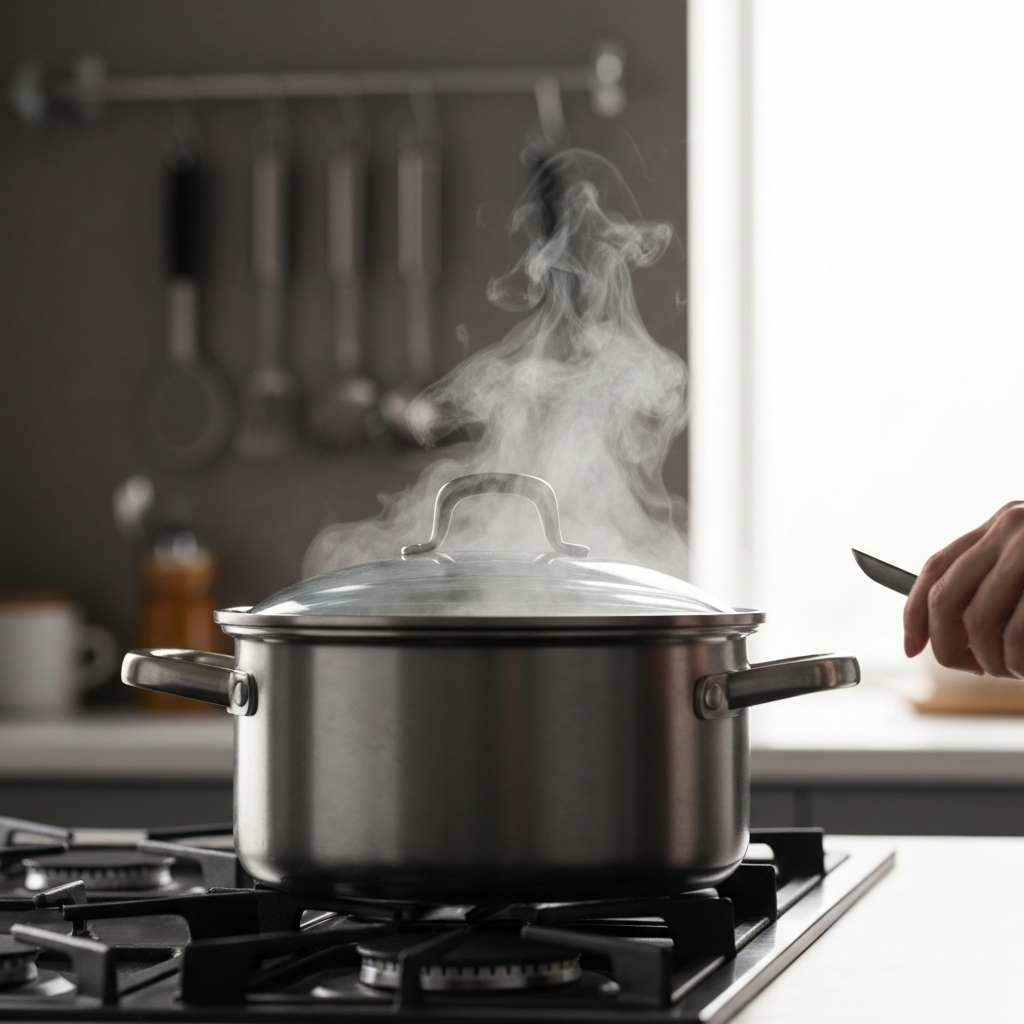
To bring the dish together, pour in 2 cups of chicken broth. The broth adds moisture and depth of flavor, creating a rich and savory base for the beans and rice. Ensure that the broth covers the rice completely. Stir the mixture well, scraping the bottom of the pot to prevent any rice from sticking. Bring the mixture to a simmer, then reduce the heat to low, cover the pot tightly with a lid, and let it cook for 10 minutes. Maintaining a low simmer is crucial for even cooking and prevents the rice from burning or becoming mushy. Resist the temptation to lift the lid during this time, as this will release steam and disrupt the cooking process.
Step 5: Checking and Finishing the Rice
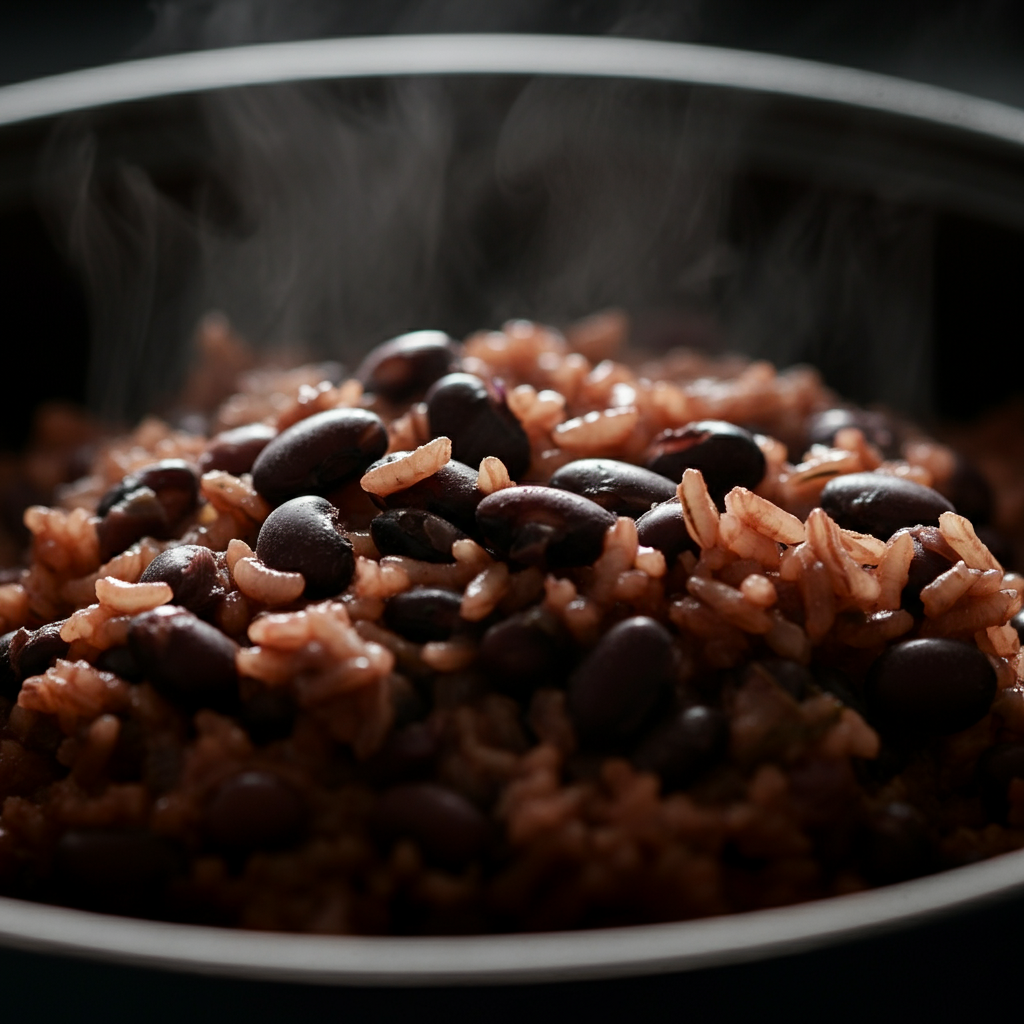
After 10 minutes, gently lift the lid and stir the rice mixture. Check the consistency of the rice and the liquid level. If the rice is still firm and the liquid hasn't been absorbed, cover the pot and cook for another 5-10 minutes, or until the rice is tender and the liquid has been absorbed. Be careful not to overcook the rice, as this will result in a mushy texture. If the rice is cooked but there is still excess liquid, remove the lid and continue cooking over low heat, stirring occasionally, until the excess liquid evaporates. At this point, you can optionally add a squeeze of fresh lemon or lime juice to brighten the flavors and add a touch of acidity. This is particularly effective if you find the dish to be too heavy or rich. Once the rice is cooked to your liking, remove the pot from the heat and let it rest, covered, for a few minutes to allow the flavors to meld.
Step 6: Preparing the Meat
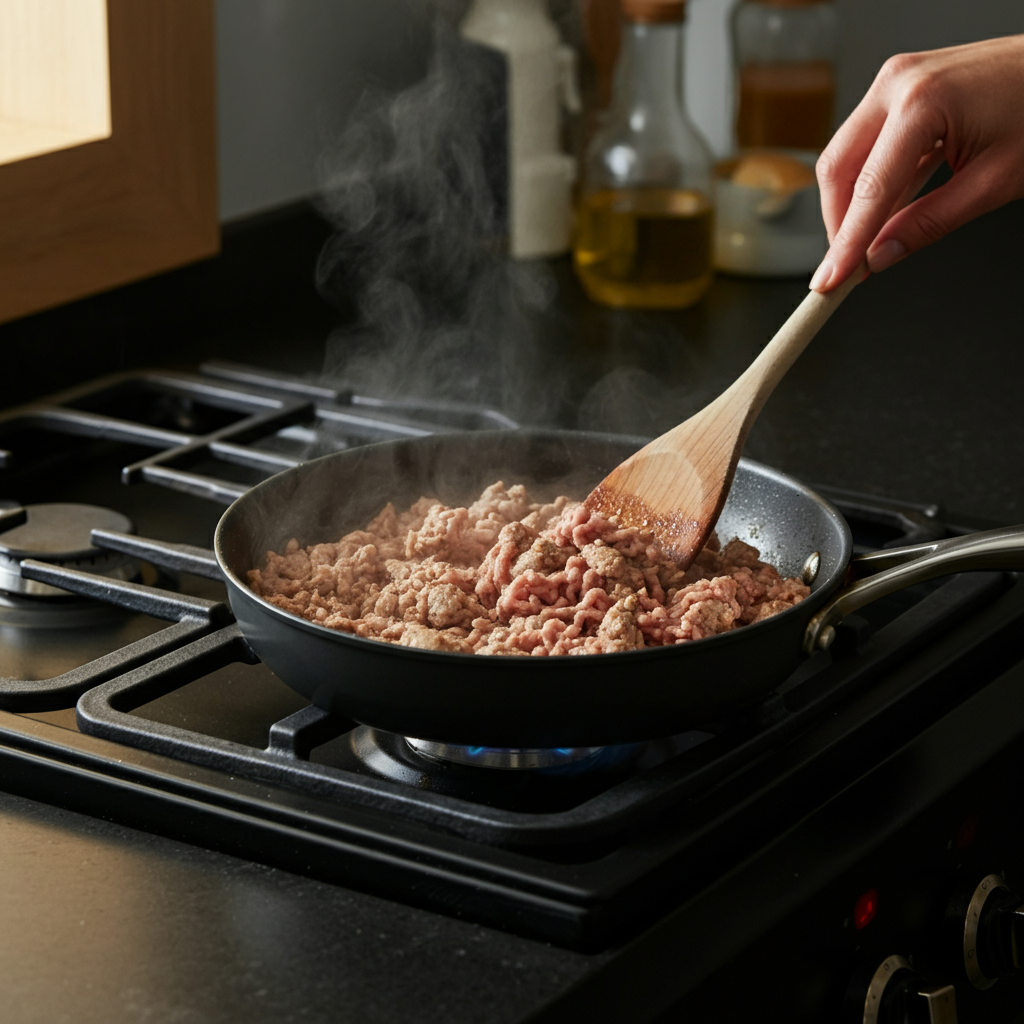
While the black beans and rice are cooking, it's time to prepare the meat. In a separate pan, preheat over medium-high heat. Add one pound of ground turkey (or your preferred ground meat) to the pan. Break up the meat with a spoon and cook until it is fully browned and no longer pink, typically around 7-10 minutes. Ensure the meat is cooked thoroughly to eliminate any risk of foodborne illness. Drain any excess fat from the pan after cooking. Then, stir in one packet of taco seasoning along with a little bit of water (about ¼ cup). The water helps to distribute the seasoning evenly and prevent it from burning. Cook for another 2-3 minutes, stirring frequently, until the meat is well-coated with the seasoning and the water has evaporated. You can also add salt and pepper to taste, as well as any extra seasoning you prefer, such as chili powder or smoked paprika, to customize the flavor profile.
Step 7: Combining and Serving
Once the meat and the black beans and rice are both cooked, it's time to combine them. Add the cooked ground meat mixture to the pot of black beans and rice. Stir well to ensure that the meat is evenly distributed throughout the dish. Allow the combined mixture to simmer for a few minutes to allow the flavors to meld together. Taste and adjust the seasoning as needed. You can serve the dish as is, or you can garnish it with your favorite toppings, such as chopped cilantro, diced tomatoes, shredded cheese, sour cream, or guacamole. This recipe typically serves around 3 people, making it perfect for a small family dinner or meal prepping for the week.

Tools or Materials Required
- Medium pot with a lid
- Large skillet
- Cutting board
- Chef's knife
- Wooden spoon or spatula
- Measuring cups and spoons
- Can opener
- Colander
Common Mistakes to Avoid
- Overcooking the rice, resulting in a mushy texture.
- Under-seasoning the dish, leading to a bland flavor.
- Not rinsing the black beans, causing the dish to be overly starchy.
- Burning the onions at the beginning, resulting in a bitter taste.
- Using too much liquid, leading to a soupy consistency.
Pro Tips
- For a richer flavor, use homemade chicken broth instead of store-bought.
- Add a bay leaf to the pot while cooking the rice for a subtle, aromatic flavor.
- To make the dish vegetarian, omit the meat and add diced vegetables, such as bell peppers, corn, or zucchini.
- For a spicier kick, add a pinch of cayenne pepper or a diced jalapeño pepper to the dish.
- Leftovers can be stored in the refrigerator for up to 3 days and reheated in the microwave or on the stovetop.
FAQ Section
Q: Can I use canned beans instead of dried beans?
A: Yes, canned beans are a convenient option. Just be sure to rinse them thoroughly before using.
Q: Can I freeze this dish?
A: Yes, black beans and rice with meat freezes well. Allow it to cool completely before transferring it to an airtight container and freezing for up to 2 months.
Q: What kind of meat works best in this recipe?
A: Ground turkey, ground beef, and shredded chicken are all excellent choices. You can also use diced pork or sausage.
Conclusion
Congratulations! You've successfully mastered the art of making delicious black beans and rice with meat. From sautéing the onions to simmering the rice and seasoning the meat, each step contributes to a symphony of flavors that will tantalize your taste buds. Remember the key tips: don't overcook the rice, season generously, and don't be afraid to experiment with different spices and toppings to create your own unique version of this classic dish. Enjoy!