Animals, just like humans, experience a wide range of emotions, including stress and anxiety. Recognizing the signs of distress in your animal companion is the first step towards providing effective comfort and support. Whether it's a sudden thunderstorm, a trip to the vet, or simply adjusting to a new environment, understanding how to soothe your animal can significantly improve their well-being and strengthen your bond.
This comprehensive guide, crafted with insights from veterinary professionals and animal behaviorists, will equip you with practical techniques and strategies to calm stressed animals. We'll cover various scenarios, from alleviating general anxiety to addressing specific triggers like storms and separation. Remember that patience and consistency are key to success. By learning to interpret your animal's cues and responding with empathy, you can create a safe and secure environment where they feel loved and protected.
It's important to acknowledge that while these techniques are generally effective, every animal is an individual with unique needs and sensitivities. What works for one animal might not work for another. Always observe your animal's reaction and adjust your approach accordingly. In cases of severe or persistent anxiety, consulting with a veterinarian or certified animal behaviorist is crucial to rule out underlying medical conditions and develop a tailored treatment plan.
This guide will empower you to become a more confident and capable caregiver, providing your animal with the comfort and support they need to thrive.
Step 1: Identify and Remove the Stressor
The first and often most effective step in soothing an animal is to identify and, if possible, remove the source of their stress. This might seem obvious, but accurately pinpointing the trigger can be challenging. Observe your animal's body language – are they panting excessively, hiding, trembling, or exhibiting destructive behavior? Once you've identified the stressor, assess whether it can be safely removed or mitigated. For example, if your dog is barking incessantly at the mail carrier, consider bringing them to another room during mail delivery. Or, if a new electronic toy is agitating your cat, simply turn it off and put it away. If the stressor cannot be removed, attempt to move the animal to a quieter, safer location away from the source of the problem. Always prioritize your safety and the animal's safety when attempting to remove a stressor.

Step 2: Create a Calm and Quiet Environment
Once you've addressed the immediate stressor, creating a calm and quiet environment is crucial for allowing your animal to de-stress. This means minimizing external stimuli such as loud noises, bright lights, and excessive activity. Take the animal to a designated "safe space" – this could be a crate, a quiet room, or even just a corner of the house where they feel secure. Dim the lights, play soft music (classical or nature sounds are often effective), and speak in a gentle, soothing voice. Avoid sudden movements or loud noises that could further agitate the animal. Offer them their favorite blanket or toy to provide additional comfort and familiarity. The goal is to create a sanctuary where they can relax and feel protected.

Step 3: Establish a Sense of Normalcy and Routine
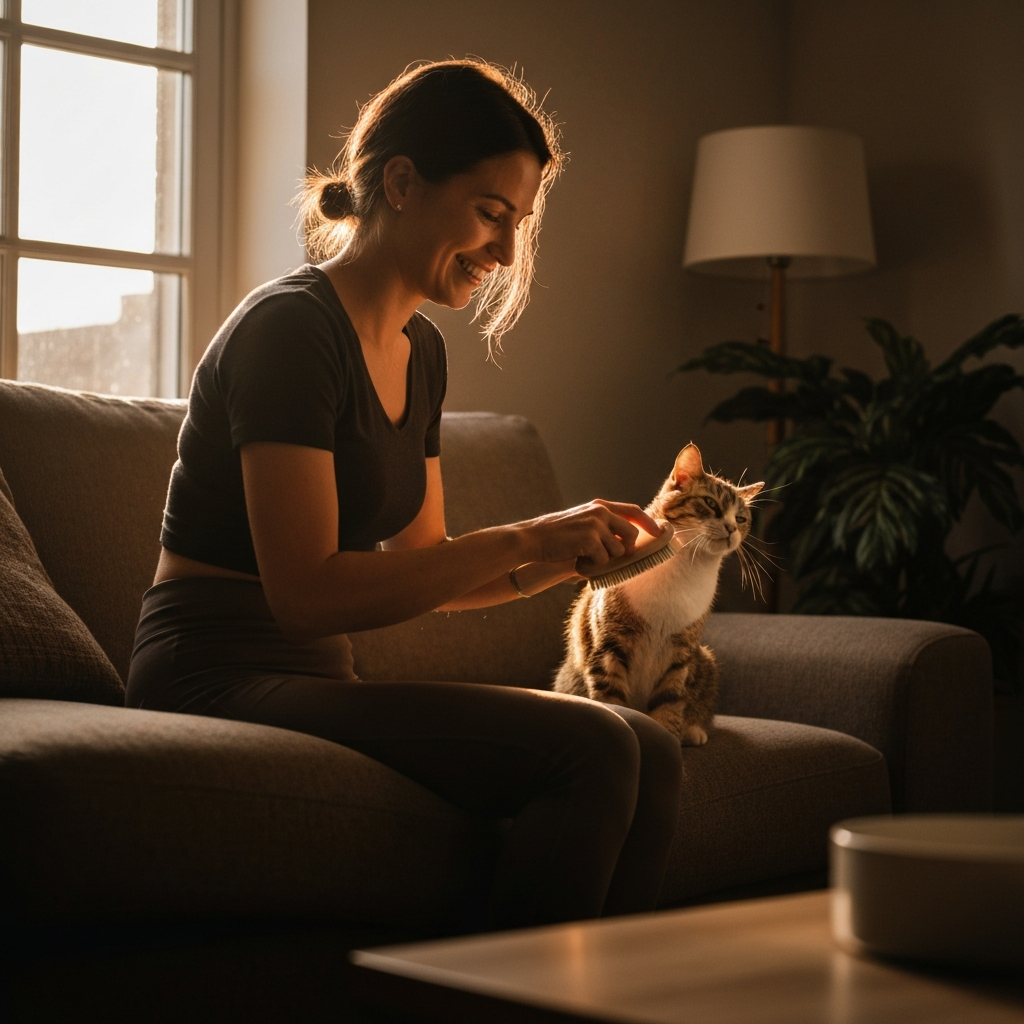
Animals thrive on routine and predictability. Maintaining a sense of normalcy during stressful situations can be incredibly soothing. Engage in familiar activities, such as feeding them at their usual time, taking them for a short walk (if appropriate), or playing their favorite game. For dogs, simple commands like "sit" or "stay" can be surprisingly comforting, as they provide structure and a sense of control. For cats, a gentle grooming session or a few minutes of playtime with a favorite toy can help them relax. Avoid making drastic changes to their routine unless absolutely necessary. Consistency is key to reassuring them that everything is okay.
Step 4: Gentle Touch and Soothing Vocalizations
Physical touch and vocalizations can be powerful tools for calming a stressed animal, but it's essential to approach them with sensitivity and respect. Start by offering gentle strokes on their back or head, paying attention to their body language. If they seem to enjoy it, continue; if they pull away or show signs of discomfort, stop immediately. Simultaneously, speak to them in a calm, soothing voice. Avoid using baby talk or overly excitable tones; instead, opt for a low, even pitch and reassuring words. Simply telling them "it's okay" or "you're safe" can be surprisingly effective. Be mindful of your own anxiety levels – animals are highly sensitive to human emotions, so if you're feeling stressed, they're likely to pick up on it. Take a few deep breaths to center yourself before approaching your animal.
Step 5: Consider Safe Confinement or Carriers
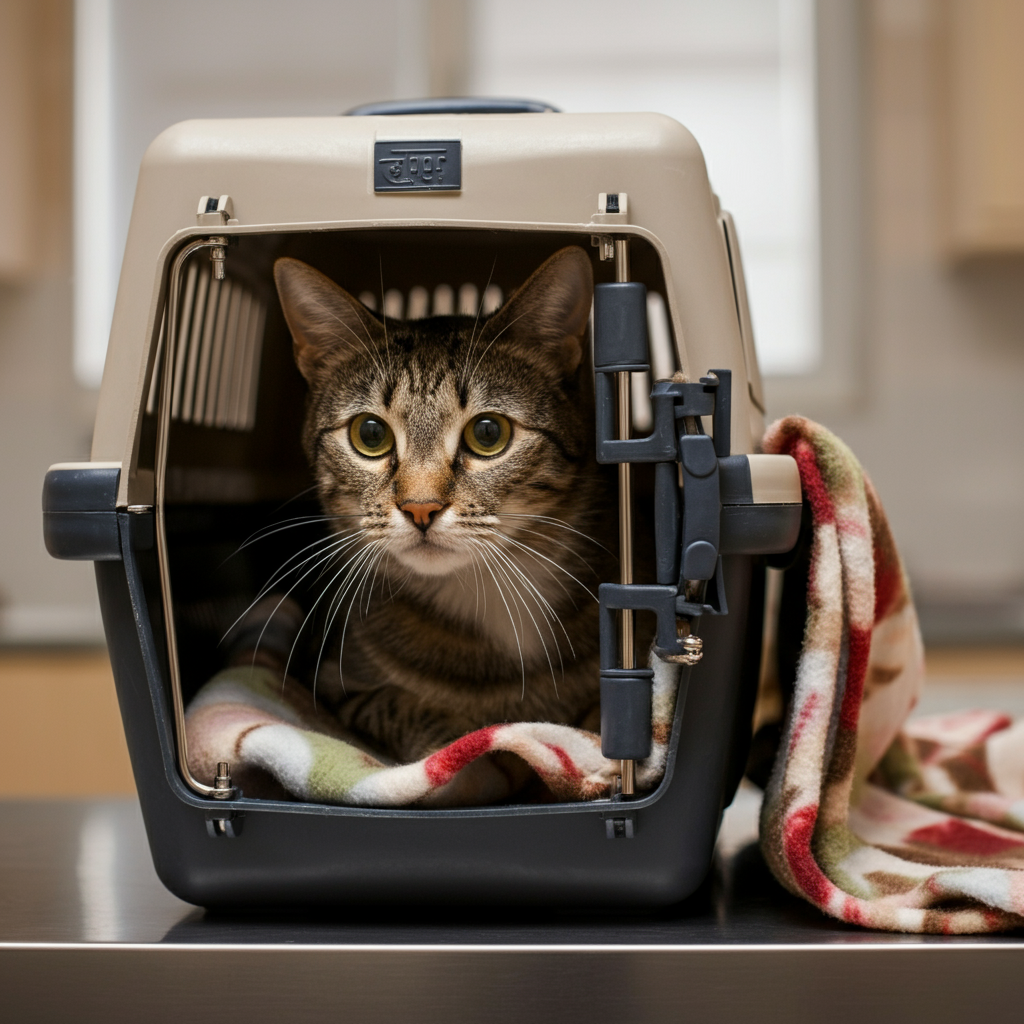
In certain situations, such as transport or veterinary visits, confining your animal to a safe carrier or crate can actually reduce their stress levels. This provides them with a sense of security and prevents them from escaping or injuring themselves. For cats, carriers that offer a covered or partially obscured view are often preferred, as they minimize exposure to potential threats. For small animals like hamsters or gerbils, a small animal box provides a safe and secure environment during transport. Ensure that the carrier is appropriately sized for your animal, allowing them to stand, turn around, and lie down comfortably. Introduce the carrier gradually, making it a positive experience by placing treats or toys inside.
Step 6: Utilizing Treats and Positive Reinforcement
Most animals are highly motivated by food, making treats an effective tool for distracting them from stressful situations and reinforcing positive behavior. Offer small, high-value treats during moments of anxiety, such as when fireworks are going off or when they're feeling anxious during a car ride. Be mindful of your animal's dietary restrictions and avoid giving them anything that could be harmful. You can also use treats to encourage them to move to a safer location or to enter their carrier. Positive reinforcement techniques, such as praising them verbally and offering physical affection when they exhibit calm behavior, can also be helpful in reducing anxiety over time.

Safety Considerations
When attempting to soothe an animal, it's crucial to prioritize safety, both for yourself and for the animal. Never attempt to handle an animal that is showing signs of aggression, such as growling, snapping, or biting. If you're unsure how to approach a distressed animal, seek guidance from a veterinarian or certified animal behaviorist. Be aware of your own body language and avoid making sudden movements or loud noises that could startle the animal. Always supervise children when they are interacting with animals, especially those who are feeling stressed or anxious. If you suspect that your animal's anxiety is due to an underlying medical condition, consult with a veterinarian immediately.
Conclusion
Soothing a stressed animal requires patience, understanding, and a commitment to creating a safe and supportive environment. By identifying and removing stressors, providing a calm space, establishing a routine, using gentle touch and vocalizations, and utilizing treats and positive reinforcement, you can significantly improve your animal's well-being. Remember that every animal is unique, so it's essential to observe their individual needs and adjust your approach accordingly. With consistent effort and a deep understanding of your animal's behavior, you can build a stronger bond and help them navigate life's challenges with greater ease and comfort.