Bringing your beloved pet with you when you move to the United States from another country can be an exciting, yet complex process. It requires careful planning and attention to detail to ensure a smooth and stress-free journey for both you and your furry, feathered, or scaled companion. Don't underestimate the preparation involved; navigating the regulations and logistics can be more challenging than you might initially expect.
This guide aims to provide a comprehensive, step-by-step approach to bringing your pet into the U.S. legally and safely. We'll cover everything from understanding the specific requirements based on your pet's species and origin country, to preparing for air travel and securing the necessary documentation. Remember, failing to comply with even one requirement can result in your pet being denied entry or quarantined, so thorough preparation is paramount.
By following these guidelines and staying organized, you can increase the chances of a successful and happy reunion with your pet in your new home. Let's dive in!
Step 1: Research Specific Entry Requirements Based on Species and Origin
Every pet species has unique import requirements set by U.S. federal agencies like the Centers for Disease Control and Prevention (CDC) and the United States Department of Agriculture (USDA). These regulations can vary based on the country your pet is traveling from. Begin by visiting the CDC and USDA APHIS (Animal and Plant Health Inspection Service) websites to understand the specifics for your animal. Dogs have different requirements than cats, and birds have a completely different set of regulations. Pay close attention to any country-specific restrictions or bans related to certain diseases like avian influenza or screwworms.

Step 2: Schedule a Veterinary Checkup and Obtain Necessary Documentation
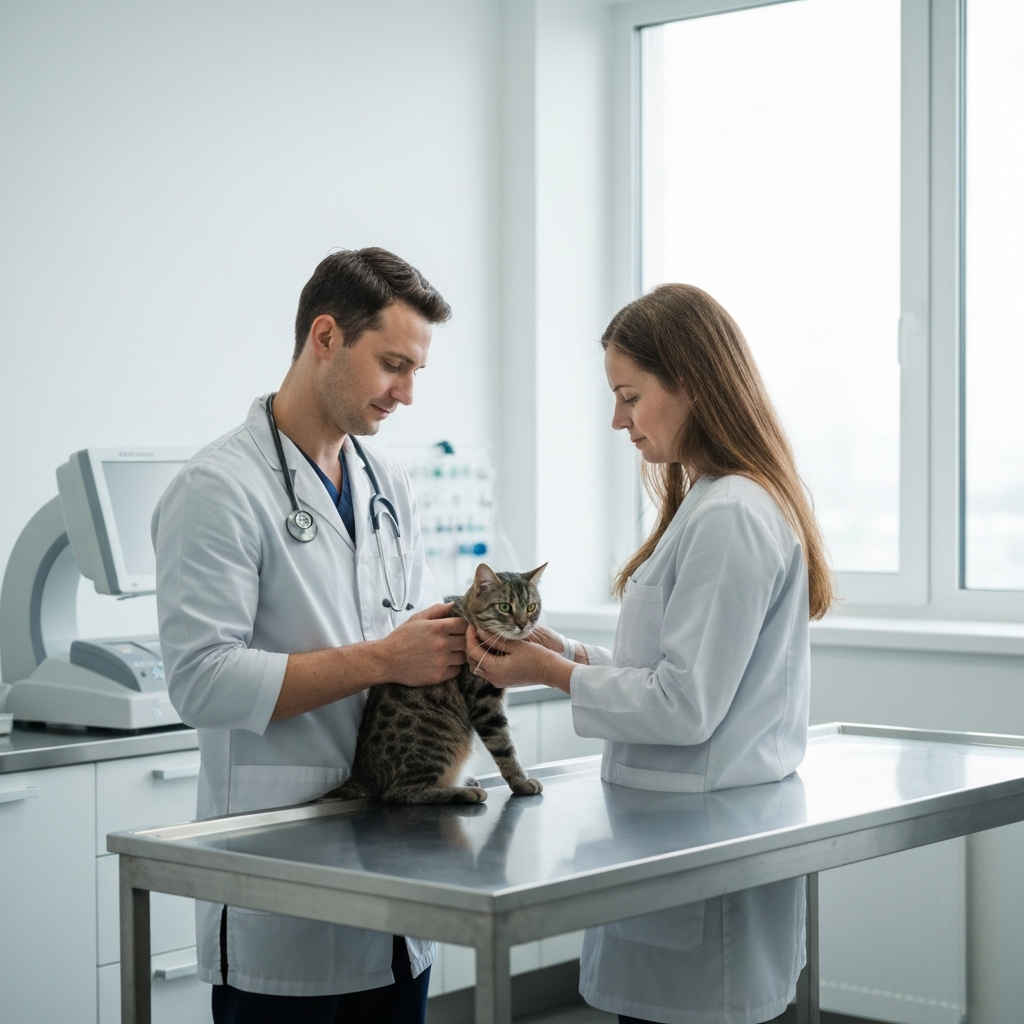
A comprehensive veterinary checkup is a critical step in preparing your pet for international travel. Schedule an appointment with your veterinarian well in advance of your travel date, ideally at least a month before. Your vet will assess your pet's overall health, administer any required vaccinations (like rabies for dogs), and issue a health certificate if necessary. Ensure your vet is USDA-accredited to issue health certificates for international travel; not all vets are. Double-check the health certificate requirements of both your airline and the state you'll be entering, as these can vary.
Step 3: Meet Rabies Vaccination Requirements for Dogs
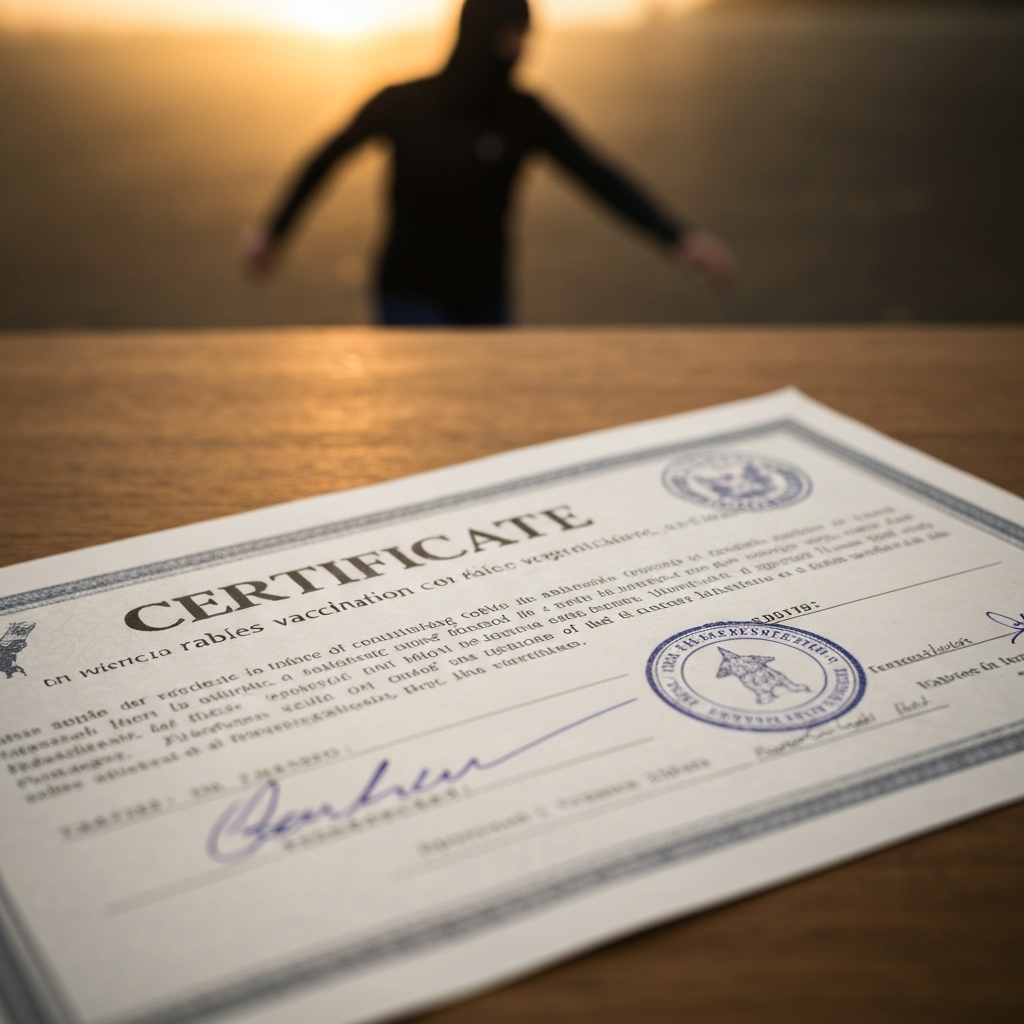
The CDC requires all dogs entering the U.S. to be vaccinated against rabies. Your dog must have a valid rabies vaccination certificate issued by a licensed veterinarian. If your dog hasn't been previously vaccinated, they must receive the vaccination at least 30 days before arrival in the U.S. If your dog received a rabies booster less than 30 days before arrival, ensure they meet the specific criteria: they must be at least 15 months old, have received a rabies vaccine after 3 months of age, and the previous vaccine has expired. Certain rabies-free countries are exempt from this requirement, but check the CDC's current list to confirm.
Step 4: Choose a Pet-Friendly Airline and Book Your Pet's Travel
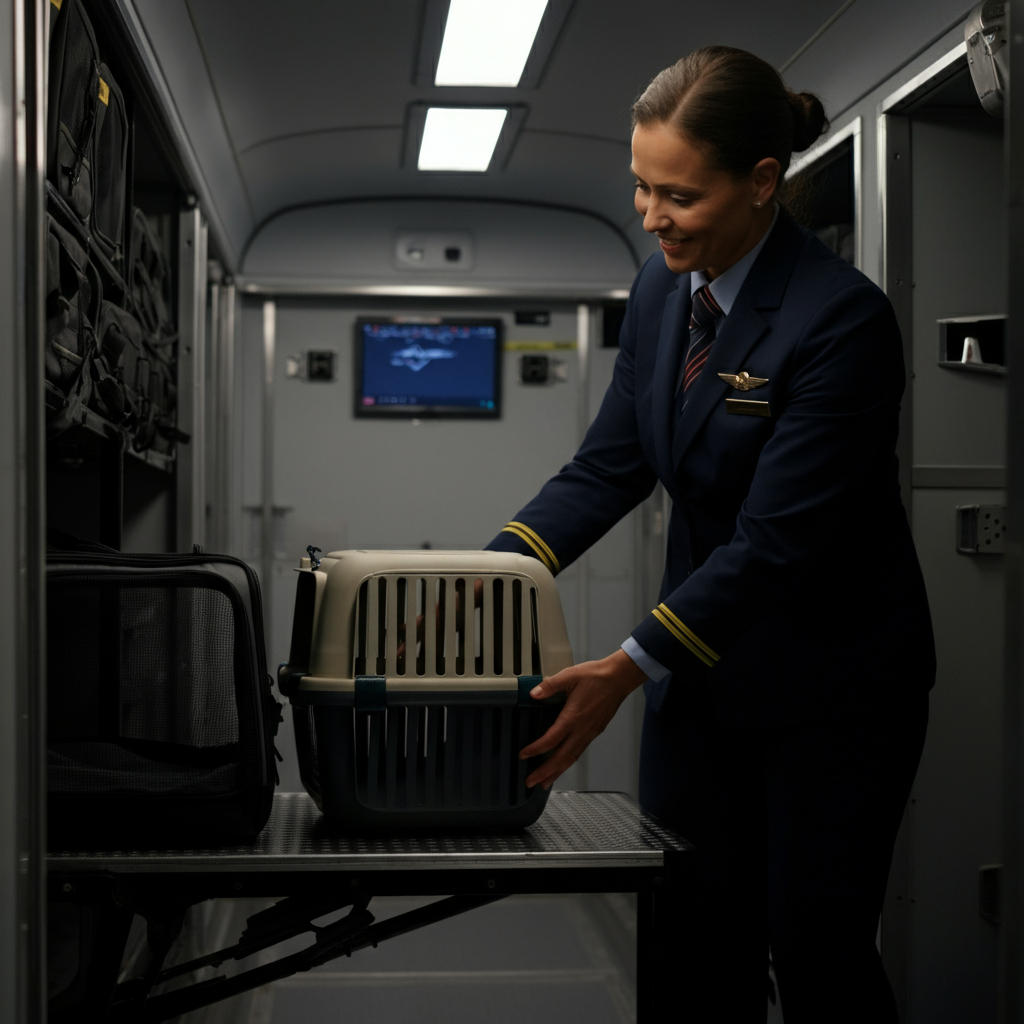
Not all airlines are created equal when it comes to pet travel. Research airlines that have experience transporting animals and a good track record for pet safety. Contact the airline directly to inquire about their specific pet travel policies, including carrier requirements, fees, and any restrictions on breed or size. Book your pet's travel well in advance, as space for animals on flights is often limited. Confirm where you will pick up your pet after the flight lands.
Step 5: Prepare Your Pet for Air Travel
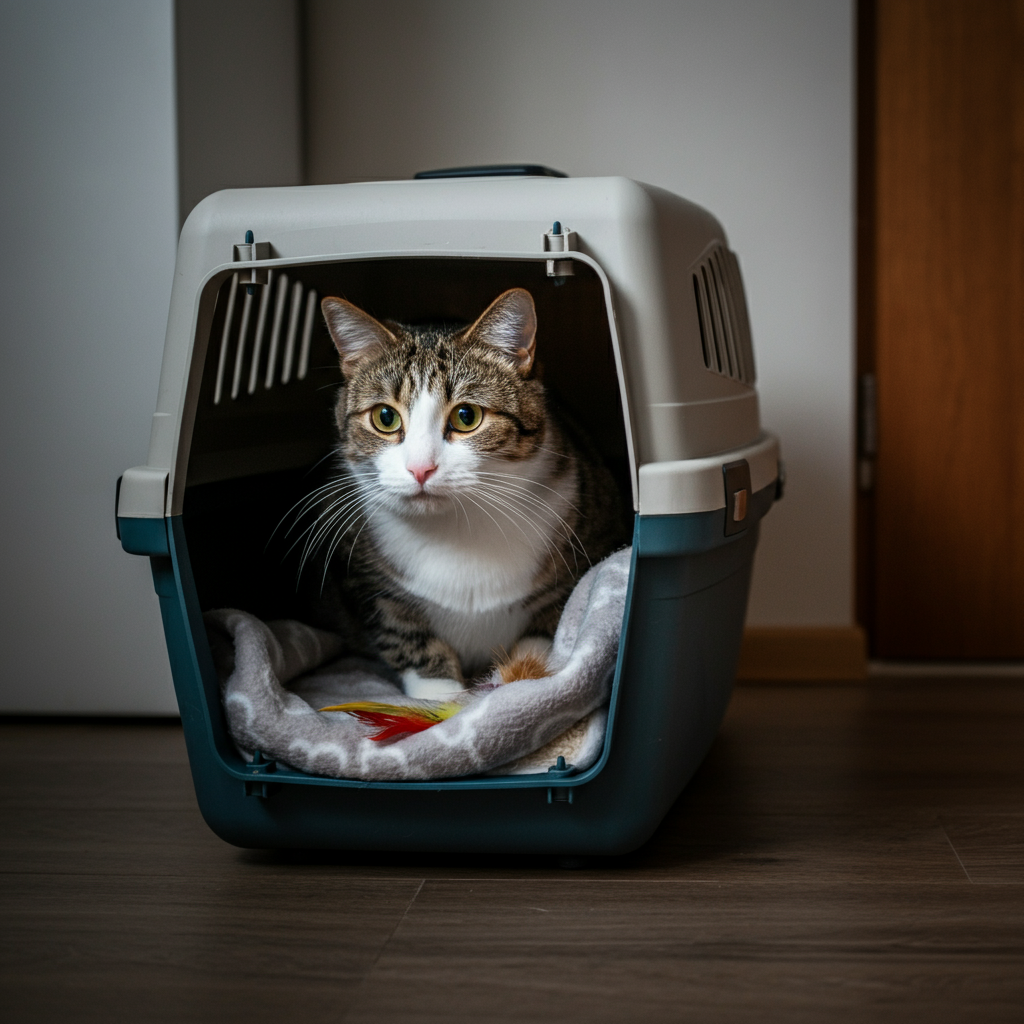
Air travel can be stressful for pets, so it's essential to prepare them in advance. Acclimate your pet to their carrier by gradually introducing it as a safe and comfortable space. Line the carrier with familiar bedding and toys to reduce anxiety. A few days before the flight, take your pet for shorter trips in the carrier to get them used to being confined. On the day of travel, avoid feeding your pet a large meal right before the flight, and provide water up until departure. Ensure your dog has a walk before heading to the airport, and again after check-in.
Step 6: Label the Carrier with Identifying Information
Clearly label your pet's carrier with your contact information, including your name, phone number, and destination address. Include a "Live Animal" sign with arrows indicating the upright direction of the crate. Attach a clear photograph of your pet to the carrier in case they escape. This information will help airline staff quickly identify your pet and contact you if needed.
Step 7: Notify Airline Staff About Your Pet
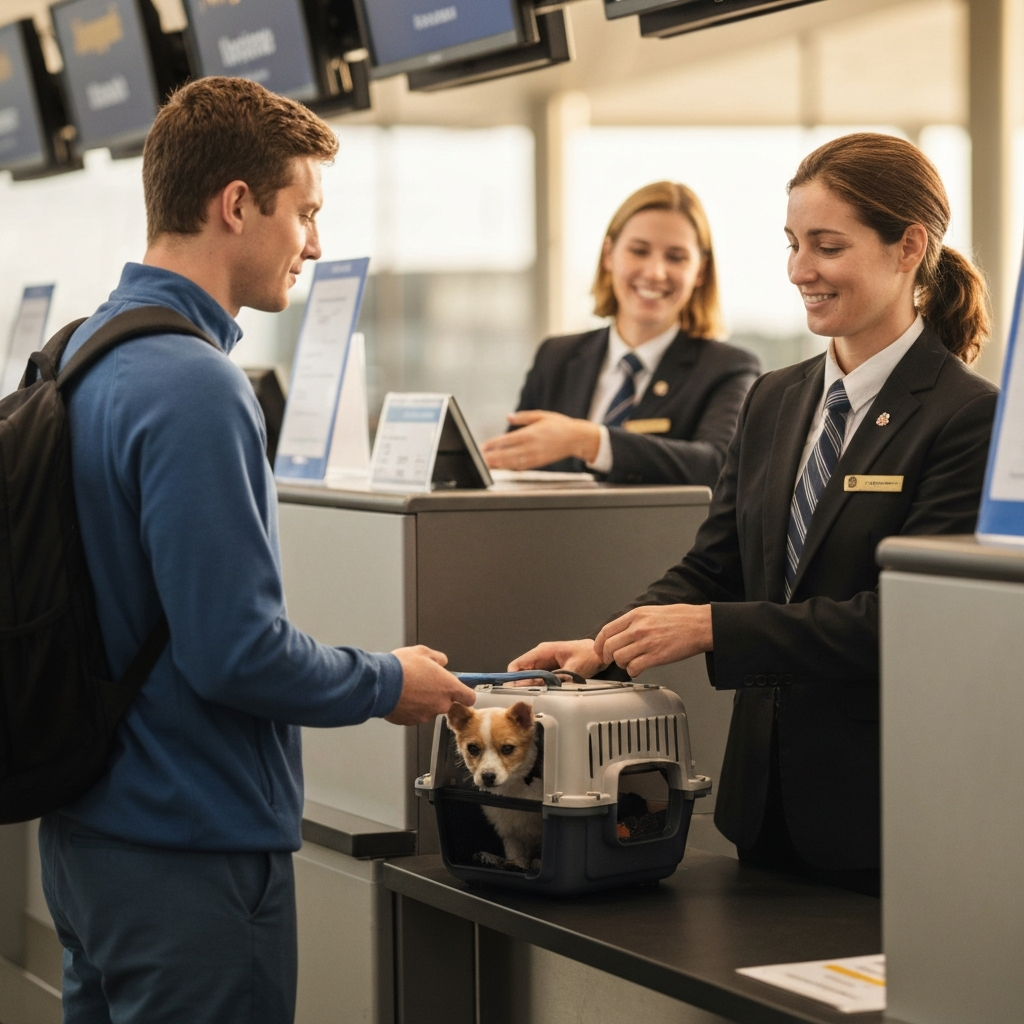
From check-in to boarding, inform airline staff that you are traveling with a pet. They may be able to provide additional assistance or make special accommodations to ensure your pet's comfort and safety. Ask about the location of pet relief areas in the airport during layovers. If you have a connecting flight, confirm that your pet has been successfully transferred to the next plane.
Step 8: Consider Microchipping Your Pet
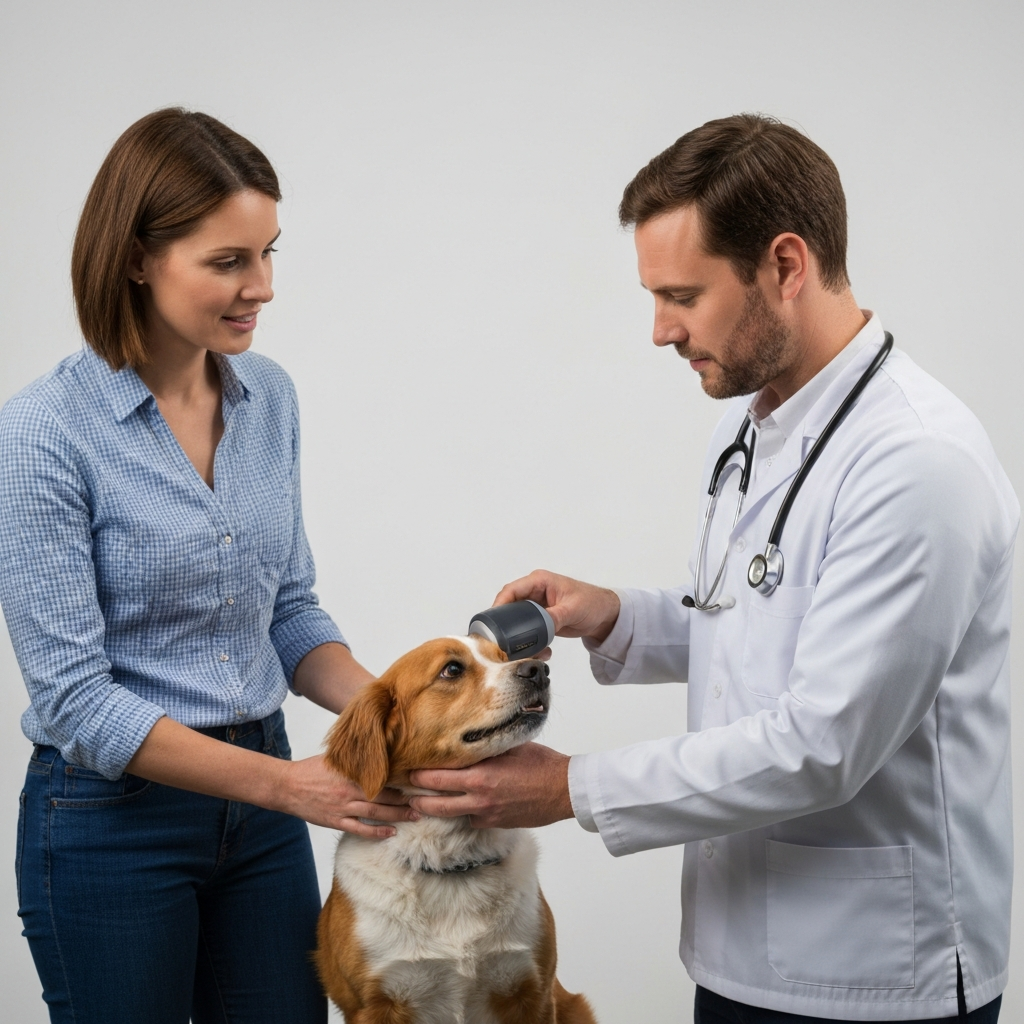
While not always mandatory, microchipping your pet is highly recommended, especially for air travel. A microchip provides a permanent form of identification that can help reunite you with your pet if they get lost. Your veterinarian can implant the microchip during a routine appointment. Ensure that the microchip information is registered with your current contact details. Also, make sure your dog or cat has a collar and ID tag.
Common Mistakes to Avoid
- Failing to research specific entry requirements for your pet's species and origin country.
- Using a carrier that is too small or not airline-approved.
- Not allowing enough time to obtain necessary documentation and vaccinations.
- Giving your pet sedatives without consulting with a veterinarian. The ASPCA strongly advises against this.
- Not properly labeling the carrier with identifying information.
Safety Considerations
- Ensure your pet's carrier is well-ventilated and sturdy enough to withstand travel.
- Avoid feeding your pet a large meal right before the flight to prevent nausea.
- Provide water up until departure, and consider freezing a pouch of water and food.
- Check on your pet frequently during layovers, if possible.
- Be aware of the potential for temperature extremes during ground transportation.
- If your pet dies during the trip, public health officials will need to make sure that he does not have a communicable disease.
Conclusion
Bringing a pet into the United States from another country requires careful planning, thorough research, and meticulous attention to detail. By following these steps and consulting with your veterinarian and airline, you can minimize stress and increase the chances of a safe and successful journey for your beloved companion. Remember to prioritize your pet's health and well-being throughout the process, and enjoy the experience of bringing your family together in your new home.