Ever stumbled upon a "What Animal Is This?" quiz and felt a surge of excitement, only to be stumped by a seemingly simple creature? These quizzes, designed to test your zoological knowledge, can range from identifying common household pets to recognizing obscure, exotic species. Many find the blend of image recognition and general animal facts incredibly engaging.
This guide will equip you with the strategies and knowledge necessary to excel in these quizzes. We'll delve into effective identification techniques, common pitfalls to avoid, and the underlying principles that govern the animal kingdom. By mastering these concepts, you'll transform from a casual observer into a true animal identification pro.
Get ready to impress your friends, expand your knowledge, and conquer the "What Animal Is This?" quiz with confidence!
Step 1: Sharpen Your Observation Skills
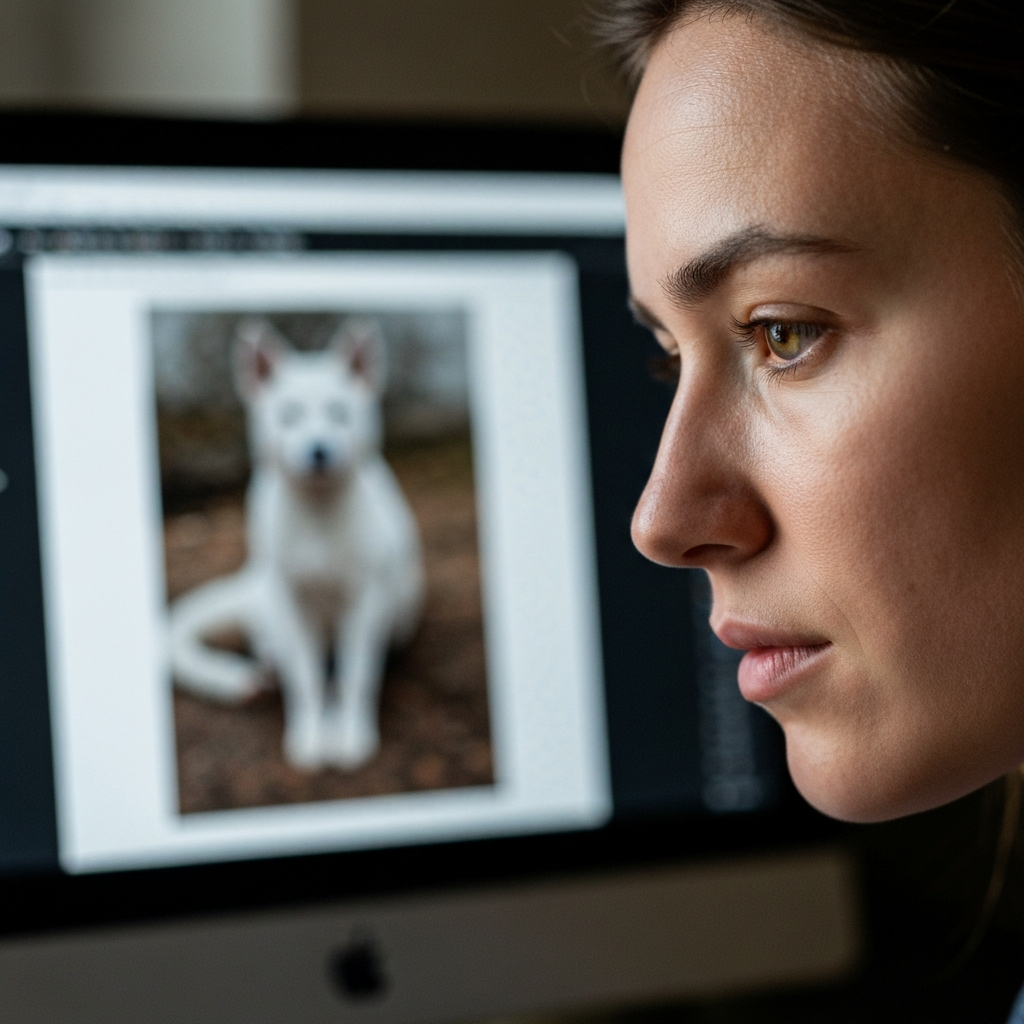
The foundation of any successful animal identification lies in keen observation. Pay close attention to every detail presented in the image. This includes the animal's size, shape, color, fur or skin texture, distinctive markings, and any visible anatomical features like horns, claws, or beaks. Also, note the animal’s apparent environment; is it in water, a forest, or a desert? This provides crucial contextual clues.
Step 2: Consider Common Characteristics
Once you've thoroughly observed the animal, start considering broader categories. Is it a mammal, bird, reptile, amphibian, fish, or invertebrate? These high-level classifications will significantly narrow down the possibilities. For example, if the animal has feathers, you know it's a bird. If it has fur and appears to nurse its young (though you can't see that in the photo!), it’s likely a mammal. Thinking systematically will help you avoid hasty guesses.

Step 3: Leverage Environmental Clues
The animal's habitat is an essential clue to its identity. Animals are adapted to thrive in specific environments. For instance, an animal pictured in a snowy environment is unlikely to be a tropical species. Similarly, a marine animal will possess characteristics suited for aquatic life. Consider the climate, geography, and vegetation surrounding the animal in the image, and cross-reference this with known animal distribution patterns.

Step 4: Use Anatomical Features to Differentiate
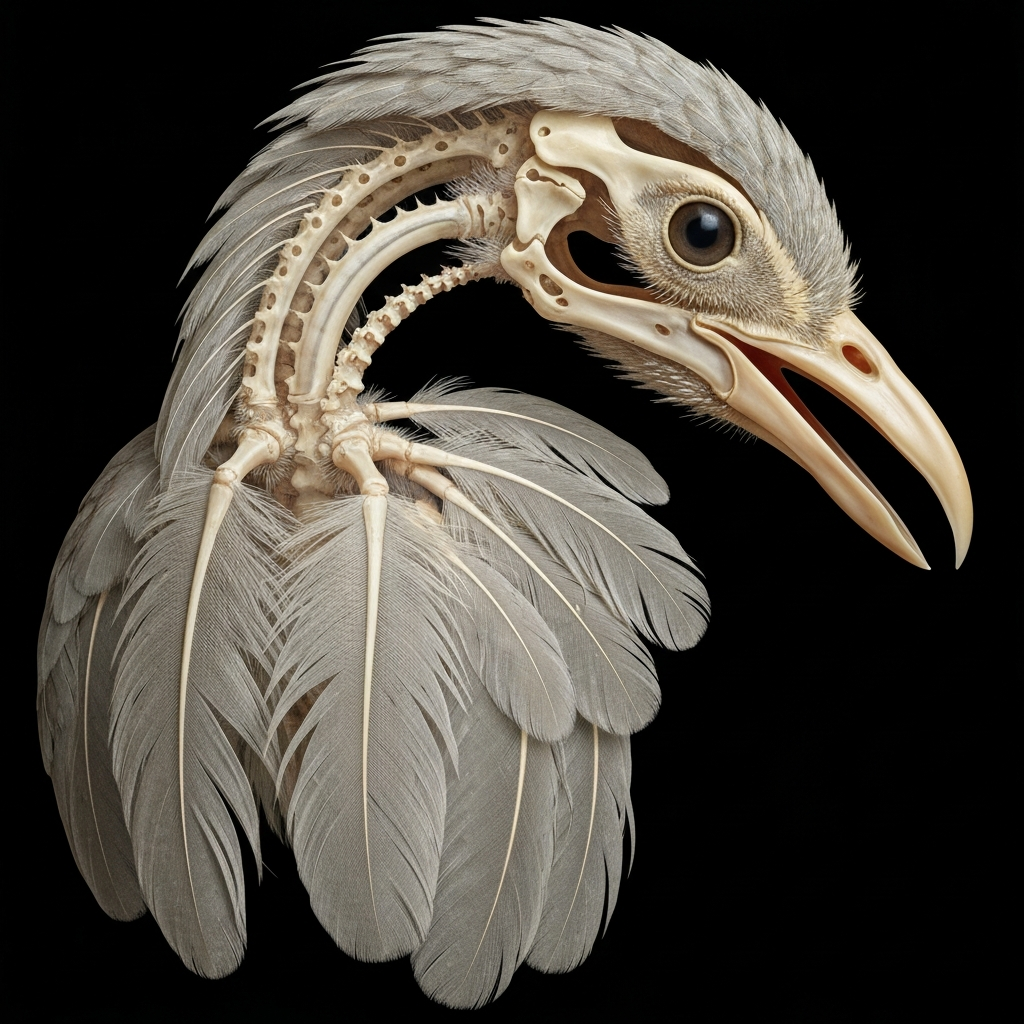
Animal identification quizzes often feature animals that are visually similar. In these cases, subtle anatomical differences become crucial. For instance, distinguishing between different species of deer relies on close examination of antler shape, size, and branching patterns. Similarly, bird identification often hinges on beak shape, leg length, and wing structure. Develop a working knowledge of basic animal anatomy to discern these subtle but significant differences.
Step 5: Be Wary of Common Look-alikes
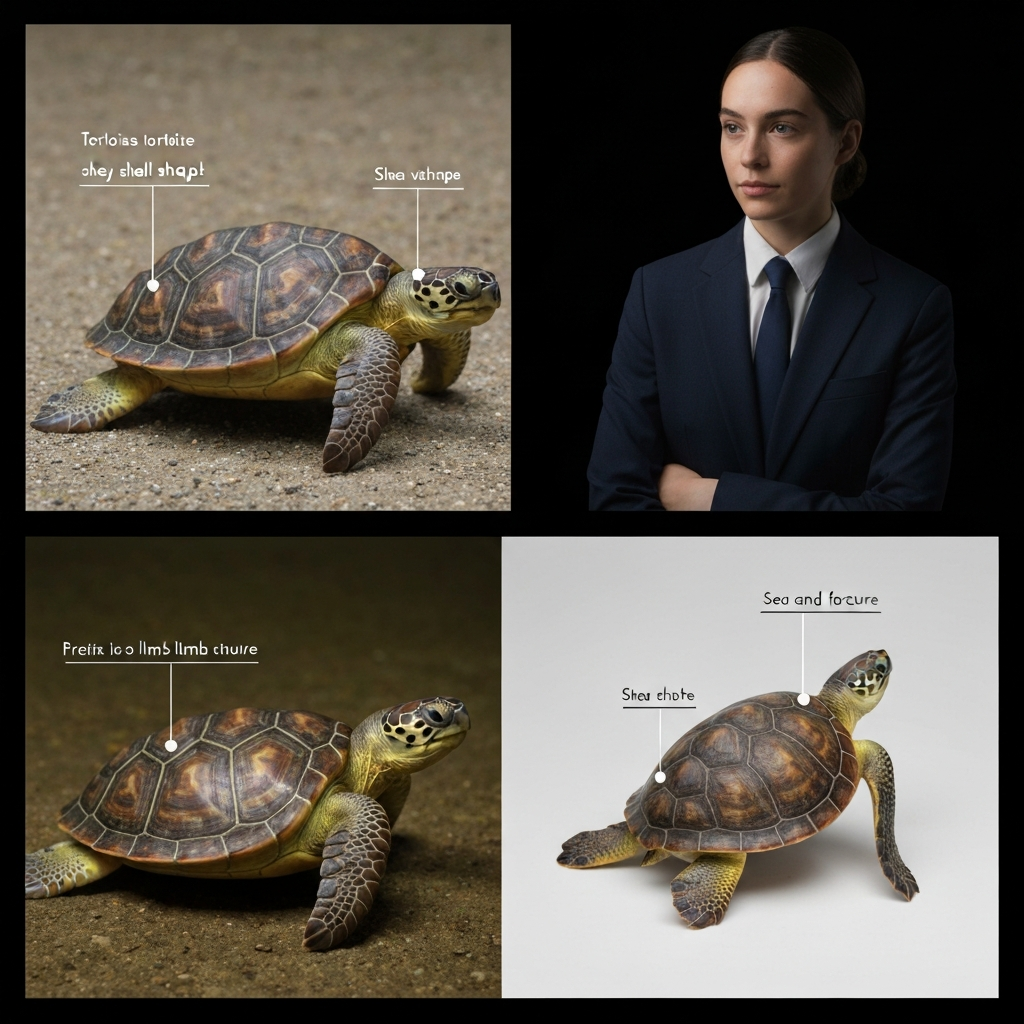
Many animals share similar appearances, which can lead to misidentification. For example, tortoises are often confused with sea turtles. Shrews are often mistaken for mice. Lynx, leopards and ligers are often confused with each other. Sunfish are often mistaken for sailfish. Familiarize yourself with these common look-alikes and learn to identify their distinguishing features. Study comparative images and descriptions to sharpen your ability to differentiate between them.
Common Mistakes to Avoid
- Rushing to Judgement: Take your time to carefully observe all aspects of the image.
- Overlooking Subtle Details: Small features often provide the key to accurate identification.
- Ignoring Environmental Context: The animal's habitat is a vital clue.
- Failing to Consider Similar Species: Be aware of common look-alikes.
- Guessing Without Evidence: Always base your answer on observed characteristics and knowledge.
Pro Tips
- Keep a field journal of animals you encounter.
- Watch nature documentaries and read wildlife books to expand your knowledge.
- Utilize online resources such as animal databases and identification guides.
- Practice regularly by taking "What Animal Is This?" quizzes and analyzing your mistakes.
FAQ Section
- Q: What if the image is blurry or of poor quality?
- A: Focus on any distinct features that are visible, and try to eliminate unlikely possibilities based on general characteristics and environmental context.
- Q: How can I improve my knowledge of animal habitats?
- A: Study world maps highlighting different biomes, and research the typical animal species found in each biome.
- Q: Where can I find reliable animal identification resources?
- A: National Geographic, the Audubon Society, and reputable zoological institutions offer reliable information and identification guides.
Conclusion
Mastering the "What Animal Is This?" quiz is achievable with dedicated practice and a systematic approach. By sharpening your observation skills, leveraging environmental clues, and familiarizing yourself with common look-alikes, you can significantly improve your accuracy and enjoyment of these engaging quizzes. Remember, continuous learning and curiosity are the keys to unlocking the wonders of the animal kingdom.