Having a pet is a wonderful experience. The unconditional love, companionship, and joy they bring into our lives are invaluable. However, with the privilege of pet ownership comes the responsibility of ensuring their well-being. Being a good pet owner isn't just about providing food and shelter; it's about understanding their needs, respecting their boundaries, and showering them with kindness.
This guide aims to provide you with a comprehensive understanding of how to be nice to your pets, covering various aspects from bonding and communication to healthcare and respecting their individual personalities. Remember, every pet is unique, and what works for one might not work for another. The key is to be observant, patient, and adaptable. Let's embark on this journey to become the best possible caregivers for our beloved companions.
From the wagging tails of dogs to the purring of cats and the chirping of birds, each pet communicates its needs in its own special way. Learning to interpret these signals is crucial for fostering a strong and happy relationship. This guide will empower you with the knowledge and tools to ensure your pet lives a fulfilling and joyful life.
Step 1: Bonding Through Playtime
Engage in Daily Play Sessions
Playtime is essential for your pet's physical and mental well-being. It's a fantastic way to strengthen your bond and provide them with the exercise they need. The type of play will vary depending on your pet's species and personality. For dogs, this could involve games like fetch, tug-of-war, or hide-and-seek. Cats often enjoy chasing laser pointers, playing with feather wands, or batting around toy mice. Rabbits, rodents, and other small animals benefit from supervised playtime outside of their cages, allowing them to explore and exercise.
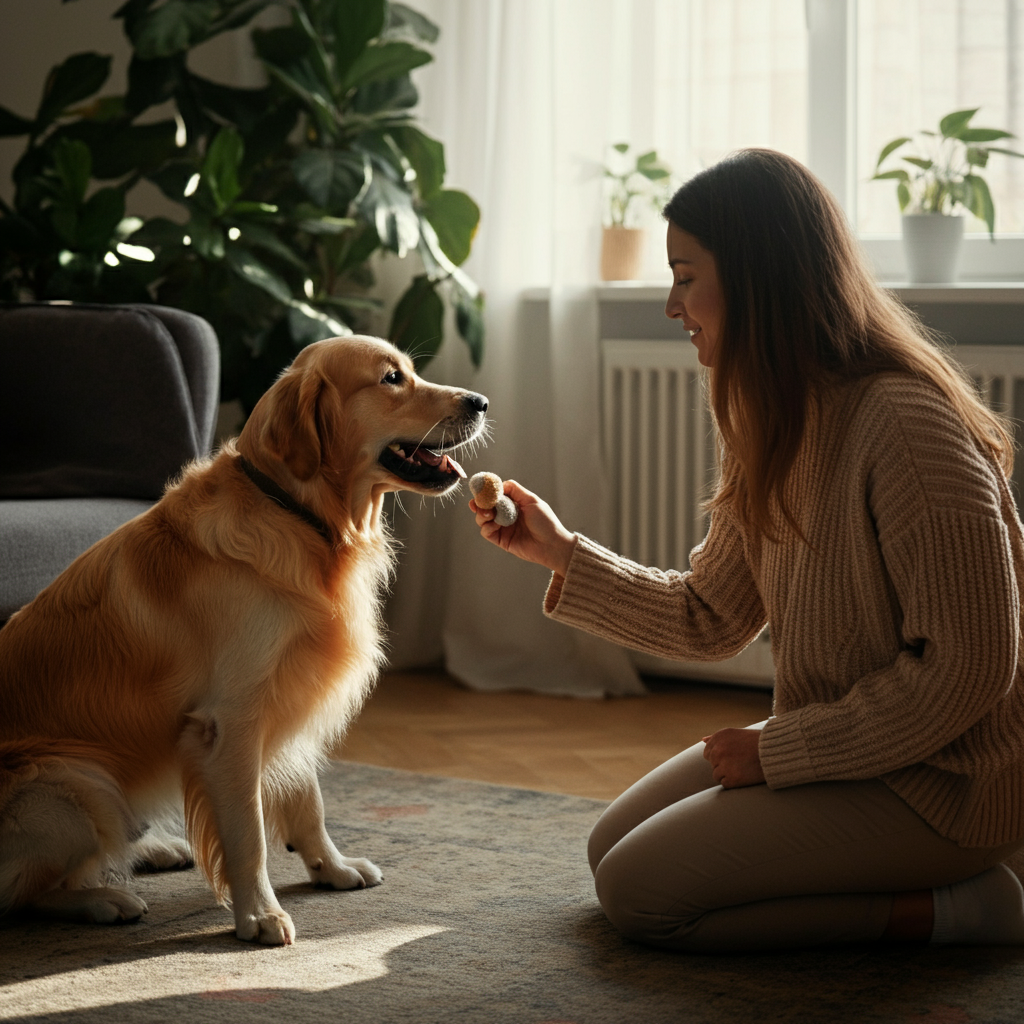
Step 2: Physical Affection and Positive Reinforcement
Scratch, Rub, and Praise
Physical touch, when done correctly, is a powerful way to show your pet affection. Learn where your pet enjoys being touched. Dogs often appreciate ear scratches and belly rubs, while cats might enjoy gentle head scratches and strokes along their back. However, be mindful of individual preferences. Some animals, like cats, may not enjoy having their belly or tail touched. Rabbits and other small furry creatures require a very gentle touch. Supplement physical affection with plenty of verbal praise. Use a happy and encouraging tone of voice to let your pet know they're loved and appreciated, especially when they exhibit positive behaviors.

Step 3: Respecting Personal Space
Understanding Boundaries
Every pet has their own personal boundaries and needs for space. It's important to respect these boundaries to avoid causing stress or anxiety. Learn to recognize the signs that your pet wants to be left alone. A dog that is turning its head away or showing the whites of its eyes may be uncomfortable. A cat that is flattening its ears or twitching its tail may be feeling agitated. Never force interactions or handle your pet roughly, as this can damage your relationship and even lead to defensive behaviors like biting or scratching.

Step 4: Creating a Stress-Free Environment
Maintaining Calm and Predictability
Pets thrive on routine and predictability. A stable and consistent environment helps them feel safe and secure. Try to stick to a regular schedule for feeding, playtime, and walks. Avoid making sudden changes to their environment, such as rearranging furniture or introducing new people or pets too quickly. Minimize loud noises and stressful situations. If you have multiple pets that don't get along, ensure they have separate spaces and avoid forcing them to interact. Taunting or teasing your pet is never acceptable and can lead to serious behavioral problems.

Step 5: Healthy Treats as Rewards
Moderation is Key
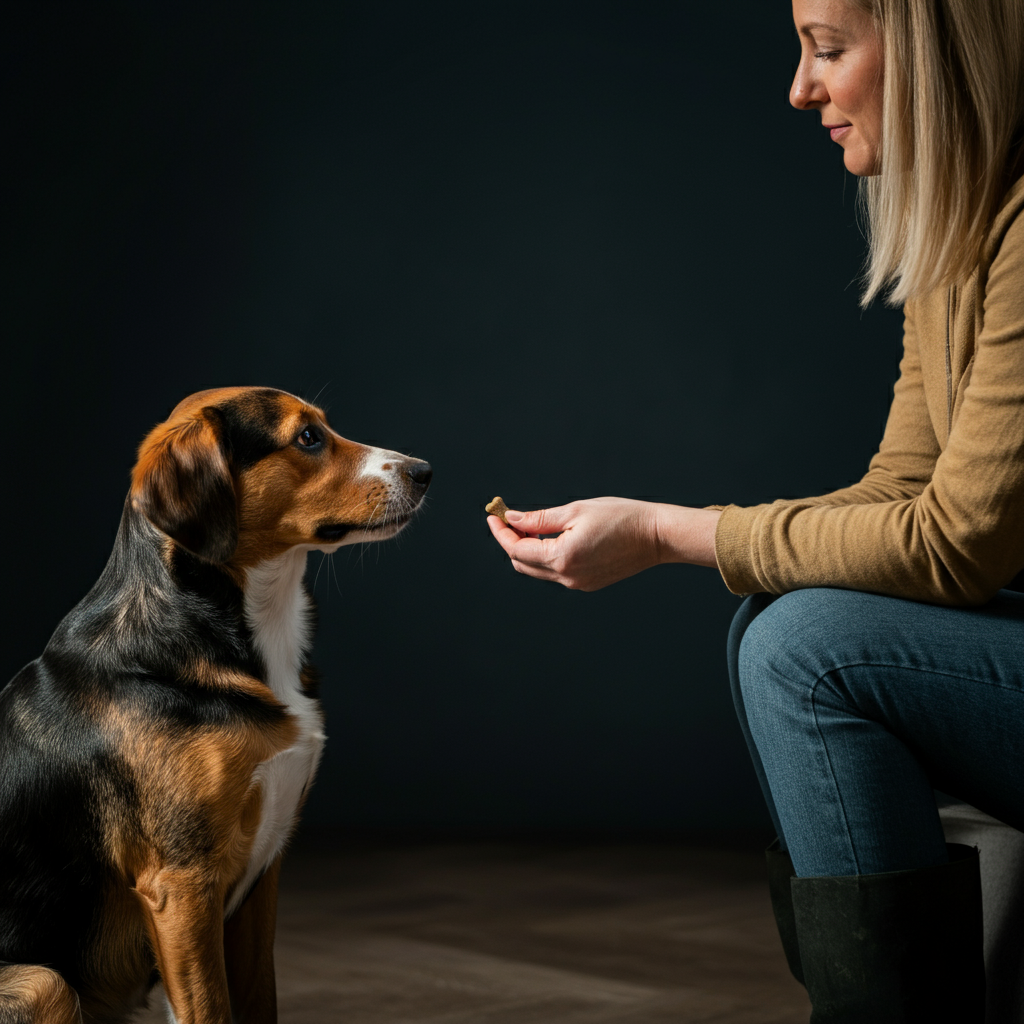
Treats can be a valuable tool for positive reinforcement and bonding with your pet. However, it's crucial to use treats in moderation to avoid weight gain and health problems. Treats should only make up a small percentage (less than 10%) of your pet's daily caloric intake. Choose healthy treats that are appropriate for your pet's species and age. Options like small slices of carrot or apple for dogs, or catnip for cats, can be good choices. Avoid giving your pet table scraps or processed human foods, as these can be harmful.
Step 6: Regular Veterinary Care
Preventative Healthcare
Regular veterinary care is essential for maintaining your pet's health and well-being. Schedule annual check-ups for your pet, and more frequent visits if they are older or have any underlying health conditions. Ensure your pet is up-to-date on all necessary vaccinations and preventative medications, such as flea and tick control. Early detection of health problems can significantly improve your pet's quality of life and longevity. Don't hesitate to contact your veterinarian if you notice any changes in your pet's behavior, appetite, or physical condition.

Step 7: Proper Nutrition and Exercise
A Balanced Lifestyle
Just like humans, pets need a balanced diet and regular exercise to stay healthy and happy. Feed your pet a high-quality food that is appropriate for their species, age, and activity level. Measure their food carefully to avoid overfeeding. Provide your pet with plenty of opportunities for exercise, whether it's walks for dogs, playtime for cats, or supervised exploration for small animals. Exercise helps to maintain a healthy weight, strengthens muscles and bones, and provides mental stimulation.

Step 8: Grooming and Hygiene
Maintaining a Clean Pet
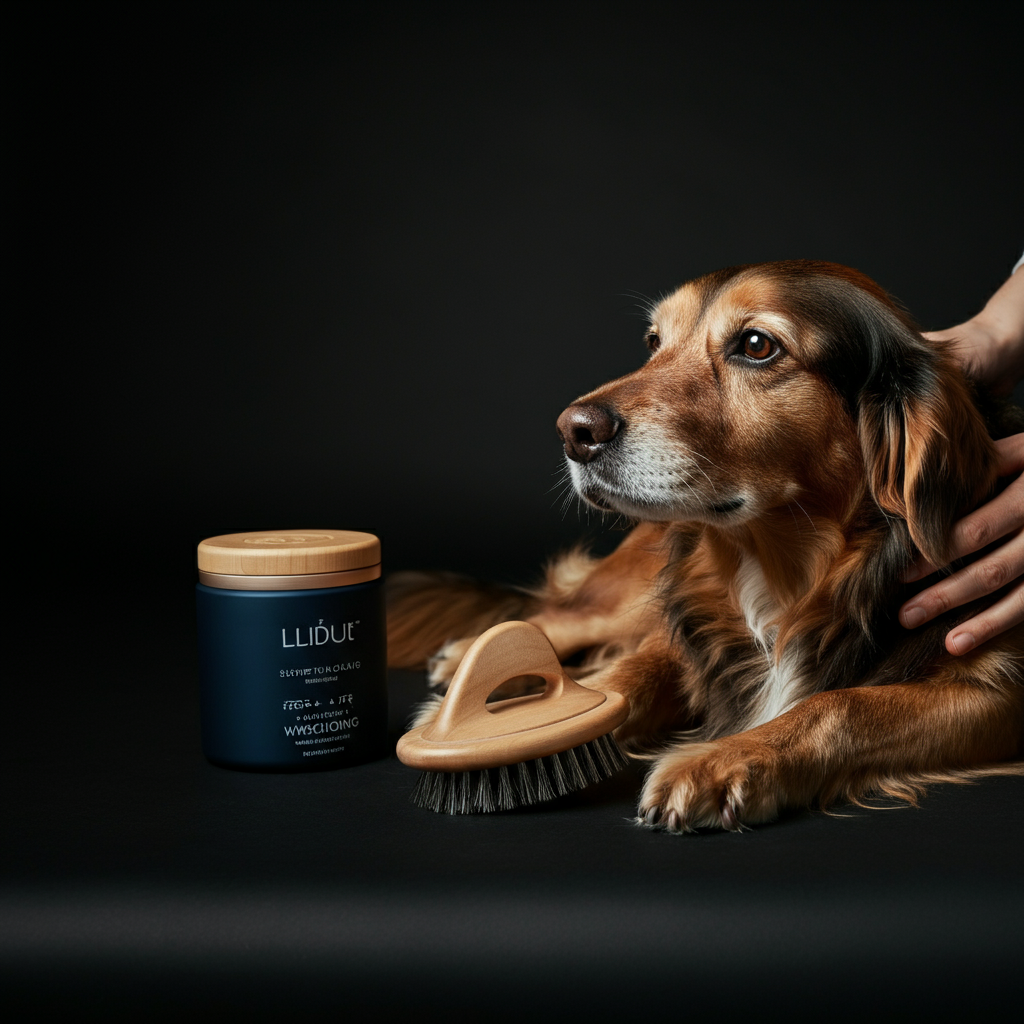
Regular grooming is an important part of being a responsible pet owner. Brush your furry friend regularly to prevent mats and tangles, and to help distribute natural oils throughout their coat. The frequency of bathing will depend on your pet's species and lifestyle. Dogs generally need baths every few weeks, while cats are typically self-grooming and rarely require bathing unless they get into something messy. Don't forget about dental hygiene! Brush your pet's teeth regularly with a pet-safe toothpaste to prevent dental disease.
Safety Considerations
- Always supervise children when they are interacting with pets.
- Keep potentially harmful substances, such as cleaning supplies and medications, out of reach of your pet.
- Ensure your pet has access to fresh water at all times.
- Provide a safe and comfortable shelter for your pet, especially if they spend time outdoors.
- Be aware of potential hazards in your environment, such as poisonous plants or unsecured fences.
Common Mistakes to Avoid
- Ignoring your pet's signals of stress or discomfort.
- Punishing your pet physically or verbally.
- Overfeeding your pet or giving them unhealthy treats.
- Neglecting your pet's grooming or hygiene needs.
- Failing to provide your pet with adequate exercise and mental stimulation.
FAQ Section
- How often should I take my pet to the vet?
- Annual check-ups are recommended for most pets. If your pet is older or has a long-term illness, they may need to see the vet more often.
- What are some signs that my pet is stressed?
- Signs of stress can vary depending on the species, but may include changes in behavior, excessive panting, trembling, hiding, or aggression.
- How much exercise does my pet need?
- The amount of exercise your pet needs depends on their species, age, breed, and overall health. Consult with your veterinarian for specific recommendations.
- What is the best way to train my pet?
- Positive reinforcement techniques, such as rewarding good behavior with treats and praise, are generally the most effective way to train pets.
Conclusion
Being a good pet owner requires dedication, patience, and a genuine love for animals. By understanding your pet's needs, respecting their boundaries, and providing them with proper care, you can build a strong and loving bond that will enrich both of your lives. Remember, every pet is an individual, so be observant, adaptable, and always strive to provide them with the best possible life. The rewards of being a responsible and compassionate pet owner are immeasurable. So go ahead, give your furry, feathered, or scaled friend an extra cuddle and let them know how much they mean to you!