The world of fruit cultivation extends far beyond the common apples and bananas found in every supermarket. A growing segment of enthusiasts and horticulturalists are turning their attention to niche fruit varieties, those lesser-known, often challenging-to-grow fruits that offer unique flavors, textures, and nutritional profiles. Cultivating these fruits requires specialized knowledge, patience, and a willingness to experiment, but the rewards – both culinary and horticultural – can be substantial. This guide will provide a comprehensive overview of the techniques and considerations involved in successfully growing niche fruits.
Whether you're a seasoned gardener looking for a new challenge or a curious beginner eager to explore the diverse world of fruit, this guide will equip you with the essential knowledge to embark on your own niche fruit cultivation journey. We'll cover everything from selecting the right varieties and preparing the soil to managing pests and diseases and harvesting your bounty. Success in this field hinges on understanding the specific needs of each fruit and adapting your techniques accordingly.
This is not a one-size-fits-all endeavor. Be prepared to research, observe, and adjust your approach based on your local climate, soil conditions, and the specific requirements of the fruit you choose to grow. The following steps will provide a solid foundation for your journey.
Step 1: Selecting Your Niche Fruit
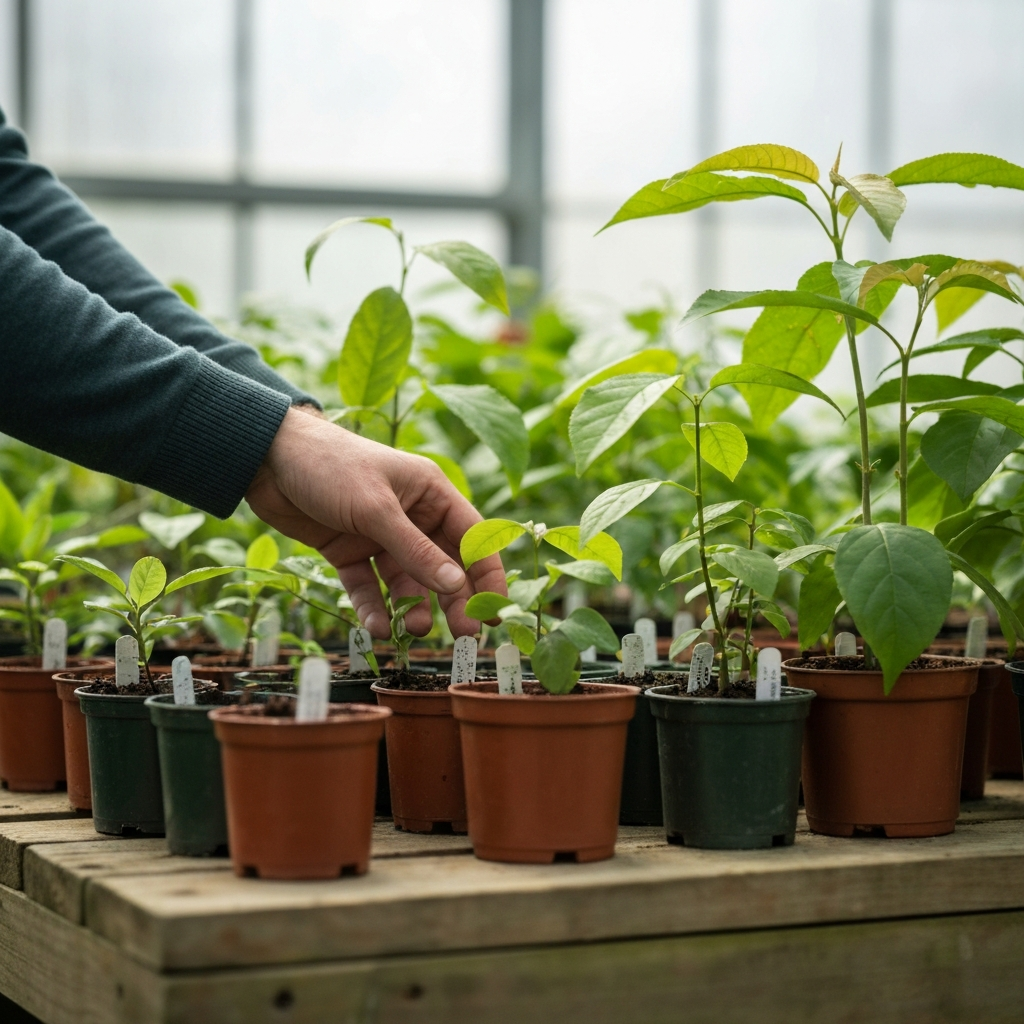
The first step is choosing which niche fruit you want to cultivate. This decision should be based on a combination of factors, including your personal preferences, the suitability of your climate, and the availability of resources. Consider fruits like lychee, passionfruit, starfruit, or even less common berries like elderberries or aronia berries. Research the hardiness zones of each fruit and compare them to your local climate. Also, think about the space you have available; some niche fruits require significant room to grow.
Don't underestimate the importance of sourcing high-quality seeds or saplings from reputable nurseries. A healthy start is crucial for long-term success. Finally, consider the pollination requirements of your chosen fruit. Some fruits are self-pollinating, while others require cross-pollination with another variety. This will influence the number and types of plants you need to acquire.
Step 2: Preparing the Soil
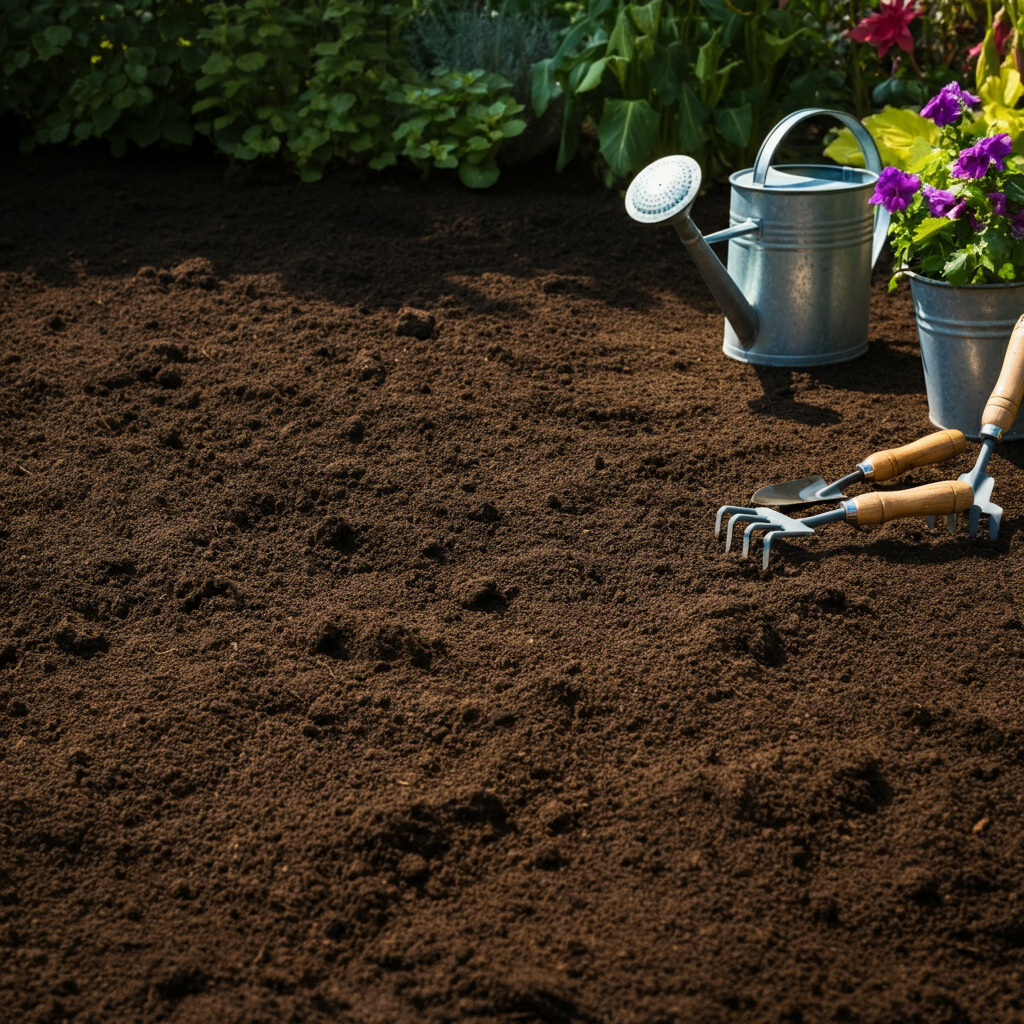
Proper soil preparation is critical for the success of any fruit crop, but it's especially important for niche fruits, which often have specific soil requirements. Conduct a soil test to determine the pH level, nutrient content, and drainage capabilities of your soil. Most fruits prefer slightly acidic soil (pH 6.0-6.5), but some may have different preferences. Amend the soil with organic matter, such as compost or well-rotted manure, to improve drainage, aeration, and nutrient retention. If your soil is heavy clay, consider adding sand or perlite to improve drainage. If it is sandy, add organic matter to help retain moisture.
Pay close attention to drainage. Niche fruits are often more susceptible to root rot than common fruits. Ensure that the soil is well-draining and that there is no standing water. Raised beds or mounds can be helpful in areas with poor drainage. Consider the specific needs of your chosen fruit. For example, blueberries require highly acidic soil, while figs prefer slightly alkaline soil. Adjust the soil pH accordingly using amendments such as sulfur or lime.
Step 3: Planting and Initial Care
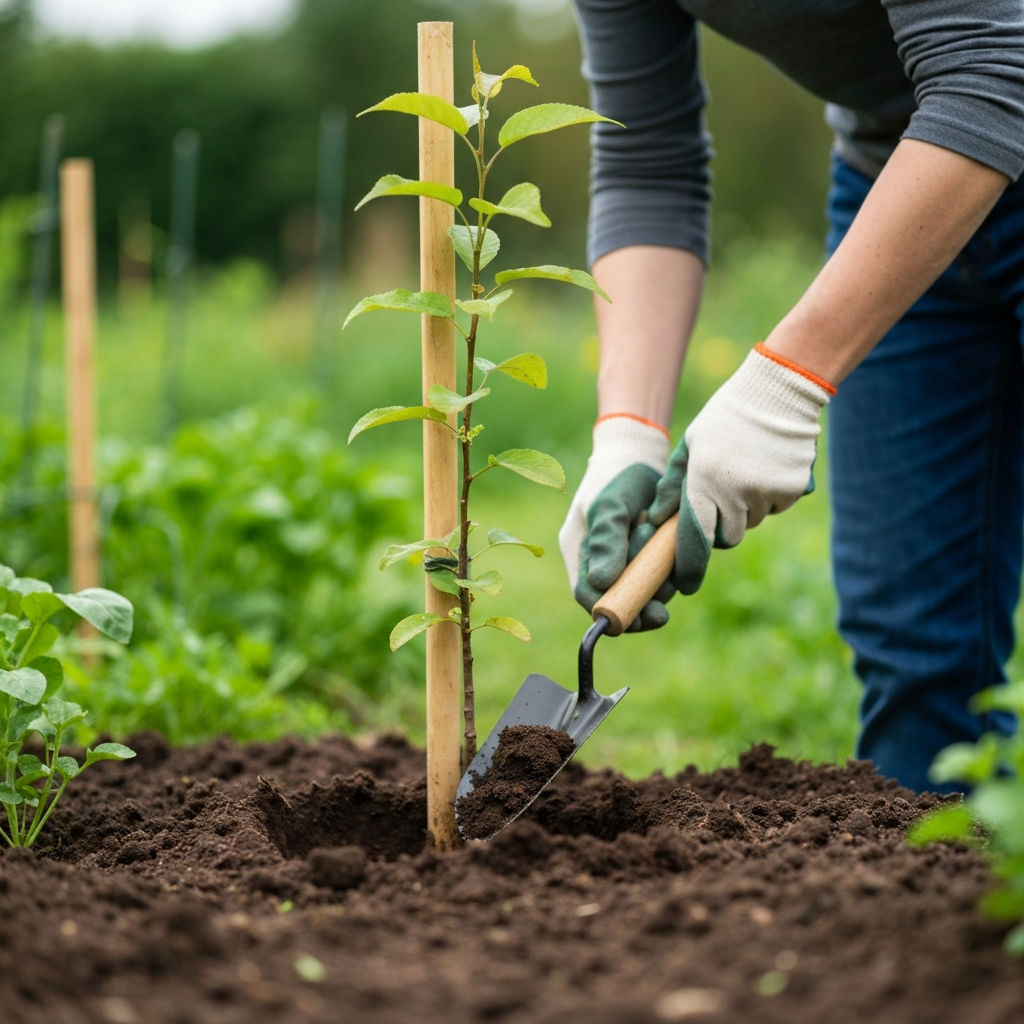
Planting your niche fruit saplings or seeds at the correct time of year is crucial. Research the optimal planting time for your chosen fruit in your specific climate. Generally, spring or fall are the best times to plant, as the weather is milder and there is less stress on the plants. Dig a hole that is twice as wide as the root ball and just as deep. Gently remove the plant from its container and loosen the roots before placing it in the hole. Backfill the hole with soil and gently tamp it down to remove any air pockets. Water the plant thoroughly after planting.
Mulching around the base of the plant with organic matter, such as wood chips or straw, helps to retain moisture, suppress weeds, and regulate soil temperature. Protect young plants from extreme weather conditions, such as frost or intense sunlight. Use row covers or shade cloth as needed. Regularly monitor the plants for signs of pests or diseases and take appropriate action. Prune the plants as needed to encourage proper growth and fruiting. Different niche fruits require vastly different approaches to pruning.
Step 4: Providing Ongoing Care
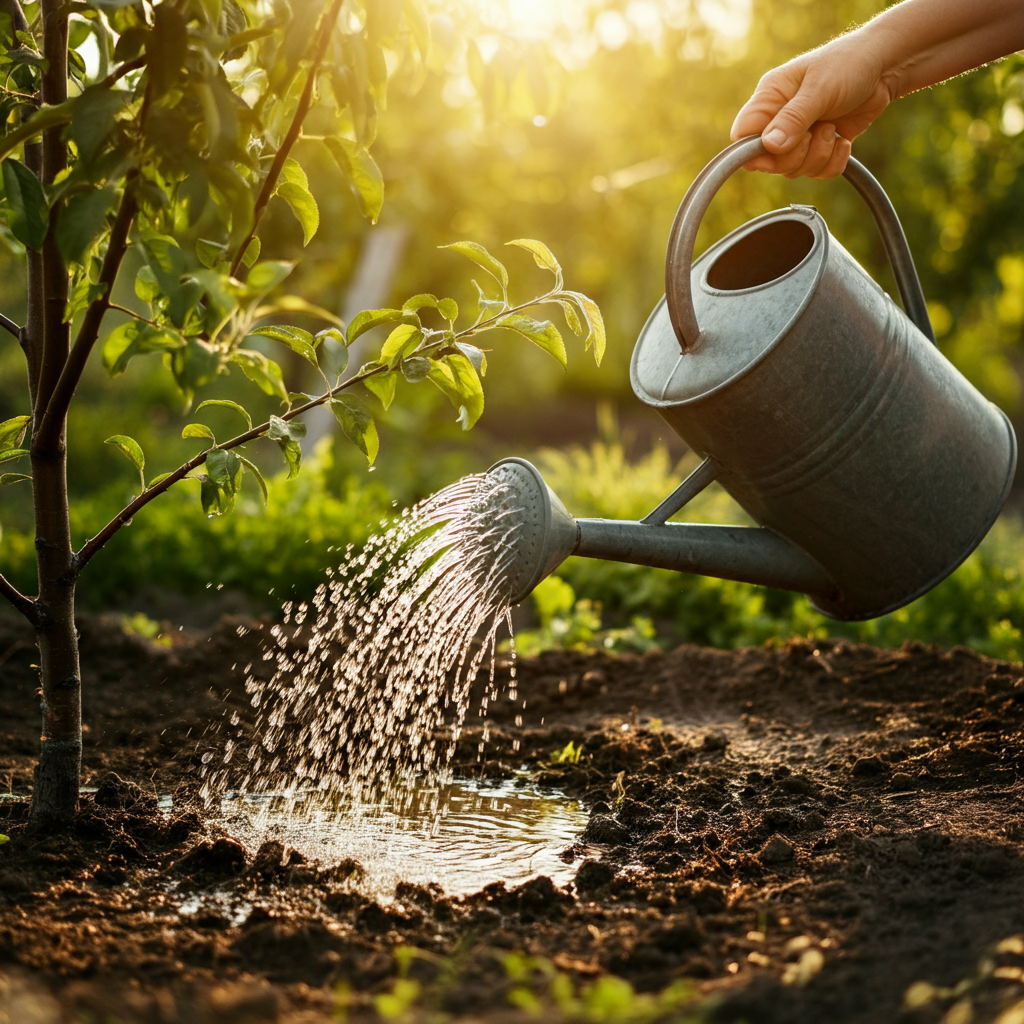
Once your niche fruit plants are established, it's important to provide ongoing care to ensure their health and productivity. Regularly water the plants, especially during dry periods. The frequency and amount of watering will depend on the specific fruit and the climate. Fertilize the plants regularly with a balanced fertilizer, following the manufacturer's instructions. Monitor the plants for pests and diseases and take appropriate action. Prune the plants annually to remove dead or damaged wood and to maintain their shape and size.
Consider using organic pest control methods, such as introducing beneficial insects or applying neem oil, to minimize the use of harmful chemicals. Protect the plants from frost or other extreme weather conditions. Depending on the fruit, you might need to net the trees to prevent birds or other animals from eating the fruit. Support heavy branches to prevent them from breaking under the weight of the fruit. Regular soil testing will help you monitor pH and nutrient levels so you can adjust your feeding and soil amendment regime accordingly.
Step 5: Harvesting and Enjoying Your Fruit
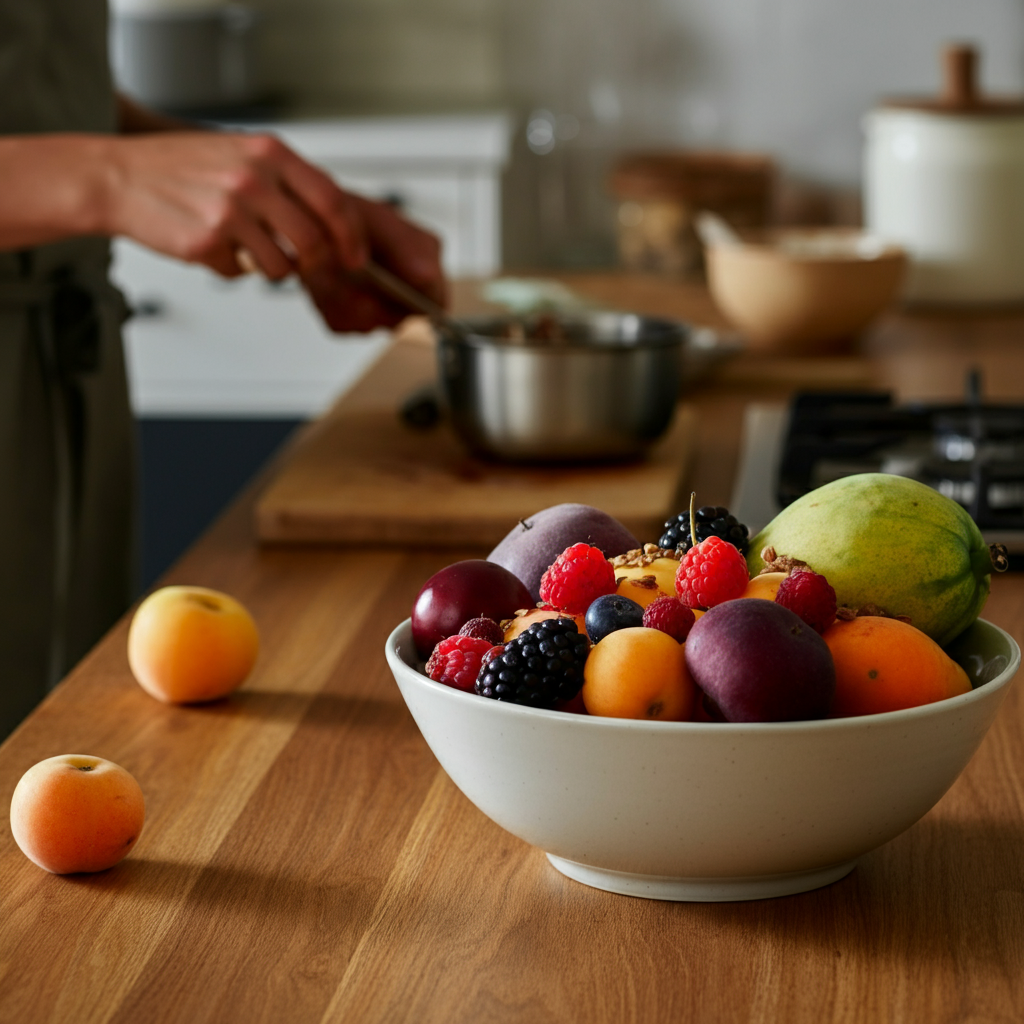
Knowing when to harvest your niche fruit is crucial for maximizing flavor and quality. Each fruit has its own unique signs of ripeness. Research the specific indicators of ripeness for your chosen fruit, such as changes in color, texture, or aroma. Harvest the fruit carefully to avoid bruising or damage. Store the fruit properly to prolong its shelf life. Many niche fruits are best enjoyed fresh, but they can also be used in jams, jellies, pies, and other desserts.
Don't be afraid to experiment with different recipes and culinary uses for your niche fruit. Share your harvest with friends and neighbors and spread the word about the unique flavors and benefits of these lesser-known fruits. Consider preserving excess fruit through canning, drying, or freezing. Finally, document your experiences and learn from your mistakes. Each growing season is an opportunity to refine your techniques and improve your yields.
Tools or Materials Required
* Seeds or saplings of your chosen niche fruit * Soil testing kit * Organic matter (compost, manure) * Fertilizer * Mulch * Gardening tools (trowel, shovel, pruners) * Watering can or hose * Pest control products (organic options preferred) * Row covers or shade cloth (optional) * Nets (optional, for bird protection) * Soil pH amendment (sulfur or lime) as indicated by soil testsCommon Mistakes to Avoid
* Choosing a fruit that is not suited to your climate. * Neglecting soil preparation. * Overwatering or underwatering. * Improper pruning. * Ignoring pest and disease problems. * Harvesting the fruit too early or too late. * Using the wrong soil ph for your selection.Safety Considerations
* Wear appropriate protective gear when handling pesticides or fertilizers. * Be careful when using sharp gardening tools. * Avoid planting thorny or prickly fruits near walkways or play areas. * Be aware of potential allergens associated with certain fruits.FAQ Section
Q: How long does it take for niche fruits to bear fruit?
A: The time it takes for niche fruits to bear fruit varies depending on the species, variety, and growing conditions. Some fruits, such as strawberries and raspberries, may bear fruit in their first year, while others, such as figs and citrus, may take several years to mature.
Q: Can I grow niche fruits in containers?
A: Yes, many niche fruits can be successfully grown in containers, especially dwarf or compact varieties. Choose a container that is large enough to accommodate the root system and use a well-draining potting mix. Water and fertilize regularly, and provide adequate sunlight.
Q: How do I protect my niche fruits from frost?
A: There are several ways to protect niche fruits from frost, including covering the plants with row covers or blankets, wrapping the trunks of trees with burlap, and using frost-protection sprinklers. Choose the method that is most appropriate for your climate and the type of fruit you are growing.
Conclusion
Cultivating niche fruit varieties is a rewarding and enriching experience that connects you to the natural world and provides you with unique and delicious food. While it requires dedication and specialized knowledge, the steps outlined in this guide will give you a firm footing. Remember to research your chosen fruits, adapt your approach, and never be afraid to experiment. With patience and persistence, you can enjoy the fruits of your labor for years to come.