So, your child loves netball and dreams of playing at a higher level? Making a representative netball team is a fantastic goal, but it requires dedication, skill development, and a strategic approach. This guide provides a comprehensive roadmap, from building a solid foundation to shining at tryouts and understanding what selectors are looking for.
This isn't just about being naturally talented; it's about consistent effort, smart training, and demonstrating the right attitude both on and off the court. We'll break down the process into manageable steps, offering practical advice and insider tips to give your child the best possible chance of success. Remember, the journey is just as important as the destination; this is about fostering a love for the game and developing valuable life skills.
We'll cover everything from physical conditioning and skill development to mental preparation and navigating the tryout process. Get ready to embark on this exciting netball adventure!
Step 1: Building a Strong Netball Foundation
Mastering the Fundamentals
Before even considering representative level, your child needs a solid understanding of the game's fundamentals. This includes passing, catching, shooting, footwork, and basic defensive strategies. Focus on accuracy and consistency rather than flashy moves. Are they confidently executing chest passes, bounce passes, and overhead passes under pressure? Can they consistently land shots from various positions within the shooting circle? A strong foundation is non-negotiable.
Practical details: Enrol in a local netball club, attend skills clinics, and practice regularly. Consider a netball camp during the school holidays to accelerate skill development. Common Mistakes to Avoid: Neglecting basic skills in favor of advanced techniques. Remember, even elite players constantly refine their fundamentals.
Step 2: Physical Conditioning for Netball Excellence
Developing Strength, Speed, and Stamina
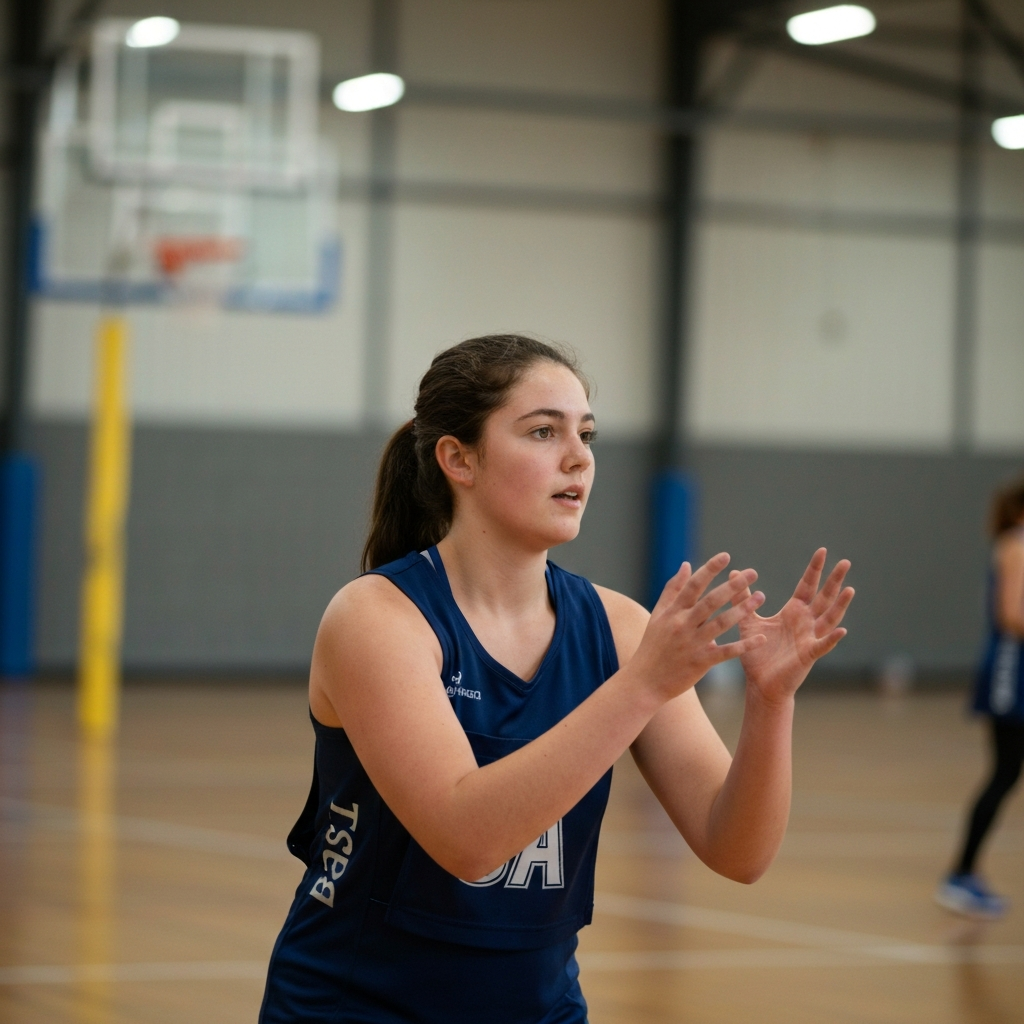
Netball demands a high level of physical fitness. Players need strength for jumping, passing, and defending; speed for intercepting and driving to the ball; and stamina to maintain performance throughout the game. Focus on exercises that mimic netball movements. This means incorporating plyometrics (jump training), agility drills, and interval running into their training regime.
Practical details: Incorporate age-appropriate strength training exercises, such as squats, lunges, and push-ups. Agility ladder drills can improve footwork and coordination. Interval running, like sprint-rest intervals, builds cardiovascular endurance. Safety Considerations: Ensure proper warm-up and cool-down routines to prevent injuries. Work with a qualified trainer to develop a safe and effective training plan.

Step 3: Netball-Specific Skill Enhancement
Honing Position-Specific Skills
Once the fundamental and physical bases are set, focus on developing skills specific to their preferred position(s). A shooter should concentrate on shooting drills, a defender on intercepting and marking, and a mid-court player on passing and court awareness. Understanding the nuances of each position is crucial. Work on shooting under pressure, defending against different types of attackers, and creating attacking opportunities in the mid-court.
Practical details: Find position-specific drills online or ask their coach for personalized training exercises. Record their training sessions and analyze their performance to identify areas for improvement. Pro Tip: Watch professional netball games and study how elite players execute position-specific skills.

Step 4: Mental Toughness and Game Awareness
Developing a Winning Mindset
Netball is as much a mental game as it is a physical one. Developing mental toughness, resilience, and game awareness are crucial for success. Encourage your child to stay positive, focused, and calm under pressure. They should be able to bounce back from mistakes, maintain their composure during close games, and make smart decisions on the court. Game awareness includes understanding game strategies, reading opponents, and anticipating plays.
Practical details: Practice visualization techniques to mentally rehearse game situations. Encourage positive self-talk to build confidence. Debrief after each game to analyze their performance and identify areas for improvement. Consider sports psychology coaching to develop mental skills.

Step 5: Mastering Netball Rules and Strategy
Knowing the Game Inside and Out
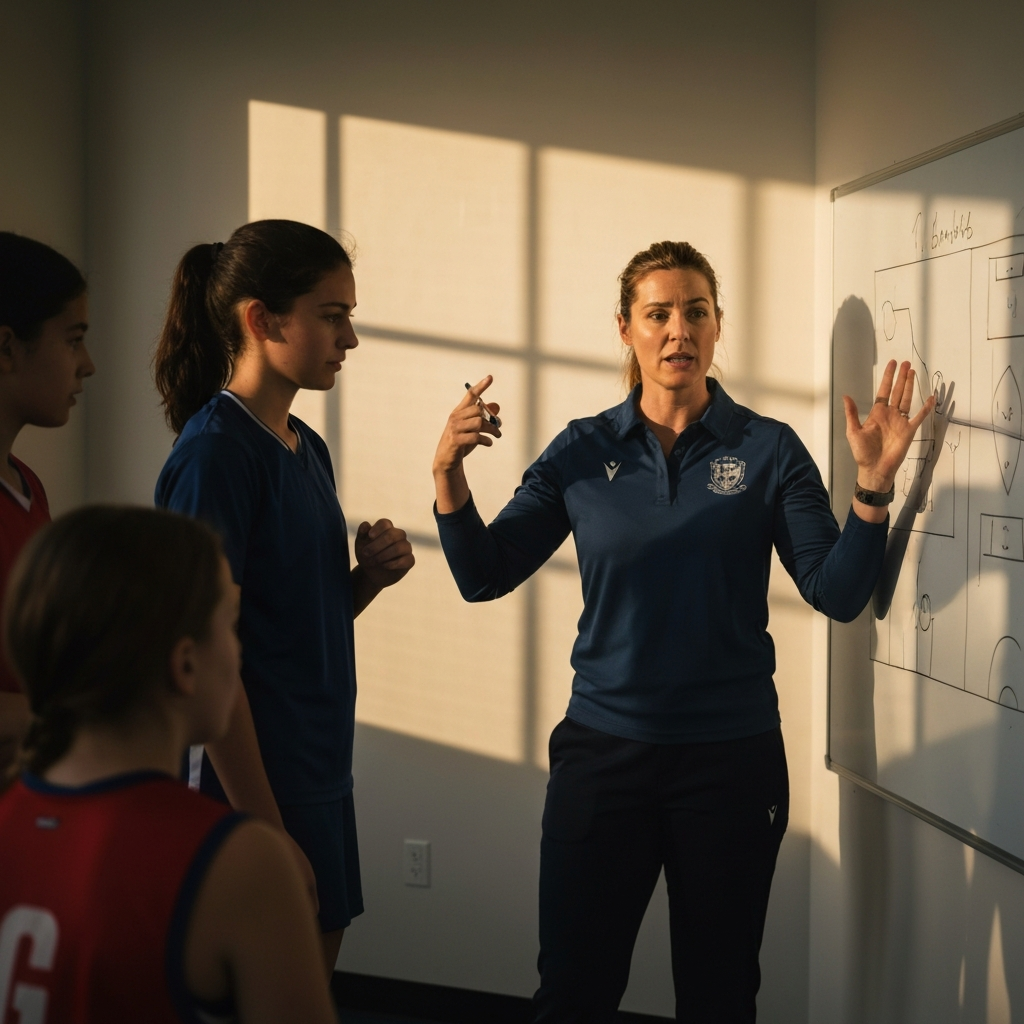
A deep understanding of netball rules and strategy is essential for making smart decisions on the court. Your child should know the rules inside and out, including interpretations and common violations. They should also understand different game strategies, such as zone defense, set plays, and tactical substitutions. Watch games together and discuss the strategic decisions made by the coaches and players.
Practical details: Review the netball rule book regularly. Discuss game strategies with their coach and teammates. Analyze professional netball games to identify different tactical approaches.
Step 6: The Tryout Process: Preparation and Performance
Shining When It Counts
The tryout is your child's opportunity to showcase their skills and potential. Proper preparation is key. Arrive early, dressed in appropriate netball attire. Be polite, respectful, and enthusiastic. Listen carefully to the instructions and follow them to the best of your ability. Demonstrate a positive attitude, even if things don't go perfectly. Focus on showcasing your strengths and playing to your potential.
Practical details: Practice the skills that are likely to be assessed during the tryout, such as passing, shooting, defending, and footwork. Get a good night's sleep before the tryout. Bring plenty of water and a healthy snack. Remember to smile and have fun!
Step 7: Understanding Selection Criteria
What Selectors Look For
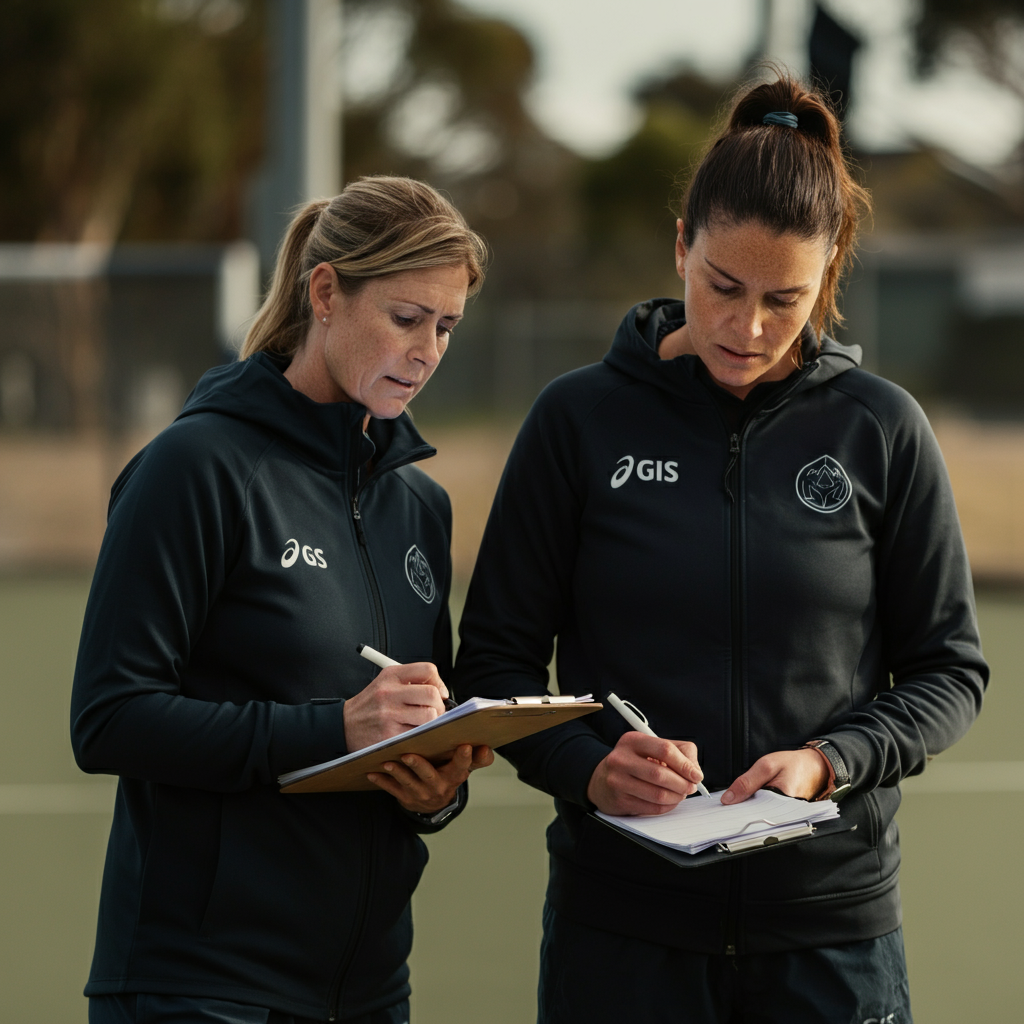
Selectors are looking for more than just skilled players. They are also assessing attitude, coachability, teamwork, and potential. Demonstrate a positive attitude, listen attentively to instructions, and work well with others. Show that you are willing to learn and improve. Highlight your strengths, but also acknowledge your weaknesses and show that you are working to address them. Selectors are looking for players who will be a valuable asset to the team, both on and off the court.
Practical details: Do your research. If possible, find out what selection criteria are being used. Common Mistakes to Avoid: Being arrogant or dismissive. Selectors value humility and a willingness to learn.
Step 8: Feedback and Continued Development
Learning and Growing from the Experience
Whether your child makes the team or not, the tryout process is a valuable learning experience. If they are selected, congratulations! This is an opportunity to further develop their skills and compete at a higher level. If they are not selected, don't be discouraged. Ask for feedback from the selectors and use it to identify areas for improvement. Continue to work hard, stay positive, and pursue their netball goals.
Practical details: Ask the selectors for specific feedback on their performance. Use this feedback to create a plan for continued development. Continue to practice regularly, attend skills clinics, and seek out opportunities to improve their game.
FAQ Section
Q: What age is appropriate to try out for a representative team?
A: This varies depending on the league and organization. Generally, representative teams start around the Under 12 level, but some may have younger age groups. Focus on foundational skills first.
Q: How much practice is enough?
A: Consistency is key. Aim for at least 3-4 practices per week, combining team training with individual skill work.
Q: What if my child is nervous during tryouts?
A: Nervousness is normal! Encourage them to focus on their strengths, take deep breaths, and remember that the selectors want them to succeed. Preparing well can also boost their confidence.
Conclusion
Making a representative netball team is a challenging but rewarding goal. By focusing on building a strong foundation, developing physical and mental toughness, and mastering the rules and strategies of the game, your child can significantly increase their chances of success. Remember that the journey is just as important as the destination, and the skills and values they develop along the way will serve them well in all aspects of life. Good luck!