The question of whether flexing builds muscle is a common one, especially among those new to fitness or looking for alternative training methods. We see bodybuilders flexing on stage, showcasing impressive physiques, but is that all there is to it? Does simply contracting your muscles lead to significant muscle growth? The answer, while not a simple yes or no, leans heavily towards the latter. While flexing offers some benefits, it's essential to understand its limitations and how it compares to traditional resistance training.
Flexing falls under the umbrella of isometric exercises, where muscles are engaged without changing length. While isometric exercises do have a role to play in overall fitness, their impact on muscle hypertrophy (growth) is relatively small compared to dynamic movements involving lengthening and shortening of muscle fibers. Think of flexing as a supplemental activity rather than a primary muscle-building strategy. Let’s delve into the science behind flexing and explore how you can use it effectively (or not) in your pursuit of a stronger physique.
This guide will break down the truth about flexing and muscle growth, outlining the benefits it *does* offer, and the best approaches for those serious about building significant muscle mass.
1. Understanding Isometric Contractions
What is Isometric Flexing?
Isometric flexing involves contracting a muscle without any visible movement of the joint it controls. Imagine squeezing your bicep as hard as you can, but not bending your elbow. That's an isometric contraction. While this type of exercise can increase strength at the specific joint angle where the muscle is contracted, its impact on overall muscle size is limited. Flexing, in essence, is a voluntary isometric contraction of a muscle or muscle group. A key factor is the absence of change in the muscle length during contraction.

2. The Limited Hypertrophic Effect of Flexing
Why Flexing Alone Isn't Enough
While flexing *can* contribute to muscle growth, it's significantly less effective than resistance training (like weightlifting) or bodyweight exercises. Studies suggest that consistent flexing can lead to a small increase in muscle size – around 4% in some cases – but this is a far cry from the gains achievable with traditional methods. The reason lies in the mechanism of muscle growth. Resistance training causes microscopic tears in muscle fibers, which the body then repairs, leading to hypertrophy. Flexing doesn't create the same level of muscle damage, and therefore, the growth response is minimal. As personal trainer Jesse Pichardo notes, relying solely on flexing won't lead to any appreciable strength gains.
3. Benefits of Incorporating Flexing
Where Flexing Shines
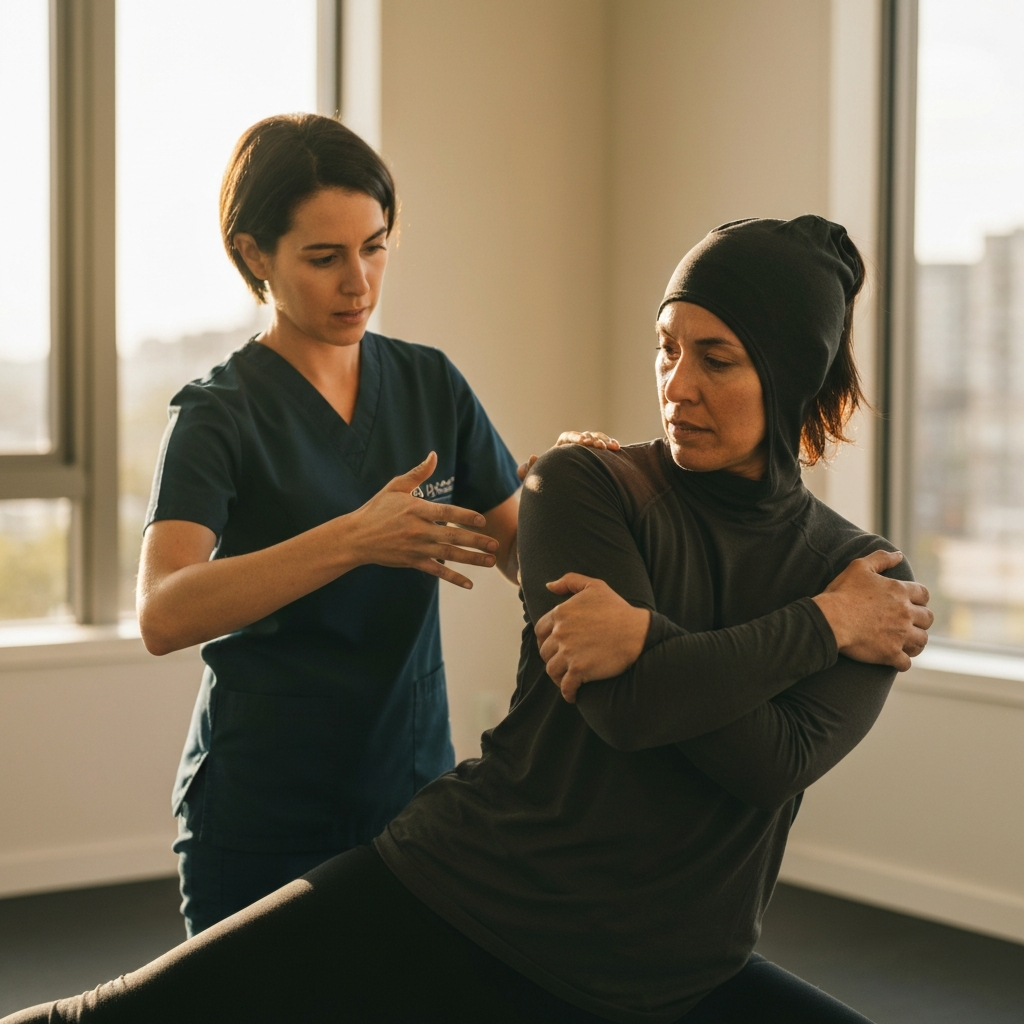
Despite its limitations as a primary muscle-building tool, flexing does offer some benefits. It can help improve muscle stability, enhance mind-muscle connection, and aid in maintaining existing muscle mass. Furthermore, flexing can be a useful tool for rehabilitation after an injury, as it allows you to engage muscles without putting excessive stress on joints. Isometric exercises like flexing also have potential benefits for individuals with high blood pressure, as they don't elevate heart rate as much as other forms of exercise. Flexing can be a valuable supplement to your training regimen, but not a replacement for it.
4. Integrating Flexing into Your Workout
Practical Applications of Flexing
If you want to incorporate flexing into your routine, focus on using it to improve your mind-muscle connection and enhance muscle control. For example, between sets of bicep curls, flex your biceps hard to consciously engage the muscle fibers. This can improve muscle activation during your next set. Flexing can also be used as a form of active recovery, helping to circulate blood and reduce muscle soreness. Experiment with different flexing techniques, such as holding the contraction for varying durations or performing slow, controlled flexes.

5. Effective Isometric Exercises Beyond Simple Flexing
Planks, Wall Sits, and More
While directly flexing individual muscles offers limited benefit, other isometric exercises can be much more effective. Planks engage core muscles, wall sits target legs and glutes, and dead hangs strengthen arms and shoulders. These exercises involve sustained isometric contractions of multiple muscle groups, leading to greater overall strength and stability. Incorporating these exercises into your routine will provide a more comprehensive isometric workout compared to simply flexing individual muscles. Remember, consistency is key to seeing results.

6. The Superiority of Resistance Training
Weightlifting, Bodyweight Exercises, and Muscle Growth
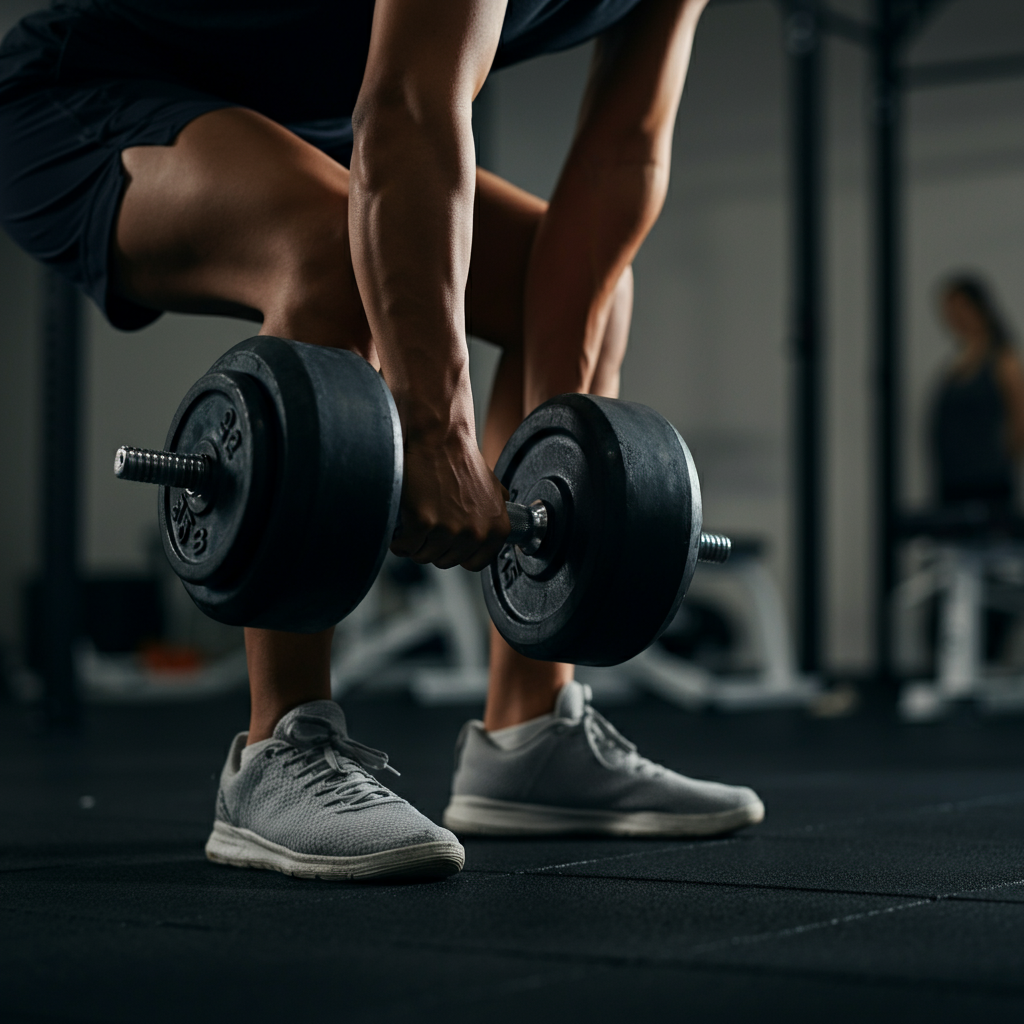
To build significant muscle mass, resistance training is essential. Weightlifting, bodyweight exercises, and resistance band training all provide the necessary overload to stimulate muscle growth. The key is to progressively increase the challenge over time, either by increasing the weight, repetitions, or sets. Resistance training causes microscopic tears in the muscle fibers, which the body then repairs, leading to hypertrophy (muscle growth). Focus on compound exercises like squats, deadlifts, bench presses, and overhead presses, as these engage multiple muscle groups simultaneously and provide the greatest stimulus for muscle growth.

7. Nutrition and Recovery for Muscle Growth
Fueling Your Body for Success
Muscle growth is not solely dependent on exercise; nutrition and recovery play crucial roles. Ensure you are consuming enough protein to support muscle repair and growth. Aim for roughly 0.8 grams of protein per pound of bodyweight. Additionally, prioritize complex carbohydrates for energy and healthy fats for hormone production. Adequate sleep is also essential, as muscle repair and growth primarily occur during rest. Personal trainer Alphonso White emphasizes the importance of getting 7-8 hours of sleep each night for optimal muscle recovery.Proper nutrition, hydration, and rest are as critical as the workouts themselves.

8. Consulting a Professional
When to Seek Expert Guidance
If you're serious about building muscle and unsure where to start, consider consulting a personal trainer or registered dietitian. A professional can assess your current fitness level, goals, and dietary habits, and create a personalized plan tailored to your needs. They can also provide guidance on proper exercise technique, nutrition, and recovery strategies. A personal trainer can help you avoid common mistakes and maximize your results, ensuring you train safely and effectively. This is particularly important for beginners or those with pre-existing injuries.

Common Mistakes to Avoid
- Relying solely on flexing for muscle growth.
- Neglecting proper nutrition and recovery.
- Using improper form during resistance training.
- Overtraining without adequate rest.
- Not tracking progress and adjusting your plan accordingly.
FAQ Section
- Q: Can flexing help with muscle definition?
- A: Yes, flexing can temporarily enhance muscle definition by increasing muscle tone. However, it doesn't build muscle mass, which is essential for long-term definition.
- Q: Is flexing beneficial for injury rehabilitation?
- A: Yes, isometric exercises like flexing can be helpful for rehabilitation, as they allow you to engage muscles without stressing joints. Consult with a physical therapist for guidance.
- Q: How long does it take to see results from resistance training?
- A: Most people start to see noticeable results after about 8 weeks of consistent resistance training. However, individual results may vary depending on factors like genetics, diet, and training intensity.
Conclusion
In conclusion, while flexing is not a primary muscle-building activity, it can be a beneficial supplement to your training regimen. It can improve muscle stability, enhance mind-muscle connection, and aid in maintaining existing muscle mass. However, to achieve significant muscle growth, resistance training is essential. Focus on progressive overload, proper nutrition, and adequate rest to maximize your results. Remember, consistency and a well-rounded approach are key to building a stronger and more muscular physique.