Smash is a dynamic and engaging two-player game designed to enhance hitting and catching skills. It combines elements of tennis, football (soccer), and reflexes training, making it a versatile activity for all ages. This guide will provide you with a step-by-step approach to playing Smash, ensuring a fun and effective learning experience. Proper technique and awareness are crucial for maximizing enjoyment and minimizing risks.
Whether you're a beginner looking for a new outdoor game or an experienced athlete seeking to refine your hand-eye coordination, Smash offers something for everyone. The game's adaptability allows for modifications to suit different skill levels and environments. This guide will cover the basic rules, essential tips, and safety considerations to help you become a proficient Smash player.
Get ready to dive into the exciting world of Smash! With a few simple pieces of equipment and a willing partner, you'll be smashing, catching, and strategizing your way to victory in no time. Let's get started!
Step 1: Setting Up the Field
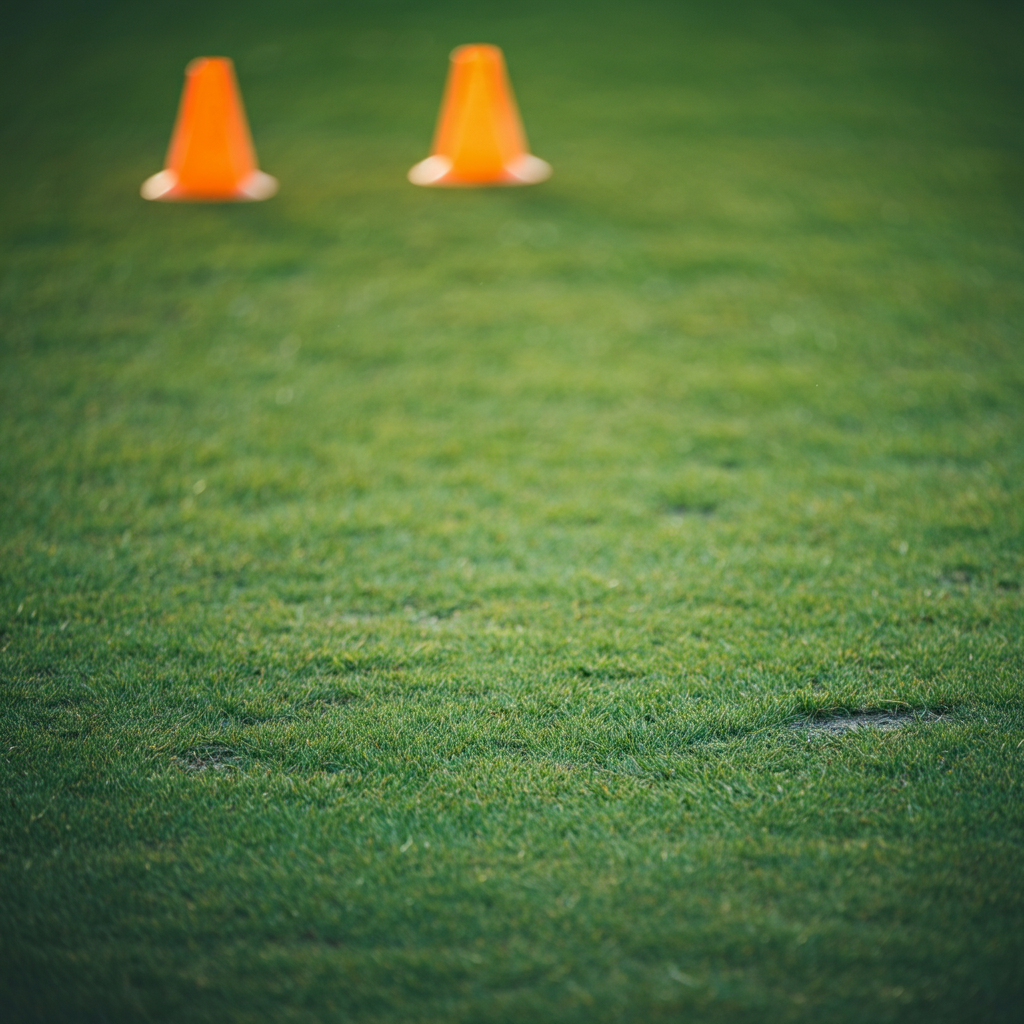
The first step is to create the playing field. Utilize the four standard cones to form a "football-style" goal at each end of your playing area. The distance between the goals can be adjusted based on the players' skill level and the available space. A wider field requires more running and harder hits, while a narrower field emphasizes quick reflexes and close-range shots. Ensure the goals are symmetrical for fair gameplay.
Step 2: Designating Roles: Goalkeeper and Scorer
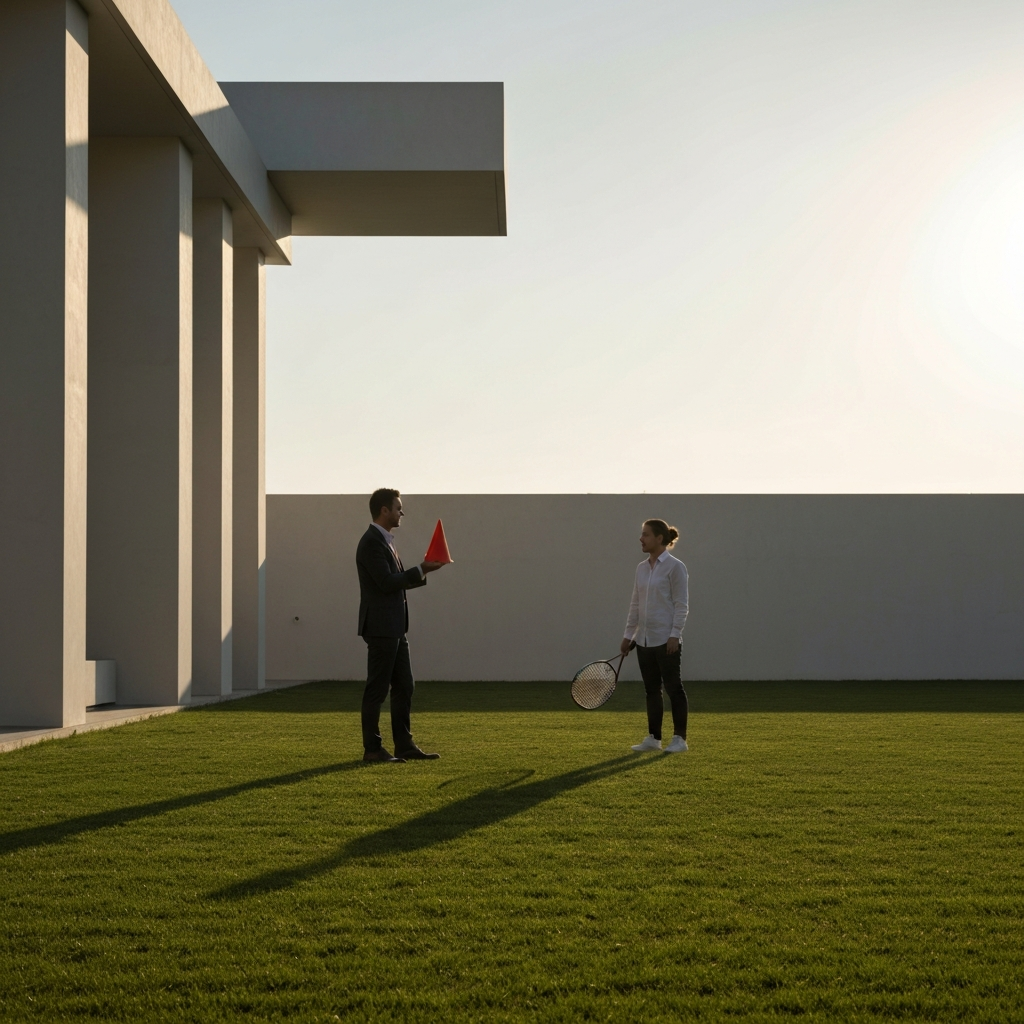
Before starting the game, decide who will be the Goalkeeper and who will be the Scorer. Initially, it’s often best to alternate roles after a set number of points or a specific time interval. This allows both players to develop skills in hitting and catching. The Goalkeeper's primary responsibility is to defend the goal, while the Scorer aims to strike the ball past the Goalkeeper.
Step 3: Goalkeeper's Gear and Positioning
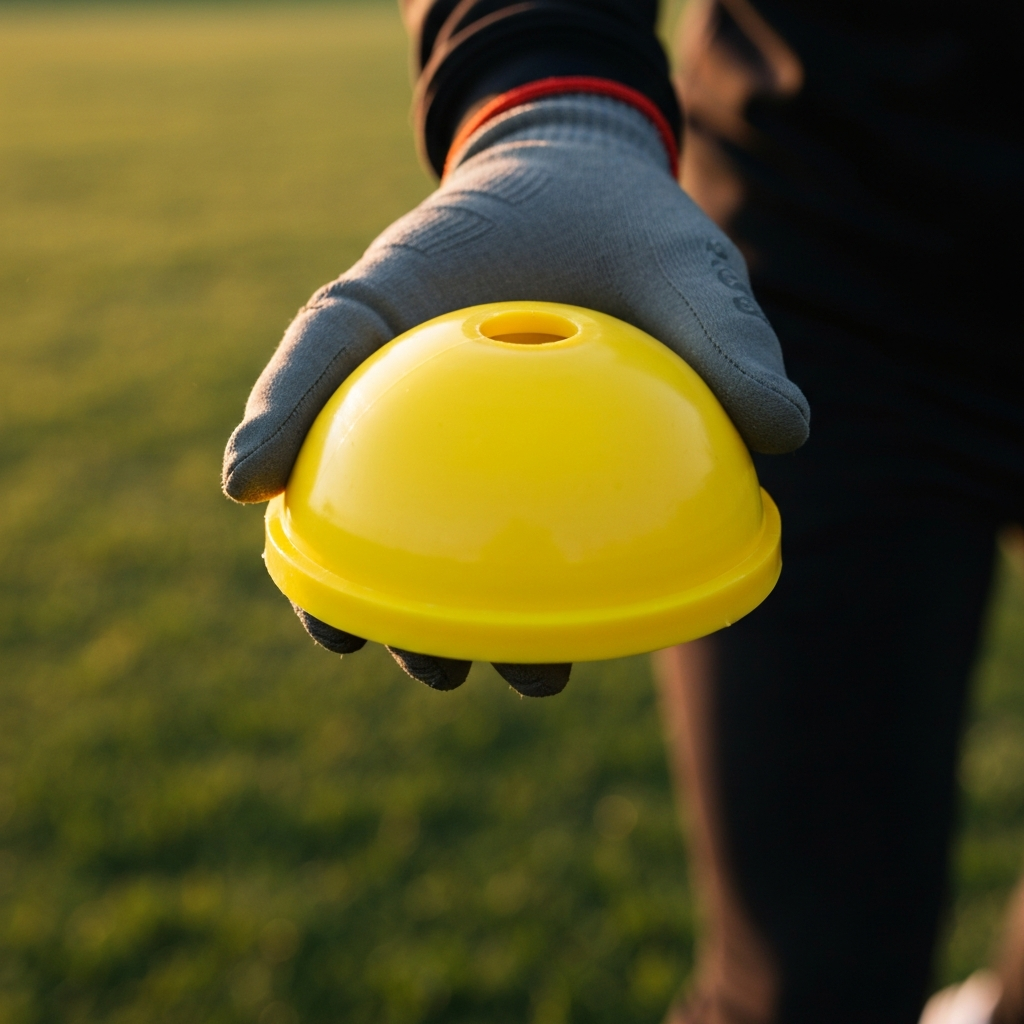
The Goalkeeper uses the dome-shaped cones as catching mitts. These provide a larger surface area for intercepting the ball. Gloves can be worn for added protection and grip. The Goalkeeper should position themselves centrally in front of their goal, ready to react to incoming shots. Remember, the dome cones are for catching and redirecting the ball – think of them as extensions of your hands.
Step 4: Initiating Play: The Serve and the Smash
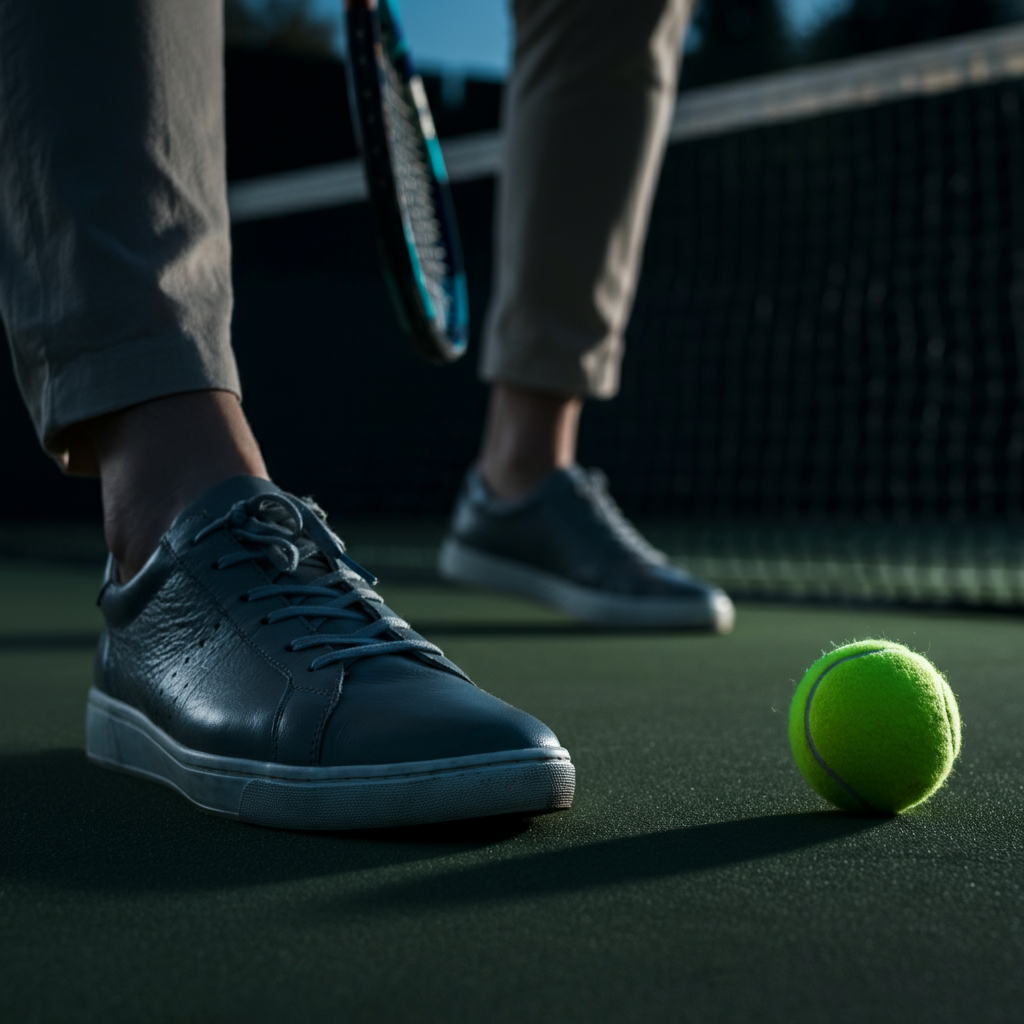
To begin each round, the Goalkeeper gently tosses the soft tennis ball into the air. The Scorer then uses the tennis racket to hit the ball forcefully towards the goal. The key is to aim strategically, trying to outsmart the Goalkeeper and find gaps in their defense. Varying the height, speed, and angle of your shots can make it more challenging for the Goalkeeper to anticipate your moves.

Step 5: Rules of Engagement: Catching and Kicking
The Goalkeeper can catch the ball using the dome cones or kick it away to prevent a score. Kicking can be a useful defensive tactic, especially when the ball is low to the ground or difficult to catch cleanly. Emphasize controlled kicks to redirect the ball away from the goal rather than wildly kicking it back into play. Consider the trajectory after a kick, as it may still leave the goal vulnerable.
Step 6: Scoring a Goal: The Defining Moment
For a goal to be valid, the Scorer must hit the ball between the cones marking the goalposts. Anything that goes *over* the Goalkeeper, regardless of whether it's between the cones, does NOT count as a goal. This rule encourages strategic shots that are both accurate and challenging to intercept. Emphasize precision over sheer power when aiming for the goal.
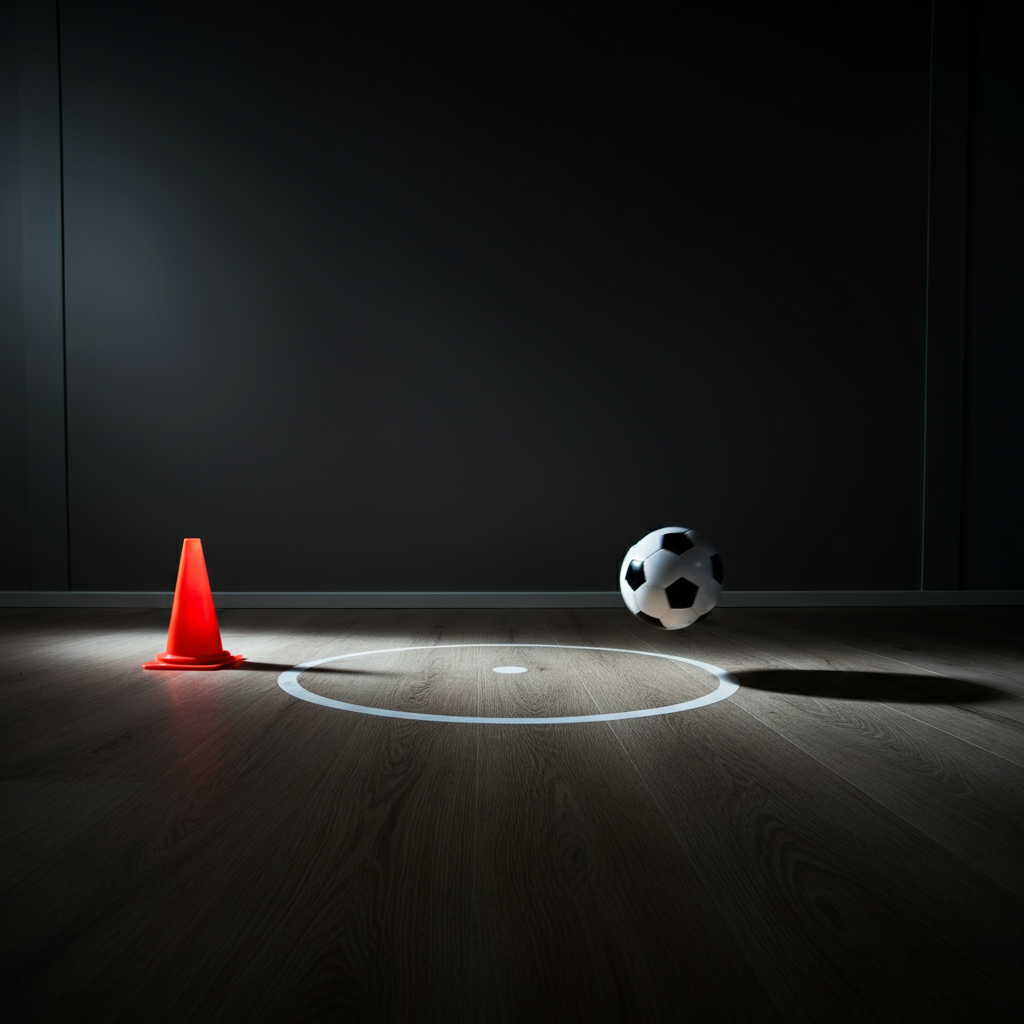
Tools or Materials Required
- 8 Cones (4 standard, 4 dome-shaped)
- 2 Tennis Rackets
- 1 Soft Tennis Ball
- Gloves (optional, for the Goalkeeper)
Common Mistakes to Avoid
- Inconsistent Field Setup: Ensure the goals are symmetrical and the distance is appropriate for the players' skill level.
- Poor Goalkeeper Positioning: The Goalkeeper should remain centered and ready to react.
- Over-reliance on Power: Emphasize strategic shots over simply hitting the ball as hard as possible.
- Ignoring Safety: Be mindful of your surroundings and other players to avoid collisions.
Safety Considerations
- Ensure there is ample clear space around the playing area to avoid collisions with obstacles or other people.
- Use a soft tennis ball to minimize the risk of injury.
- Warm up before playing to prevent muscle strains or other injuries.
- Be mindful of your surroundings and other players to avoid collisions.
Pro Tips
- Keeper Smash: The Goalkeeper can use the domed cones to smash the ball towards the net, creating an offensive opportunity.
- Vary your Shots: Change the height, speed, and angle of your shots to keep the Goalkeeper guessing.
- Communicate: Coordinate with your partner to develop strategies and improve your teamwork.
FAQ Section
Q: Can I use a regular tennis ball?
A: It is recommended to use a soft tennis ball to minimize the risk of injury.
Q: How do I make the game more challenging?
A: Increase the distance between the goals, use smaller dome cones for catching, or limit the Goalkeeper's movement.
Q: What if the ball hits the cone and then goes in?
A: As long as the ball passes between the cones marking the goal, it counts as a goal.
Conclusion
Smash is a fantastic game for developing hitting and catching skills, enhancing hand-eye coordination, and promoting physical activity. By following this guide, you'll be well-equipped to enjoy countless hours of fun and engaging gameplay. Remember to prioritize safety, adapt the rules to suit your skill level, and most importantly, have fun! With practice and strategic thinking, you can master the art of Smash and become a true champion.