Staying fit doesn't always require a gym membership or expensive equipment. With a little creativity, you can transform ordinary household items into effective exercise tools. This guide explores how to leverage common objects to build strength, improve cardiovascular health, and enhance overall well-being. Embrace the convenience and affordability of exercising at home with this innovative approach.
The beauty of this method lies in its adaptability. You can adjust the intensity and difficulty of each exercise by modifying the weight or resistance provided by the item. This allows you to gradually progress as you get stronger. Remember to listen to your body and prioritize proper form over speed or repetitions. Safety is paramount, so avoid using items that are unstable or could cause injury.
This guide will provide step-by-step instructions on how to utilize various everyday objects in your fitness routine. Get ready to discover the potential of your home as your personal gym!
-
Step 1: Director's Chair Arm Exercises
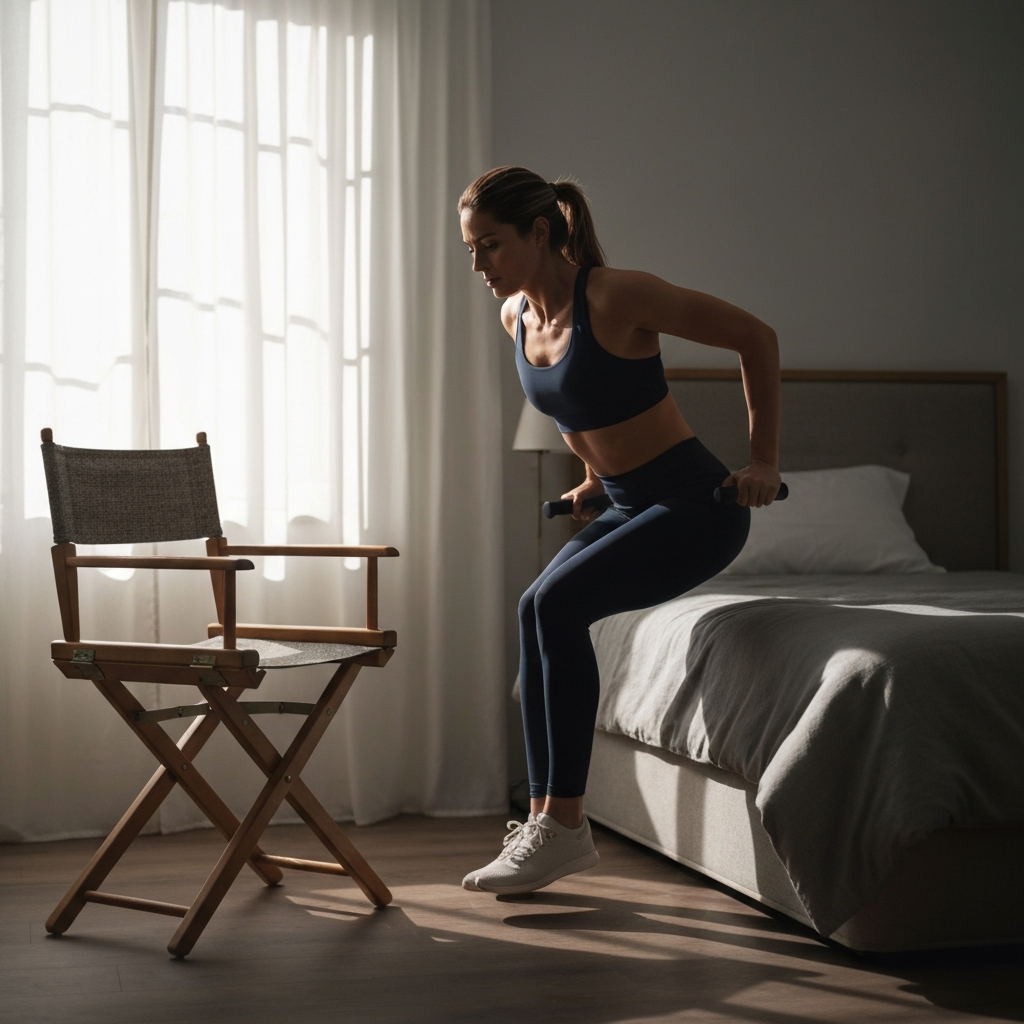
A sturdy director's chair can be surprisingly effective for working your arms and core. Position the chair approximately 8 inches away from a stable bed or couch. Remove the chair back (if possible or practical). Carefully lean backward, using your hands to grip the armrests of the chair for support. Lower your body towards the floor by bending your elbows, then push back up to the starting position. This mimics a tricep dip and engages your core for stability.
Practical Details: Ensure the chair is stable and won't slip. Start with a shallow dip and gradually increase the depth as you gain strength. Avoid fully locking your elbows at the top of the movement to prevent joint strain. If removing the back isn't feasible, adjust the distance to the bed accordingly.
-
Step 2: Couch-Assisted Sit-Ups
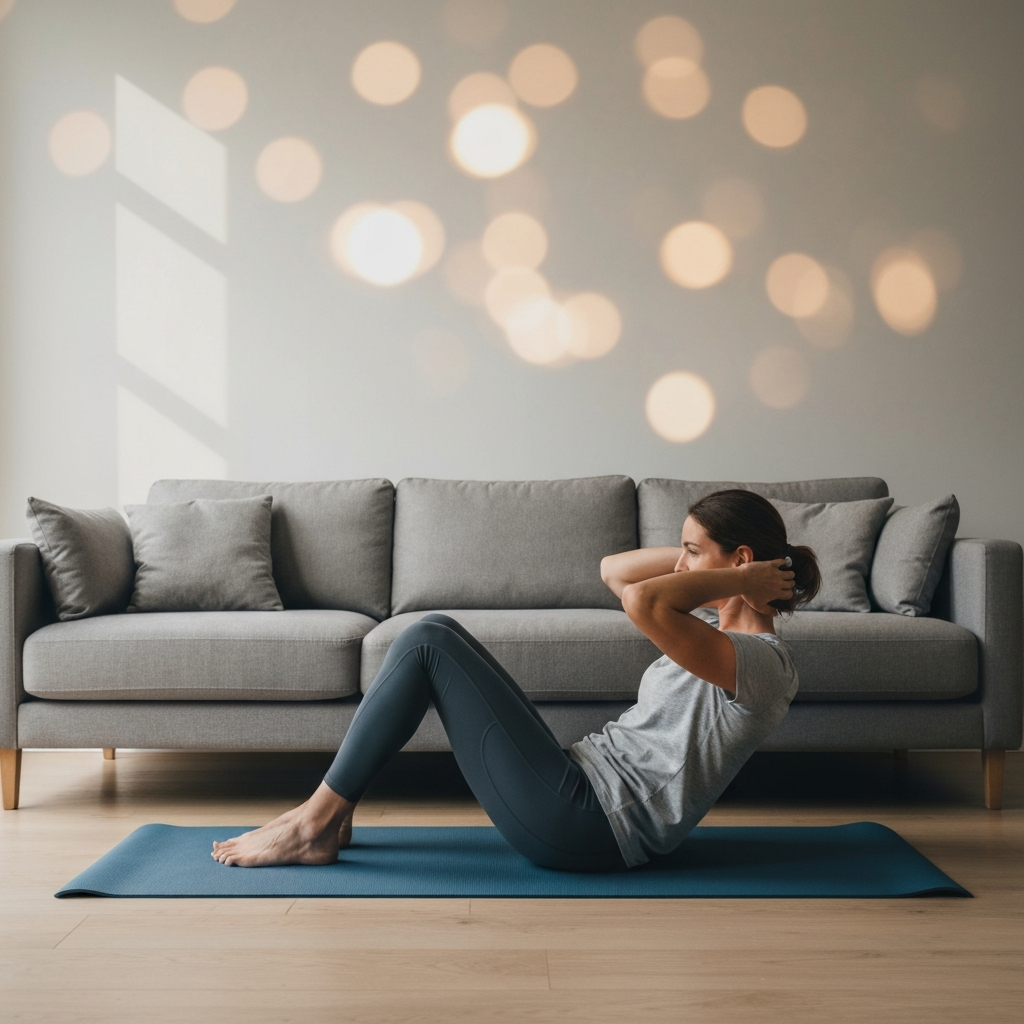
Performing sit-ups or crunches with your feet secured under the edge of a couch can help stabilize your lower body and engage your abdominal muscles more effectively. Lie on your back with your knees bent and your feet flat on the floor, positioned underneath the gap at the bottom of your couch. Place your hands behind your head for support, or across your chest to decrease the difficulty. Engage your core muscles to lift your upper body towards your knees, then slowly lower yourself back down.
Practical Details: Choose a couch with adequate clearance under the bottom edge to comfortably secure your feet. If the couch edge is too high, try using a rolled-up towel or small cushion to elevate your feet. Focus on using your core to lift your torso, not your arms. Avoid pulling on your neck with your hands.
-
Step 3: Textbook-Loaded Satchel Bicep Curls
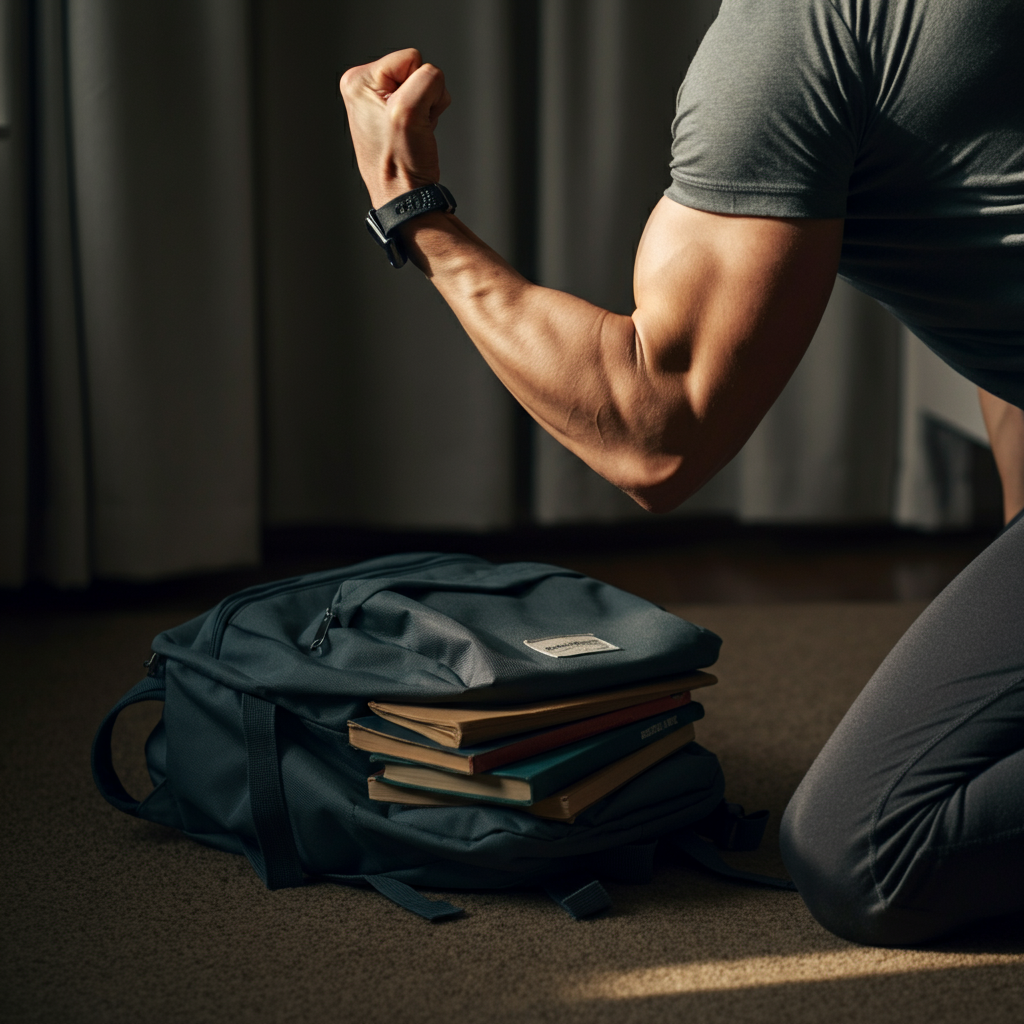
Transform a school satchel or backpack into a versatile weight for bicep curls. Fill the satchel with textbooks or other heavy items to achieve the desired weight. Stand with your feet shoulder-width apart and hold the satchel by its handle with your arm fully extended down at your side. Keeping your elbow close to your body, slowly curl the satchel upwards towards your shoulder, contracting your bicep muscle. Lower the satchel back down to the starting position in a controlled manner.
Practical Details: Gradually increase the weight in the satchel as you get stronger. Ensure the weight is evenly distributed to maintain balance. Use proper form to avoid injury; keep your back straight and avoid swinging the satchel. You can adjust the number of repetitions and sets to match your fitness level.
-
Step 4: Bed-Assisted Sit-Ups (For Beginners)
If traditional sit-ups are challenging, using the flexibility of a bed can provide a gentler starting point. Lie on your back on the bed with your knees bent and your feet flat on the surface. The give of the mattress reduces the strain on your lower back and core. Place your hands behind your head or across your chest. Engage your core to lift your upper body slightly, then slowly lower yourself back down. Even a small range of motion can be effective when starting out.
Practical Details: Choose a bed with a moderate level of firmness; a very soft mattress may not provide enough support. Focus on engaging your abdominal muscles, not relying on momentum to lift your body. If you experience any back pain, stop immediately and consult with a healthcare professional.

-
Step 5: Countertop Push-Ups
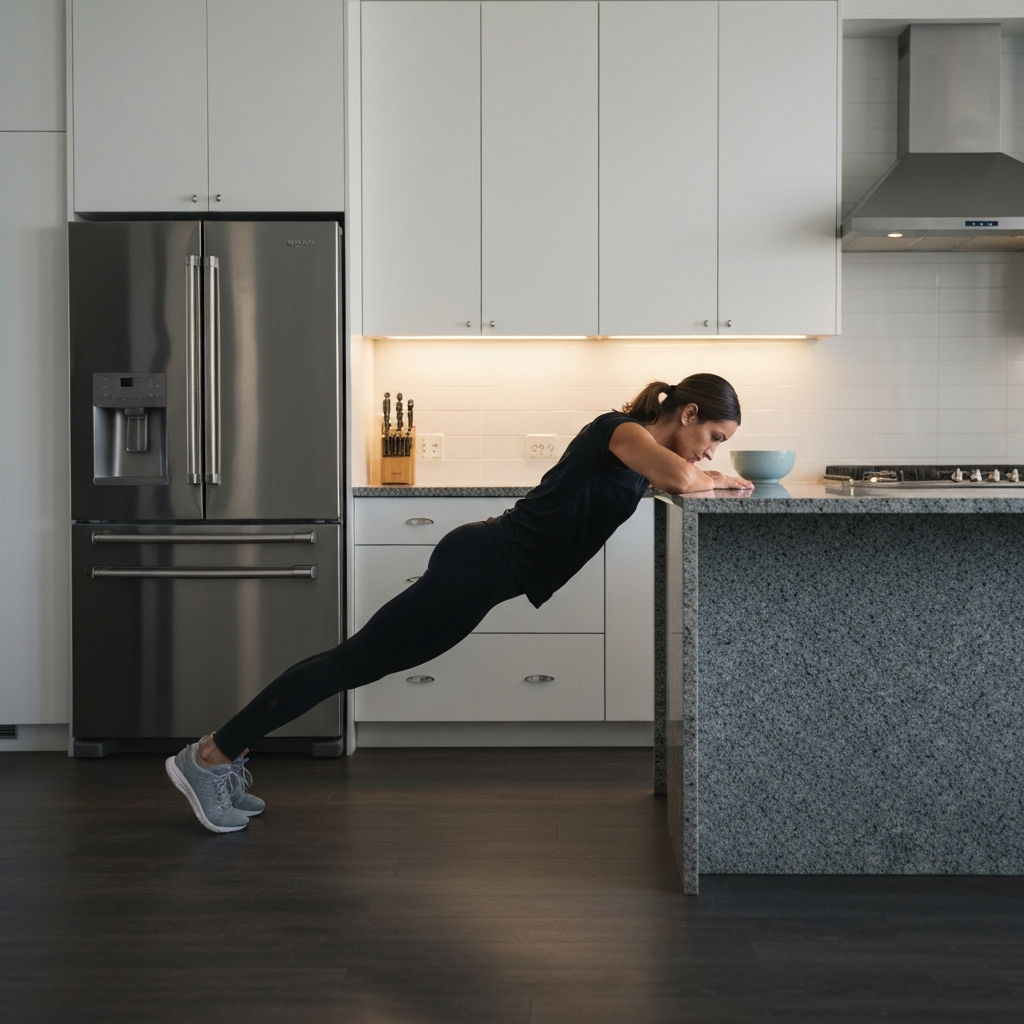
Utilize your kitchen countertop for modified push-ups, an excellent way to build upper body strength. Stand a few steps away from the countertop and place your hands on the edge, slightly wider than shoulder-width apart. Keep your feet flat on the floor and your body in a straight line from head to heels. Slowly lower your chest towards the countertop by bending your elbows, then push back up to the starting position.
Practical Details: Adjust the distance from the countertop to modify the difficulty; the closer you are, the easier the exercise. Maintain a straight line from head to heels throughout the movement to engage your core and prevent back strain. Use a towel or mat to cushion your hands if needed. Make sure the counter is stable.
Safety Considerations
Prioritize safety when exercising with everyday items. Inspect each item for stability and durability before use. Avoid using objects that are broken, unstable, or could cause injury. Always warm up before exercising and cool down afterward. Listen to your body and stop if you experience any pain or discomfort. If you have any underlying health conditions, consult with a healthcare professional before starting a new exercise program.
FAQ Section
- Can I lose weight using everyday items for exercise?
- Yes, combining these exercises with a healthy diet can contribute to weight loss. Focus on creating a calorie deficit and performing a variety of exercises to burn calories and build muscle.
- How often should I exercise using these methods?
- Aim for at least 3-5 sessions per week, with rest days in between. Adjust the frequency and intensity based on your fitness level and goals.
- What other household items can I use for exercise?
- Consider using water bottles or canned goods as weights, stairs for cardio, and towels for stretching.
In conclusion, exercising with everyday items is a convenient and affordable way to stay active and healthy. By utilizing common household objects, you can create a personalized workout routine that fits your lifestyle and fitness goals. Remember to prioritize safety, listen to your body, and gradually increase the intensity and duration of your workouts over time. Embrace the creativity and accessibility of exercising at home, and unlock your fitness potential without ever stepping foot in a gym.