Tired of being the last one chosen? Want to be a sought-after player instead of a benchwarmer before the game even begins? Getting picked first isn't just about innate talent; it's about showcasing your abilities, demonstrating a positive attitude, and proving you're a valuable asset to any team. This guide provides actionable strategies to elevate your game, improve your perceived value, and become a top pick.
While natural athleticism certainly plays a role, it's not the only factor. Team captains often prioritize players who are reliable, enthusiastic, and possess a strong understanding of the game. By focusing on these key areas, you can significantly increase your chances of being among the first selected. This isn't about trickery; it's about maximizing your potential and presenting yourself in the best possible light.
Follow these steps, and you'll be well on your way to becoming a highly desired team member. Let's dive in!
1. Sharpen Your Skills
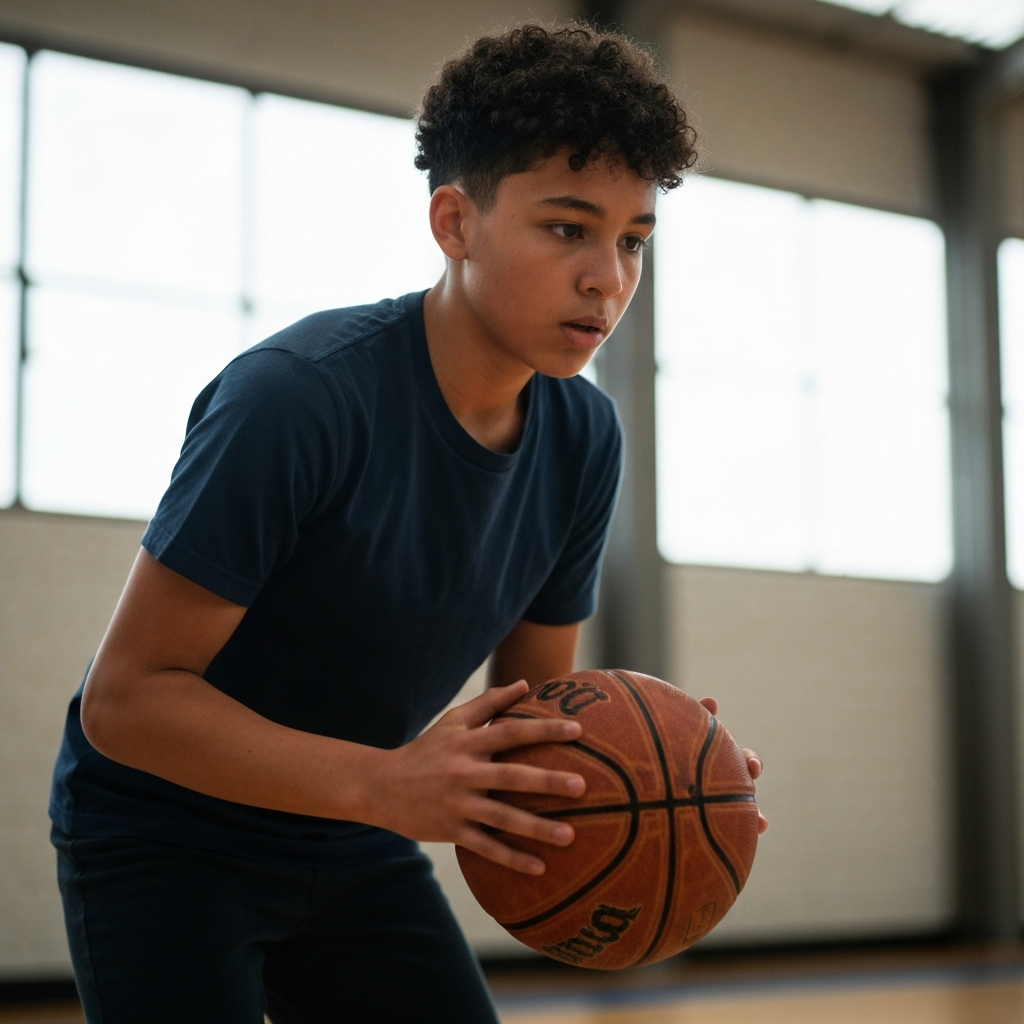
Before anything else, focus on improving your fundamental skills in the sport. Consistently practicing the basics – shooting, passing, dribbling, fielding, etc. – will significantly boost your performance and confidence. Dedicate time to drills that mimic game situations; this will help you react quickly and effectively under pressure.
Don't just go through the motions; actively analyze your technique and identify areas for improvement. Consider filming yourself practicing to spot flaws you might miss otherwise. Remember, even small improvements can make a big difference in how others perceive your ability.
2. Master the Mental Game
Beyond physical skills, understanding the strategy and tactics of the sport is crucial. Study game film, read books or articles about the sport, and ask experienced players or coaches for insights. Knowing when to pass, where to position yourself, and how to anticipate your opponents' moves will make you a more valuable player.
Understanding the rules is not only important to avoid penalties. It helps you gain a tactical advantage. Being able to use the rules to your advantage demonstrates high game intelligence and makes you a desired team member.

3. Showcase a Positive Attitude
Enthusiasm and a positive attitude are contagious. Always demonstrate a willingness to learn, a commitment to teamwork, and a positive outlook, even when things get tough. Encourage your teammates, offer constructive criticism, and avoid complaining or negativity.
Captains often look for players who can uplift the team's morale and contribute to a positive atmosphere. A player with a great attitude but average skill is generally preferred to a highly skilled but negative player.
4. Be a Team Player
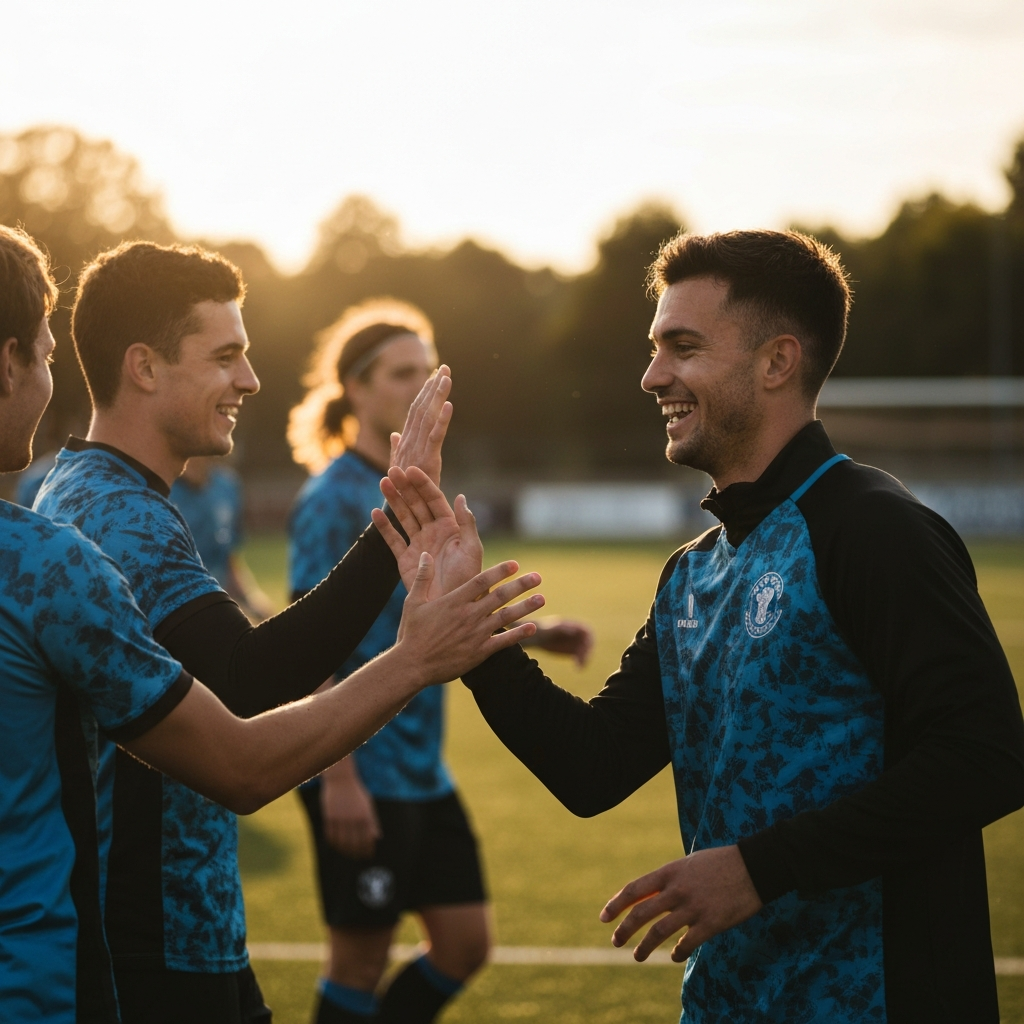
Selfishness is a quick way to land at the bottom of the pick list. Demonstrate that you are willing to sacrifice your own personal glory for the good of the team. Pass the ball, set screens, play defense – do whatever is needed to help the team succeed. Remember, winning is a team effort, and captains value players who understand this.
Be observant of your teammates and actively look for opportunities to support them. Offer encouragement and assistance, and always be willing to take on roles that others might avoid.

5. Communicate Effectively
Clear and concise communication is essential for effective teamwork. Call out plays, alert teammates to open opportunities, and provide feedback in a respectful manner. Being able to communicate effectively shows that you are engaged in the game and invested in the team's success.
When communicating, be mindful of your tone and body language. Avoid yelling or being aggressive. Instead, focus on being clear, concise, and constructive. Positive and well-thought-out communications are a huge plus when picking teammates.
6. Arrive Prepared and Punctual
Showing up late or unprepared sends a message that you don't value the team's time or the sport itself. Always arrive on time for practices and games, dressed appropriately, and with all the necessary equipment. This demonstrates professionalism and commitment.
Being prepared includes having your water bottle, towel, and any personal equipment in good condition. It also means being mentally ready to focus and give your best effort from the moment you arrive.

7. Seek Feedback and Improve
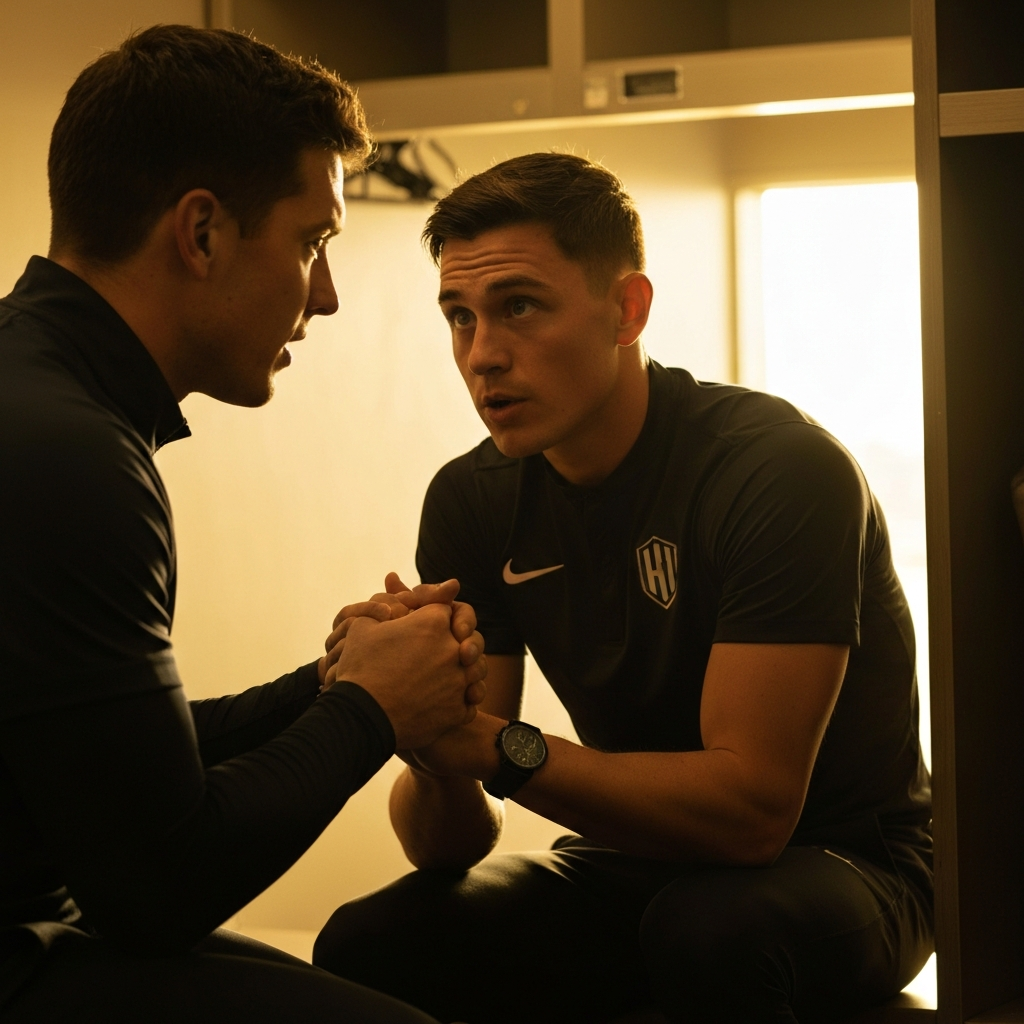
Actively seek feedback from coaches, teammates, or experienced players. Be open to constructive criticism and use it as an opportunity to improve your skills and performance. Asking for feedback demonstrates a desire to learn and grow, which is highly valued by team captains.
Don't be afraid to ask specific questions about areas where you feel you need improvement. Show genuine interest in learning and implementing the feedback you receive.
Pro Tips
- Be versatile. If you can play multiple positions, you become a more valuable asset to the team.
- Understand the strengths and weaknesses of other players. This allows you to anticipate their moves and support them effectively.
- Develop your endurance. Being able to play hard for the entire game will make you a standout player.
Common Mistakes to Avoid
- Arguing with the referee or officials.
- Blaming teammates for mistakes.
- Showing a lack of effort or enthusiasm.
Safety Considerations
- Always warm up properly before practices and games to prevent injuries.
- Use appropriate safety equipment, such as mouthguards, helmets, and pads.
- Stay hydrated by drinking plenty of water.
FAQ Section
- What if I'm not naturally athletic?
- While natural athleticism can be an advantage, it's not the only factor. Hard work, dedication, and a positive attitude can compensate for a lack of natural talent.
- How can I improve my game knowledge?
- Watch games, read books and articles, and talk to experienced players or coaches.
- What should I do if I make a mistake?
- Acknowledge the mistake, learn from it, and move on. Don't dwell on it or let it affect your performance.
Getting picked first is an achievable goal that requires dedication, hard work, and a focus on both skill development and positive attitude. By consistently implementing the strategies outlined in this guide, you can significantly increase your perceived value and become a highly sought-after team member. Remember, it's not just about being good; it's about being a great teammate.