Rallycross is an incredibly accessible and thrilling motorsport that combines the best aspects of rallying and circuit racing. It's a fantastic entry point for anyone looking to get behind the wheel and experience the adrenaline rush of competitive driving without the significant investment often associated with other forms of racing. You'll be sliding through dirt, gravel, and tarmac, battling against the clock and other drivers in a safe and controlled environment.
This guide will walk you through everything you need to know to get started in rallycross, from the basic requirements and equipment to essential driving techniques and car setup tips. We'll cover everything from choosing your first car to understanding the rules and regulations of the sport. Whether you're a complete beginner or have some prior motorsports experience, this guide will provide you with the knowledge and resources you need to confidently enter the world of rallycross.
So, buckle up and get ready to embark on an exciting journey into the world of rallycross! Let's get started!
Step 1: Obtain a Driver's License or Learner's Permit
To legally participate in rallycross events, you'll need either a valid driver's license or, in some cases, a learner's permit. The specific requirements may vary depending on the sanctioning body and the local regulations, so it's essential to check the rules for the specific events you plan to attend. If you're using a learner's permit, you'll typically need to be accompanied by a licensed driver who meets the event's age and experience requirements. This is a great way for younger enthusiasts to get involved in the sport under the guidance of a more experienced driver.

Step 2: Acquire a Suitable Vehicle
One of the best things about rallycross is that you don't need an expensive, purpose-built race car to participate. In fact, many rallycross drivers start with their daily drivers! A reliable, mechanically sound vehicle is all you need to get started. Front-wheel drive cars are often recommended for beginners, as they are generally more forgiving and easier to control on loose surfaces. However, all-wheel drive and rear-wheel drive vehicles can also be competitive and offer unique driving challenges.
When choosing a car, consider factors such as reliability, parts availability, and overall cost of maintenance. A cheap, older model that you're not afraid to get dirty is often a great choice. Be sure to thoroughly inspect the vehicle for any mechanical issues before hitting the track. Pay special attention to the brakes, suspension, and tires. A pre-event mechanical check is crucial for safety and performance.

Step 3: Register for an Event and Select Your Class
Finding and registering for rallycross events is typically done online through platforms like MotorsportReg.com or the website of your local SCCA (Sports Car Club of America) region. Event fees usually range from $60 to $100, with an additional fee for a weekend membership if you're not already an SCCA member. When registering, you'll need to choose a class to compete in, which is determined by the level of modifications made to your vehicle. Common classes include Stock, Prepared, and Modified, each with its own set of rules and restrictions.
Stock class is the most restrictive, allowing for minimal modifications. Prepared and Modified classes offer more freedom to modify your car but may also attract more experienced competitors with more extensively prepared vehicles. Consider starting in the Stock class to learn the basics and gradually progress to more advanced classes as you gain experience and modify your car.

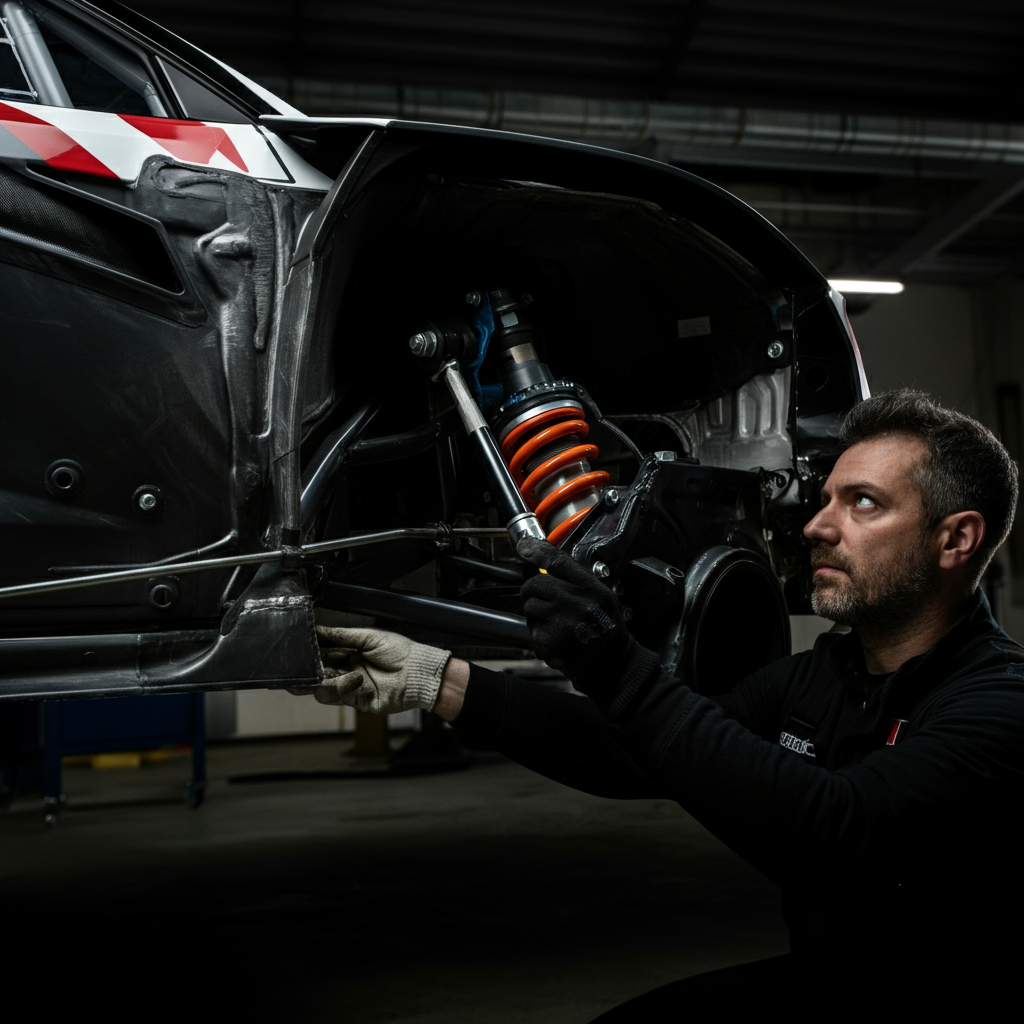
Step 4: Basic Car Setup (Tires, Sway Bars, and Electronic Aids)
Even with a relatively stock vehicle, there are a few simple modifications you can make to improve its performance in rallycross. Tires are arguably the most important factor. Depending on the class rules, rally tires or winter tires may be permitted. Winter tires, especially used ones, can be a cost-effective option for improving grip on loose surfaces. Rally tires offer even better performance but are typically more expensive.
For front-wheel drive cars, disconnecting the front sway bar can improve handling by allowing for more independent suspension movement and better weight transfer. However, this modification is generally not recommended for street driving and should only be done for rallycross events. Finally, disabling ABS (Anti-lock Braking System) and traction control can give you more control over the vehicle, especially on loose surfaces. Consult the event regulations to ensure that any modifications you make are permitted in your chosen class.
Step 5: Acquire a Helmet
A helmet is a mandatory piece of safety equipment for rallycross events. You can purchase a new helmet online or at a local motorsports store, but some regions offer loaner helmets for newcomers. It's crucial to ensure that your helmet meets the required safety certifications, such as Snell 2020 or SFI specifications. Check the event regulations for the specific certification requirements.
While borrowing a helmet is a great option for your first event, investing in your own helmet is recommended for comfort, hygiene, and proper fit. A properly fitted helmet is essential for safety. Try on different sizes and brands to find one that fits snugly and comfortably without any pressure points.

Step 6: Getting to the Event
Transportation to the rallycross event can range from simply driving your competition car to towing it on a trailer. If your car is your daily driver and you're confident in its reliability, driving it to the event is perfectly acceptable. However, if you're concerned about wear and tear or potential mechanical issues, towing the car on a trailer is a safer option. A trailer also provides a convenient way to transport spare tires, tools, and other essential equipment.
Before heading to the event, make sure you have all the necessary items, including your driver's license, helmet, car registration, and any required entry forms. It's also a good idea to bring some basic tools, spare fluids, and a tire pressure gauge.

Step 7: Tech Inspection and Registration
Upon arrival at the rallycross event, the first step is to check in with the organizers and sign any required waivers. Next, your car will undergo a tech inspection to ensure it meets the safety requirements. This typically involves checking for loose items in the car, fluid leaks, properly functioning brakes and suspension, and secure battery and seatbelt mounting. Review the event regulations carefully to ensure your car complies with all the tech inspection requirements.
Be prepared to answer any questions the tech inspectors may have about your car's modifications or safety features. A friendly and cooperative attitude will help ensure a smooth and efficient inspection process.

Step 8: Walk the Course
Before the driving begins, take the time to walk the course. This is an invaluable opportunity to familiarize yourself with the layout, identify key turns and braking points, and assess the surface conditions. Pay attention to any potential hazards, such as rocks, ruts, or soft spots in the terrain.
Walking the course allows you to visualize your driving lines and develop a strategy for tackling each section. It's also a great way to mentally prepare yourself for the challenges ahead. Try to memorize the course as accurately as possible.

Step 9: Attend the Driver's Meeting and Ask Questions
Attending the driver's meeting is mandatory for all participants. This meeting covers important rules, procedures, and safety guidelines for the event. Pay close attention to any specific instructions or warnings issued by the organizers.
Don't hesitate to ask questions if anything is unclear. Rallycross events are generally very welcoming to newcomers, and experienced drivers and organizers are always happy to provide guidance and assistance. This is an excellent opportunity to learn from the pros and gain valuable insights.
Step 10: Help Out with the Event
Rallycross events are typically run by volunteers, and everyone is expected to contribute to the smooth operation of the event. This usually involves tasks such as resetting cones that have been knocked over, flagging potential hazards, or assisting with timing and scoring. Volunteering is a great way to give back to the rallycross community and learn more about the sport.
By participating in these essential tasks, you'll gain a deeper appreciation for the effort that goes into organizing a rallycross event and build camaraderie with your fellow drivers.
Step 11: Drive!
Finally, it's time to get behind the wheel and experience the thrill of rallycross! Remember to be aggressive with the throttle and brakes, but always stay within your limits. Smoothness and consistency are key to achieving fast lap times.
Use the parade lap to familiarize yourself with the course and experiment with different driving lines. Pay attention to weight transfer and learn how to use it to your advantage. Brake with your left foot and trail brake into corners for maximum speed. With practice and perseverance, you'll be sliding your way to victory in no time!
Pro Tips
- Start Slow: Don't try to be a hero on your first few runs. Gradually increase your speed as you become more comfortable with the car and the course.
- Look Ahead: Focus your vision on where you want the car to go, not on the obstacles in front of you.
- Listen to Your Car: Pay attention to the sounds and feel of your car. It will tell you when you're pushing too hard or making a mistake.
- Have Fun: Rallycross is all about having a good time. Don't take yourself too seriously and enjoy the experience!
Safety Considerations
- Always wear a helmet that meets the required safety certifications.
- Ensure your car is in good mechanical condition and passes tech inspection.
- Pay attention to the course conditions and potential hazards.
- Follow the instructions of the event organizers and marshals.
- Drive within your limits and respect the other drivers on the course.
Common Mistakes to Avoid
- Entering corners too fast.
- Overcorrecting when the car starts to slide.
- Focusing on the obstacles instead of the driving line.
- Not walking the course before the event.
- Ignoring the instructions of the event organizers.
FAQ Section
Q: What kind of car do I need for rallycross?
A: You can use almost any car that's in good mechanical condition. Front-wheel drive cars are often recommended for beginners, but all-wheel drive and rear-wheel drive vehicles can also be competitive.
Q: Do I need any special equipment?
A: You'll need a helmet that meets the required safety certifications. Some regions may also require a fire extinguisher and a first-aid kit.
Q: How much does it cost to get started in rallycross?
A: The cost can vary depending on the region and the type of car you're using. Event fees typically range from $60 to $100, and a helmet can cost anywhere from $100 to several hundred dollars. You may also need to factor in the cost of tires, maintenance, and transportation.
Conclusion
Rallycross is an exciting and accessible motorsport that offers a fantastic entry point for anyone looking to get behind the wheel and experience the thrill of competitive driving. By following the steps outlined in this guide, you'll be well on your way to sliding your way to rallycross glory. Remember to prioritize safety, have fun, and never stop learning!