Across countless cultures and throughout recorded history, the wind has been recognized as a powerful and often unpredictable force. It's no surprise then, that many societies have personified the wind in the form of deities, each with their own unique attributes, domains, and stories. These wind deities can range from benevolent providers of gentle breezes to fierce bringers of storms and destruction, reflecting the multifaceted nature of the element itself. Understanding these deities provides valuable insight into the beliefs and values of the civilizations that revered them.
This guide will explore various wind deities from different mythologies around the world. We'll delve into their origins, powers, and key myths, offering a comprehensive overview of these fascinating figures. Whether you're a seasoned mythology enthusiast or a curious newcomer, this guide aims to provide a clear and insightful journey into the realm of wind gods and goddesses. We will explore deities from Greek, Egyptian, Norse, Mesopotamian and many more mythologies, providing a well-rounded view of how different cultures perceived and worshipped these powerful beings.
This exploration is not just an academic exercise; it's a window into the human experience. By studying these deities, we gain a deeper appreciation for how different cultures have understood their environment and the forces that shape their lives. So, let's embark on this journey to discover the captivating world of wind deities.
Step 1: Exploring the Greek Anemoi
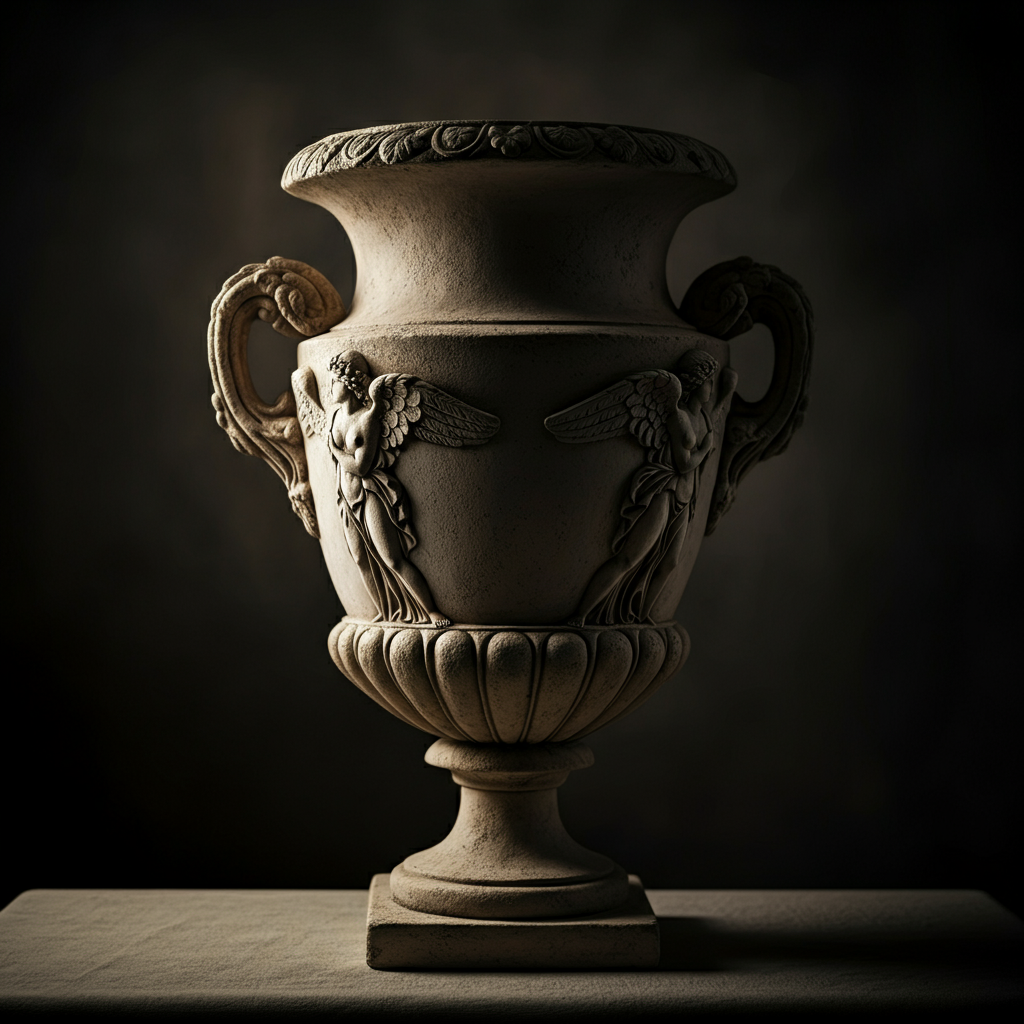
The Anemoi represent the four directional winds in Greek mythology: Boreas (North), Notus (South), Eurus (East), and Zephyrus (West). Each Anemoi is associated with a specific season and corresponding weather patterns. Boreas brings the cold, dry winds of winter, while Notus governs the wet and stormy winds of summer. Eurus is associated with the warm, dry winds of autumn, and Zephyrus heralds the gentle breezes and gusts of spring. It's important to remember that these were not simply symbolic figures; they were believed to have a direct influence on the lives of ancient Greeks. They are often depicted as winged men, reflecting their swift and ethereal nature. Misinterpreting their domains can lead to a misunderstanding of Greek weather patterns and agricultural cycles.
Step 2: Understanding Aura, the Goddess of Breeze
Aura, a Titaness in Greek mythology, embodies the gentle breeze and the fresh air of early morning. Unlike the more forceful Anemoi, Aura represents the subtle, invigorating aspect of the wind. She is often depicted as a swift huntress and a companion of Artemis, the goddess of the hunt. Her association with the hunt emphasizes the connection between fresh air, vitality, and the natural world. She wasn't as widely worshipped as some of the other Greek deities, but her presence in myths highlights the importance of breezes in Greek culture, particularly in hot climates. Don't confuse her with the more powerful Anemoi; Aura is a gentler, more localized wind spirit.

Step 3: Recognizing Aeolus' Role as Keeper of the Winds
Aeolus plays a crucial role in Greek mythology as the keeper of the Anemoi. In some accounts, he's a mortal king entrusted with controlling the winds; in others, he's a minor god. Regardless of his exact status, Aeolus resides on the floating island of Aeolia, where he keeps the winds confined. He is known for giving Odysseus a bag containing the winds, a gift that ultimately leads to disaster due to the crew's curiosity. The story of Aeolus highlights the dangers of tampering with powerful forces and the importance of respecting natural boundaries. He serves as a powerful symbol of control, responsibility, and the potential consequences of unchecked curiosity.

Step 4: Discovering Shu, Egyptian God of Air
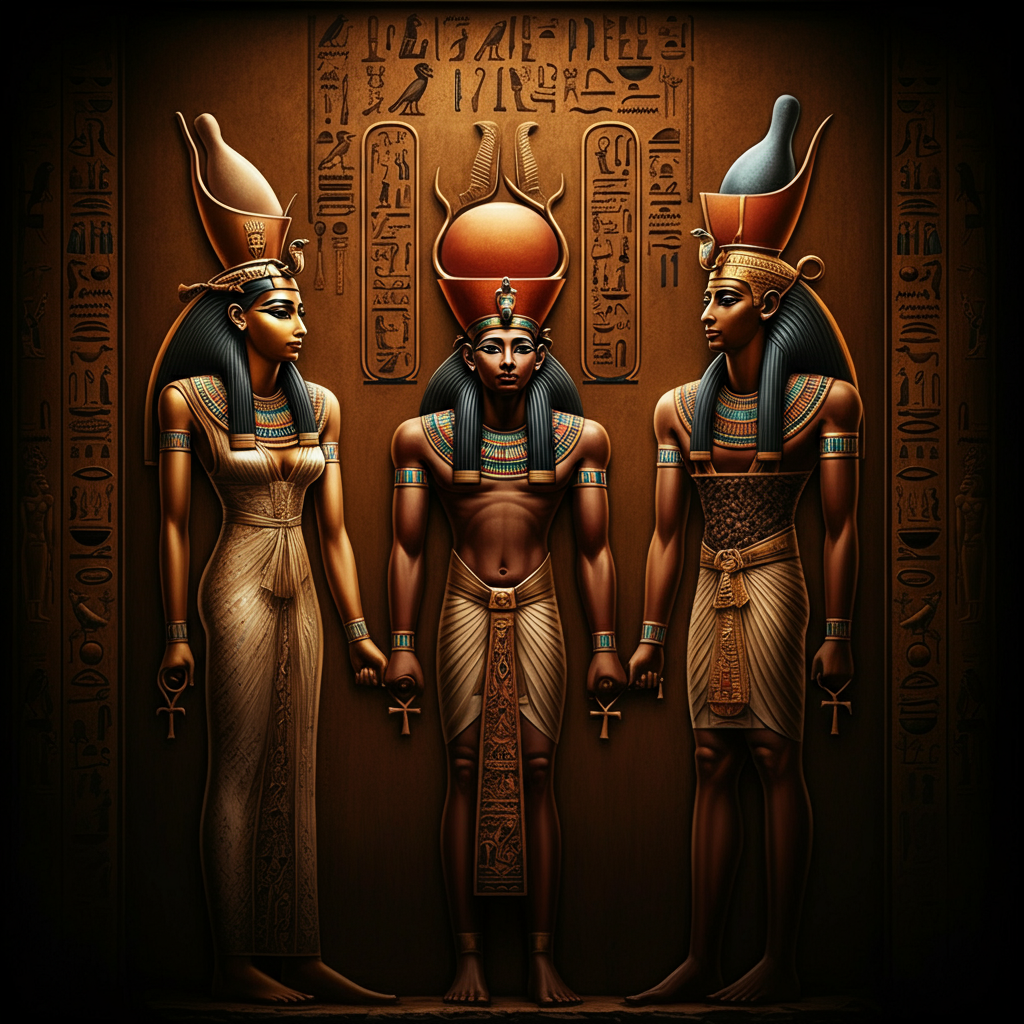
Shu is a fundamental deity in Egyptian mythology, representing the air and wind. As one of the nine primary gods of the Ennead, Shu holds a prominent position in the Egyptian pantheon. He is also associated with light, the sky, and peace, embodying the essential role of air in maintaining cosmic order. He is frequently depicted with a feather on his head, symbolizing his airy and calming nature. Understanding Shu is crucial for comprehending the Egyptian creation myth and the roles of other related deities like his children, Nut (sky) and Geb (earth). Forgetting his association with peace can lead to a skewed understanding of his role in the often turbulent world of Egyptian mythology.
Step 5: Examining Qebui and Other Egyptian Directional Wind Gods
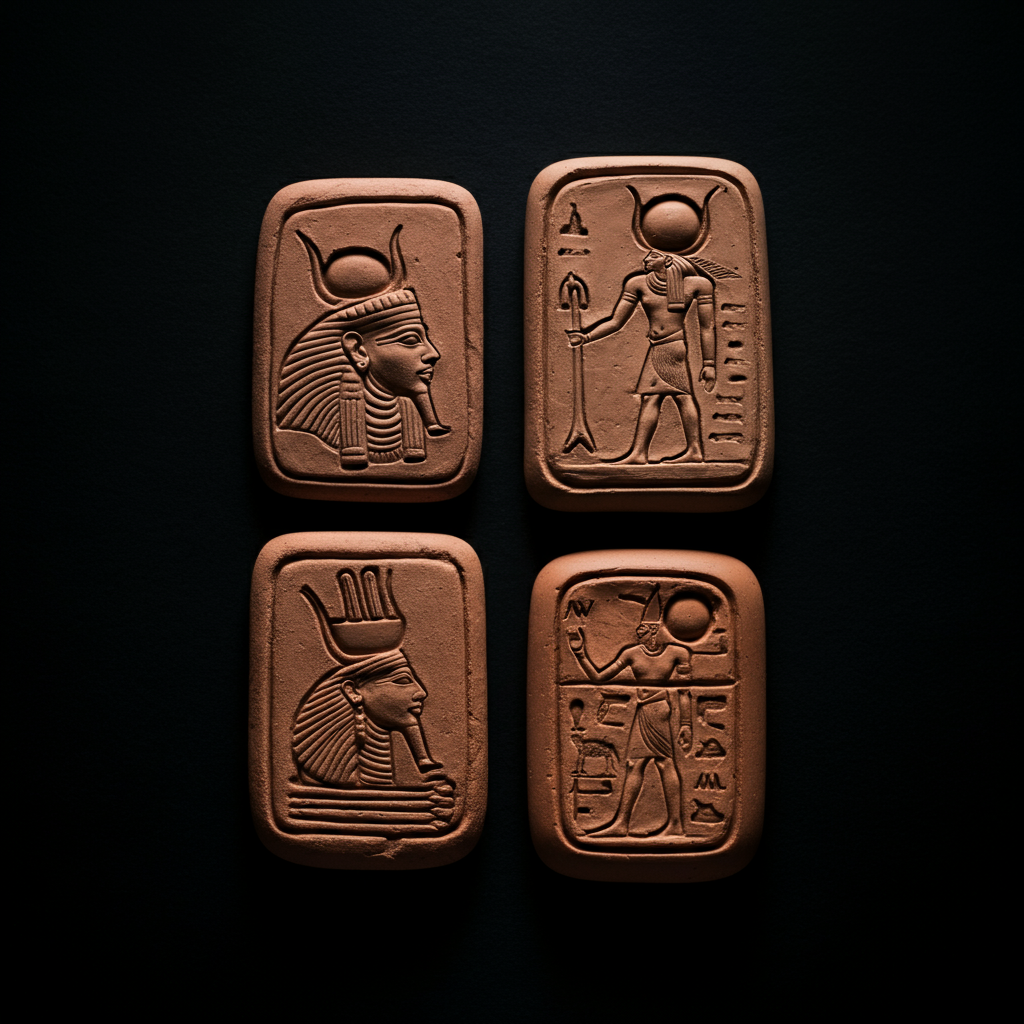
Similar to the Greeks, the Egyptians also had deities associated with specific directional winds. Qebui controlled the North wind, Shehbui the South wind, Henkhisesui the East wind, and Hutchaiui the West wind. Qebui is often depicted with wings and the head of four rams. Compared to Shu, the details surrounding these minor wind gods are scarce. Their existence reveals the Egyptian awareness of regional weather variations and the importance of wind direction for navigation and agriculture. Do not dismiss these minor deities; they highlight the importance of the four cardinal directions and their associated winds in the lives of the Ancient Egyptians.
Step 6: Unveiling Amun's Role as a Hidden God of Air
Amun, initially a creator god and king of the gods in early Egyptian mythology, also embodied the air. His name means "Hidden One" or "Obscure One," reflecting his invisible nature. Later, Amun merged with Ra, the sun god, becoming Amun-Ra, one of the most important deities in the Egyptian pantheon. His association with the air underscores the pervasive and unseen presence of the divine in the Egyptian worldview. While primarily known as a solar deity after his merge with Ra, remembering his original role as a god of air is important to understanding the evolution of Egyptian religious beliefs.
Step 7: Discovering Njord, Norse God of Wind and Sea
In Norse mythology, Njord is the god of the wind, sea, seafaring, and fishing. He is considered one of the Vanir, a group of gods associated with wisdom and fertility. Njord protects sailors and fishermen and is also linked to crops and wealth, offering prosperity to those who seek his favor. His dominion over both wind and sea reflects the interconnectedness of these elements in Norse cosmology and the importance of maritime activities in Norse society. He is the father of Freyr and Freya, further linking him to fertility and prosperity. Confusing him with other Norse gods of the sea, like Aegir, would be a mistake, as Njord has strong ties to the wind.

Step 8: Exploring Kari, the Personification of the North Wind
Kari, in Norse mythology, is a jötunn (giant) and the personification of the cold North wind. He controls snow, frost, and blizzards, embodying the harsh and unforgiving aspects of winter. Kari is the son of Fornjót, an ancient giant, and has two brothers: Logi (fire) and Ægir (sea). He represents the powerful and destructive force of the Northern winds and the challenges faced by those living in the harsh Scandinavian climate. Understanding the family connections between Kari, Logi, and Aegir offers insights into the Norse understanding of elemental forces and their interactions. He is a raw, untamed elemental force, distinct from the more benevolent Njord.

Step 9: Delving into Enlil, Mesopotamian God of Wind and Atmosphere
Enlil holds a prominent position in Mesopotamian mythology as the god of the wind and atmosphere. He is one of the major creator gods, along with Anu (sky) and Ea (water). Enlil's breath can release a gentle breeze, great gusts, or a huge hurricane. He is also associated with authority, energy, and agriculture, highlighting his multifaceted role in the Mesopotamian worldview. Enlil is known for separating heaven and earth, enabling plant life to grow and causing men to spring forth from the earth. As a creator deity linked to the wind, a misunderstanding of Enlil's importance in agriculture can lead to an incomplete understanding of Mesopotamian beliefs.
Step 10: Examining Other Global Wind Deities
Beyond the well-known pantheons, numerous other cultures venerate wind deities. Here is a sample to illustrate the wide range of traditions:
- Feng Po Po (Chinese): The goddess of the wind, often depicted as an old woman riding a tiger and carrying a bag of wind.
- Fujin (Japanese): An elemental demon (oni) who is the god of the wind, carrying a bag that releases winds from gentle to destructive.
- Vayu (Hindu): The god of wind and breath, often depicted riding a gazelle or in a coach pulled by white and purple horses.
- Quetzalcóatl (Aztec): The god of wind, light, and learning, often depicted as a feathered serpent.
- Huracán (Mayan): God of the forces of nature, including wind, storms, and fire.
Common Mistakes to Avoid
- Confusing Deities: Many cultures have multiple wind deities with overlapping domains. Pay close attention to their specific roles and attributes to avoid misinterpretations.
- Oversimplification: Wind deities are often connected to other aspects of nature and culture. Avoid reducing them solely to their association with wind.
- Ignoring Cultural Context: The significance of wind deities varies across cultures. Consider the specific cultural context to understand their true importance.
Pro Tips
- Cross-Reference Information: Consult multiple sources when researching wind deities to ensure accuracy and completeness.
- Explore Art and Literature: Examine artistic representations and literary accounts to gain deeper insights into the beliefs surrounding wind deities.
- Consider Local Climate: The climate and geography of a region often influence the characteristics and importance of its wind deities.
FAQ Section
- Q: Why do so many cultures have wind deities?
- A: Wind is a powerful and often unpredictable force that significantly impacts weather, agriculture, and navigation. Personifying the wind allows people to understand and interact with this force.
- Q: Are wind deities always benevolent?
- A: No, some wind deities are associated with destructive storms and chaos, reflecting the dual nature of the wind.
- Q: How were wind deities worshipped?
- A: Worship practices varied across cultures but often involved offerings, prayers, and rituals aimed at appeasing the deities and ensuring favorable weather conditions.
Conclusion
The study of wind deities offers a fascinating glimpse into the diverse ways in which humanity has understood and interacted with the natural world. From the gentle breezes of Aura to the destructive storms of Tāwhirimātea, these deities represent the power, unpredictability, and essential role of wind in shaping our lives. By exploring their origins, attributes, and myths, we gain a deeper appreciation for the rich tapestry of human culture and the enduring power of mythology.