Fire, a fundamental element revered across cultures and disciplines, represents far more than mere combustion. It symbolizes passion, transformation, energy, and the very spark of creation. From ancient philosophies to modern spiritual practices, fire's influence is undeniable. Understanding the fire element can unlock deeper insights into yourself and the world around you.
This guide explores the multifaceted nature of the fire element, delving into its historical significance, philosophical interpretations, religious symbolism, and practical applications. Whether you're an astrology enthusiast, a spiritual seeker, or simply curious about the power of fire, this comprehensive exploration will ignite your understanding and help you harness its transformative potential. Prepare to embark on a journey into the heart of the flame.
We'll cover everything from the astrological signs associated with fire to practical techniques for connecting with its energy. Get ready to explore how the fire element manifests in personality, impacts your well-being, and can be cultivated for personal growth. Let's begin to unlock the secrets of fire.
Step 1: Understanding Fire's Core Symbolism
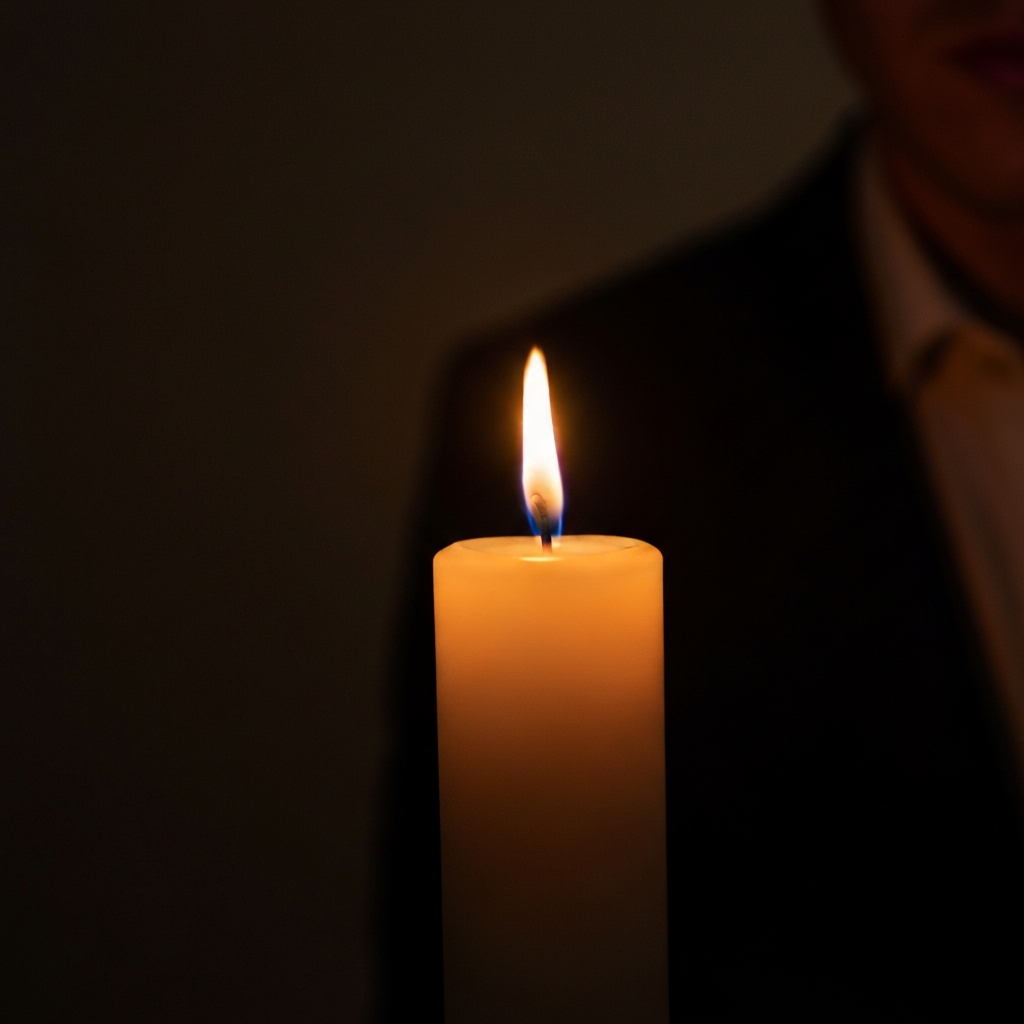
The fire element, unlike its counterparts of earth, air, and water, embodies dynamism and change. At its core, fire symbolizes passion, power, and transformation. It represents the burning away of the old to make way for the new, a concept central to many spiritual and alchemical traditions. Fire can represent our drive, our ambition, and the force that propels us forward. Consider the warmth of a hearth, the searing heat of a forge, or the controlled burn of a prescribed fire in nature – each illustrates a different facet of fire's transformative power. Understanding these symbolic representations is crucial for working with the fire element effectively.
Step 2: Exploring Fire in Different Philosophies
Across diverse philosophical schools, fire holds significant symbolic weight. In Greek philosophy, Heraclitus considered fire the fundamental element, believing all others originated from and would eventually return to it. He viewed the universe as a state of constant flux, symbolized by the ever-changing nature of fire. Plato associated fire with the geometric shape of a tetrahedron, representing the sharp, piercing sensation of heat. Aristotle viewed fire as a quality of combustion. These perspectives offer a deeper understanding of fire's role in shaping our perception of reality and the nature of existence. Take some time to reflect on how these philosophical interpretations resonate with your own understanding of the fire element.
Step 3: Fire's Role in Global Religions
Fire features prominently in religious practices worldwide. In Hinduism, Agni, the God of Fire, is revered as a vital deity, representing the fire of the sun, lightning, and the sacred hearth. Zoroastrianism, an ancient Persian religion, considers fire a symbol of purity and an agent against evil. In Christianity, fire represents divine presence and is often associated with the Holy Spirit. Judaism also uses fire to represent God. These examples underscore the universality of fire as a symbol of the divine, transformation, and purification. Understanding these religious contexts can enrich your appreciation for the cultural significance of fire. Note that while fire is sacred, it is not always directly worshipped, but rather respected as a powerful tool for connection and transformation.

Step 4: Fire in Astrology: The Fire Signs
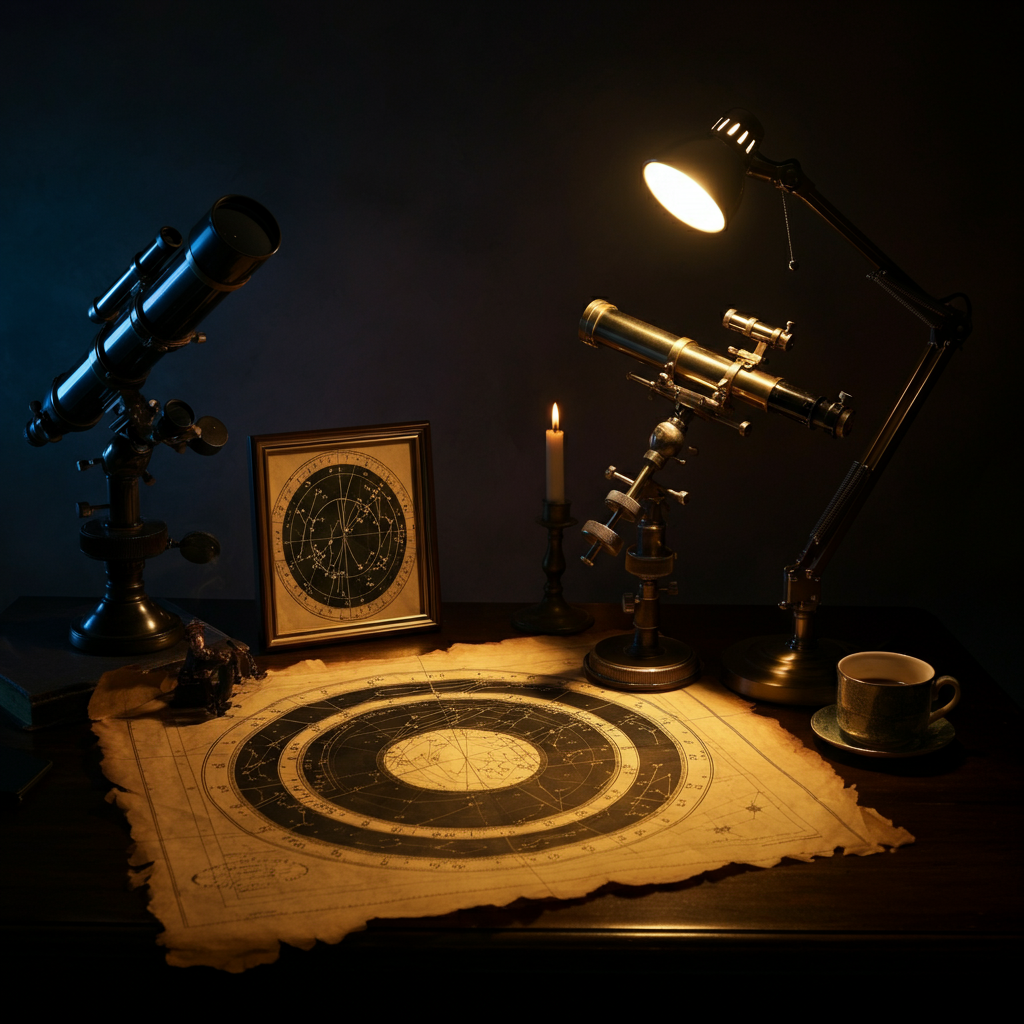
Astrology assigns fire as the ruling element for Aries, Leo, and Sagittarius. These "fire signs" are generally characterized by passion, enthusiasm, and a zest for life. Aries individuals are known for their energy and initiative, Leos for their warmth and leadership, and Sagittarians for their adventurous spirit and love of freedom. However, a "fire sign" can also indicate impulsiveness, impatience, and a tendency towards anger. Understanding these traits can offer valuable insights into your own personality or the personalities of those around you. This information is especially useful if you're familiar with your birth chart and planetary placements.
Step 5: Identifying a "Fire Personality"
In various personality theories, a "fire personality" is often associated with traits like extroversion, creativity, and a strong will. Those with a dominant fire element may be energetic, charismatic, and driven, but can also be prone to impulsivity and emotional outbursts. In Chinese Medicine, a fire personality is associated with a reddish complexion and extroversion, but also potential heart and digestive issues. Recognize that these descriptions are generalizations and individual experiences can vary greatly. Use these concepts as a tool for self-reflection and personal growth, rather than a rigid label.

Step 6: Practical Ways to Connect with the Fire Element
There are many practical ways to engage with the fire element in your daily life. Spend time in the sun to absorb its warmth and energy. Light a candle and meditate on its flame, focusing on your intentions and releasing negativity. Engage in activities that ignite your passion and creativity, such as dancing, painting, or writing. Consider incorporating spicy foods into your diet to stimulate your inner fire, or practicing yoga poses that activate the solar plexus chakra. Always exercise caution when working with actual fire and prioritize safety.

Tools or Materials Required
- Candles
- Matches or a lighter
- Safe candle holders
- Sunlight
- Spicy foods (optional)
- Yoga mat (optional)
Safety Considerations
When working with fire, safety is paramount. Never leave lit candles unattended. Keep flammable materials away from open flames. Ensure proper ventilation when burning incense or using a fireplace. Be mindful of fire hazards in your environment and take necessary precautions to prevent accidents. Always have a fire extinguisher readily available in case of emergencies. Supervise children and pets around open flames.
Common Mistakes to Avoid
A common mistake is trying to force a connection with the fire element when you're not in the right state of mind. Fire is a powerful force, and it's important to approach it with respect and intention. Another mistake is neglecting safety precautions when working with actual fire. Always prioritize safety to avoid accidents and injuries. Avoid using fire rituals or practices without proper knowledge or guidance.
FAQ Section
- What are the benefits of connecting with the fire element?
- Connecting with the fire element can boost your energy, enhance your creativity, and increase your passion for life. It can also help you release negative emotions and transform challenges into opportunities.
- How often should I try to connect with the fire element?
- The frequency depends on your individual needs and preferences. Some people benefit from daily practices, while others find that occasional connections are sufficient. Listen to your intuition and adjust accordingly.
- Can I connect with the fire element if I'm not a "fire sign"?
- Absolutely! Anyone can connect with the fire element, regardless of their astrological sign. Everyone has access to the elemental energies.
Conclusion
The fire element is a potent force that can ignite passion, transform obstacles, and illuminate your path. By understanding its symbolism, exploring its historical significance, and engaging in practical practices, you can harness its power for personal growth and well-being. Remember to approach fire with respect, intention, and a commitment to safety. Embrace the transformative potential of the flame and let it guide you towards a brighter, more fulfilling life.