While most are familiar with the traditional twelve zodiac signs, the world of astrology is constantly evolving. One of the lesser-known additions to the astrological landscape is Cetus, a proposed fourteenth zodiac sign. Represented by a whale or sea monster, Cetus surfaces in certain astrological systems, sparking curiosity and debate. This guide will delve into the nature of Cetus, its origins, and its place (or lack thereof) in modern astrology.
Cetus, named after the constellation representing a sea monster from Greek mythology, is positioned by some astrologers to fall between May 12 and June 6. Its emergence raises questions about the validity and adaptability of the zodiac system. Is it a genuine sign with unique traits, or simply an astronomical anomaly? This exploration will help you understand the arguments surrounding Cetus and its potential influence.
Prepare to dive deep into the waters of astrological debate as we explore the elusive Cetus zodiac sign. We will uncover its mythological roots, its proposed characteristics, and its overall standing within the broader astrological community. Whether you're a seasoned astrology enthusiast or a curious newcomer, this guide will provide a comprehensive overview of this fascinating celestial entity.
Step 1: Understanding the Basics of Cetus
Cetus is proposed as a 14th zodiac sign that the sun passes through between May 12 and June 6. It's inspired by the Cetus constellation which represents a sea monster from Greek mythology. However, and this is crucial, Cetus is generally not considered a "real" zodiac sign in most Western astrological traditions. This is because the Moon and planets do not pass through the constellation, unlike the established 12 signs. The inclusion of Cetus often stems from attempts to reconcile astronomical observations with the traditional astrological framework, accounting for the Earth's axial precession over millennia.

Step 2: Dissecting the "Reality" of Cetus as a Zodiac Sign
The key point to remember is that Cetus is not part of the traditional or widely accepted zodiac. The proposition of Cetus as a sign gained traction with Steven Schmidt's "Astrology 14" system in 1970, which aimed to adjust the zodiac for the Earth's axial tilt over the past 2,000 years. This tilt, known as precession, has shifted the apparent positions of constellations in the sky. Despite this, the majority of astrologers adhere to the established 12-sign system. Therefore, while astronomically the sun does pass through the Cetus constellation during the specified period, it doesn't hold astrological significance for most practitioners.
Step 3: Delving into the Mythology of Cetus
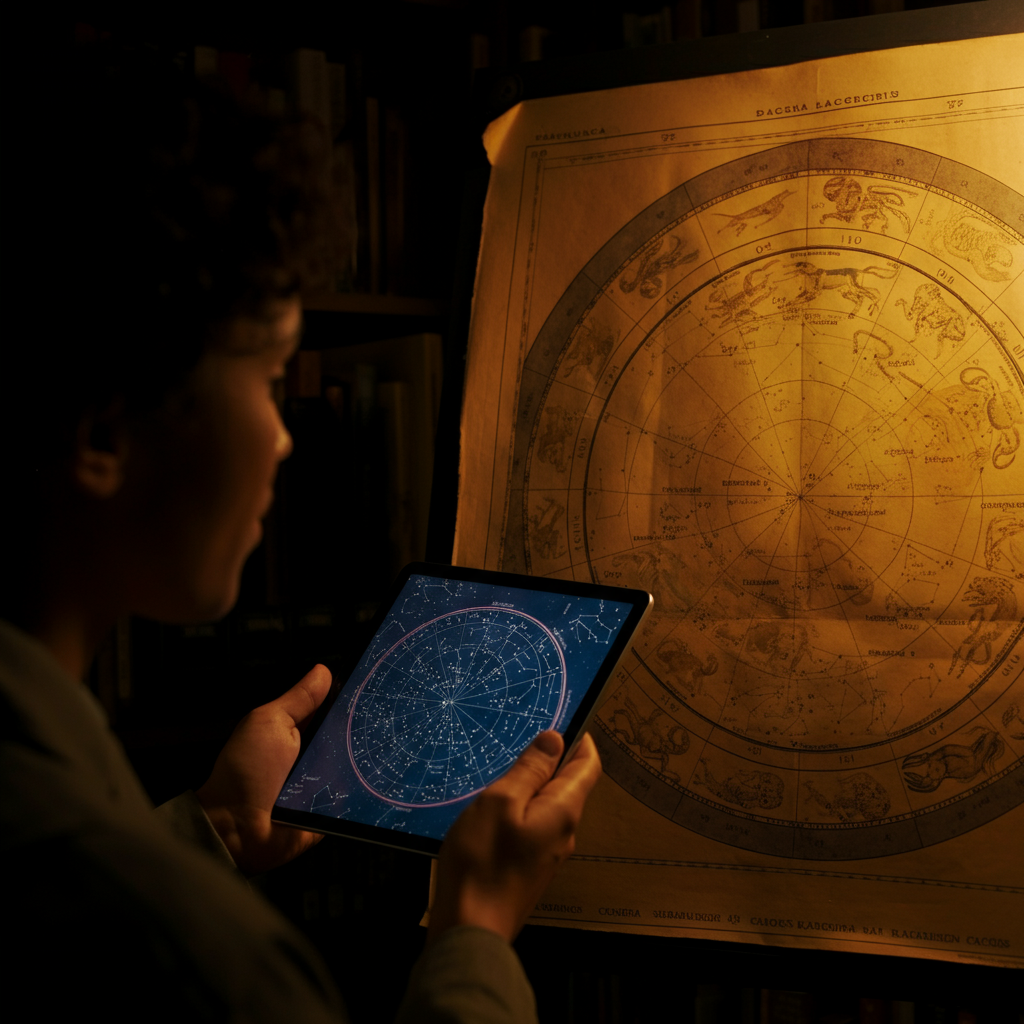
The Cetus constellation derives its name and form from the Greek mythological sea monster, often depicted as a serpentine creature with paws, a dog-like head, and a fish tail. It's associated with several myths, most notably the story of Perseus rescuing Andromeda from being sacrificed to the monster. The constellation resides within a region of the sky known as "the sea," alongside other water-related constellations like Pisces and Eridanus. Understanding the mythology provides context for the symbolism, even if the sign itself isn't universally recognized astrologically. The name “Cetus” itself translates to “whale” in Latin, although the visual representation leans more towards a sea serpent.

Step 4: Examining Proposed Personality Traits (With Caution)
Because Cetus isn't a widely accepted zodiac sign, there are no standardized or universally agreed-upon personality traits associated with it. Traditional astrology links personality traits to a sign's ruling planet; since Cetus lacks a designated ruling planet within the traditional system, assigning definitive characteristics is difficult. Some sources suggest enigmatic, intuitive, and sensitive natures, along with moodiness. However, these associations are speculative and lack the established framework of the traditional zodiac. Treat any personality descriptions with a healthy dose of skepticism.

Step 5: Compatibility Considerations (A Theoretical Exercise)
Similar to personality traits, any discussion of Cetus compatibility is largely theoretical. If one were to consider Cetus as a water sign (due to its association with the sea), it would, in theory, be most compatible with other water signs like Pisces, Cancer, and Scorpio, as well as fire signs like Aries, Leo, and Sagittarius. Conversely, earth signs (Taurus, Virgo, Capricorn) and air signs (Gemini, Libra, Aquarius) might present more challenging dynamics. However, it's vital to reiterate that these are extrapolations based on the assumed elemental affinity, not established astrological principles.

FAQ Section
Is Cetus a "real" zodiac sign?
No, not in the traditional or widely accepted sense. It's a proposed sign based on the sun's passage through the Cetus constellation, but it lacks the astrological significance of the established 12 signs.
Does Cetus have a ruling planet?
No, Cetus doesn't have a ruling planet within traditional astrological systems.
What are the personality traits of Cetus?
There are no standardized personality traits associated with Cetus. Any descriptions are speculative and not based on established astrological principles.
Conclusion
The Cetus zodiac sign remains an intriguing anomaly within the broader context of astrology. While it holds astronomical validity as a constellation the sun passes through, it lacks the established astrological foundation and widespread acceptance of the traditional twelve signs. Understanding the debate surrounding Cetus underscores the evolving nature of astrology, its relationship to astronomy, and the importance of discerning between established principles and proposed interpretations. Whether Cetus eventually gains traction within astrological circles remains to be seen, but for now, it serves as a reminder of the dynamic and often debated nature of the cosmos and its perceived influence on our lives.