The concept of "family" has evolved significantly over time. What was once a fairly rigid definition has expanded to encompass a wide array of structures and relationships. Understanding these different types of families is crucial for fostering inclusivity and appreciating the diverse ways people experience love, support, and belonging. Family, at its core, is about connection, commitment, and care, regardless of its specific form.
This guide will explore several common family structures, highlighting their unique characteristics, strengths, and potential challenges. We'll delve into the nuances of each type, providing practical insights and real-world considerations for navigating the complexities of modern family life. Remember, there is no single "right" way to be a family; each structure offers its own distinct advantages and opportunities for growth.
Whether you're curious about your own family structure or seeking to understand the experiences of others, this guide offers a comprehensive overview of the diverse landscape of families in today's world. Let's embark on this journey of discovery and celebrate the many beautiful forms that family can take.
Step 1: Nuclear Family
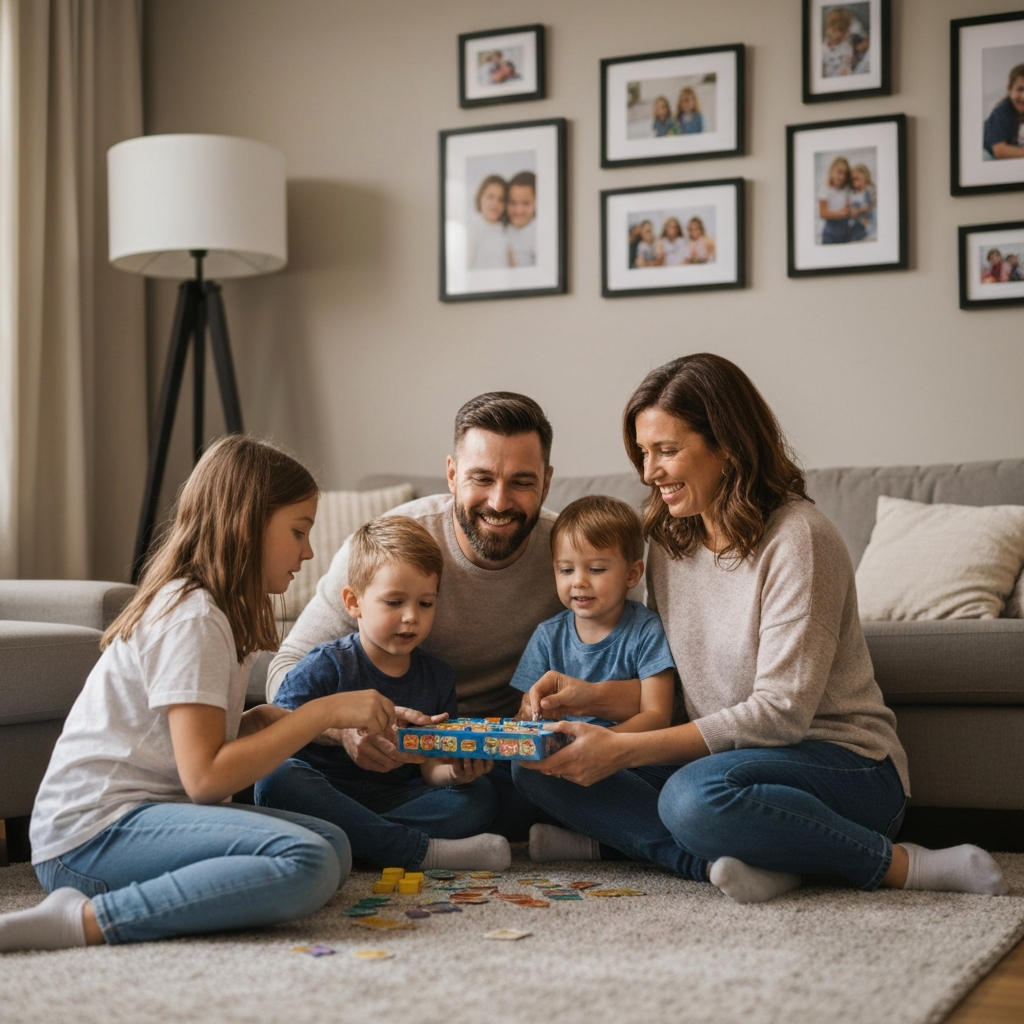
The nuclear family, often considered the "traditional" family structure, consists of two parents and their children (biological or adopted) living together in one household. This model emphasizes the co-parenting roles of both parents in raising their children. The nuclear family structure historically provided a stable and supportive environment for children's development. A key characteristic of the nuclear family is the shared responsibility and emotional bond between the parents and children.
Step 2: Single-Parent Family
A single-parent family is defined by one parent raising one or more children. This can result from various circumstances, including divorce, death of a spouse, or individual choice. Single parents often juggle multiple responsibilities, including work, childcare, and household management. Despite the challenges, single-parent families can be incredibly resilient and nurturing, fostering strong bonds between the parent and child(ren). The key to a successful single-parent family is effective time management, strong support systems, and open communication.

Step 3: Extended Family
Extended families involve multiple generations or related individuals living together in the same household. This may include grandparents, aunts, uncles, and cousins living alongside the nuclear family. Extended families often provide a strong sense of community and shared responsibility for childcare and household tasks. The presence of multiple adults can offer children diverse perspectives and additional support networks. However, it's important to establish clear boundaries and communication patterns to avoid conflict and maintain individual privacy.
Step 4: Same-Sex Family
A same-sex family consists of two parents of the same gender raising one or more children. These families can be formed through adoption, fostering, surrogacy, or assisted reproductive technologies. Research consistently shows that children raised in same-sex families thrive just as well as those raised in heterosexual families. The focus in same-sex families, just like any other family, is on providing a loving and supportive environment for children to grow and develop.
Step 5: Family Without Children
A family without children typically consists of a couple in a committed relationship who do not have children, either by choice or circumstance. These families can find fulfillment in their relationship, careers, hobbies, and connections with extended family and friends. It's important to recognize that a family is not defined solely by the presence of children; love, commitment, and mutual support are the defining characteristics.

Step 6: Stepfamily (Blended Family)
A stepfamily, also known as a blended family, is formed when two separate families merge into a new unit. This often involves children from previous relationships living together with a new stepparent. Stepfamilies can be complex, requiring patience, understanding, and open communication to navigate the challenges of adjusting to new family dynamics. Establishing clear roles, boundaries, and expectations is crucial for creating a harmonious stepfamily environment.

Step 7: Grandparent Family
Grandparent families occur when grandparents take on the primary responsibility of raising their grandchildren, often due to circumstances such as the parents' inability to care for them. Grandparents in this role provide stability, love, and care for their grandchildren, stepping into a parental role. This can be challenging for grandparents who may face financial constraints or health issues. Support systems and resources are crucial for grandparent families to thrive.
Step 8: Chosen Family
Chosen families are groups of individuals who are not related by blood or marriage but consider themselves to be a family unit. These families are often formed by individuals who have been ostracized or rejected by their biological families, or who simply seek a stronger sense of community and belonging. Chosen families can provide invaluable emotional support, love, and acceptance.
Step 9: Multigenerational Family
Multigenerational families consist of three or more generations living under one roof. This can offer benefits such as shared childcare responsibilities, financial support, and a strong sense of family history and tradition. However, it can also present challenges related to privacy, differing opinions, and managing finances. Effective communication and clearly defined roles are essential for successful multigenerational living.
Common Mistakes to Avoid
One common mistake is assuming that one type of family is inherently "better" than another. Each family structure has its own strengths and challenges, and the key is to focus on creating a loving and supportive environment for all members. Avoid making generalizations or stereotypes about different family types. Instead, approach each family with empathy and understanding.
FAQ Section
Q: Is one type of family better for children than another?
A: Research consistently shows that the quality of the relationships within a family is more important than the specific structure. Children thrive in loving, supportive environments, regardless of the family's composition.
Q: How can I support a friend who is part of a non-traditional family?
A: Simply treat them with the same respect and understanding you would offer anyone else. Avoid making assumptions or asking insensitive questions. Offer your support and acceptance.
Conclusion
The definition of family is constantly evolving, reflecting the changing dynamics of society. Understanding and appreciating the diversity of family structures is crucial for fostering inclusivity and creating a more supportive world for all. Remember, family is about love, connection, and commitment, regardless of its form. By embracing this broader understanding, we can celebrate the many beautiful ways people experience family and create stronger communities for everyone.