Prediction skills are a foundational element in a child's cognitive development, impacting their ability to learn and understand the world around them. These skills extend far beyond simple guessing games; they are crucial for developing critical thinking, problem-solving, and even literacy. By nurturing a child's ability to predict, we are equipping them with the tools to analyze situations, anticipate outcomes, and make informed decisions. It is a key skill in learning to read, understanding science, and mastering math.
This guide offers practical, step-by-step instructions on how to cultivate these vital skills in children. We will explore methods for encouraging pattern recognition, engaging in prediction-based games, and using reading as a platform for developing anticipatory thinking. Our goal is to provide parents and educators with effective techniques to make learning fun and engaging, while simultaneously building a solid foundation for future academic success.
Remember that fostering prediction skills is not about demanding correct answers; it’s about encouraging children to observe, analyze, and formulate hypotheses based on the available information. The process of thinking and reasoning is more important than the accuracy of the prediction itself. With patience and consistent effort, you can help children become confident and capable predictors.
Step 1: Emphasize Pattern Recognition
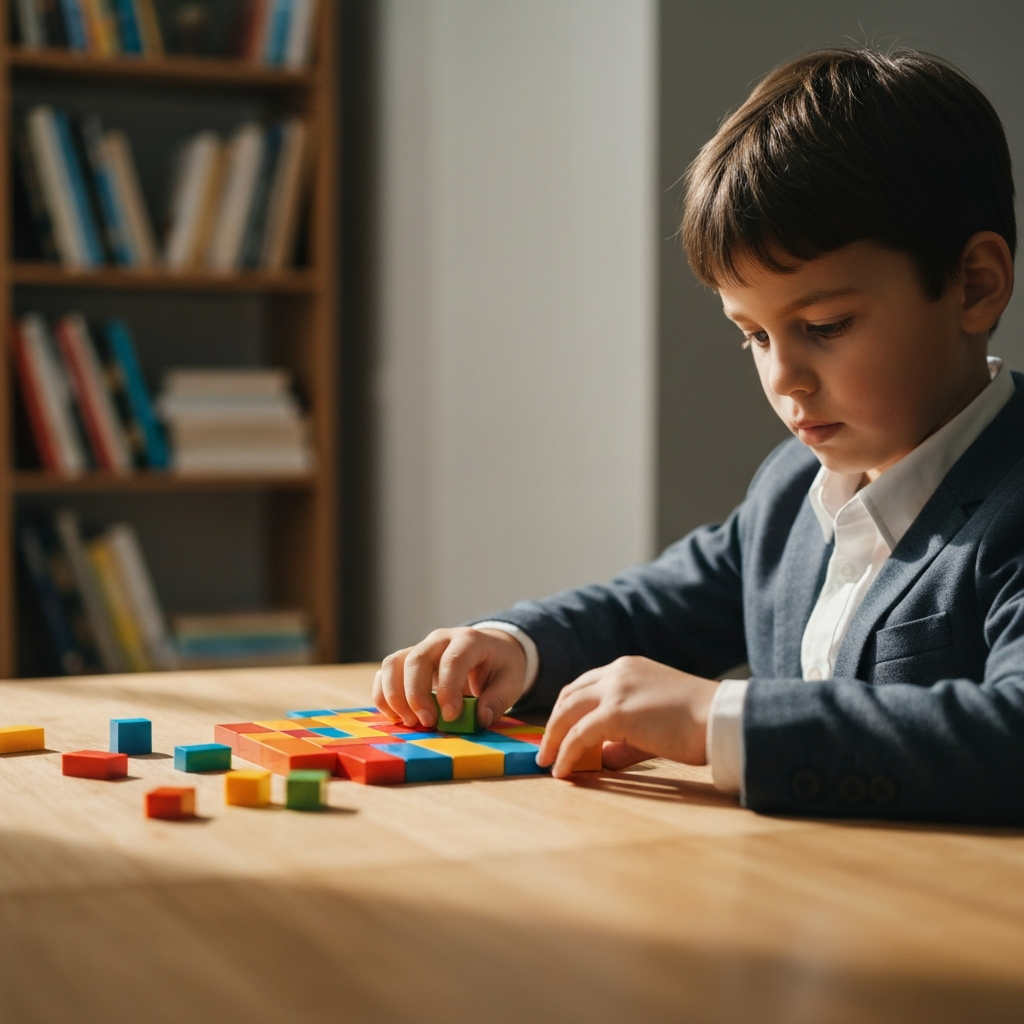
Pattern recognition is the cornerstone of prediction. Before a child can anticipate what might happen next, they must be able to identify and understand recurring sequences. Start with simple patterns using everyday objects. For instance, you could arrange a sequence of colored blocks – red, blue, red, blue – and ask the child to identify the next color. As their skills improve, introduce more complex patterns involving shapes, sounds, or even movements. This will help build their problem-solving skills.
Step 2: Predict Everyday Events Together
Transform mundane routines into opportunities for prediction. Before embarking on a familiar activity, ask the child what they think will happen. For example, before opening the refrigerator, ask them to predict what foods they might find inside. Before going to the park, ask them whether they think it will be crowded. Encourage them to justify their predictions based on past experiences. Small, everyday events will help them find patterns and consider consequences. This not only enhances their prediction skills but also encourages active participation in their environment.

Step 3: Draw Upon Previous Experiences
When a child struggles to make a prediction, prompt them to recall similar situations from the past. Ask them, "Has something like this ever happened before? What happened then?" This encourages them to connect past experiences with present possibilities. For instance, if they're trying to predict the outcome of a baking experiment, ask them to recall a previous time they baked something similar. You can ask them, "What happened the last time you skipped your nap?". By drawing connections between past and present, they learn to anticipate outcomes based on evidence and memory.
Step 4: Encourage Explanation of Predictions
It's not enough for a child to simply make a prediction; they must also be able to articulate the reasoning behind it. Encourage them to explain why they think something will happen. Ask, "What clues led you to that conclusion?" or "Why do you think that will happen?" This helps them develop critical thinking skills and solidify the connection between evidence and prediction. Always ask them to point out the clues that support their prediction. Remember, the goal is not to demand the "correct" answer but to encourage thoughtful reasoning.
Step 5: Guess the Contents of a Box
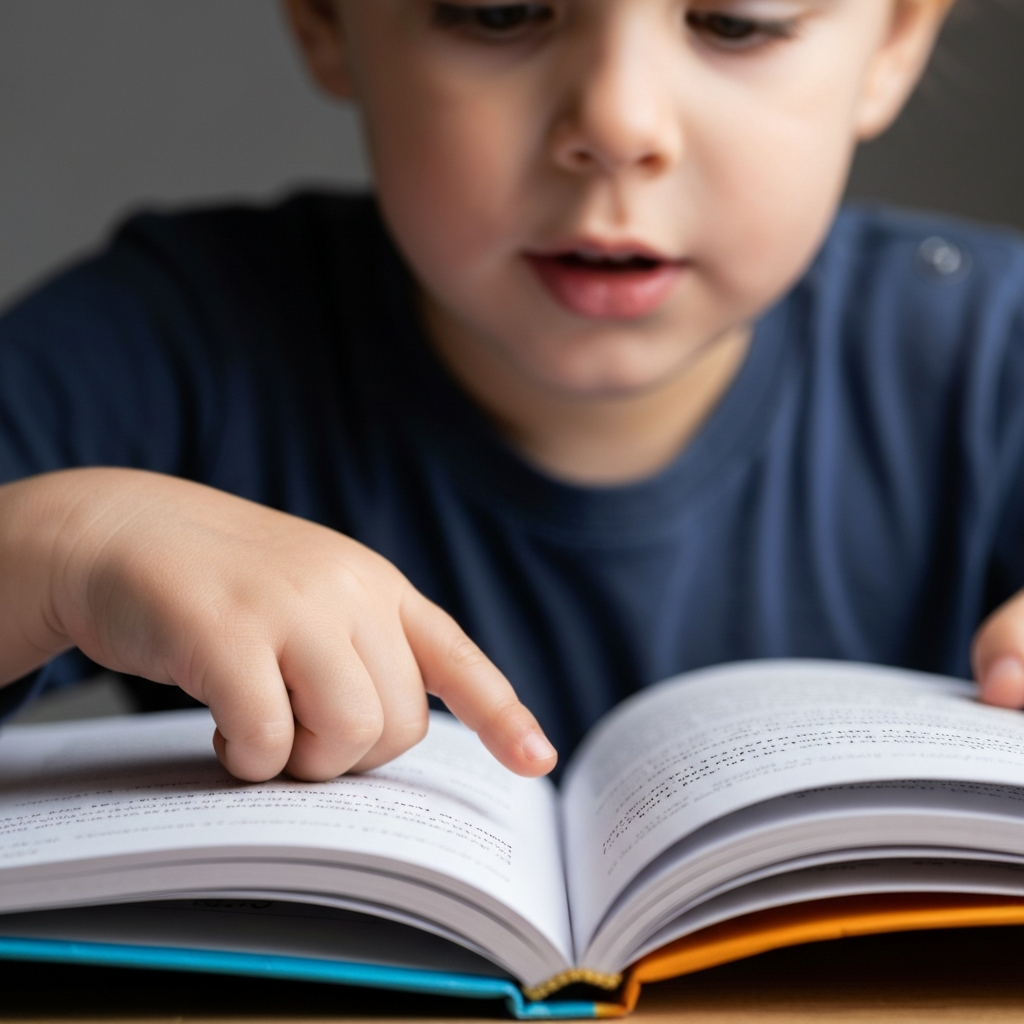
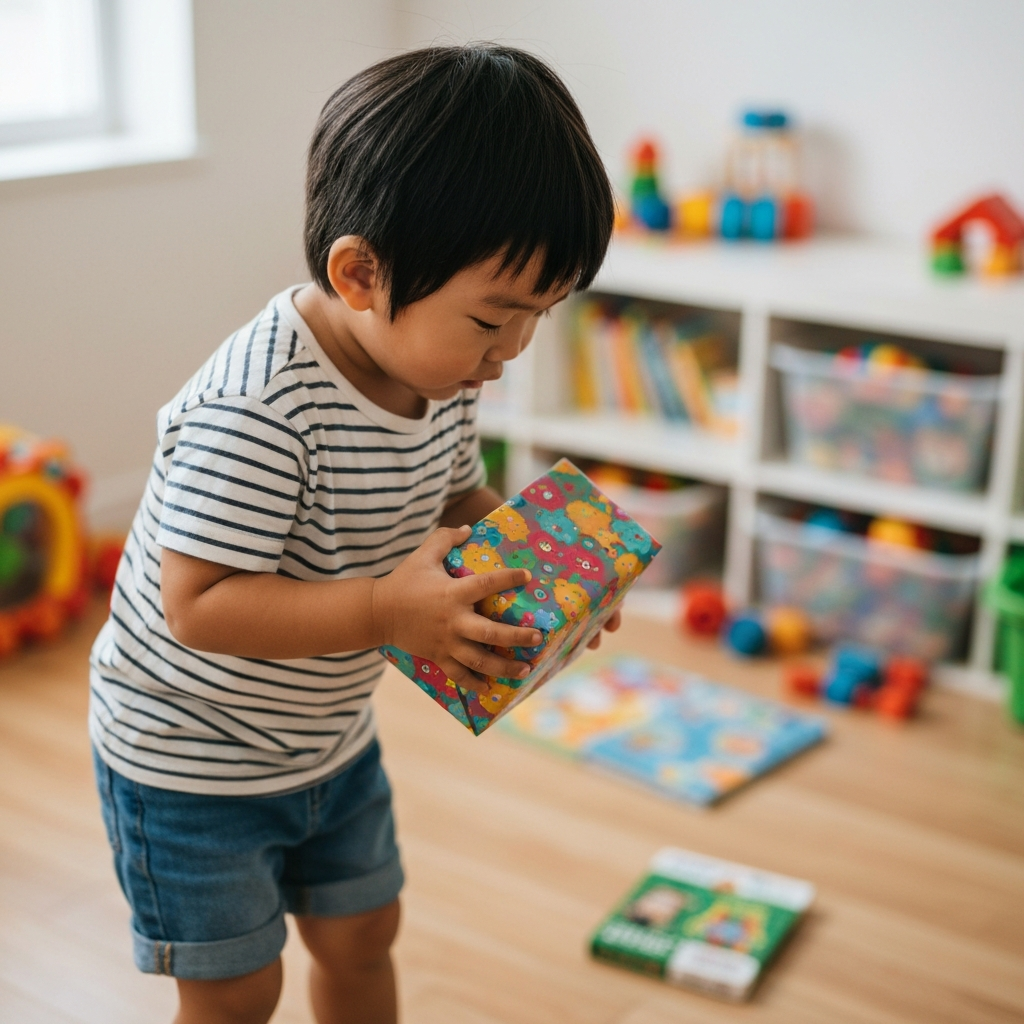
This engaging game encourages children to use their senses to make predictions. Place a variety of small objects—coins, marbles, beans—into a closed box. Allow the child to hold, shake, and listen to the box, then ask them to guess the contents based on the sounds and weight. This activity develops their observational skills and encourages them to make inferences based on limited information. Small objects work well for this activity. Vary the objects inside the box to keep the game interesting.
Step 6: Imagine What Happens Next in Photographs
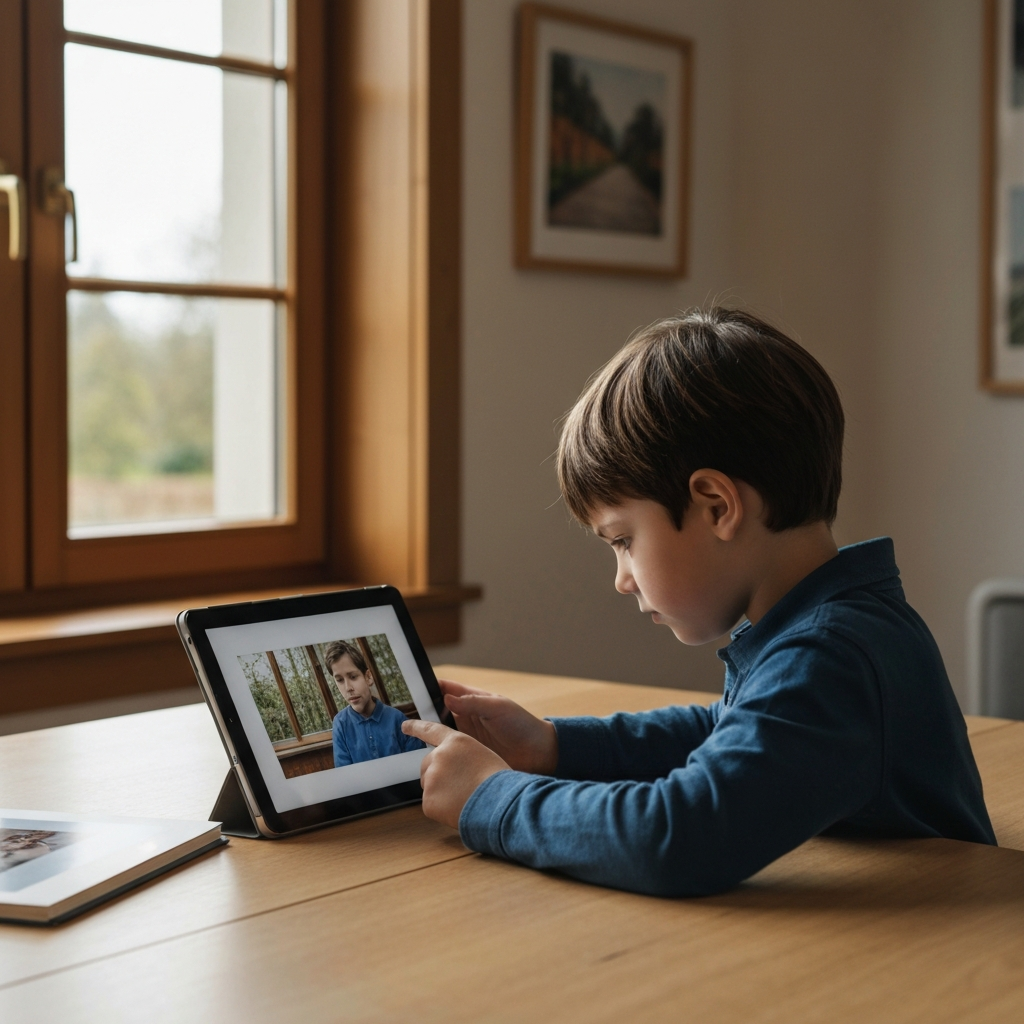
Present a child with a photograph depicting a scene in progress, such as someone about to pour a glass of juice or a ball rolling down a hill. Ask them to predict what will happen next, based on the visual information provided. Encourage them to point out specific details in the image that support their prediction. Advertisements and news stories are a good source for images to use in this activity. This activity enhances their visual reasoning skills and encourages them to analyze cause-and-effect relationships.
Step 7: Let Them Guess How Objects Feel
Gather objects with distinct textures—soft, rough, smooth, bumpy. Show the objects to the child and ask them to predict how they will feel to the touch, without actually touching them. This exercise encourages them to use their visual perception and prior knowledge to anticipate sensory experiences. For each object, you can ask, “What do you think this will feel like?” This helps build the connections between sight and other senses.

Step 8: Ask "What If" Questions
Pose imaginative "what if" questions to encourage children to think about hypothetical scenarios and their potential consequences. "What if animals could talk? What if we could fly? What if it snowed in summer?" Encourage them to explore the possibilities and consider the potential impacts of these fantastical situations. To help encourage a healthy imagination, pose “what if” questions to your child This is a powerful method for expanding their creativity and fostering abstract thinking.
Step 9: Examine the Cover (While Reading)
Before starting a new book, take time to examine the cover together. Ask the child to make predictions about the story based solely on the title, illustrations, and any other visual cues. What characters might be involved? What kind of adventure might they embark on? Ask: “By looking at the cover, what do you think this story is about?” This sets the stage for active engagement and encourages them to form initial hypotheses about the narrative.
Step 10: Stop Throughout the Story (While Reading)
During reading sessions, pause periodically to ask the child what they think will happen next. Encourage them to consider the plot development, character motivations, and any clues presented in the text or illustrations. Compare their predictions to what has already transpired in the story. You can say, “Is this what you thought would happen? What do you think will happen now?” This reinforces the importance of analyzing information and adjusting predictions as new evidence emerges.
Step 11: Reflect After Reading
After finishing a book, take time to reflect on the predictions that were made throughout the reading process. Discuss whether the child's initial predictions came true, and if not, what factors might have led to a different outcome. Analyze any clues that were missed or misinterpreted. If they did not predict the ending, you might say, “Are there any clues that you missed that could have helped you predict the ending?” This helps solidify their understanding of cause-and-effect relationships and reinforces the importance of continuous learning.
Step 12: Record Their Predictions
For older children who are reading chapter books independently, encourage them to keep a prediction journal. After each chapter, they can write a brief summary of what they think will happen next, along with their reasoning. This activity encourages self-reflection and allows them to track the evolution of their predictions over time. Ask them to record what they think might happen in the next chapter. For younger children, they can draw pictures of what they think will happen next.
Tools or Materials Required
- Colorful blocks or shapes
- Boxes of various sizes
- Small objects with different textures (e.g., stone, feather, sandpaper)
- Photographs or illustrations
- Children's books
- Notebook and pencil (optional)
Common Mistakes to Avoid
- Demanding correct answers. Focus on the process of reasoning, not the accuracy of the prediction.
- Overly correcting their predictions. Allow them to learn from their mistakes.
- Making it feel like a test. Keep the activities fun and engaging.
Pro Tips
- Incorporate prediction activities into daily routines.
- Be patient and supportive.
- Encourage creativity and imagination.
- Model prediction skills yourself.
FAQ Section
- What is the best age to start teaching prediction skills?
- While you can introduce prediction concepts at any age, preschool years are ideal as children are naturally curious and developing pattern recognition skills.
- How can I make prediction activities more engaging?
- Turn them into games! Use rewards and positive reinforcement to encourage participation.
- What if my child struggles to make predictions?
- Provide gentle guidance and prompts. Break down complex situations into smaller, more manageable steps.
Conclusion
Teaching children prediction skills is an investment in their future cognitive development. By encouraging pattern recognition, engaging in prediction-based games, and using reading as a platform for anticipatory thinking, you can equip children with valuable tools for problem-solving, critical thinking, and lifelong learning. Remember, the key is to make learning fun and engaging, fostering a love of exploration and discovery. With patience and consistent effort, you can help children become confident and capable predictors.