Electric bikes are a fantastic investment, offering a blend of fitness, convenience, and eco-friendliness. However, like any piece of valuable equipment, proper storage is crucial to maximizing its lifespan and ensuring optimal performance. Unlike regular bikes, e-bikes have electrical components, particularly the battery, that require special attention when storing.
Whether you're facing a long winter break from riding or simply need to put your e-bike away for a few days, understanding the best practices for storage can prevent costly repairs and maintain battery health. This guide provides a comprehensive, step-by-step approach to storing your electric bike, covering both short-term and long-term scenarios.
Following these expert tips, you’ll be able to confidently store your e-bike and enjoy worry-free rides for years to come. Let's dive in and learn how to protect your investment.
Step 1: Determine Your Storage Timeline
Before you do anything else, assess how long you plan to store your electric bike. This will determine the necessary steps. Short-term storage (a few days to a week) requires less preparation than long-term storage (several weeks or months). If you plan to ride again within the next few days, minimal preparation is needed, primarily ensuring the bike is powered off and stored in a suitable environment. For anything longer, more detailed steps are essential to maintain battery health and prevent damage to other components. Failure to assess the correct duration can lead to diminished battery life.
Step 2: Power Down Your E-Bike
Always turn off your electric bike before storing it, regardless of the storage duration. This prevents accidental activation and unnecessary battery drain. Locate the power button, usually located on the handlebar console or the battery itself, and press it until the display turns off. Some e-bikes have an automatic shut-off feature after a period of inactivity, but it’s always best to manually power it down. Leaving the bike powered on, even if idle, can gradually deplete the battery, especially if the display remains active. This simple step can significantly extend the time between charges, even for short-term storage.
Step 3: Clean Your E-Bike (If Necessary)
While not always essential, cleaning your e-bike before storage, especially long-term, is a good practice. Remove any mud, dirt, or grime from the frame, tires, and components using a soft cloth and mild detergent. Pay particular attention to the chain and drivetrain, as accumulated dirt can cause corrosion during storage. Avoid using high-pressure water hoses, as they can force water into sensitive electrical components. A quick wipe-down prevents dirt from hardening and causing potential damage over time, making your e-bike ready for action when you retrieve it.
Step 4: Battery Removal and Storage (Long-Term)
For long-term storage, removing the battery is crucial for preserving its lifespan and preventing damage. Most e-bike batteries are easily removable, often secured with a key or release mechanism. Refer to your e-bike's user manual for specific instructions on battery removal. Once removed, store the battery separately in a cool, dry place, away from direct sunlight and extreme temperatures. The ideal storage temperature is typically between 32°F and 68°F (0°C and 20°C). Storing the battery within this range minimizes degradation and ensures optimal performance when you're ready to ride again. Never leave the battery exposed to direct sunlight or extreme temperature swings, as this can significantly reduce its lifespan and pose a safety risk.
Step 5: Battery Charge Level for Storage
The ideal battery charge level for long-term storage depends on the battery type. For Lithium-ion batteries, which are the most common in modern e-bikes, storing the battery with a charge level between 40% and 70% is generally recommended. Check your battery's indicator lights or display screen to determine the current charge level. If the charge is too high, take a short ride to deplete it slightly. If it's too low, charge it briefly to reach the recommended range. For older Nickel-Metal Hydride (NiMH) or Lead-acid batteries, a full charge might be preferable; however, consult your e-bike's manual for specific recommendations. Maintaining the correct charge level prevents over-discharge, which can damage the battery's cells and reduce its overall capacity. Getting this step right is one of the most important things to maintaining your battery health.
Step 6: Environmental Considerations: Temperature and Humidity
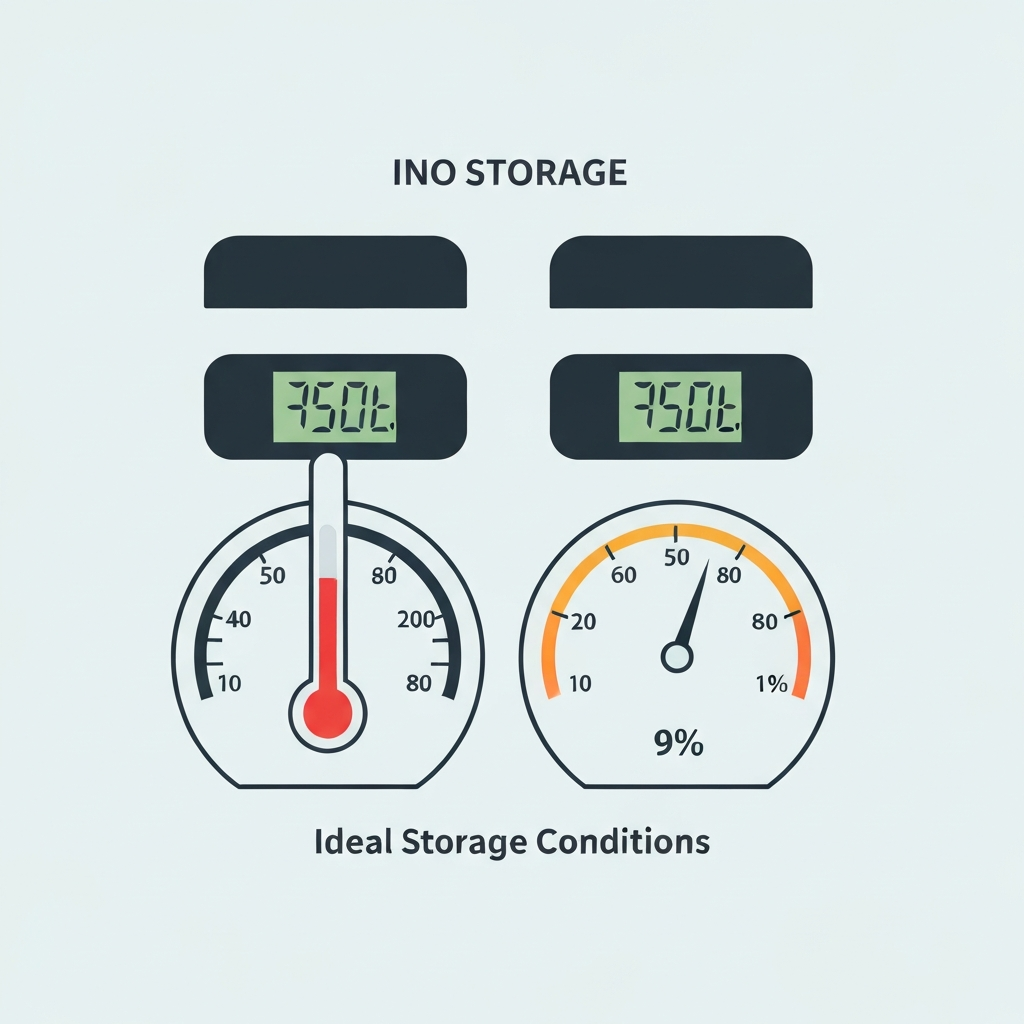
Temperature and humidity play a significant role in the longevity of your e-bike's battery and other components. Extreme temperatures, both hot and cold, can damage the battery and other electrical components. High humidity can lead to corrosion and rust. Store your e-bike and its battery in a dry, climate-controlled environment whenever possible. A garage, shed, or basement can be suitable, provided they are not excessively damp or prone to extreme temperature fluctuations. Avoid storing the bike near sources of heat, such as radiators or direct sunlight. Proper environmental control extends the life of not only your battery, but all the electrical components and even the frame, saving potentially thousands of dollars in future repairs.
Step 7: E-Bike Positioning and Security
Consider how you will position and secure your e-bike during storage. If space is limited, a wall-mounted rack or a vertical bike stand can be an excellent solution. These options keep the bike off the floor, saving space and preventing potential damage. If storing the bike on the floor, ensure it is stable and won't easily tip over. If storing in a public or shared space, use a sturdy bike lock to deter theft. A U-lock or a chain lock are generally more secure than cable locks. Investing in a quality lock provides peace of mind and protects your valuable e-bike from potential theft or damage.
Step 8: Tire Pressure Management
Before long-term storage, inflate your e-bike's tires to the recommended pressure, as indicated on the tire sidewall. Tires gradually lose air pressure over time, and storing the bike with under-inflated tires can lead to flat spots and damage the tire sidewalls. Check the tire pressure periodically during storage and re-inflate as needed. Maintaining proper tire pressure not only prevents damage but also ensures a smoother and more efficient ride when you take your e-bike out of storage.
Step 9: Cable and Wire Inspection
Take a moment to inspect the cables and wires on your e-bike before storage. Look for any signs of damage, such as fraying, cuts, or kinks. Damaged cables can lead to electrical problems and pose a safety risk. If you notice any damage, repair or replace the affected cables before storing the bike. Securing loose cables with zip ties or Velcro straps can also prevent them from rubbing against the frame and causing further damage during storage. Addressing these minor issues before storage can prevent them from escalating into more significant problems later.
Step 10: Regular Battery Check-Ups (Long-Term)
Even during long-term storage, it's essential to check your e-bike battery periodically. Every few months, check the battery's charge level and recharge it if it has dropped below the recommended storage level. This prevents the battery from completely discharging, which can damage its cells and reduce its lifespan. It's also an excellent opportunity to inspect the battery for any signs of damage, such as swelling or corrosion. Addressing any issues early on can prevent them from escalating into more significant problems, ensuring your battery remains in good condition for years to come.
Tools or Materials Required
- Soft cloth
- Mild detergent
- Bike pump
- Bike lock (U-lock or chain lock)
- Wall-mounted rack or vertical bike stand (optional)
- Zip ties or Velcro straps (optional)
- Battery charger
Common Mistakes to Avoid
- Storing the e-bike in direct sunlight or extreme temperatures.
- Storing the battery at a full charge or completely discharged for extended periods.
- Using the wrong charger for the battery.
- Ignoring signs of damage to cables or wires.
- Failing to check tire pressure during storage.
FAQ Section
Q: Can I store my e-bike outside?
A: While it's possible to store your e-bike outside, it's not recommended for long-term storage. Exposure to the elements can damage the battery, frame, and other components. If you must store your e-bike outside, cover it with a waterproof cover and ensure it's securely locked.
Q: How often should I charge the battery during long-term storage?
A: Check the battery's charge level every few months and recharge it if it has dropped below the recommended storage level (typically 40% to 70% for Lithium-ion batteries).
Q: Can I store my e-bike battery in the refrigerator?
A: No, storing Lithium-ion batteries in the refrigerator is not recommended. The cold temperature can damage the battery's cells. However, for older Lead-acid batteries, the refrigerator *might* be acceptable. Always consult your e-bike's user manual.
Safety Considerations
- Always follow the manufacturer's instructions for battery removal, storage, and charging.
- Never use a charger that is not specifically designed for your e-bike's battery.
- Inspect the battery for any signs of damage before each use.
- Store the battery in a safe location away from flammable materials.
Pro Tips
- Create a checklist of storage tasks to ensure you don't forget any steps.
- Label the battery with the date it was last charged.
- Take photos of the e-bike and battery before storage to document their condition.
Conclusion
Properly storing your electric bike is an investment in its longevity and performance. By following these steps, you can protect your valuable investment and enjoy worry-free rides for years to come. Remember to consider the storage timeline, battery type, and environmental factors to ensure optimal storage conditions. With a little preparation and attention to detail, you can confidently store your e-bike and keep it ready for your next adventure.