The Exhaust Gas Recirculation (EGR) valve plays a crucial role in reducing harmful emissions and improving fuel efficiency in your 1994-1998 Ford Mustang V6. When this valve malfunctions, it can lead to a rough idle, poor acceleration, and, most commonly, a "Check Engine" light. Fortunately, replacing the EGR valve is a task that most moderately skilled DIYers can tackle in a few hours, saving you money on costly mechanic fees.
This comprehensive guide provides step-by-step instructions for replacing the EGR valve on your 3.8L V6 Mustang. We'll cover everything from preparation and removal to installation and testing, ensuring a smooth and successful repair. Follow these steps carefully, and you'll have your Mustang running smoothly in no time.
Before you begin, it’s important to note that working on your car involves inherent risks. Always prioritize safety by wearing appropriate safety glasses and gloves. If you are not comfortable performing this task, seek assistance from a qualified mechanic.
Tools or Materials Required
- New EGR valve (specifically for 1994-1998 Ford Mustang 3.8L V6)
- New EGR valve gasket
- Socket set (including 10mm socket)
- Wrench set (including 10mm, 15mm, and 24mm wrenches)
- 3/8" Ratchet
- 3/8" Torque wrench
- 15mm crowsfoot wrench
- Penetrating oil
- Scotch-Brite pad or gasket scraper
- Magnetic retrieval tool (optional, but highly recommended)
- OBDII scanner (for clearing codes)
- Electrical tape
- Safety Glasses
- Gloves
Step 1: Prepare the Vehicle
Open the Hood and Disconnect the Battery
Begin by safely opening the hood of your Mustang. Locate the primary hood latch under the dashboard on the driver's side and pull it. Then, find the secondary hood latch located in the grill above the front bumper. Release it and lift the hood, securing it with the hood prop. Next, disconnect the negative battery cable using a wrench (usually 8mm or 10mm). Cover the battery terminal with electrical tape to prevent accidental contact and sparks. This crucial step prevents electrical shorts and ensures your safety during the repair process.
Step 2: Access the EGR Valve
Remove EGR Pressure Sensor Bracket
Locate the EGR pressure sensor and its bracket near the EGR valve. Use a 10mm socket or wrench to remove the bolts holding the bracket in place. Carefully disconnect the tubes connected to the bottom of the EGR pressure sensor. These tubes can be brittle with age, so handle them with care to avoid cracking or breaking them. Set the sensor and bracket aside in a safe place.
Step 3: Loosen the EGR Valve Connections
Apply Penetrating Oil
The bolts securing the EGR valve and the nut connecting the EGR tube can often be seized due to heat and corrosion. Before attempting to remove them, liberally spray penetrating oil onto the EGR bolts (located on top of the intake manifold) and the EGR tube nut. Allow the penetrating oil to soak for at least 15 to 60 minutes. This will significantly ease the removal process and prevent damage to the bolts and threads.
Step 4: Remove the EGR Valve
Disconnect the EGR Tube and Hoses
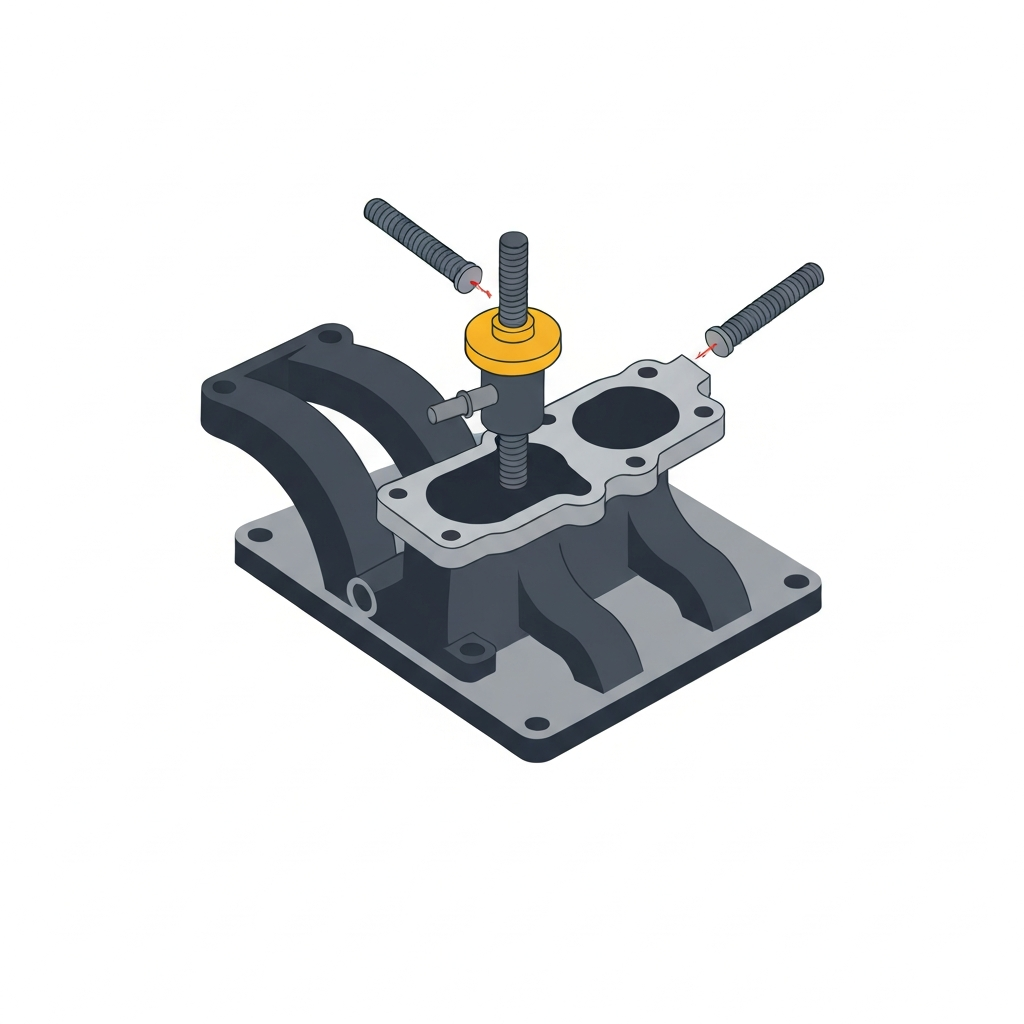
Using a 24mm wrench, carefully loosen and remove the nut connecting the EGR tube to the EGR valve. Then, using a 10mm socket and ratchet, remove the bolts securing the EGR valve to the upper intake manifold. Disconnect the two small vacuum hoses attached to the EGR valve. Remember which hose goes where, or take a picture before disconnecting them; proper reconnection is crucial. These hoses can be brittle, so handle them with care. If they are cracked or damaged, replace them.
Step 5: Remove the Old EGR Valve and Clean the Surface
Remove Valve and Prep Surface
Carefully remove the old EGR valve from the upper intake manifold. Inspect the gasket surface on the intake manifold. Use a Scotch-Brite pad or a gasket scraper to remove any remaining gasket material. Ensure the surface is clean and smooth to provide a good seal for the new EGR valve. Be careful not to gouge or damage the intake manifold surface during this process.
Step 6: Install the New EGR Valve
Install New EGR Valve and Gasket
Inspect the bolts you removed earlier for any signs of damage or corrosion. Replace them if necessary. Place the new gasket onto the EGR valve, aligning the bolt holes. Position the EGR valve assembly onto the upper intake manifold, ensuring the gasket is properly seated. Thread the bolts in by hand a few turns to prevent cross-threading.
Step 7: Torque the EGR Valve Bolts
Torque to Spec
Using a 3/8" torque wrench and a 10mm socket, torque the two EGR valve bolts to 25 Nm (18 ft-lbs). It is crucial to torque the bolts to the specified value to ensure a proper seal and prevent leaks. Over-tightening can damage the manifold or bolts, while under-tightening can lead to vacuum leaks and performance issues.
Step 8: Reconnect the EGR Tube
Torque EGR Tube Nut
Install the EGR tube onto the new EGR valve. Using a 3/8" torque wrench and a 15mm crowsfoot wrench, torque the retaining nut to 45 Nm (33 ft-lbs). The crowsfoot wrench is necessary to properly access the nut without damaging the EGR tube. Again, proper torque is essential for a leak-free connection.
Step 9: Reinstall the EGR Pressure Sensor
Reconnect Sensor and Tubes
Reinstall the EGR pressure sensor and its bracket. Torque the bracket hardware to 25 Nm (18 ft-lbs). Reconnect both small rubber tubes to their respective spots on the EGR valve and the intake manifold. Ensure the longest tube is connected to the intake manifold, and the other is connected to the new EGR valve. A loose or incorrect connection can cause vacuum leaks and performance problems.
Step 10: Final Checks and Testing
Reconnect Battery and Test
Reconnect the negative battery terminal. Turn the ignition to the "key on, engine off" position and reset your radio presets and clock. Start the vehicle and listen carefully for any air leaks around the EGR valve and tube connections. If you hear hissing or whistling sounds, re-inspect and tighten the connections as necessary. Place the hood prop back into its original position and close the hood, ensuring it latches properly. Take the vehicle for a test drive to check for proper operation.
Step 11: Clear Diagnostic Codes
Scan for Codes
Using an OBDII scanner, scan the vehicle for any diagnostic trouble codes (DTCs). If you find any EGR-related codes, clear them. A successful EGR valve replacement should eliminate these codes, but it's always a good idea to double-check.
Common Mistakes to Avoid
- Stripping bolts: Always use the correct size wrench or socket and avoid applying excessive force, especially when dealing with corroded fasteners. Penetrating oil is your friend!
- Forgetting to disconnect the battery: This can lead to electrical shorts and potentially damage sensitive electronic components.
- Incorrect hose connections: Pay close attention to the hose routing and take pictures if necessary to ensure proper reconnection.
- Not using a new gasket: Reusing the old gasket is a recipe for leaks. Always install a new gasket when replacing the EGR valve.
- Over- or under-torquing bolts: Use a torque wrench to ensure proper tightening and prevent damage or leaks.
Safety Considerations
- Always wear safety glasses and gloves when working on your car.
- Work in a well-ventilated area.
- Allow the engine to cool completely before starting the repair.
- If you are not comfortable with any of these steps, seek assistance from a qualified mechanic.
Pro Tips
- Purchase a high-quality EGR valve from a reputable brand to ensure proper fit and performance.
- Consider replacing any worn or cracked vacuum hoses while you have everything apart.
- A magnetic retrieval tool can be a lifesaver for retrieving dropped bolts or small parts.
FAQ Section
Q: How do I know if my EGR valve is bad?
A: Common symptoms of a bad EGR valve include a rough idle, poor acceleration, decreased fuel economy, and a "Check Engine" light.
Q: Can I clean my EGR valve instead of replacing it?
A: While cleaning the EGR valve is possible, it's often a temporary fix. Replacing the valve is generally the more reliable long-term solution.
Q: How much does it cost to replace an EGR valve on a Mustang?
A: The cost can vary depending on the price of the EGR valve and whether you're doing it yourself or hiring a mechanic. A DIY replacement might cost $50-$150 for the part, while a mechanic could charge $200-$400 including labor.
Conclusion
Replacing the EGR valve on your 1994-1998 Ford Mustang V6 is a manageable task for the experienced DIYer. By following these detailed steps and taking your time, you can restore your Mustang's performance and reduce harmful emissions. Remember to prioritize safety, use the correct tools, and pay attention to detail. With a little effort, you can save money and enjoy a smoother-running Mustang for years to come.