An ATV, or All-Terrain Vehicle, can be much more than just a recreational toy. With the right knowledge, maintenance, and accessories, your ATV can become a valuable asset for work, exploration, and even emergency situations. Whether you're a landowner managing acreage, an outdoor enthusiast exploring trails, or someone who simply appreciates the versatility of these machines, this guide will help you unlock the full potential of your ATV.
Many riders underestimate the importance of routine maintenance and the impact that strategic upgrades can have on their ATV's performance and capabilities. From ensuring optimal engine performance to equipping your ATV for specific tasks, we'll cover essential aspects that will enhance its lifespan, usability, and safety. Prepare to transform your ATV into a reliable and powerful tool.
This guide isn't just about buying accessories; it's about understanding how to properly care for your ATV, choose the right enhancements for your needs, and operate it safely and responsibly. Let's dive in and discover how to get the most from your ATV.
Step 1: Regular Battery Maintenance
Maintaining your ATV's battery is crucial for reliable starting and overall performance. For conventional, non-sealed batteries, periodically check the electrolyte levels in each cell. If the fluid is low, carefully add distilled water until the plates are submerged. Avoid overfilling, as this can cause acid spillage during charging. For sealed batteries, while you can't add fluid, regular voltage checks are still important. Use a multimeter to ensure the battery holds a charge appropriate for its type (usually around 12.6 volts when fully charged).
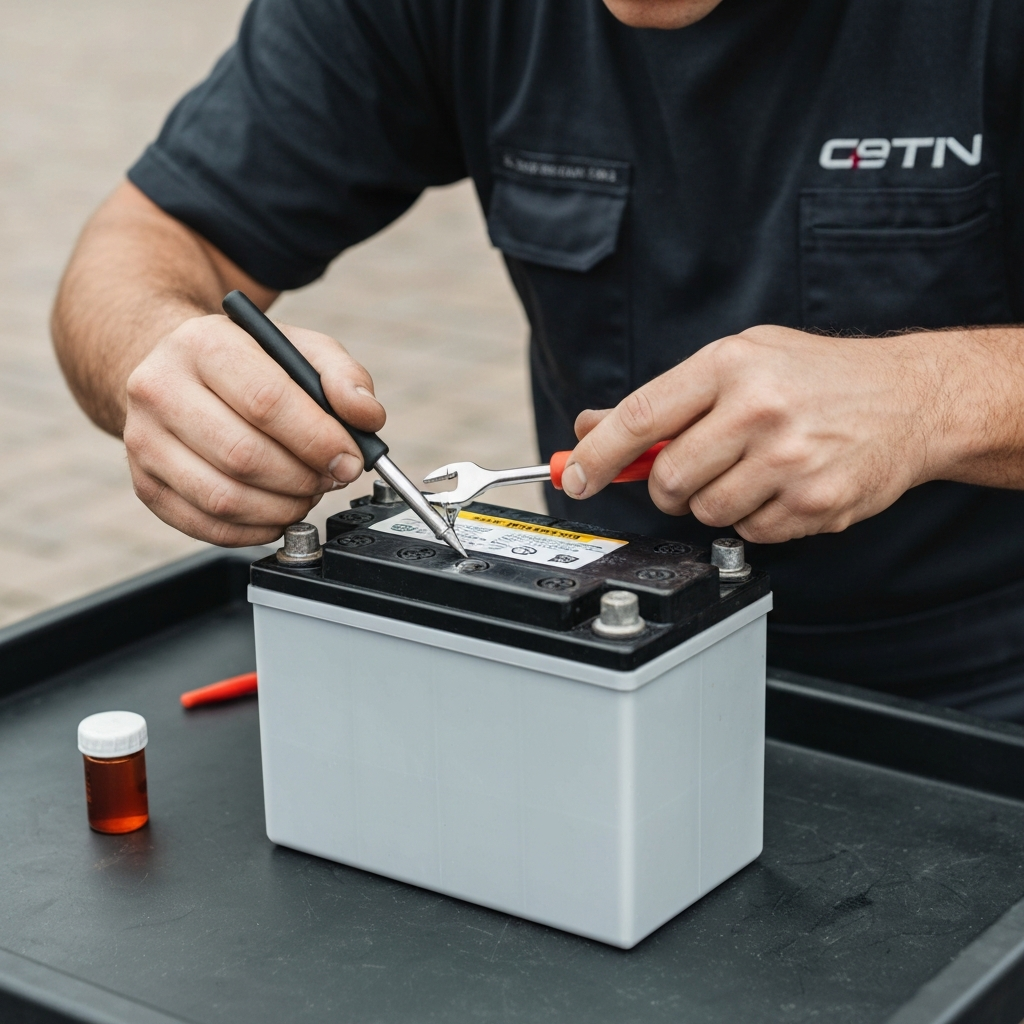
Step 2: Inspect the Battery's Condition
Visual inspection of your ATV's battery is just as important as checking its fluid levels (if applicable). Look for signs of acid leakage, which can corrode nearby components and damage the battery itself. Examine the terminals for corrosion, which appears as a white or bluish-green deposit. Clean corroded terminals with a mixture of baking soda and water, using a wire brush. Rinse thoroughly and apply a terminal protector spray or grease to prevent future corrosion. Also, check the battery casing for cracks or damage. A damaged casing can lead to electrolyte leaks and a reduced battery lifespan.
Step 3: Equip with a Winch
A winch can dramatically increase your ATV's utility, turning it into a self-recovery tool and a valuable asset for various tasks. When selecting a winch, consider its pulling capacity; a general rule of thumb is to choose one with a capacity at least 1.5 times the weight of your ATV. Install the winch securely to the ATV's frame, ensuring proper wiring and cable routing. Regularly inspect the winch cable or rope for fraying or damage. Learn to use the winch safely, understanding proper anchoring techniques and load limits. A winch can be invaluable for clearing fallen trees, moving heavy objects, or extracting your ATV from difficult terrain.
Step 4: Add a Plow for Snow Removal
Transform your ATV into a snow-clearing machine by attaching a plow. Several types of ATV plows are available, including straight blades, V-plows, and snow blowers. Choose a plow that suits your needs and the type of snow you typically encounter. Proper installation is crucial for effective plowing and to avoid damaging your ATV. Follow the manufacturer's instructions carefully and ensure all connections are secure. When plowing, use low gear and a slow, steady speed. Avoid pushing excessive amounts of snow at once, as this can strain the ATV's engine and transmission. Remember to adjust the plow's angle to efficiently direct the snow away from your driveway or path.
Step 5: Attach a Utility Trailer
A trailer significantly expands your ATV's hauling capacity. When selecting a trailer, consider its weight capacity, bed size, and tire type. Ensure the trailer's hitch is compatible with your ATV's receiver. Properly secure your cargo to prevent shifting during transport, using straps or tie-downs. Distribute the weight evenly in the trailer to maintain stability. When towing a trailer, reduce your speed and increase your following distance. Be aware of the added length when turning and maneuvering in tight spaces. Regularly inspect the trailer's tires, lights, and hitch for wear and tear.
Step 6: Enhance Lighting and Navigation
Upgrading your ATV's lighting and navigation systems can significantly improve safety, especially during nighttime riding or in remote areas. Install high-intensity LED headlights for better visibility. Consider adding auxiliary lights, such as spotlights or floodlights, for enhanced illumination. Equip your ATV with a GPS unit or a smartphone mount with a reliable navigation app. Download offline maps for areas with limited or no cell service. Carry a compass and a paper map as a backup. Learn how to use your navigation tools effectively, and practice using them in familiar areas before venturing into unfamiliar terrain. Always inform someone of your planned route and estimated return time.
Safety Considerations
Operating an ATV can be dangerous if proper safety precautions are not followed. Always wear a helmet, eye protection, gloves, and appropriate riding gear. Never operate an ATV under the influence of alcohol or drugs. Be aware of your surroundings and ride within your abilities. Avoid riding on paved roads, unless specifically permitted by local laws. Take an ATV safety course to learn proper riding techniques and hazard avoidance. Inspect your ATV before each ride, checking the tires, brakes, lights, and fluid levels. Be mindful of wildlife and respect their habitat. Never carry passengers unless the ATV is specifically designed for two riders.
Pro Tips
- Invest in quality tires suitable for the terrain you typically ride on.
- Regularly clean and lubricate your ATV's chain or driveshaft.
- Use fuel stabilizer when storing your ATV for extended periods.
- Consider installing handguards to protect your hands from branches and debris.
- Carry a basic tool kit and a first-aid kit on every ride.
FAQ Section
- How often should I change the oil in my ATV?
- Refer to your ATV's owner's manual for the recommended oil change interval. Typically, it's every 50-100 hours of riding, or at least once a year.
- What type of fuel should I use in my ATV?
- Use the fuel grade recommended in your ATV's owner's manual. Most ATVs require regular unleaded gasoline with an octane rating of 87 or higher.
- How do I store my ATV for the winter?
- Before storing your ATV, add fuel stabilizer to the gas tank, change the oil, lubricate all moving parts, and disconnect the battery. Store the ATV in a dry, covered location.
Conclusion
Getting the most from your ATV involves more than just recreational riding. By implementing regular maintenance, adding strategic accessories, and prioritizing safety, you can transform your ATV into a versatile tool for work, exploration, and even emergency preparedness. Remember to consult your owner's manual for specific recommendations and always operate your ATV responsibly. With the right approach, your ATV can provide years of reliable service and enhance your outdoor experiences.