Embarking on a journey towards improved fitness and athletic performance can seem daunting, but it's absolutely achievable with the right approach. Forget the notion of instant transformation; lasting change comes from consistent effort, smart planning, and a genuine enjoyment of the process. This guide will provide you with a structured framework to unlock your inner athlete, regardless of your current fitness level.
We'll break down the process into manageable steps, focusing on building a solid foundation of strength, endurance, and healthy habits. Each stage will be accompanied by practical tips, potential pitfalls to avoid, and expert advice to ensure you stay on track and motivated. Remember, the goal isn't to become a professional athlete overnight, but to cultivate a sustainable and fulfilling lifestyle centered around physical activity.
This isn't just about hitting the gym; it's about understanding your body, setting realistic goals, and finding activities you genuinely enjoy. Prepare to challenge yourself, celebrate your progress, and discover the incredible athlete within.
Step 1: Assessing Your Starting Point
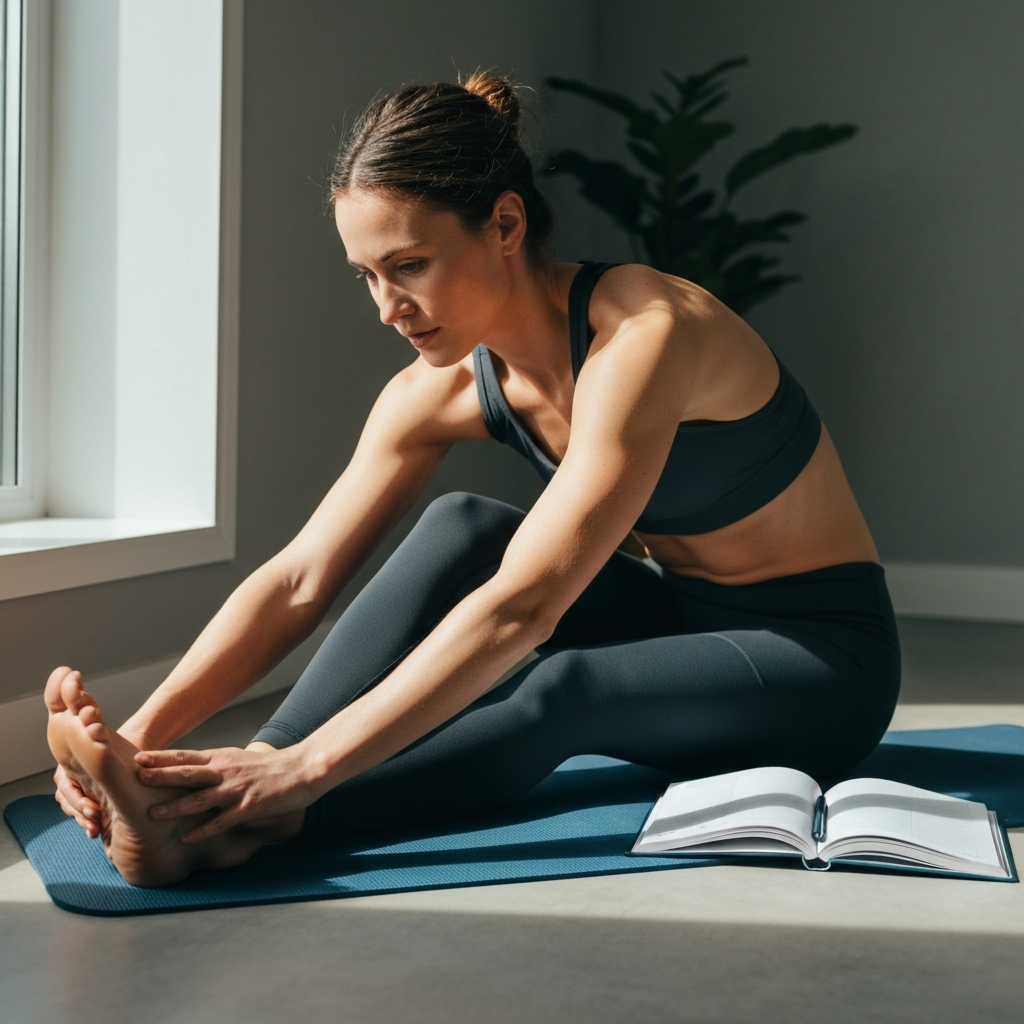
Before diving headfirst into a new fitness regime, it's crucial to accurately assess your current physical condition. This involves evaluating your cardiovascular fitness, strength, flexibility, and body composition. A simple self-assessment can provide valuable insights into your strengths and weaknesses, allowing you to tailor your training plan accordingly. Don't be afraid to be honest with yourself; this is a starting point, not a judgment.
Step 2: Setting Realistic and Achievable Goals
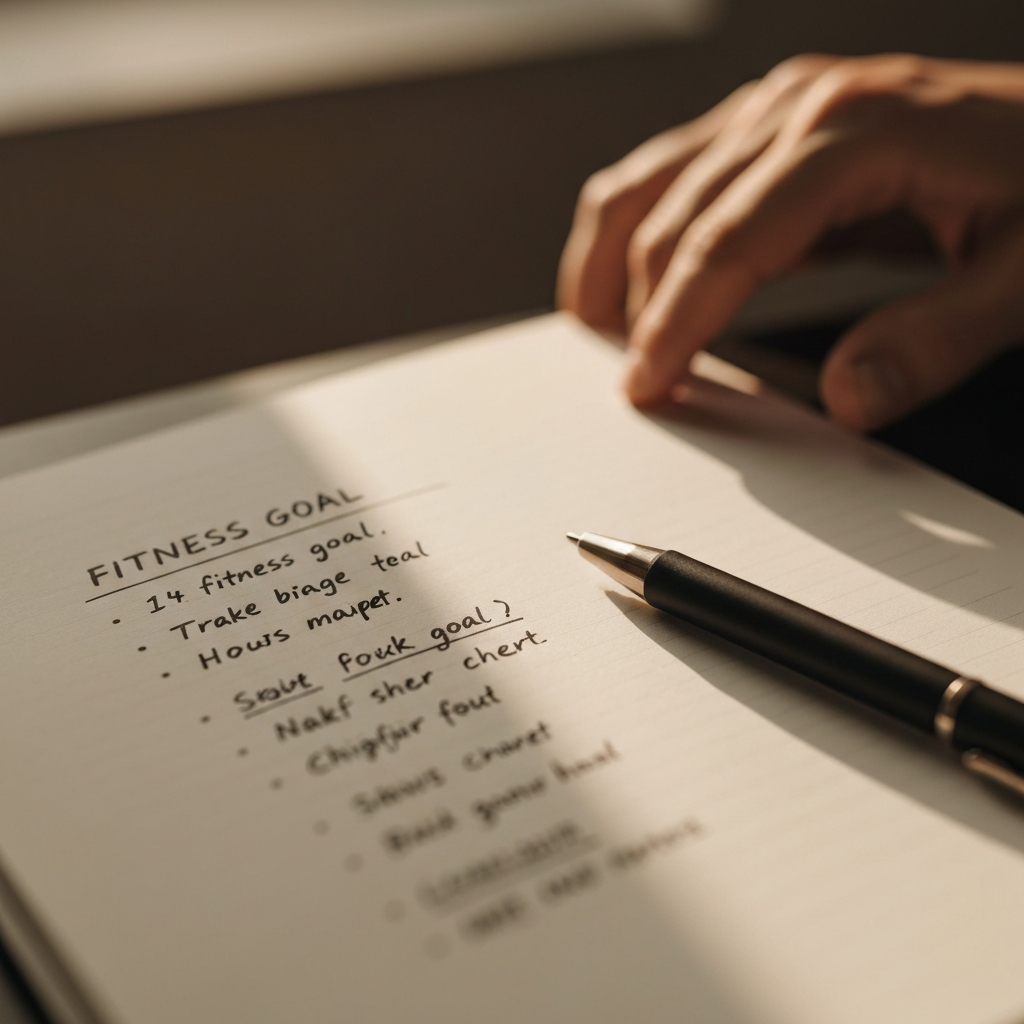
Once you have a clear picture of your current fitness level, it's time to set some realistic and achievable goals. Avoid setting overly ambitious targets that can lead to discouragement and burnout. Instead, focus on smaller, incremental improvements that you can consistently achieve. Whether it's running a 5k, lifting a certain weight, or simply improving your overall energy levels, make sure your goals are SMART: Specific, Measurable, Achievable, Relevant, and Time-bound. Write down your goals and track your progress regularly to stay motivated.
Step 3: Designing a Balanced Workout Routine
A well-rounded workout routine should incorporate a variety of exercises targeting different aspects of fitness. This typically includes cardiovascular training (e.g., running, swimming, cycling), strength training (e.g., weightlifting, bodyweight exercises), and flexibility/mobility work (e.g., stretching, yoga). Aim for at least 150 minutes of moderate-intensity or 75 minutes of vigorous-intensity aerobic activity per week, along with strength training exercises targeting all major muscle groups at least twice a week. Consulting with a certified personal trainer can be beneficial to design a safe and effective program tailored to your individual needs and goals.
Step 4: Mastering the Fundamentals of Exercise Technique
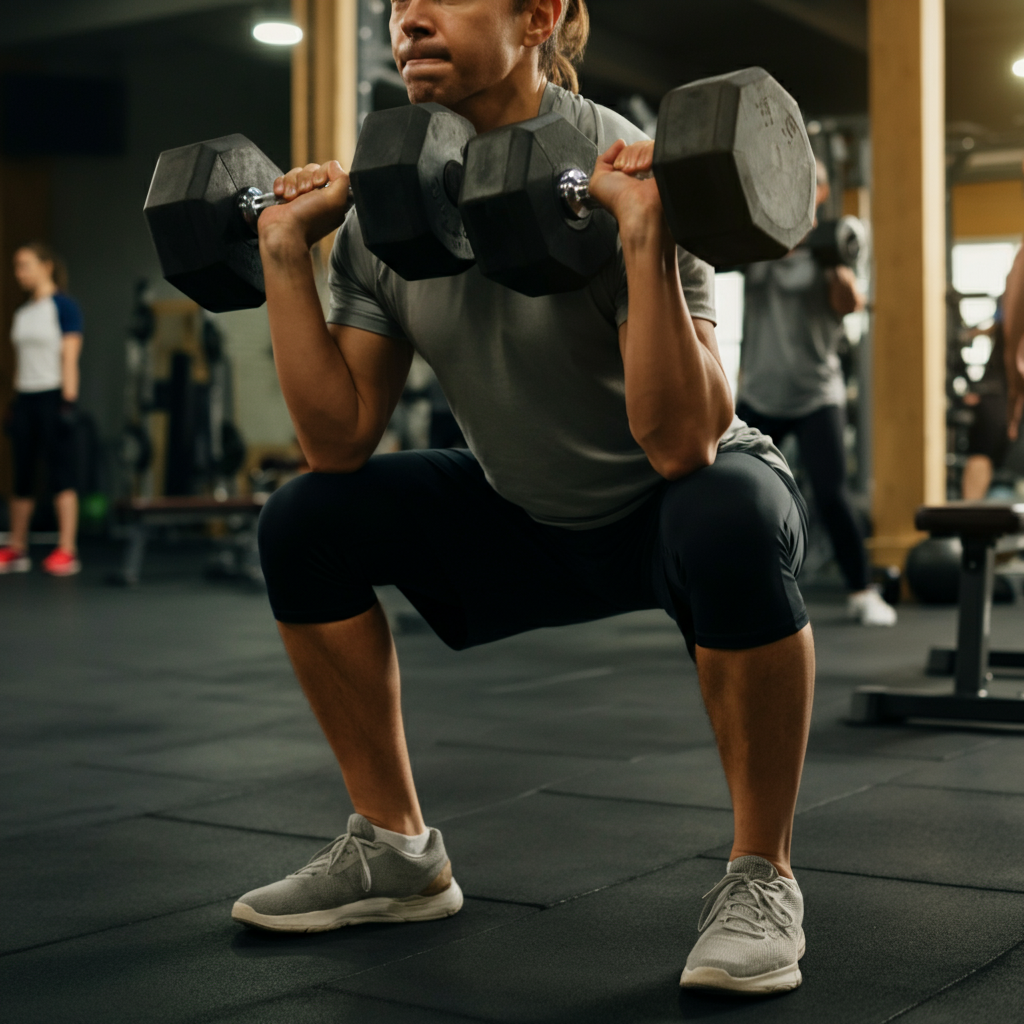
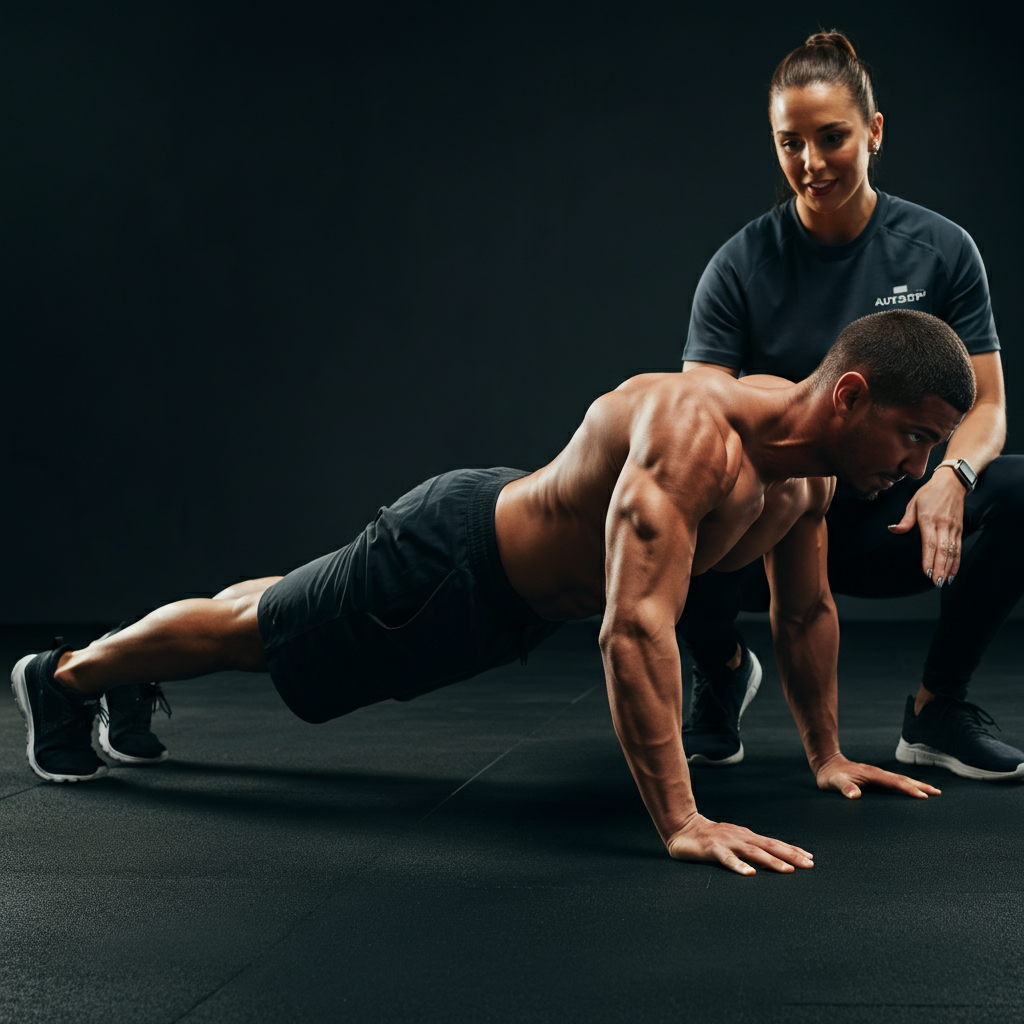
Proper exercise technique is paramount to prevent injuries and maximize results. Before increasing the weight or intensity of your workouts, focus on mastering the fundamental movements. Watch instructional videos, practice in front of a mirror, and consider working with a qualified coach or trainer to receive personalized feedback. Pay close attention to your posture, alignment, and breathing patterns during each exercise. Poor form can lead to strains, sprains, and other injuries that can derail your progress.
Step 5: Fueling Your Body with Proper Nutrition
Exercise is only one piece of the puzzle; proper nutrition is equally important for achieving your fitness goals. Focus on consuming a balanced diet rich in fruits, vegetables, lean protein, and whole grains. Avoid processed foods, sugary drinks, and excessive amounts of unhealthy fats. Pay attention to your calorie intake and macronutrient ratios to ensure you're fueling your body adequately for your activity level. Consider consulting with a registered dietitian or nutritionist for personalized dietary guidance.

Step 6: Prioritizing Rest and Recovery
Rest and recovery are essential for muscle repair and growth. Adequate sleep (7-9 hours per night) is crucial for optimizing hormone production and reducing stress levels. Incorporate rest days into your training schedule to allow your body to recover. Consider incorporating active recovery techniques such as stretching, foam rolling, or light cardio to improve blood flow and reduce muscle soreness. Ignoring rest can lead to overtraining, injuries, and decreased performance.

Safety Considerations
- Always warm up before each workout and cool down afterward.
- Listen to your body and stop if you experience any pain.
- Stay hydrated by drinking plenty of water throughout the day.
- Use proper form when performing exercises.
- Gradually increase the intensity and duration of your workouts.
- Consult with a healthcare professional before starting any new exercise program, especially if you have any underlying health conditions.
Pro Tips
- Find a workout buddy to stay motivated and accountable.
- Track your progress to see how far you've come.
- Reward yourself for reaching milestones (but avoid rewarding yourself with unhealthy foods).
- Experiment with different types of exercises to find what you enjoy.
- Don't be afraid to ask for help from a qualified professional.
FAQ Section
Q: How often should I workout? A: Aim for at least 3-5 workouts per week, incorporating a mix of cardio and strength training.
Q: What if I don't have time for long workouts? A: Even short bursts of exercise (10-15 minutes) can be beneficial. Focus on high-intensity interval training (HIIT) for maximum results in minimal time.
Q: How can I stay motivated? A: Set realistic goals, find activities you enjoy, and track your progress. Consider working with a personal trainer or joining a fitness class for added accountability.
Conclusion
Unlocking your inner athlete is a journey, not a destination. By following these steps, you can build a solid foundation of fitness, develop healthy habits, and achieve your athletic goals. Remember to be patient, persistent, and most importantly, enjoy the process. Embrace the challenges, celebrate your successes, and never stop learning and growing. Consistency and a positive mindset are your greatest allies on this path. Now go out there and unleash your inner athlete!