Achieving a superhero physique is often associated with expensive gym memberships and specialized equipment. However, it’s entirely possible to build a powerful and impressive physique using just your bodyweight and a commitment to consistent training. This guide outlines a comprehensive approach to sculpting your body into superhero shape, all from the comfort of your own home. We'll focus on compound exercises, progressive overload, and proper nutrition – the same principles used by the pros.
This journey requires dedication, discipline, and a well-structured plan. Forget the quick fixes and fad diets; this is about building sustainable strength and a physique that reflects your hard work and commitment. Consistency is paramount; regular workouts and mindful nutrition are the key ingredients to your success.
Let's embark on this transformation together, step by step, and unlock your inner superhero!
Step-by-Step Guide
-
Step 1: Mastering the Foundation – Bodyweight Basics
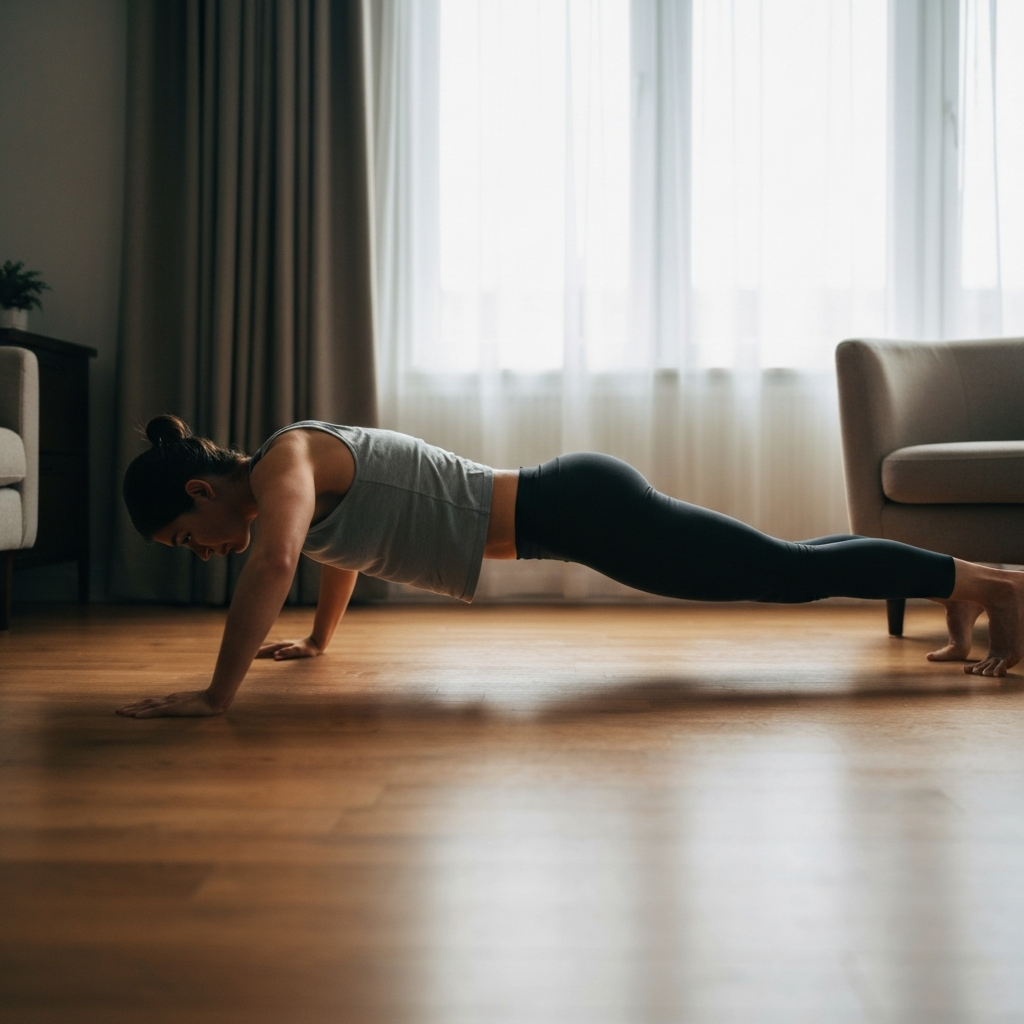
Before attempting advanced techniques, it's crucial to establish a strong foundation. This means mastering fundamental bodyweight exercises such as push-ups, squats, lunges, pull-ups (or rows using a table), and planks. Focus on proper form and full range of motion. Aim for 3 sets of 10-15 repetitions for each exercise. Perfect form trumps quantity; prioritize quality over speed.
-
Step 2: Progressive Overload – Increasing the Challenge
Once you can comfortably perform the basic exercises, it’s time to introduce progressive overload. This means gradually increasing the difficulty of your workouts to continually challenge your muscles. You can do this by adding repetitions, increasing the range of motion, slowing down the tempo, or incorporating variations. For example, progress from regular push-ups to decline push-ups (feet elevated) or diamond push-ups. Adding weight via a backpack filled with books can also increase the challenge for squats and lunges.

-
Step 3: Constructing Your Workout Routine
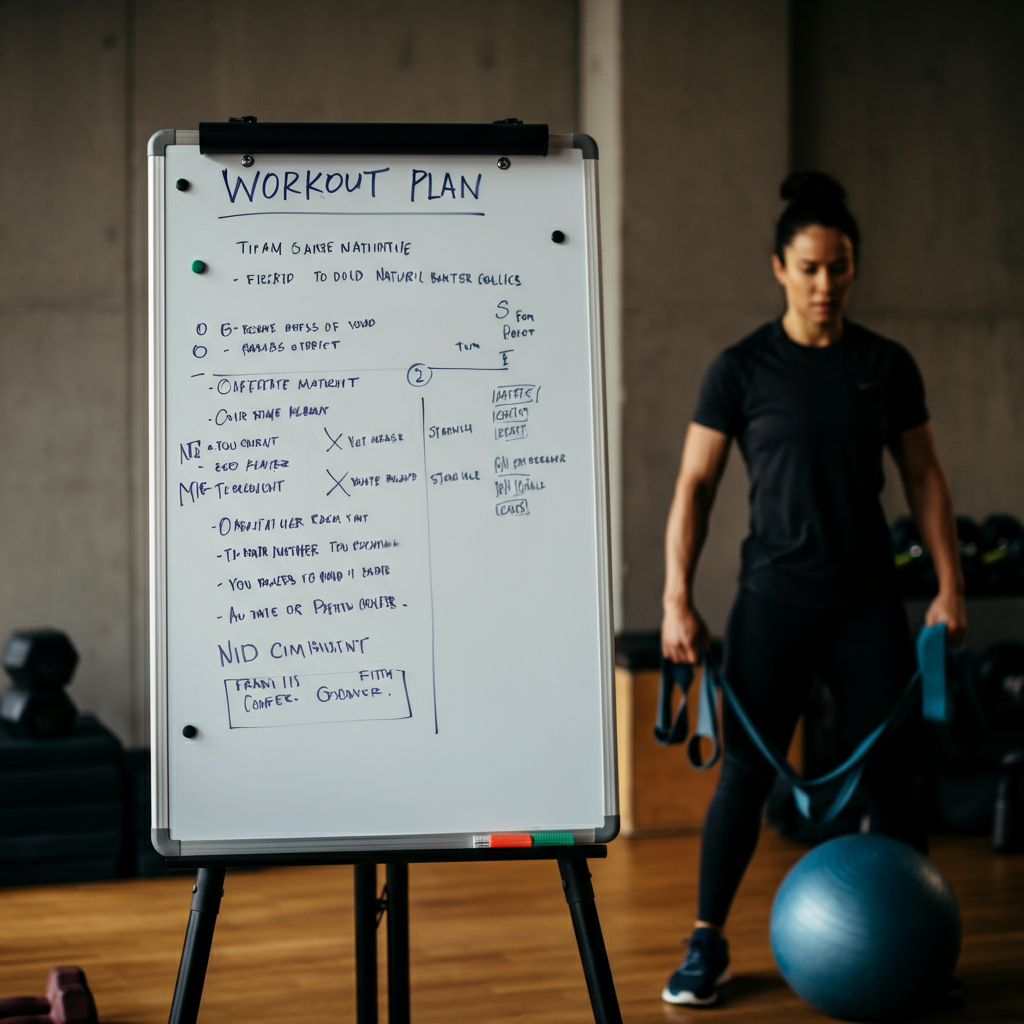
A well-structured workout routine is essential for optimal results. A good starting point is a 3-day split, working different muscle groups each day. For example: Day 1 - Chest, Triceps, Shoulders; Day 2 - Back, Biceps; Day 3 - Legs, Core. Rest days are crucial for muscle recovery and growth. Avoid overtraining; listen to your body and adjust your routine accordingly. Each workout should consist of 3-4 exercises per muscle group, with 3-4 sets of 8-12 repetitions.
-
Step 4: Nutrition for Muscle Growth
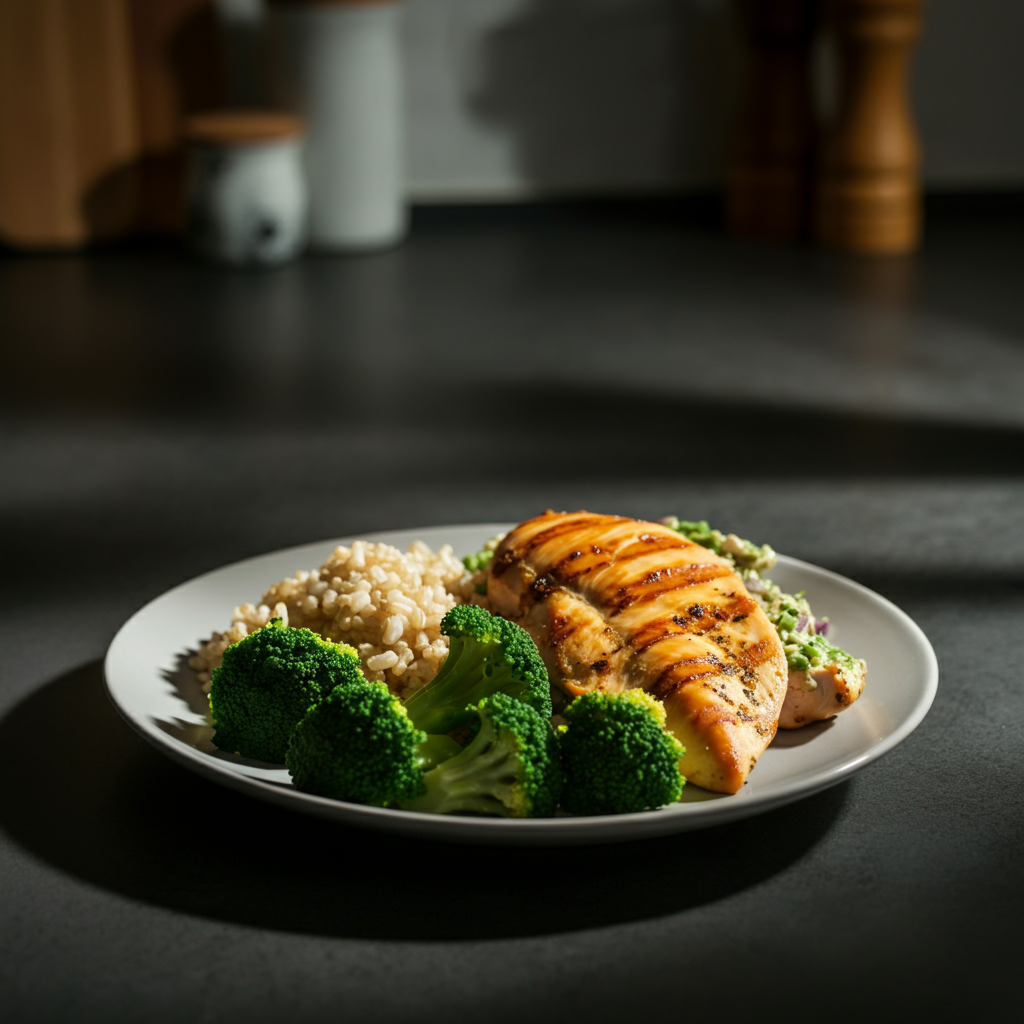
Exercise alone is not enough; proper nutrition is equally important. Focus on consuming a balanced diet rich in protein, complex carbohydrates, and healthy fats. Protein is crucial for muscle repair and growth; aim for at least 1 gram of protein per pound of bodyweight per day. Prioritize whole, unprocessed foods over processed junk food. Hydration is also key; drink plenty of water throughout the day.
-
Step 5: Advanced Bodyweight Techniques
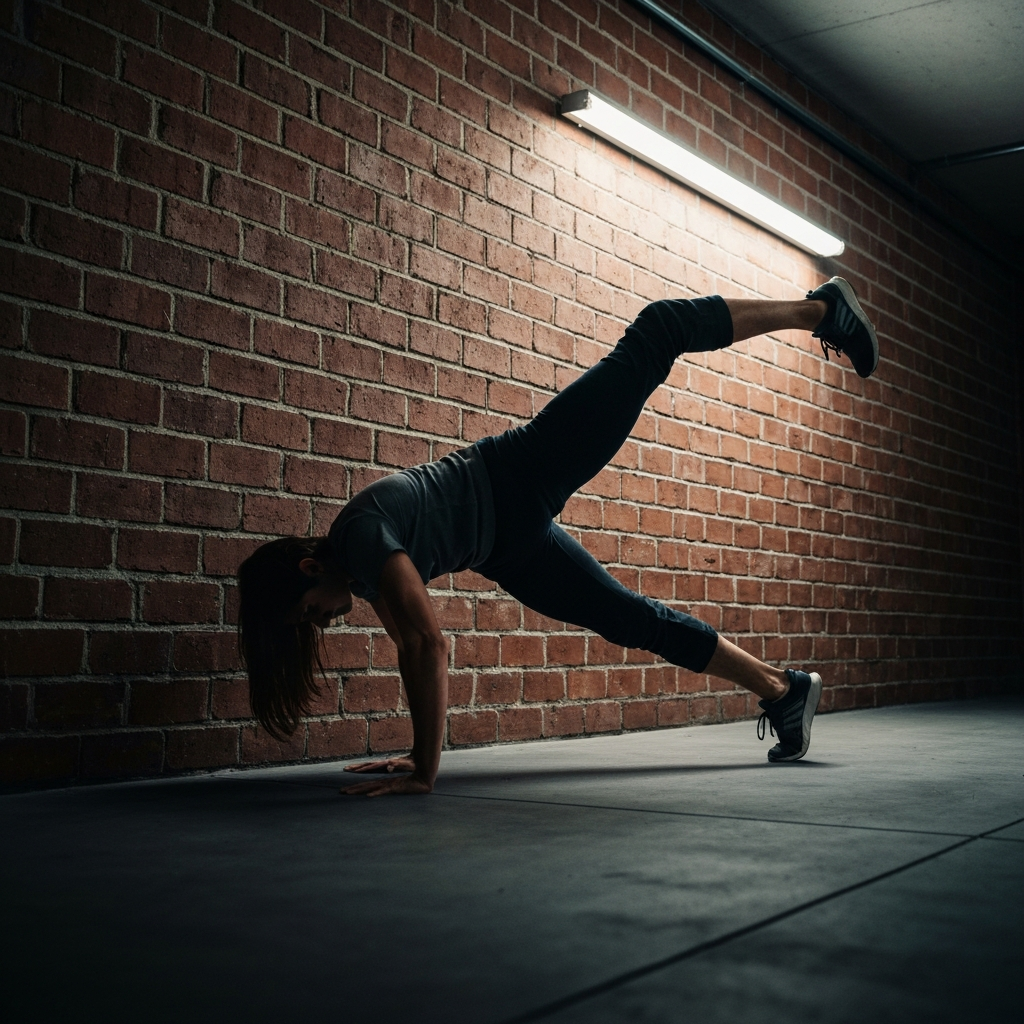
Once you've mastered the basics and are consistently challenging yourself, you can incorporate more advanced bodyweight exercises. These include pistol squats, handstand push-ups (against a wall), plyometric exercises (jump squats, box jumps), and muscle-ups (if you have access to a sturdy bar). These exercises require a higher level of strength and coordination, so progress gradually and be sure to warm up properly.
-
Step 6: Cardio and Conditioning
While strength training is crucial for building muscle, cardio and conditioning are essential for overall fitness and a superhero physique. Incorporate activities like running, swimming, cycling, or high-intensity interval training (HIIT). HIIT is particularly effective for burning fat and improving cardiovascular fitness. Aim for at least 30 minutes of cardio 3-5 times per week.
Tools or Materials Required
- A pull-up bar (optional, but highly recommended)
- A sturdy table or chair for inverted rows.
- A backpack for adding weight to exercises.
- Comfortable workout clothes.
Common Mistakes to Avoid
- Skipping warm-ups and cool-downs.
- Using improper form.
- Overtraining.
- Neglecting nutrition.
- Not tracking progress.
Safety Considerations
- Consult with a doctor before starting any new exercise program.
- Warm up properly before each workout.
- Use proper form to avoid injuries.
- Listen to your body and rest when needed.
- Stay hydrated.
Pro Tips
- Find a workout buddy to stay motivated and accountable.
- Track your progress by recording your workouts and measurements.
- Take progress photos to see how far you've come.
- Don't be afraid to experiment with different exercises and routines to find what works best for you.
- Prioritize sleep for optimal muscle recovery and growth.
FAQ Section
Q: How long will it take to see results?
A: Results vary depending on your starting point, genetics, and consistency. However, with consistent effort, you can expect to see noticeable changes in your physique within 8-12 weeks.
Q: Can I build muscle without supplements?
A: Yes, you can absolutely build muscle without supplements. Focus on proper nutrition and consistent training.
Q: What if I don't have a pull-up bar?
A: You can substitute pull-ups with inverted rows using a table or chair. Alternatively, you can find a pull-up bar at a local park or playground.
Conclusion
Sculpting a superhero physique without a gym is achievable with dedication, consistency, and a well-structured plan. By mastering bodyweight exercises, progressively overloading your muscles, prioritizing proper nutrition, and staying committed to your goals, you can unlock your inner superhero and transform your body. Remember to prioritize safety, listen to your body, and enjoy the journey! Good luck!