Dreaming of a physique that rivals your favorite superhero? You don't need a fancy gym or expensive equipment. Achieving a sculpted, powerful body is entirely possible with the right bodyweight training strategy. This guide provides a comprehensive roadmap to building muscle, increasing strength, and revealing a superhero-worthy physique using only your body as resistance. We'll focus on proper form, progressive overload, and intelligent programming to maximize your results.
Bodyweight training offers unique advantages. It's accessible anytime, anywhere, and minimizes the risk of injury when performed correctly. Furthermore, it emphasizes functional strength, which translates to real-world power and athleticism. Forget isolation exercises; we're building a complete, powerful you.
This isn't just about doing push-ups and squats. We'll delve into advanced techniques, variations, and progressions to constantly challenge your muscles and stimulate growth. Get ready to unlock your inner superhero!
Step 1: Master the Foundation: Basic Bodyweight Movements
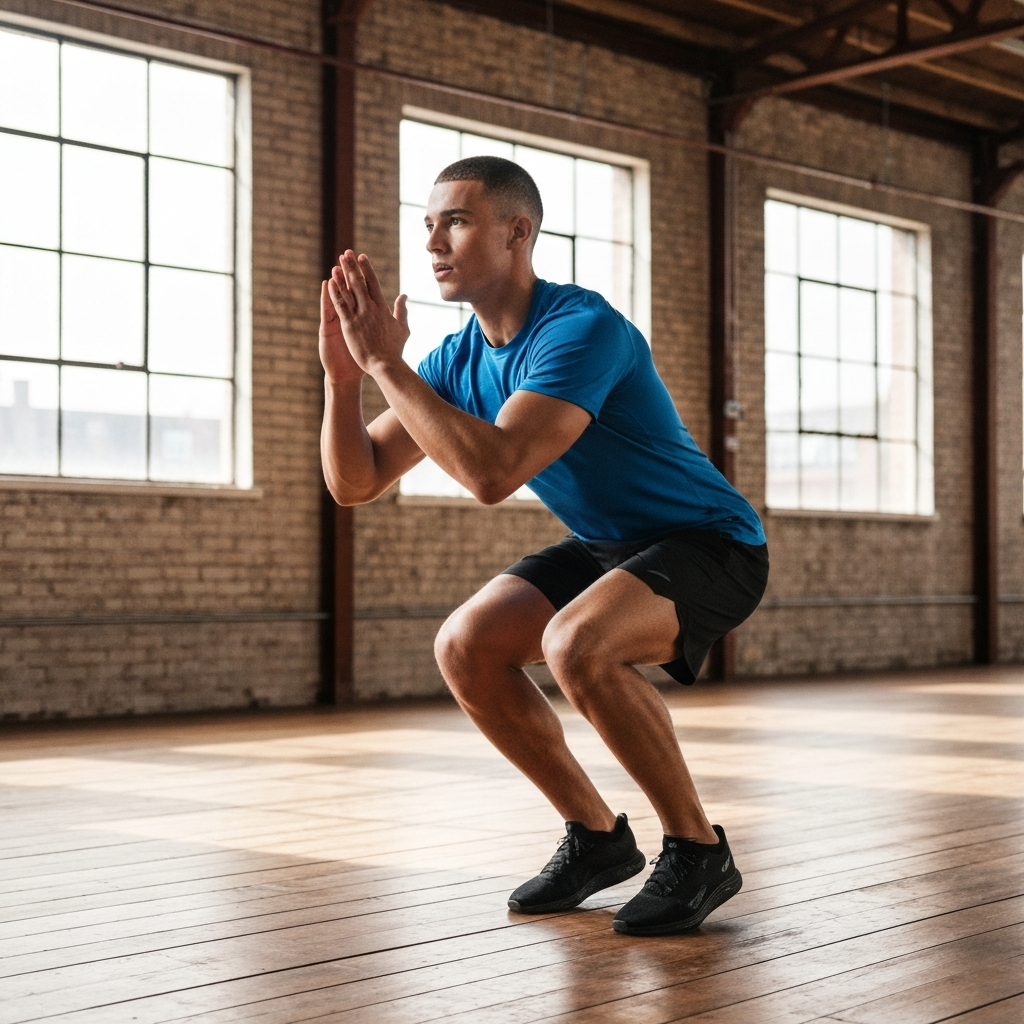
Before attempting advanced variations, it's crucial to establish a solid foundation. This means perfecting the fundamental bodyweight exercises: push-ups, squats, pull-ups (or rows), planks, and lunges. Focus on proper form above all else. Quality over quantity is paramount at this stage. For example, in a push-up, maintain a straight line from head to heels, engage your core, and lower your chest until it nearly touches the ground. For squats, keep your back straight, chest up, and descend until your thighs are parallel to the floor.
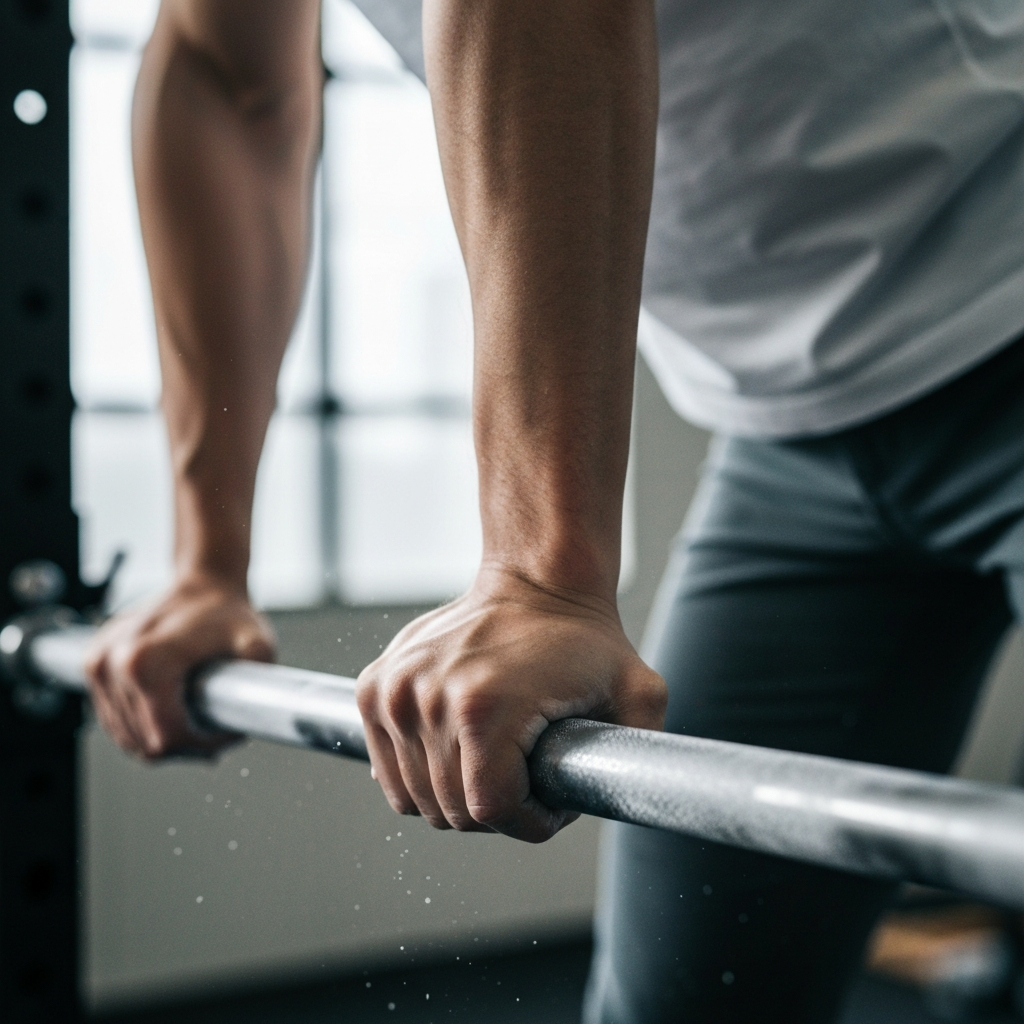
Step 2: Progressive Overload: Increasing the Challenge
Once you can comfortably perform a certain number of repetitions (reps) with good form, it's time to implement progressive overload. This involves gradually increasing the demands placed on your muscles to stimulate growth. There are several ways to achieve this with bodyweight exercises. You can increase the number of reps, sets, or decrease the rest time between sets. Another effective method is to introduce more challenging variations of the exercise. For example, progress from standard push-ups to incline push-ups (easier), decline push-ups (harder), or diamond push-ups (even harder). Experiment with different progressions to find what works best for you.
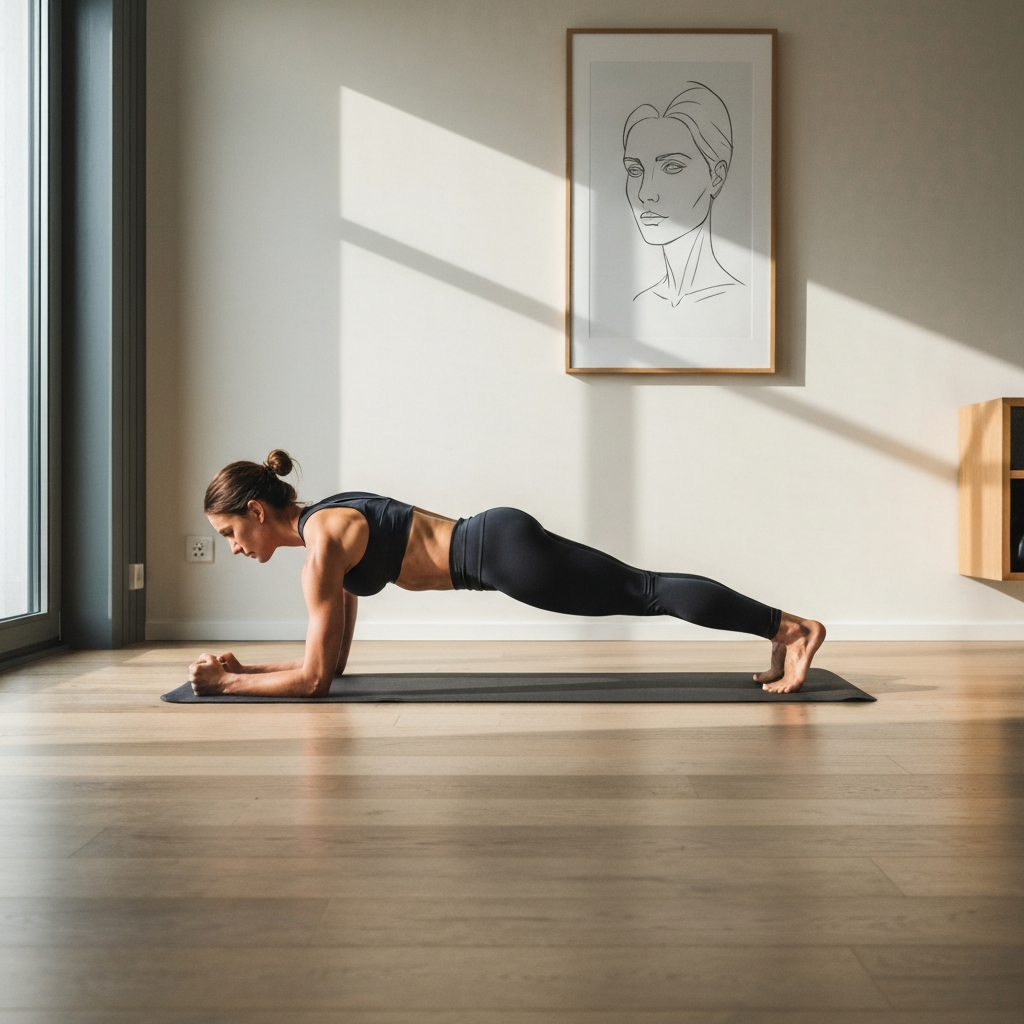
Step 3: Strategic Exercise Selection: Targeting All Muscle Groups
To achieve a balanced superhero physique, it's essential to target all major muscle groups. This includes your chest, back, shoulders, arms, core, and legs. Structure your workouts to include exercises that work multiple muscle groups simultaneously (compound exercises). Examples include squats, lunges, push-ups, pull-ups/rows, and dips. Supplement these with isolation exercises to target specific muscles. For instance, to further develop your biceps, include chin-ups (palms facing you) in your routine. Ensure you incorporate exercises that challenge your core stability, like planks and Russian twists.
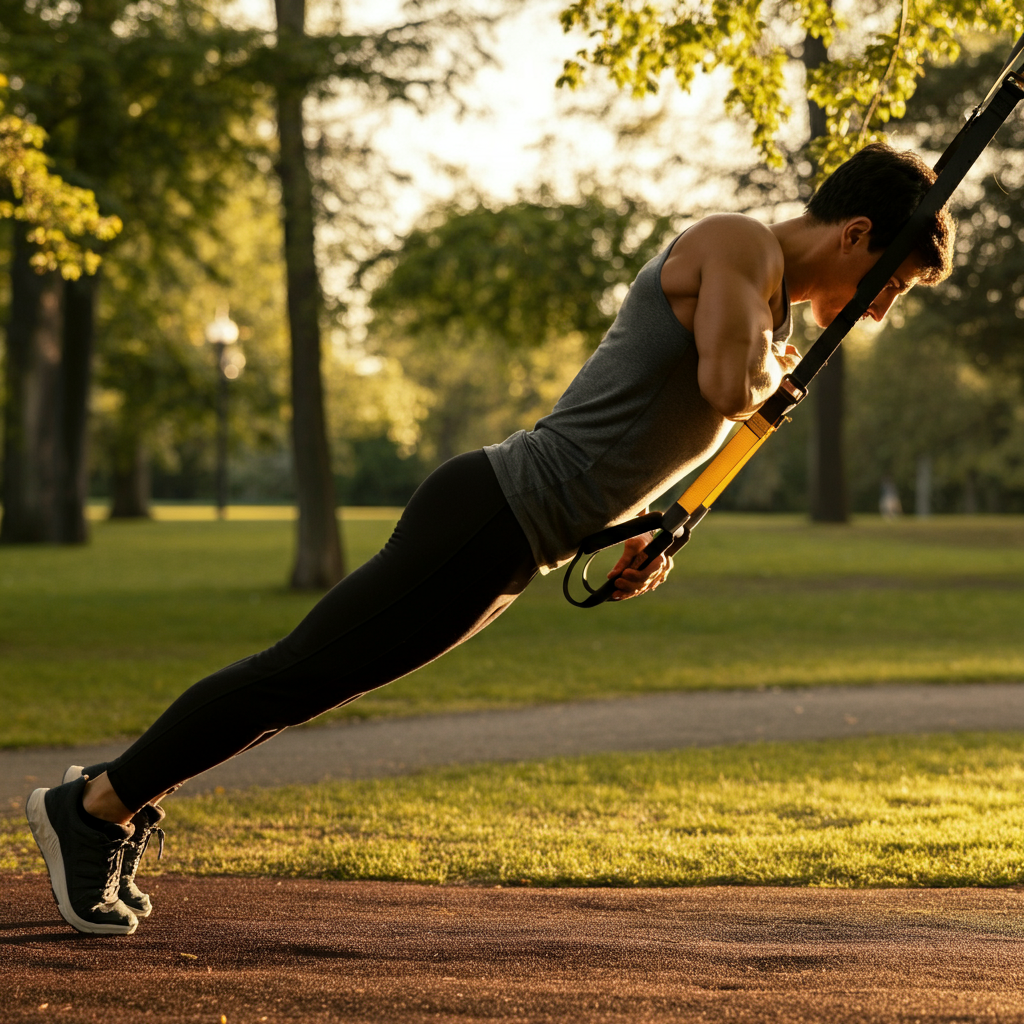
Step 4: Optimizing Your Training Split: Frequency and Rest
The frequency of your workouts and the amount of rest you allow are crucial for muscle growth and recovery. A common and effective training split is a push/pull/legs split. Push exercises (e.g., push-ups, dips) target your chest, shoulders, and triceps. Pull exercises (e.g., pull-ups, rows) target your back and biceps. Leg exercises (e.g., squats, lunges) target your quads, hamstrings, and glutes. You can train each muscle group two or three times per week, allowing for at least one day of rest in between workouts. Listen to your body and adjust your training schedule as needed. Prioritize sleep and proper nutrition to optimize recovery.
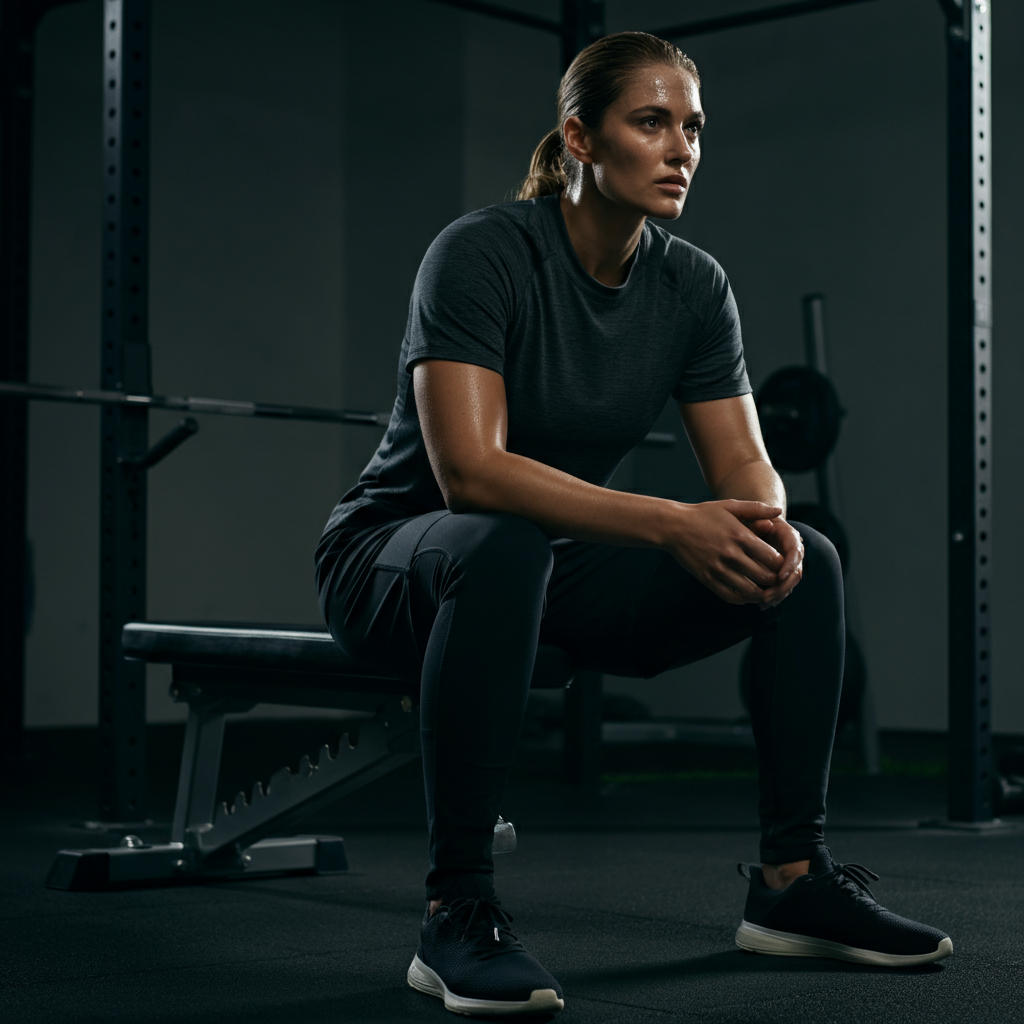
Step 5: Advanced Bodyweight Techniques: Taking it to the Next Level
Once you've mastered the basics and are consistently progressing, you can incorporate advanced bodyweight techniques to further challenge your muscles. These techniques include plyometrics (e.g., jump squats, clapping push-ups), isometrics (e.g., holding a plank), and eccentric training (e.g., slowly lowering yourself during a push-up). Plyometrics can help improve explosive power, isometrics can enhance strength and stability, and eccentric training can stimulate muscle growth. When introducing advanced techniques, prioritize proper form and start with low volume to minimize the risk of injury. For example, start with just a few repetitions of clapping push-ups and gradually increase the number as you get stronger.
Step 6: The Importance of Nutrition and Hydration
No workout routine can truly deliver without the proper nutrition. You need to fuel your body with the right building blocks to repair and grow muscle tissue. Prioritize protein intake, aiming for at least 0.8 grams of protein per pound of body weight per day. Consume complex carbohydrates for energy and healthy fats for overall health. Don't underestimate the power of hydration. Drink plenty of water throughout the day, especially before, during, and after workouts. Consider consulting with a registered dietitian or nutritionist for personalized advice.

Step 7: Tracking Progress and Making Adjustments
To ensure you're on the right track, it's essential to track your progress and make adjustments to your training program as needed. Keep a workout journal to record the exercises you perform, the number of reps and sets you complete, and how you feel. Monitor your body composition (e.g., weight, body fat percentage) and take progress photos to visually track your results. If you notice that you're not making progress, don't be afraid to experiment with different exercises, training splits, or rep ranges. Remember that consistency is key.

Common Mistakes to Avoid
One common mistake is rushing through the exercises and sacrificing form. Always prioritize proper form over the number of reps you perform. Another mistake is not implementing progressive overload. You need to constantly challenge your muscles to stimulate growth. Finally, don't neglect rest and recovery. Adequate sleep and proper nutrition are crucial for muscle repair and growth.
Safety Considerations
Before starting any new exercise program, it's essential to consult with your doctor. Make sure you have a safe and comfortable workout environment. Warm up properly before each workout and cool down afterwards. If you experience any pain, stop the exercise immediately and consult with a healthcare professional.
Conclusion
Sculpting a superhero physique with bodyweight exercises is achievable with dedication, consistency, and a strategic approach. By mastering the fundamentals, implementing progressive overload, optimizing your training split, and prioritizing nutrition and recovery, you can unlock your inner superhero. Remember to track your progress, make adjustments as needed, and most importantly, have fun. The journey to a sculpted physique is a marathon, not a sprint. Stay consistent, stay focused, and enjoy the process!