Embarking on a journey of creative discovery can feel daunting, but it's a rewarding experience accessible to everyone. You don't need to be a seasoned professional to tap into your artistic potential. This guide is designed for beginners, offering a structured approach to exploring your creativity and developing your unique artistic voice.
The key to unlocking your inner artist lies in experimentation, embracing imperfection, and consistent practice. Forget about rigid rules or expectations. Instead, focus on the process of creation and the joy it brings. We'll explore various techniques and mediums, providing practical tips to overcome common challenges and cultivate a sustainable creative habit.
Whether you dream of painting landscapes, sculpting figures, or crafting intricate designs, this guide will provide you with the foundational knowledge and inspiration to begin your artistic adventure. Remember, every masterpiece starts with a single stroke. Let's begin!
Art journaling is a fantastic way to start exploring your creativity. It's a combination of written journaling with visual art and scrapbooking. It's a perfect way to express your feelings without fear of judgement.
Step 1: Finding Your Creative Space
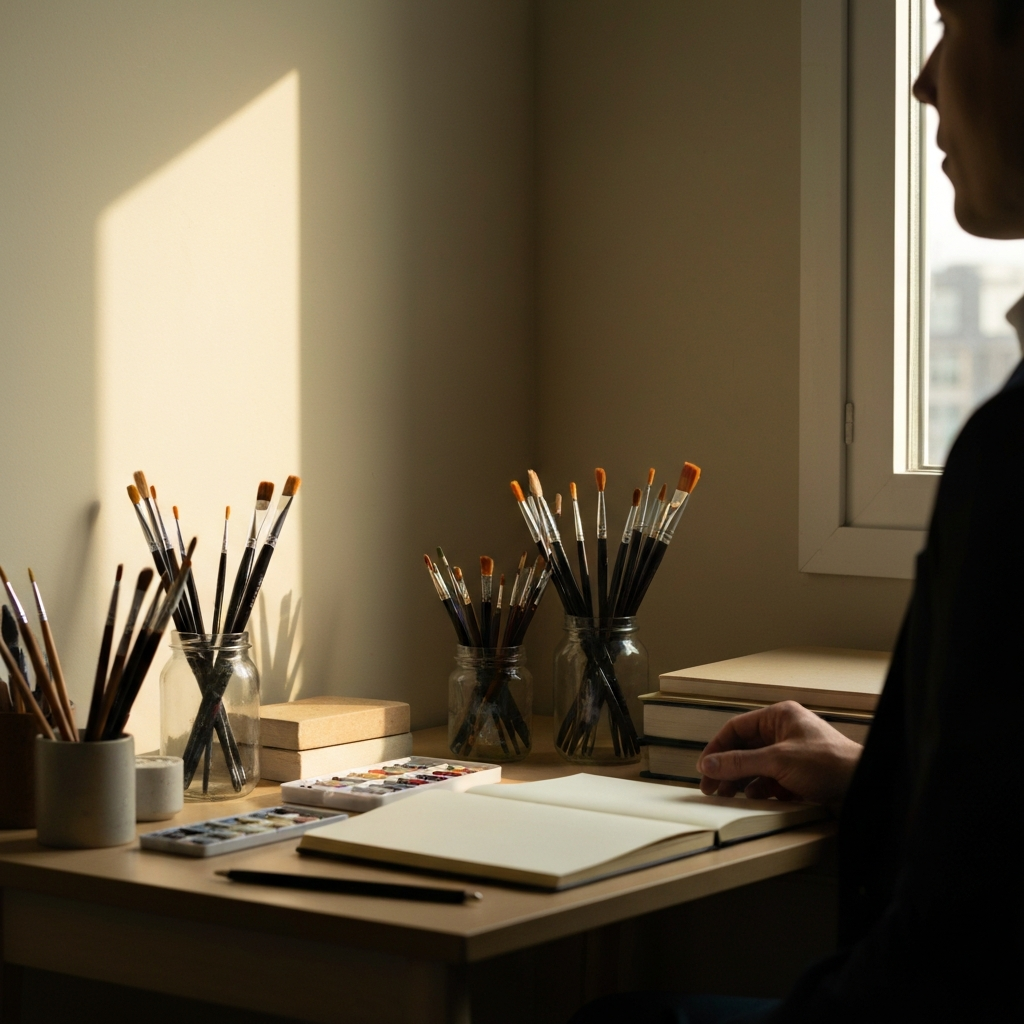
Establishing a dedicated creative space is crucial for fostering a consistent practice. This doesn't necessarily mean you need a separate studio; a corner of your bedroom, a designated area in your living room, or even a portable art kit can suffice. The key is to create a space that inspires you and allows you to focus without distractions. Consider the lighting, organization, and overall ambiance. A cluttered or poorly lit space can hinder your creative flow. Make sure this space feels safe and free of judgement.
Step 2: Gathering Essential Tools
While advanced tools can be tempting, starting with a curated selection of basic materials is often more effective. This prevents overwhelm and encourages you to master fundamental techniques. Consider a basic set of pencils (ranging from HB to 6B), erasers, a sketchbook or drawing paper, a set of acrylic paints, several different size paint brushes and a palette. As you progress, you can gradually expand your collection based on your specific interests. It's often best to invest in a few high-quality materials rather than numerous low-quality ones. Don't be afraid to try out things you have lying around your house.

Step 3: Embracing Experimentation with Mediums
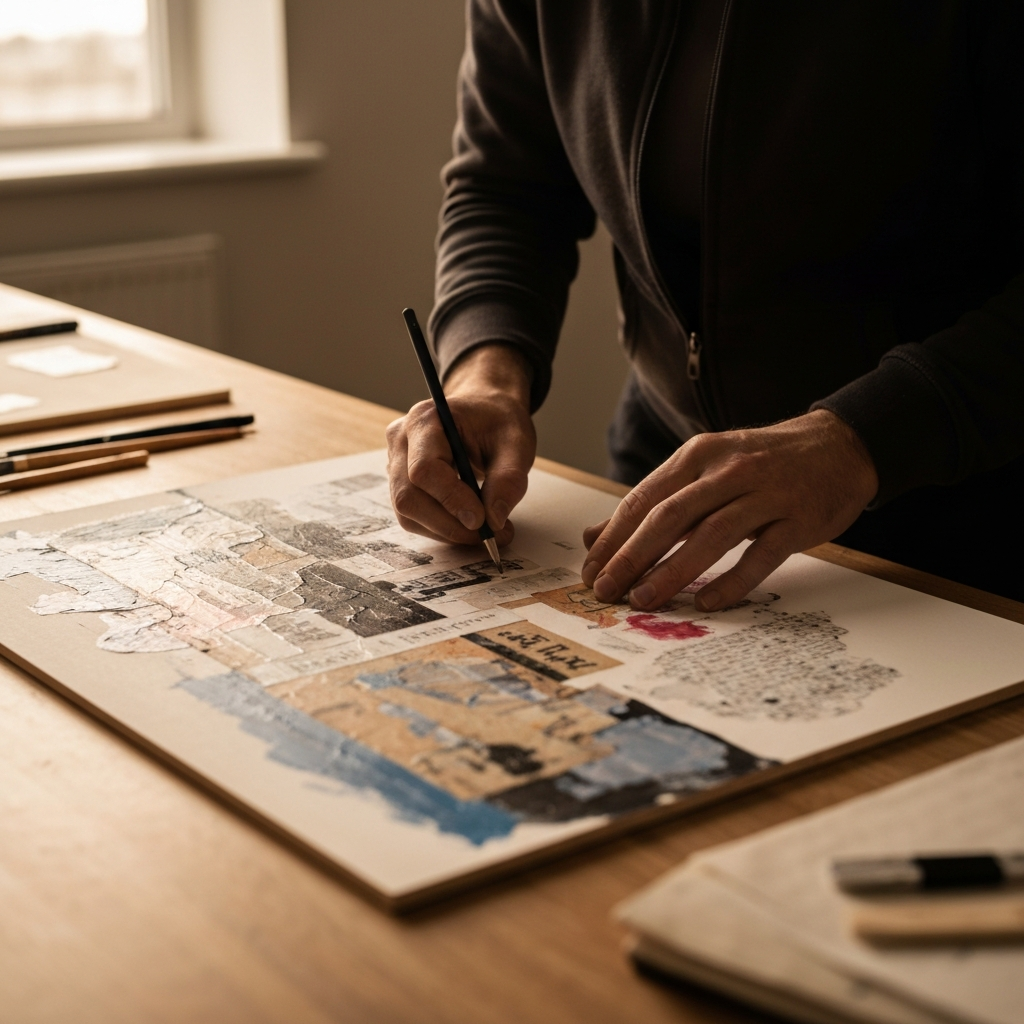
One of the most exciting aspects of creative exploration is experimenting with different mediums. Each medium offers unique properties and possibilities, allowing you to express your vision in diverse ways. Start with readily accessible options like drawing with charcoal, painting with watercolors, or sculpting with clay. Don't be afraid to combine mediums to create mixed-media pieces. The possibilities are endless. Abstract art is really about creating your own language.
Step 4: Mastering Basic Techniques
While artistic expression should be free-flowing, understanding fundamental techniques provides a solid foundation for your creative journey. Start with basic drawing techniques like shading, cross-hatching, and perspective. For painting, explore color mixing, brushstroke control, and layering techniques. There are numerous online resources, tutorials, and workshops available to guide you. Practice these techniques regularly, even if it's just for a few minutes each day. This also allows you to hone your art style.
Step 5: Finding Inspiration in the World Around You
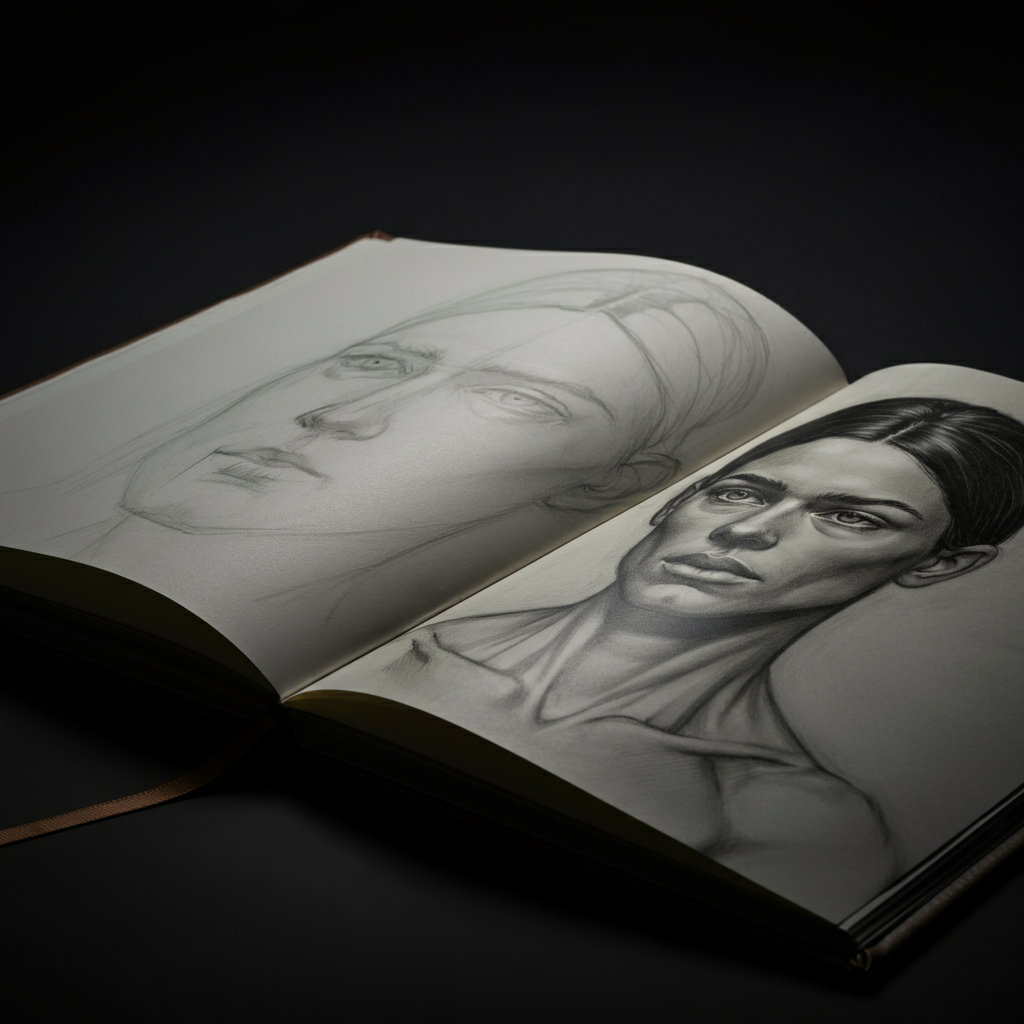
Inspiration can be found everywhere – in nature, in architecture, in everyday objects, and in the human form. Train yourself to observe the world with a creative eye, paying attention to details, colors, shapes, and textures. Keep a sketchbook or camera handy to capture ideas as they arise. Visit museums, galleries, and art events to expose yourself to different styles and perspectives. Don't limit yourself to traditional art forms; consider music, literature, and film as sources of inspiration. Incorporate old art into new spreads to give it new life.

Step 6: Overcoming Creative Blocks
Creative blocks are a common experience for artists of all levels. When you encounter a block, don't force yourself to create. Instead, try engaging in activities that stimulate your creativity, such as listening to music, taking a walk, or browsing through art books. Try a writing prompt to spark creativity and new ideas for your art journal. Experiment with different art supplies and switch up mediums you normally use. It's also helpful to break down large projects into smaller, more manageable tasks. Remember, taking a break is often the best way to refresh your mind and regain your creative momentum.
Step 7: Embracing Imperfection and Learning from Mistakes
Perfectionism can be a major obstacle to creative exploration. Remember that every artist makes mistakes, and these mistakes are valuable learning opportunities. Don't be afraid to experiment, take risks, and deviate from your original plan. Embrace the imperfections and view them as unique elements that contribute to the character of your artwork. The process of creation is often more important than the final product. Often, people stop pursuing art because they fear they're not as talented as other people. It's important to remember that art journals are private unless you share them. This is a great way to build confidence.
Step 8: Developing a Consistent Practice
Consistency is key to developing your artistic skills. Set realistic goals for yourself and establish a regular creative routine. Even if it's just for 15-30 minutes each day, dedicate time to your art. Treat your creative practice as a non-negotiable appointment in your schedule. Over time, this consistent effort will yield significant progress and help you cultivate a sustainable creative habit. Your artistic skills will develop more quickly the more you art journal.
Tools or Materials Required
- Sketchbook or art journal with thick paper
- Pencils (HB, 2B, 4B, 6B)
- Eraser
- Acrylic paints
- Watercolors
- Paintbrushes (various sizes)
- Palette
- Charcoal
- Clay (optional)
- Pens, pencils, and markers
Common Mistakes to Avoid
- Trying to be perfect from the beginning
- Comparing your work to others
- Being afraid to experiment
- Not setting aside dedicated time for art
- Using low-quality materials
FAQ Section
Q: Do I need to be talented to start creating art?
A: No, talent is not a prerequisite. Art is about self-expression and exploration. Anyone can learn to create art with practice and dedication.
Q: What if I don't know what to create?
A: Start by experimenting with different mediums and techniques. Look for inspiration in the world around you. Try copying the work of artists you admire. The key is to just start creating, even if you don't have a specific goal in mind. Art journaling promotes creativity because you can think outside the box.
Q: How often should I practice?
A: Aim for at least 15-30 minutes of practice each day. Consistency is more important than the duration of each session.
Conclusion
Unleashing your inner artist is a journey of self-discovery and creative exploration. By following these steps, embracing experimentation, and developing a consistent practice, you can cultivate your artistic skills and express your unique vision. Remember that the process is just as important as the final product, and every mistake is an opportunity to learn and grow. Embrace the imperfections, celebrate your progress, and enjoy the transformative power of art.