Everyone possesses an inner artist waiting to be discovered. It's not about achieving technical perfection from the outset, but rather about embracing the process of creative exploration and self-expression. This guide provides a practical roadmap for beginners eager to tap into their artistic potential, regardless of their perceived skill level. The key is to quiet the inner critic and allow yourself to experiment freely.
The journey of artistic discovery is unique for everyone. Some may find solace in painting, others in sculpting, and still others in digital art or mixed media. The goal is not to become a master overnight, but to cultivate a consistent practice that allows your creativity to flourish. This guide provides a series of structured steps to help you begin this journey, offering practical advice and considerations along the way. Remember, art is a form of communication, a way to translate your inner world into something tangible.
This guide focuses on the fundamentals, providing a strong foundation for further exploration. We'll cover essential techniques, material selection, and common pitfalls to avoid. More importantly, we'll emphasize the importance of experimentation, self-reflection, and the joy of creating something new. Let's embark on this exciting adventure together!
Step 1: Identify Your Creative Interests
Before diving into specific techniques, take some time to identify what genuinely excites you. What art forms draw your attention? Do you admire the vibrant colors of Impressionist paintings, the intricate details of Renaissance sculptures, or the abstract forms of modern art? Experiment with different mediums and styles to discover what resonates with you. Don't be afraid to try something completely new, even if it seems intimidating at first.

Step 2: Gather Essential Art Supplies
Once you have a general idea of your preferred art form, gather the necessary supplies. For painting, this might include acrylics, watercolors, or oils, along with brushes, canvases, and a palette. For drawing, you'll need pencils, erasers, and paper. Invest in artist-grade materials when possible, as they tend to produce better results and are more enjoyable to work with. However, starting with affordable options is perfectly acceptable. A basic starter kit is a great way to explore without a large initial investment.
Step 3: Practice Fundamental Techniques
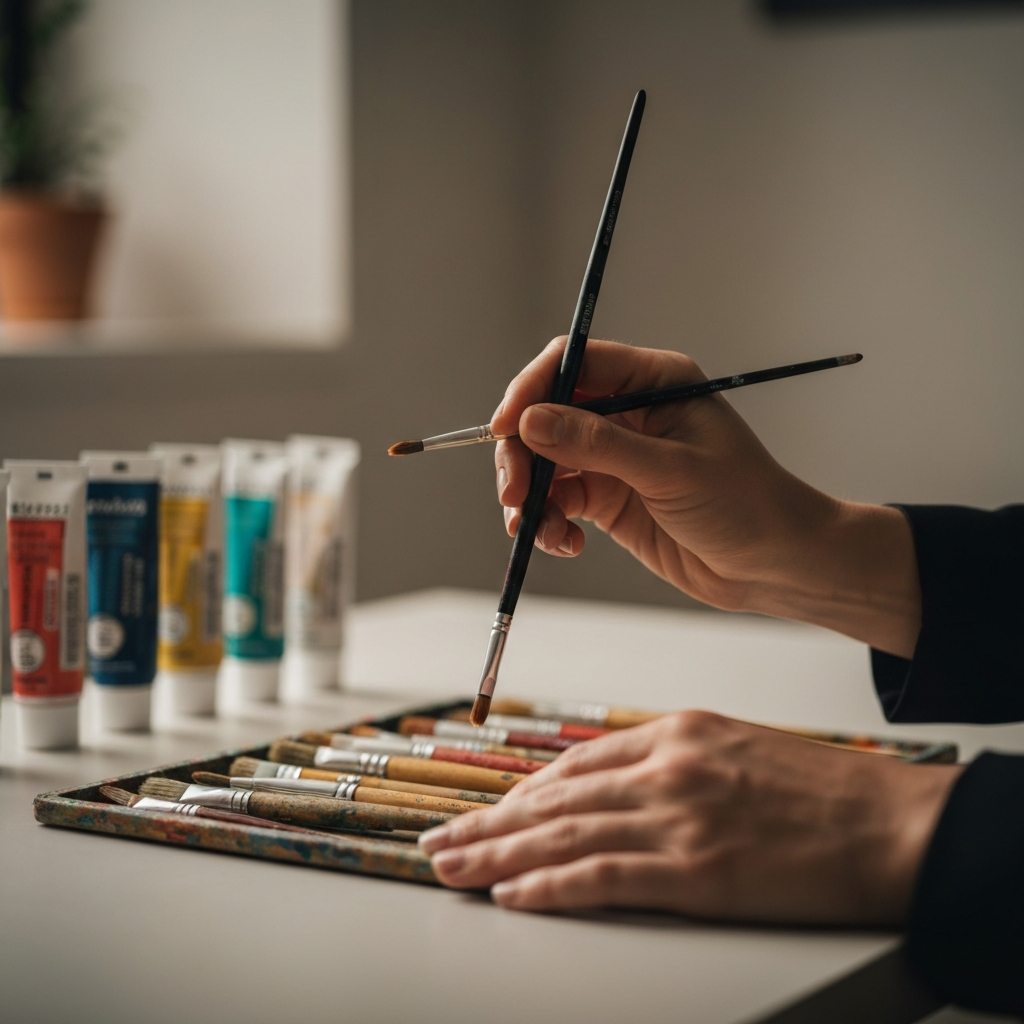
Every art form has its fundamental techniques. For painting, this might include color mixing, brushstroke control, and layering techniques. For drawing, it could involve shading, perspective, and composition. There are countless online tutorials, books, and workshops available to help you learn these techniques. Dedicate time each day or week to practice these skills, even if it's just for a short period. Consistency is key to improvement.
Step 4: Embrace Experimentation and Play
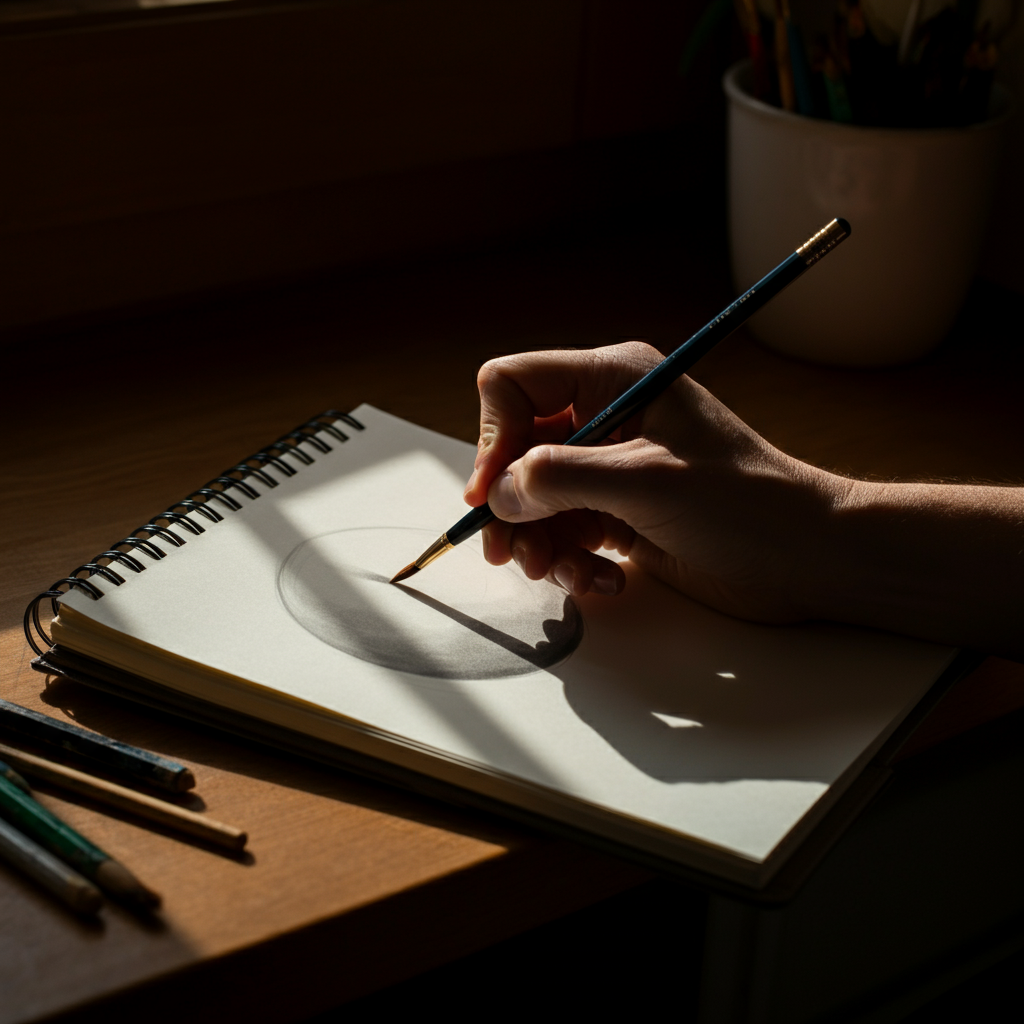
While mastering fundamental techniques is important, don't get bogged down in perfectionism. Art is about exploration and self-expression, so allow yourself to experiment freely. Try different color combinations, unconventional materials, and abstract forms. Don't be afraid to make mistakes – they are valuable learning opportunities. Embrace the unexpected and allow your intuition to guide you.
Step 5: Seek Inspiration from Others
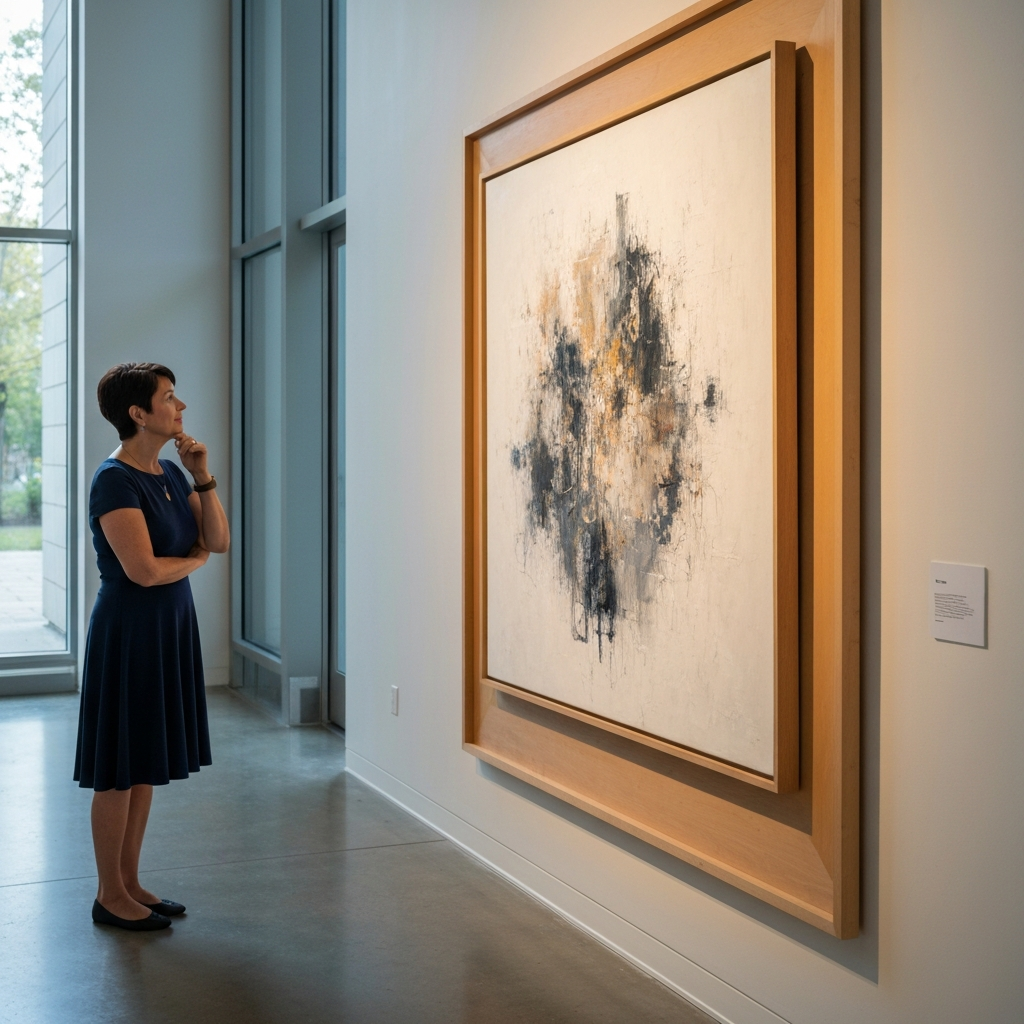
Surround yourself with art that inspires you. Visit museums, galleries, and art fairs. Browse art books and online platforms. Study the works of artists you admire, paying attention to their techniques, compositions, and use of color. However, avoid simply copying their work. Instead, use their art as a springboard for your own creative explorations. Analyze what you like about the pieces and try to incorporate those elements into your own work in a unique way.
Step 6: Develop a Consistent Creative Practice
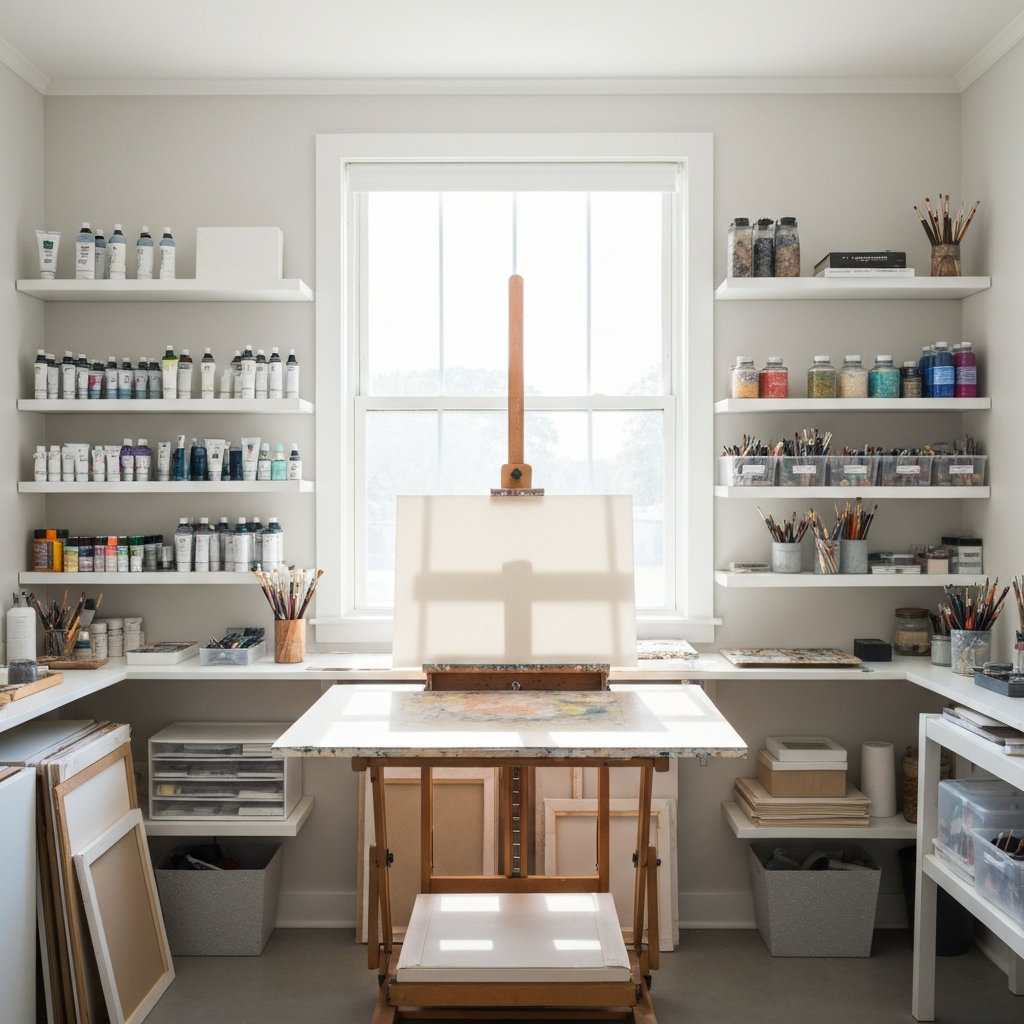
The more you create, the more your skills will develop. Set aside dedicated time for art-making, even if it's just for 30 minutes each day. Treat this time as a non-negotiable appointment with yourself. Consistency is far more important than sporadic bursts of inspiration. Find a creative space that you enjoy and make it your own. Whether it's a dedicated studio, a corner of your living room, or an outdoor setting, create an environment that fosters creativity and relaxation.
Step 7: Share Your Work and Seek Feedback
Sharing your art can be both exciting and nerve-wracking. Start by sharing your work with friends and family, or in online art communities. Constructive criticism can be invaluable for improving your skills and gaining new perspectives. Be open to feedback, but also trust your own artistic vision. Don't be discouraged by negative comments; use them as motivation to grow and evolve.

Common Mistakes to Avoid
A common mistake is comparing your early work to that of established artists. Remember everyone starts somewhere. Another is focusing too much on perfection and not enough on the joy of creation. Don't be afraid to experiment and embrace mistakes as learning opportunities. Finally, avoiding seeking feedback can stunt growth. Constructive criticism, even when uncomfortable, can be incredibly valuable.
Pro Tips
Consider taking a local art class to learn new techniques and connect with other artists. Explore different art mediums beyond your comfort zone. Keep a sketchbook to jot down ideas and practice drawing skills. Most importantly, be patient with yourself and enjoy the creative process.
FAQ Section
Q: What if I don't think I'm talented enough? A: Everyone can create art. It's about practice and self-expression, not innate talent.
Q: What if I make mistakes? A: Mistakes are part of the learning process. Embrace them and learn from them.
Q: How often should I practice? A: Aim for at least 30 minutes a day, even if it's just sketching or doodling.
Conclusion
Unleashing your inner artist is a journey of self-discovery and creative exploration. By following these steps, embracing experimentation, and developing a consistent practice, you can unlock your artistic potential and create meaningful work. Remember that art is a form of communication, a way to express your unique perspective and connect with others. So, grab your art supplies, quiet your inner critic, and begin your creative adventure today!