Feeling stuck in a fitness rut? Think you need a gym membership to achieve your health goals? Think again! It’s entirely possible to elevate your fitness game significantly without ever setting foot in a commercial gym. The key is understanding fundamental training principles and applying them creatively using your body weight, readily available equipment, and the great outdoors.
This guide will provide you with a structured approach to building a comprehensive fitness routine that can be done anywhere, anytime. We'll delve into effective bodyweight exercises, explore how to use common household items for resistance, and emphasize the importance of consistency and proper form. Remember, progress is about consistent effort over time, not about grueling workouts every once in a while.
Whether you’re a complete beginner or someone looking to break free from the monotony of the gym, this guide offers actionable strategies to help you build strength, improve cardiovascular health, and enhance your overall well-being. Let's get started on your journey to a fitter, healthier you – no gym required!
Step 1: Assess Your Current Fitness Level
Before diving into any new fitness routine, it’s crucial to understand your starting point. This involves evaluating your current strength, endurance, flexibility, and body composition. A simple self-assessment can provide valuable insights into your strengths and weaknesses, allowing you to tailor your training program for optimal results. You could, for example, see how many push-ups, squats, or lunges you can do with good form. Be honest with yourself and don't overestimate your abilities at this stage. This is about creating a safe and effective plan that will work for *you*.
Step 2: Set Realistic and Achievable Goals
Goal setting is a critical component of any successful fitness journey. Start by defining what you want to achieve – whether it's losing weight, building muscle, improving endurance, or simply feeling more energetic. Then, break down those larger goals into smaller, more manageable steps. Make your goals SMART: Specific, Measurable, Achievable, Relevant, and Time-bound. For example, instead of "get stronger," aim for "increase my push-up count from 5 to 10 in 4 weeks."

Step 3: Master the Bodyweight Basics
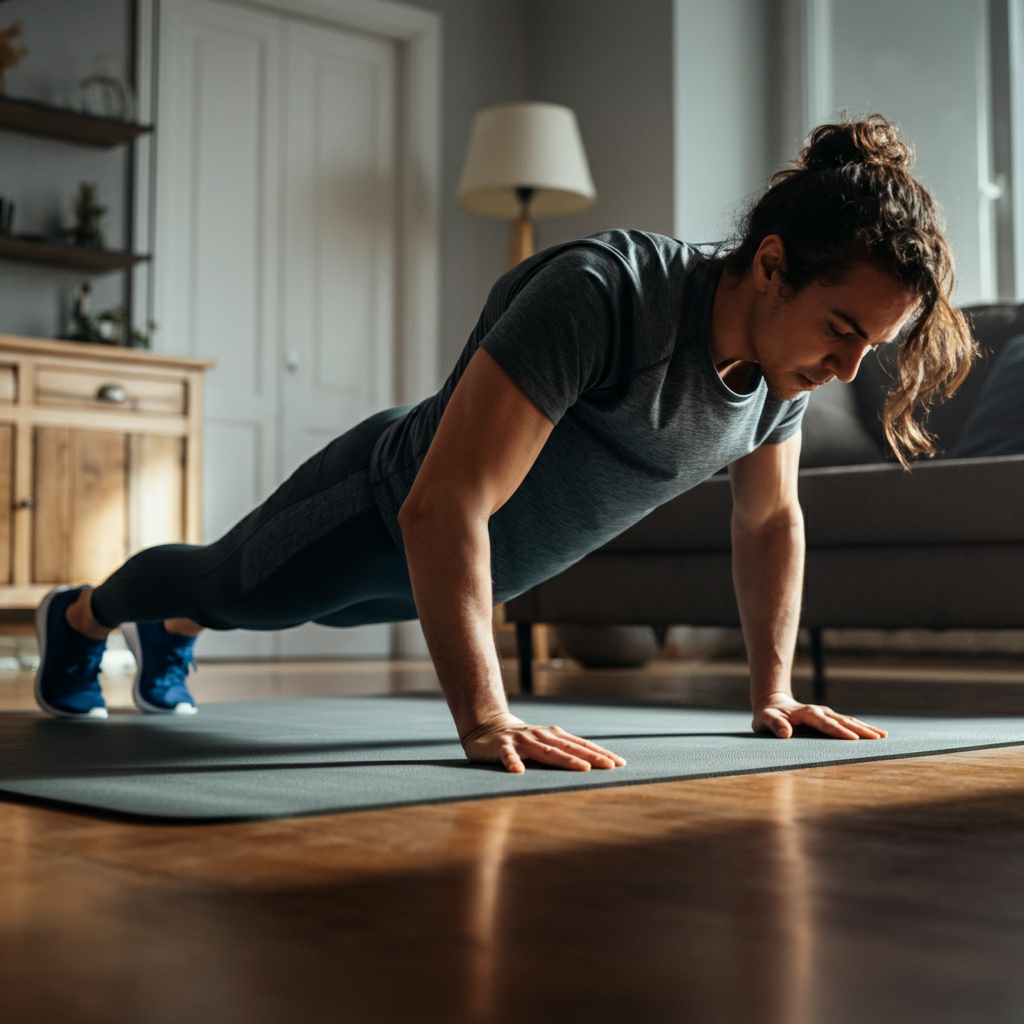
Bodyweight exercises are the foundation of any effective at-home fitness program. They require no equipment and can be performed anywhere. Focus on mastering fundamental movements such as squats, lunges, push-ups, planks, and glute bridges. These exercises target multiple muscle groups simultaneously, providing a comprehensive workout. Pay close attention to your form to avoid injuries and maximize results. Watch videos, use a mirror to check your posture, and don't be afraid to start with easier variations if needed.
Step 4: Incorporate Cardio into Your Routine
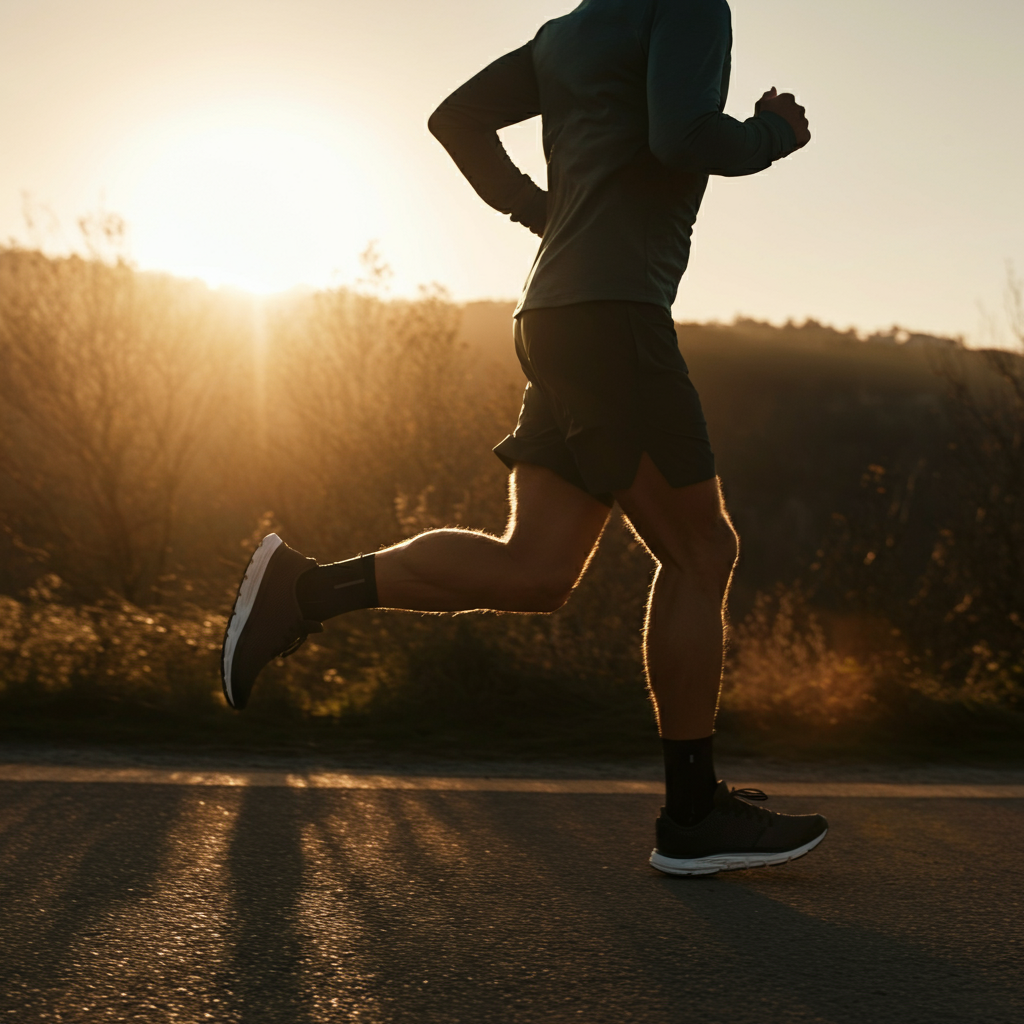
Cardiovascular exercise is essential for improving heart health, burning calories, and boosting endurance. Fortunately, there are plenty of ways to get your heart pumping without a treadmill. Running, jogging, brisk walking, cycling, swimming, jumping rope, and even dancing are all excellent options. Aim for at least 30 minutes of moderate-intensity cardio most days of the week. Interval training, which involves alternating between high-intensity bursts and periods of rest or low-intensity activity, can be particularly effective. Listen to your body and adjust the intensity and duration of your workouts as needed.
Step 5: Add Resistance Training at Home
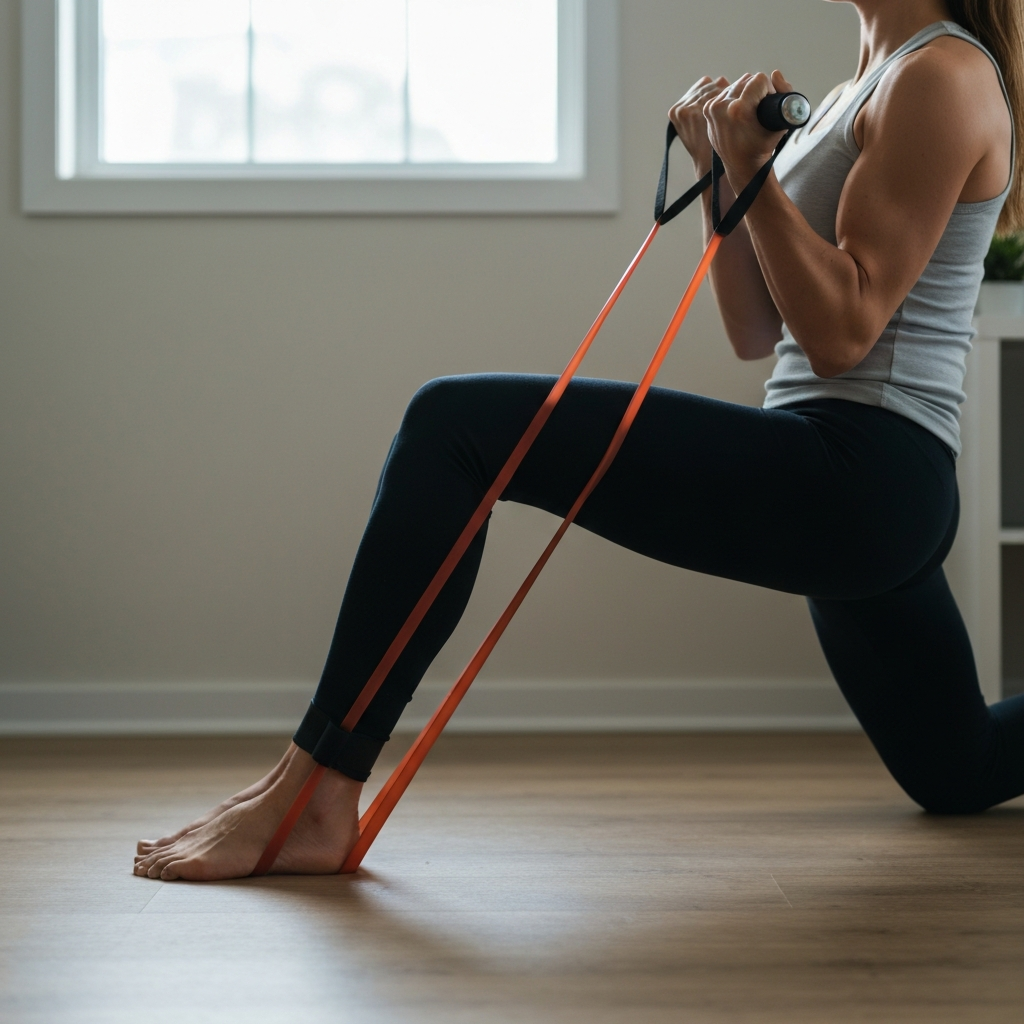
While bodyweight exercises are a great starting point, adding resistance can further challenge your muscles and accelerate your progress. You don't need expensive gym equipment to achieve this. Resistance bands are a versatile and affordable option that can be used to target various muscle groups. Alternatively, you can use household items such as water bottles, soup cans, or even a backpack filled with books as makeshift weights. Focus on exercises such as bicep curls, overhead presses, rows, and squats with added weight. Start with light resistance and gradually increase the weight as you get stronger.
Step 6: Prioritize Flexibility and Mobility
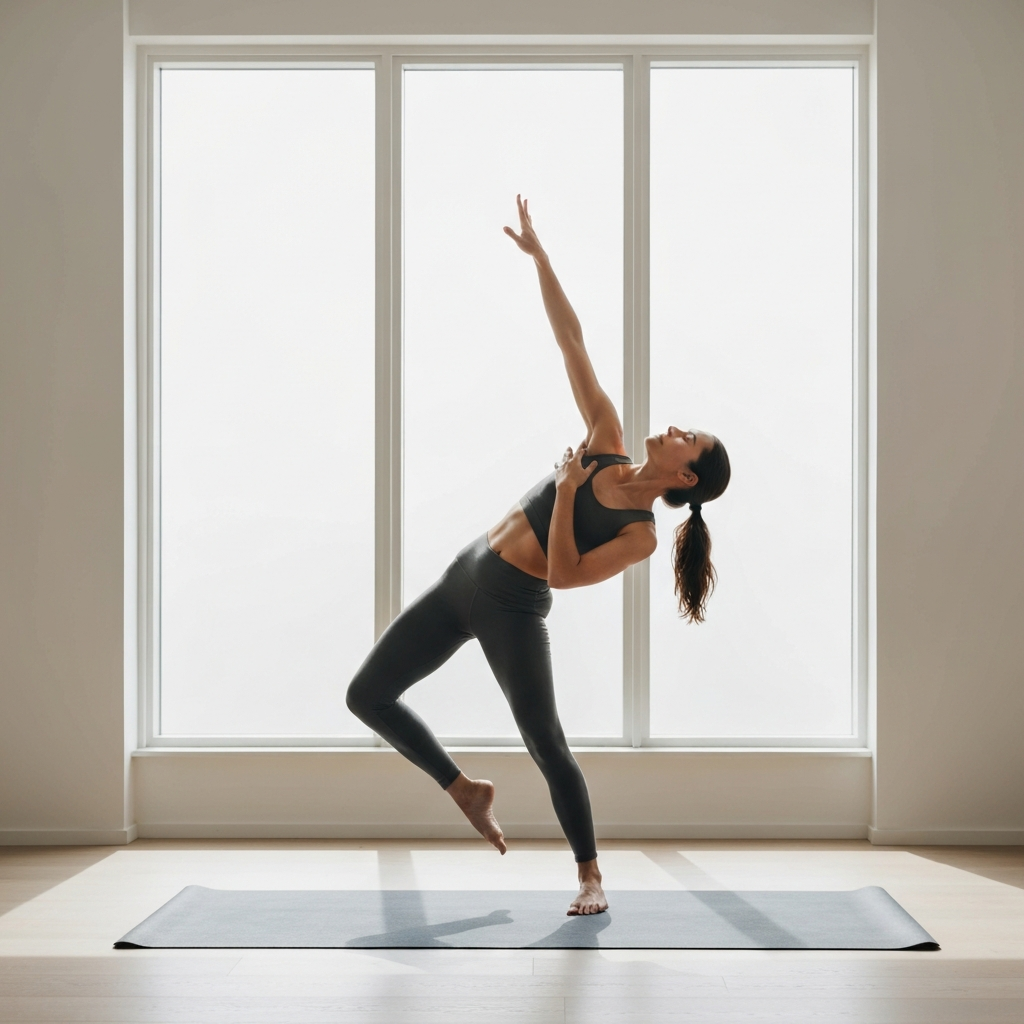
Flexibility and mobility are often overlooked, but they are crucial for preventing injuries, improving posture, and enhancing overall performance. Incorporate stretching exercises into your daily routine, focusing on major muscle groups such as hamstrings, quadriceps, hip flexors, and shoulders. Yoga and Pilates are excellent options for improving flexibility, balance, and core strength. Aim to stretch after your workouts when your muscles are warm and more pliable. Hold each stretch for at least 30 seconds and breathe deeply throughout the exercise.
Step 7: Stay Consistent and Track Your Progress
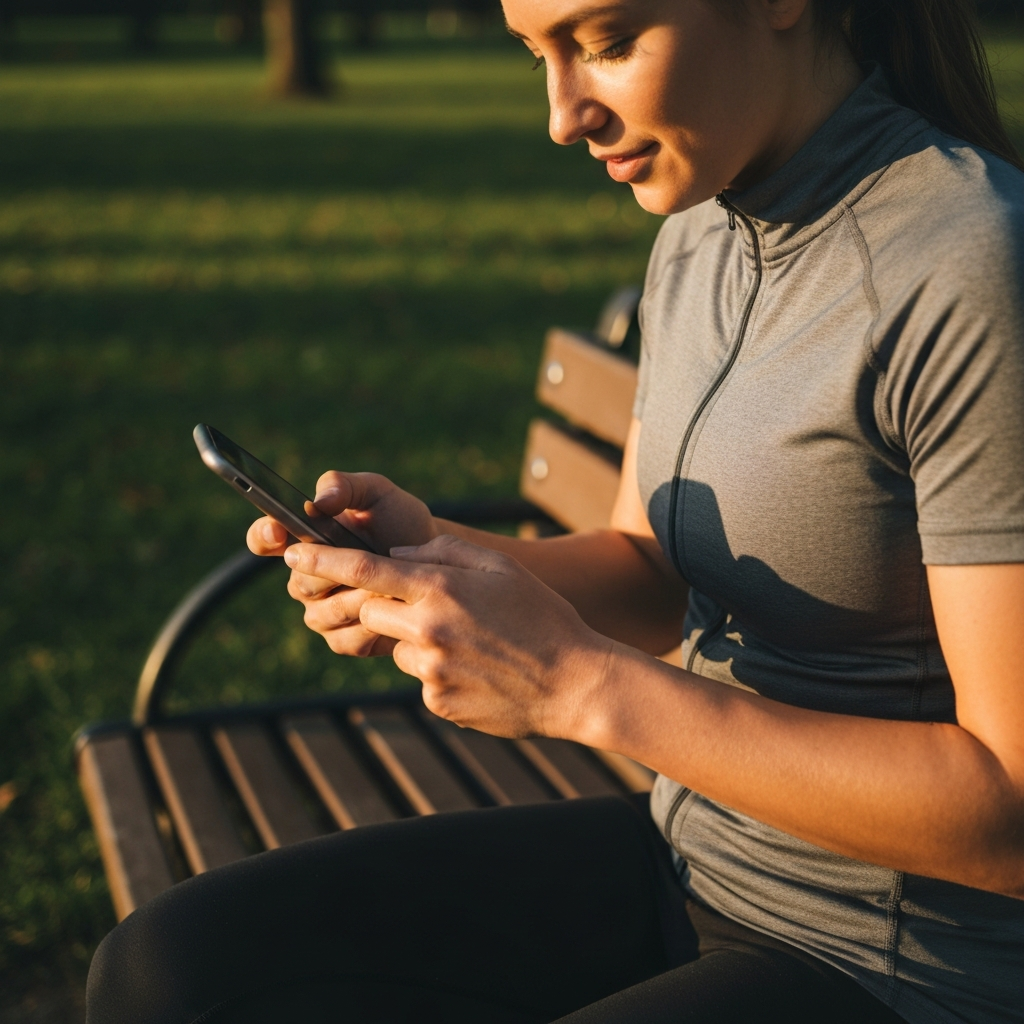
Consistency is the key to achieving any fitness goal. Create a realistic workout schedule that you can stick to, even on busy days. Aim for at least 3-4 workouts per week. Tracking your progress can help you stay motivated and identify areas where you need to adjust your training. Keep a workout journal, use a fitness app, or simply take progress photos. Celebrate your achievements, no matter how small. Remember, it's about progress, not perfection.
Tools or Materials Required
- Comfortable athletic clothing
- Supportive athletic shoes
- Resistance bands (optional but recommended)
- Household items for resistance (e.g., water bottles, cans, backpack)
- Yoga mat (optional)
- Water bottle
- Towel
Safety Considerations
- Consult with your doctor before starting any new exercise program, especially if you have any underlying health conditions.
- Warm up before each workout and cool down afterward.
- Use proper form to avoid injuries. Watch videos and use a mirror to check your posture.
- Listen to your body and stop if you feel any pain.
- Stay hydrated by drinking plenty of water before, during, and after your workouts.
Pro Tips
- Find a workout buddy to stay motivated and accountable.
- Listen to music or podcasts to make your workouts more enjoyable.
- Vary your routine to prevent boredom and challenge your muscles in new ways.
- Don't be afraid to experiment and find exercises that you enjoy.
- Make exercise a part of your daily routine, just like brushing your teeth.
FAQ Section
- Q: How often should I work out?
- A: Aim for at least 3-4 workouts per week.
- Q: How long should my workouts be?
- A: Workouts can range from 30-60 minutes, depending on your fitness level and goals.
- Q: What if I don't have any equipment?
- A: You can still get a great workout using just your body weight.
- Q: How do I stay motivated?
- A: Set realistic goals, track your progress, find a workout buddy, and make exercise enjoyable.
Conclusion
Leveling up your fitness game without the gym is entirely achievable with the right approach. By focusing on bodyweight exercises, incorporating readily available equipment, prioritizing consistency, and listening to your body, you can build a comprehensive and effective fitness routine that fits your lifestyle. Remember to set realistic goals, track your progress, and celebrate your achievements along the way. With dedication and perseverance, you can achieve your fitness goals and unlock a healthier, happier you – all without ever stepping foot inside a gym.