Dreaming of a superhero physique? You don't necessarily need a fancy gym or expensive equipment. Bodyweight exercises, when performed correctly and consistently, can be incredibly effective for building muscle, increasing strength, and achieving that coveted sculpted look. This guide provides a structured approach to sculpting your body using only your own weight as resistance.
We'll focus on compound movements that work multiple muscle groups simultaneously, maximizing your efficiency and promoting overall growth. Remember that consistency and proper form are paramount to success and injury prevention. Prepare to challenge yourself and transform your body into a lean, powerful machine.
Before starting any new workout routine, it's crucial to consult with your doctor or a qualified healthcare professional to ensure it's safe and appropriate for your individual needs and fitness level. Let's begin!
Step 1: Mastering the Foundation: The Push-Up
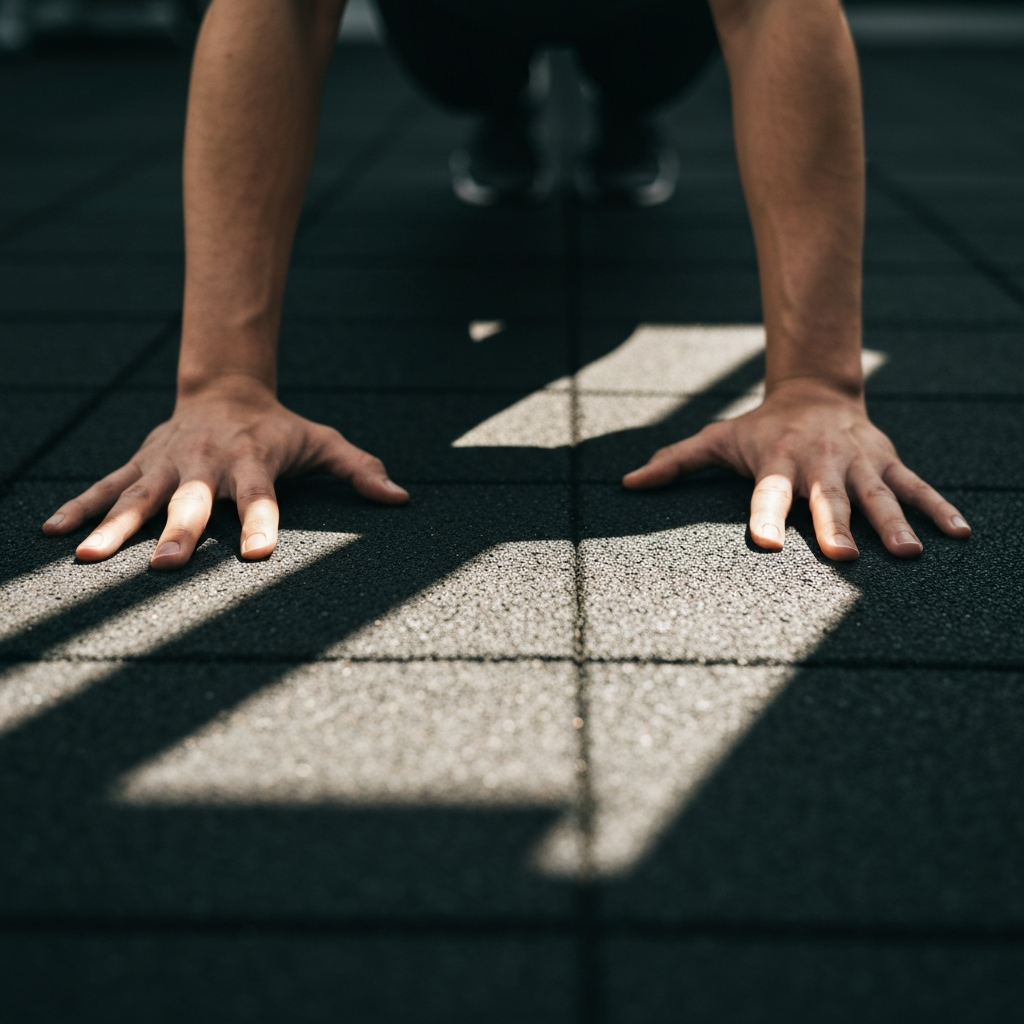
The push-up is a cornerstone of bodyweight training, targeting your chest, shoulders, and triceps. Start in a plank position, hands shoulder-width apart and slightly wider, fingers pointing forward. Lower your body until your chest nearly touches the ground, maintaining a straight line from head to heels. Focus on controlled movement, engaging your core throughout the exercise. Push back up to the starting position, fully extending your arms.
Step 2: Developing Leg Power: The Squat
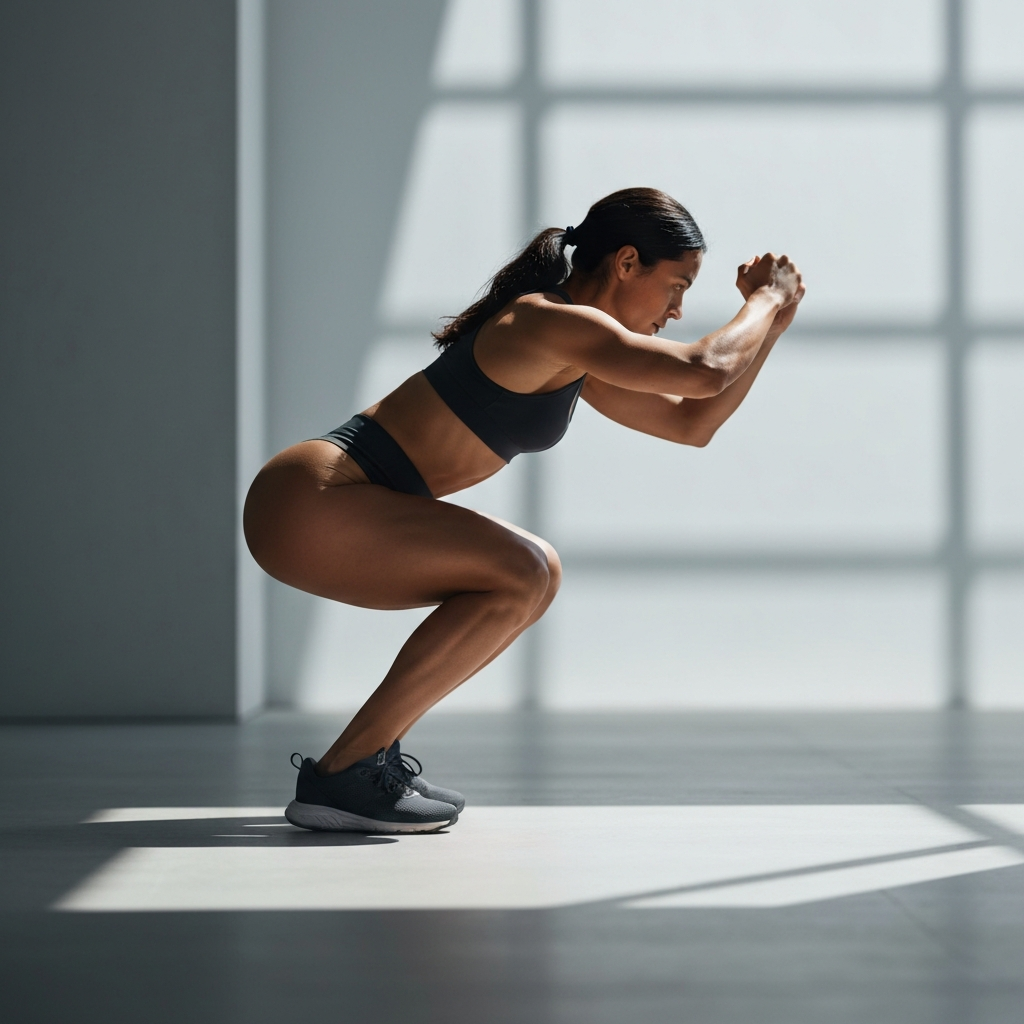
The squat is a fundamental exercise for building lower body strength and mass. Stand with your feet shoulder-width apart, toes slightly outward. Lower your hips as if you're sitting back into a chair, keeping your back straight and your core engaged. Aim for a depth where your thighs are parallel to the ground or slightly below. Drive through your heels to return to the starting position, squeezing your glutes at the top.
Step 3: Strengthening Your Back: The Pull-Up (or Assisted Pull-Up)
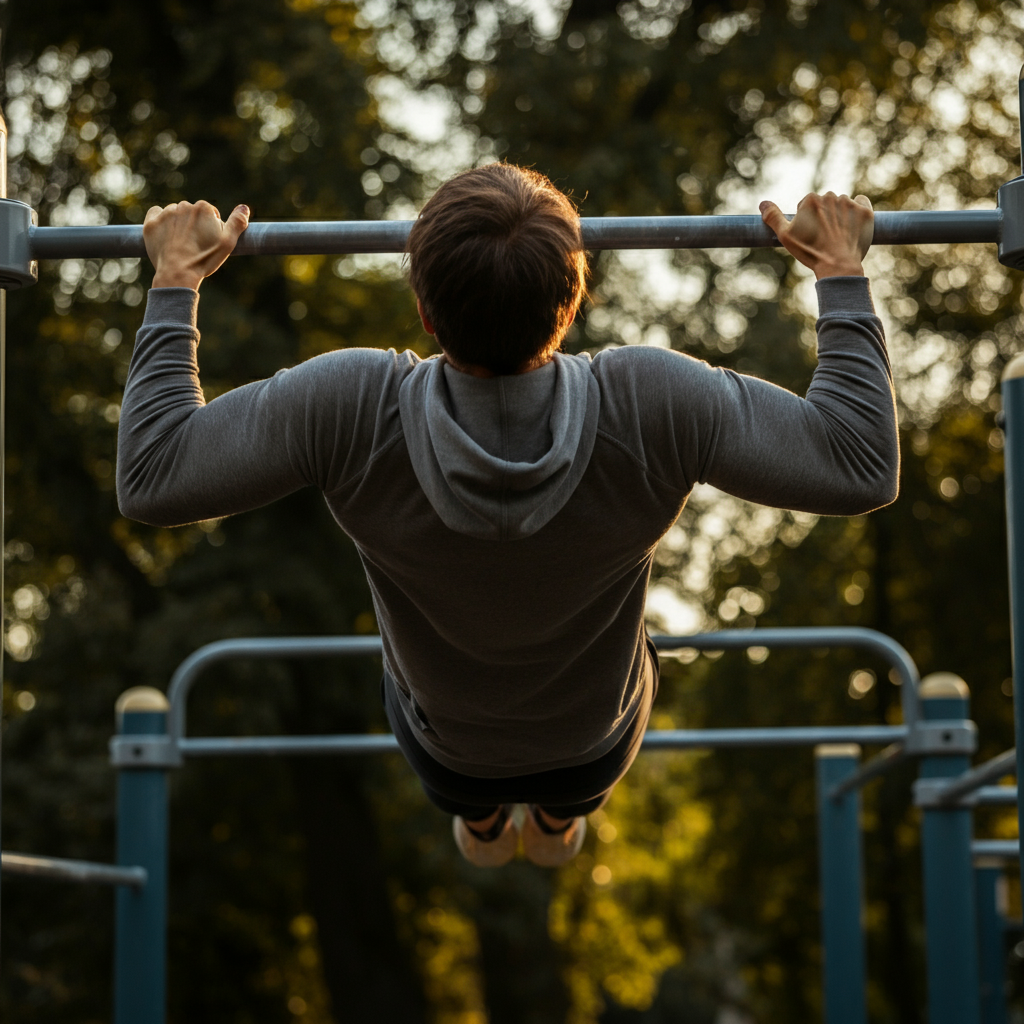
Pull-ups are arguably the best bodyweight exercise for developing a strong back and biceps. Grip a pull-up bar with an overhand grip, slightly wider than shoulder-width. Hang freely with your arms fully extended. Pull yourself up until your chin is over the bar, engaging your back muscles. Lower yourself slowly and with control. If you cannot perform a full pull-up, use an assisted pull-up machine or resistance bands to help you.
Step 4: Core Stability: The Plank
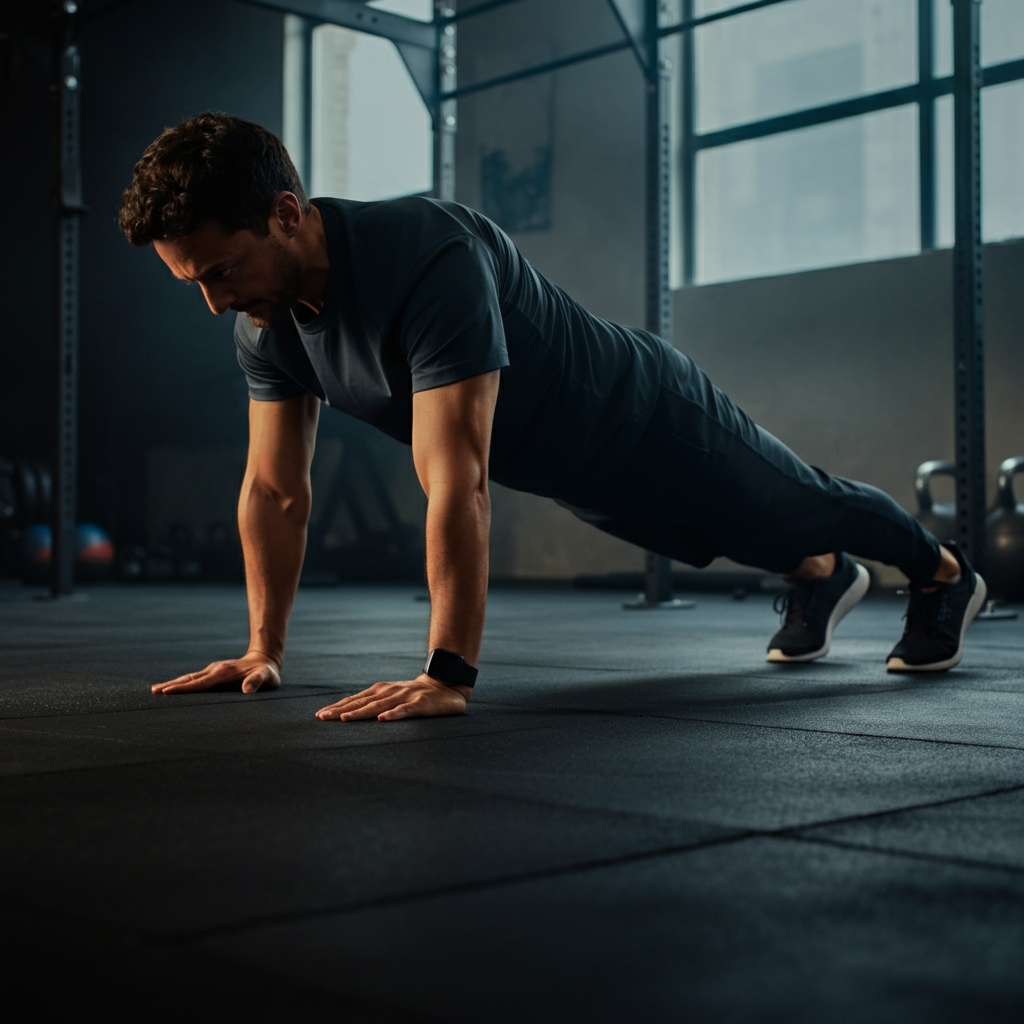
A strong core is essential for overall strength and stability. The plank is an isometric exercise that effectively targets your abdominal muscles. Get into a push-up position, but instead of placing your hands on the ground, rest on your forearms. Maintain a straight line from head to heels, engaging your core and glutes to prevent your hips from sagging. Hold this position for as long as possible, gradually increasing the duration over time.
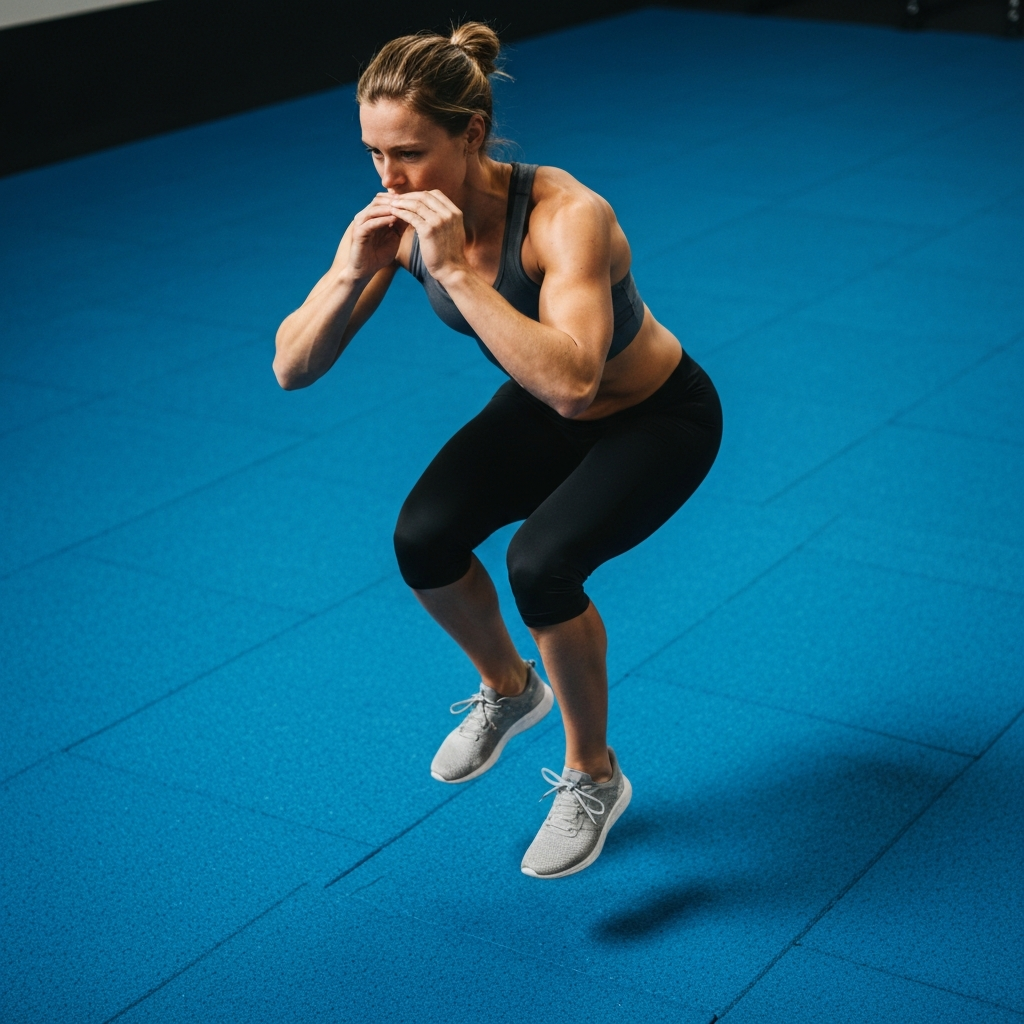
Step 5: Explosive Power: The Jump Squat
Jump squats add a plyometric element to your squat routine, increasing power and explosiveness. Perform a regular squat, but as you reach the bottom position, explosively jump upwards, extending your legs and arms. Land softly, absorbing the impact with your knees and immediately transitioning into the next squat. Focus on controlled landings to prevent injury.
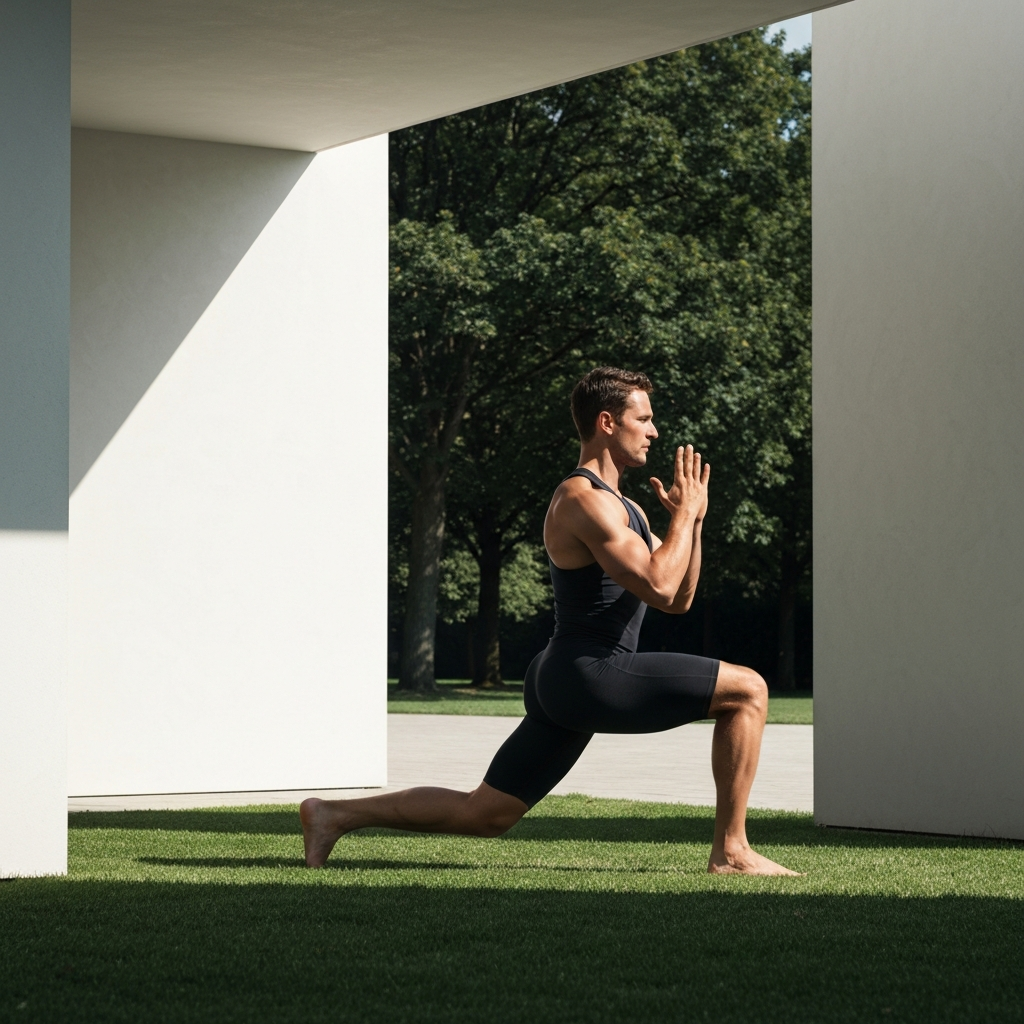
Step 6: Adding Variation: The Lunge
Lunges are a great unilateral exercise, working each leg independently to improve balance and coordination. Stand with your feet together. Step forward with one leg, lowering your hips until both knees are bent at a 90-degree angle. Ensure your front knee stays behind your toes and your back knee doesn't touch the ground. Push off with your front leg to return to the starting position, and repeat on the other side.
Step 7: Cardio and Fat Burning: Burpees
Burpees are a full-body exercise that combines strength training and cardiovascular work, making them ideal for burning fat and improving endurance. Start standing upright. Drop into a squat position with your hands on the ground. Kick your feet back into a push-up position. Perform a push-up. Jump your feet back to the squat position. Explosively jump upwards, reaching your arms overhead. Repeat as quickly as possible while maintaining good form.

Pro Tips
- Focus on progressive overload: Gradually increase the difficulty of your exercises by adding more repetitions, sets, or variations as you get stronger.
- Prioritize proper form over speed: Maintaining good form is crucial for preventing injuries and maximizing results.
- Listen to your body: Rest and recovery are just as important as training.
- Stay hydrated and eat a balanced diet to fuel your workouts and support muscle growth.
FAQ Section
Q: How often should I work out?
A: Aim for 3-4 workouts per week, allowing for adequate rest between sessions.
Q: How many repetitions and sets should I do?
A: Start with 3 sets of 8-12 repetitions for each exercise, adjusting the number as needed based on your fitness level.
Q: How long will it take to see results?
A: Results vary depending on individual factors such as genetics, diet, and consistency. However, with consistent effort, you can expect to see noticeable improvements in strength and muscle definition within a few weeks.
Safety Considerations
Always warm up before each workout and cool down afterwards. If you experience any pain, stop the exercise immediately and consult with a healthcare professional. Pay close attention to your body and avoid pushing yourself too hard, especially when starting out.
In conclusion, achieving a superhero physique with bodyweight exercises is entirely possible with dedication and a structured approach. By mastering the fundamental exercises, incorporating progressive overload, and prioritizing proper form, you can build a strong, sculpted body without ever stepping foot in a gym. Remember to listen to your body, stay consistent, and enjoy the process!