After a grueling workout, your body enters a critical recovery phase. This period is vital for muscle repair, glycogen replenishment, and overall adaptation to the training stimulus. Optimizing your recovery isn't just about feeling less sore; it's about maximizing your gains and preventing injuries. Many athletes and fitness enthusiasts underestimate the importance of recovery, focusing solely on the intensity of their workouts.
Ignoring the signals your body sends during recovery can lead to overtraining, plateaus, and even serious health problems. However, with the right strategies and a proactive approach, you can significantly enhance your body's natural healing processes. This guide provides a comprehensive overview of actionable steps you can take to supercharge your post-workout recovery and unlock your full potential.
This isn't just about rest; it's about active recovery, nutrition, hydration, and lifestyle adjustments that work synergistically to support your body's rebuilding efforts. Let's delve into the science-backed methods to help you recover faster and stronger.
Step 1: Prioritize Post-Workout Nutrition
Replenish Glycogen and Repair Muscle Tissue
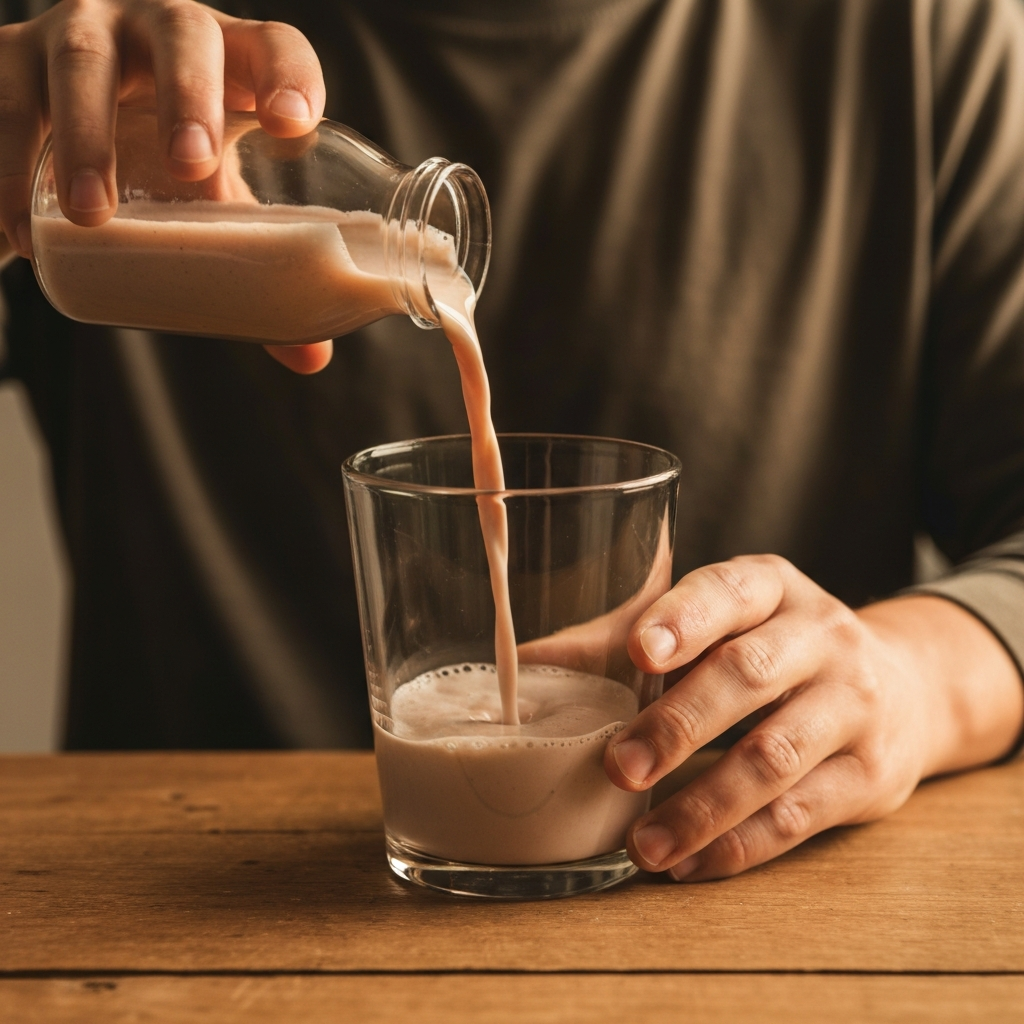
The first 30-60 minutes after your workout, often called the "anabolic window," is the optimal time to replenish depleted glycogen stores and initiate muscle protein synthesis. Consuming a combination of carbohydrates and protein during this window can significantly impact recovery. Aim for a 3:1 or 4:1 ratio of carbohydrates to protein. This helps restore energy levels and provides the building blocks (amino acids) necessary to repair damaged muscle fibers. Foods like a protein shake with fruit, a Greek yogurt parfait with granola and berries, or a turkey sandwich on whole-wheat bread are excellent choices.
Failing to consume adequate nutrients post-workout can lead to prolonged muscle soreness, reduced glycogen stores, and impaired muscle growth. Consider the timing and type of your pre-workout meal as well; a balanced meal a few hours before training can also support better post-workout recovery. Also, be mindful of added sugars and unhealthy fats, which can hinder the recovery process.
Step 2: Hydrate Adequately
Restore Fluid Balance and Support Metabolic Processes
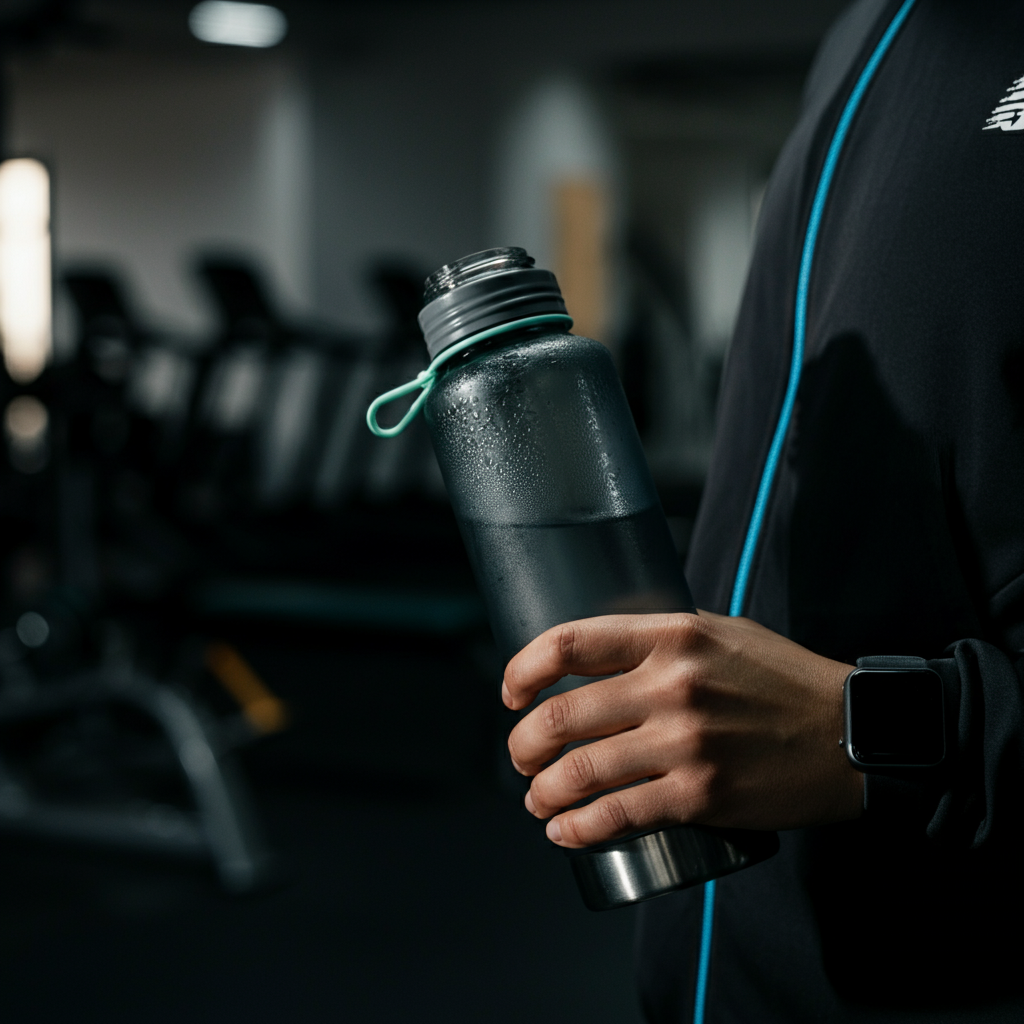
Exercise leads to fluid loss through sweat, which can impair various bodily functions, including muscle recovery. Dehydration can increase cortisol levels (a stress hormone) and hinder protein synthesis. It's crucial to rehydrate immediately after your workout and continue hydrating throughout the day. Water is generally sufficient for shorter, less intense workouts, but for longer or more strenuous sessions, consider an electrolyte-rich sports drink to replace lost minerals like sodium, potassium, and magnesium.
Monitor your urine color – pale yellow indicates adequate hydration, while dark yellow suggests dehydration. Don't wait until you feel thirsty to drink; proactively sip water throughout the day. Carry a water bottle with you as a constant reminder. Avoid excessive consumption of sugary drinks or caffeine, as these can have a diuretic effect and exacerbate dehydration.
Step 3: Active Recovery and Low-Intensity Exercise
Promote Blood Flow and Reduce Muscle Soreness
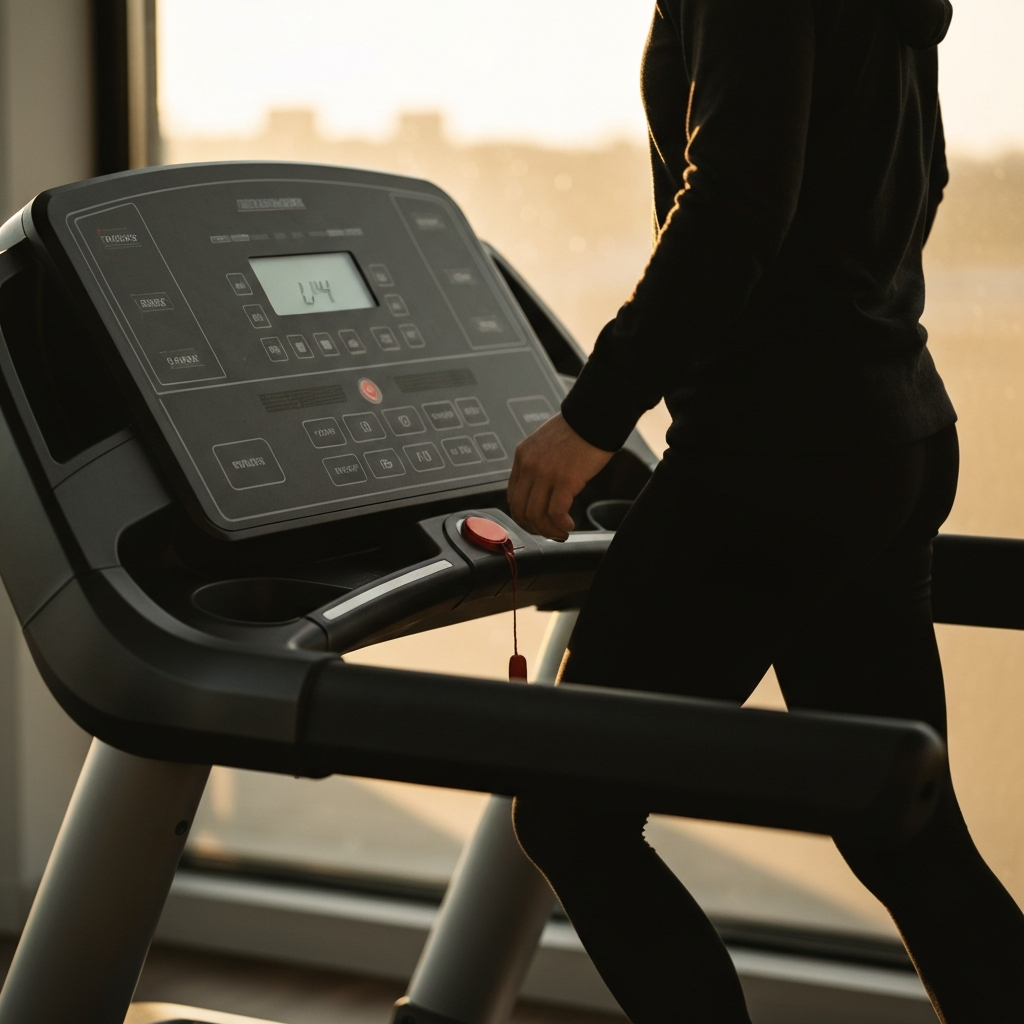
While complete rest is essential, engaging in light activity can actually enhance recovery by promoting blood flow to the muscles and removing metabolic waste products. Active recovery can take various forms, such as walking, cycling, swimming, or light stretching. The key is to keep the intensity low and avoid pushing your body too hard. Aim for 20-30 minutes of light activity at around 30-40% of your maximum heart rate.
Active recovery helps reduce muscle stiffness and soreness (DOMS – delayed onset muscle soreness) by increasing circulation and delivering nutrients to the affected areas. Be mindful of your body's signals; if you experience pain, stop and rest. Avoid high-impact activities during active recovery, as they can further stress the muscles. Incorporate dynamic stretching before and static stretching after your active recovery session for optimal results.
Step 4: Prioritize Sleep
Optimize Hormone Production and Muscle Repair
Sleep is arguably the most critical aspect of recovery. During sleep, your body releases hormones, such as growth hormone, which are essential for muscle repair and growth. Aim for 7-9 hours of quality sleep per night, especially after intense training sessions. Create a consistent sleep schedule by going to bed and waking up at the same time each day, even on weekends. A dark, quiet, and cool sleep environment can also improve sleep quality.
Sleep deprivation can significantly impair recovery, leading to increased cortisol levels, decreased muscle protein synthesis, and reduced cognitive function. Establish a relaxing bedtime routine, such as taking a warm bath, reading a book, or practicing meditation. Avoid screen time (phones, tablets, computers) for at least an hour before bed, as the blue light emitted from these devices can interfere with melatonin production.

Step 5: Consider Cold Therapy
Reduce Inflammation and Muscle Soreness
Cold therapy, such as ice baths or cold showers, can help reduce inflammation and muscle soreness after intense workouts. The cold constricts blood vessels, which can help reduce swelling and pain. Aim for a 10-15 minute ice bath at a temperature of 50-60°F (10-15°C). Alternatively, a cold shower of similar duration can provide similar benefits.
While cold therapy can be effective for reducing acute inflammation, it's important to note that excessive or prolonged use may hinder muscle growth in the long run. Some studies suggest that cold therapy can blunt the anabolic response to resistance training. Therefore, it's best to use cold therapy strategically, such as after particularly intense workouts or competitions, and to avoid using it regularly after every training session. If you have any cardiovascular issues, consult your doctor before using cold therapy.

FAQ Section
Q: How soon after my workout should I eat?
A: Ideally, you should aim to consume a post-workout meal or snack within 30-60 minutes after your workout to maximize glycogen replenishment and muscle protein synthesis.
Q: Are supplements necessary for recovery?
A: While a balanced diet should provide most of the nutrients you need, certain supplements, such as creatine, protein powder, and BCAAs, may enhance recovery and performance, especially for athletes and those engaging in intense training. Consult with a healthcare professional or registered dietitian before taking any supplements.
Q: How do I know if I'm overtraining?
A: Signs of overtraining include persistent fatigue, decreased performance, increased irritability, sleep disturbances, loss of appetite, and increased susceptibility to illness. If you experience these symptoms, reduce your training volume and intensity, prioritize rest and recovery, and consult with a healthcare professional.
Common Mistakes to Avoid
- Ignoring post-workout nutrition
- Dehydration
- Insufficient sleep
- Overtraining
- Neglecting active recovery
Safety Considerations
- Consult with a healthcare professional before making significant changes to your training or diet.
- Listen to your body and avoid pushing yourself too hard, especially when recovering from an injury.
- Ensure adequate hydration to prevent dehydration-related complications.
Pro Tips
- Keep a training log to track your workouts and recovery progress.
- Experiment with different recovery strategies to find what works best for you.
- Prioritize stress management techniques, such as meditation or yoga, to reduce cortisol levels and promote relaxation.
- Consider working with a coach or trainer to optimize your training and recovery plan.
Tools or Materials Required
- Water bottle
- Comfortable workout clothes
- Foam roller (optional)
- Ice bath or cold shower (optional)
- Protein shake or post-workout snack ingredients