Imagine stepping into your backyard and harvesting fresh, sun-ripened ingredients for the perfect homemade pizza. A pizza garden makes this dream a reality. By growing your own herbs, vegetables, and even fruits, you'll not only enjoy fresher, tastier pizzas but also embrace a more sustainable and rewarding gardening experience. This guide will take you through the entire process, from selecting the right plants to harvesting your bounty and creating unforgettable pizzas.
Creating a pizza garden isn't just about growing ingredients; it's about cultivating a connection to your food. You'll learn about the specific needs of each plant, understand the nuances of flavor development, and appreciate the effort that goes into every bite. Whether you have a sprawling backyard or a small balcony, there's a pizza garden design that's right for you. Let's embark on this delicious journey together!
Step 1: Planning Your Pizza Garden
Before you even think about planting, careful planning is crucial. Consider your local climate, the amount of sunlight your garden receives, and the size of your available space. Think about the types of pizzas you enjoy most and select plants accordingly. A classic Margherita calls for tomatoes, basil, and oregano, while a more adventurous pizza might include peppers, onions, and even pineapple. Sketch out a rough layout of your garden, taking into account the mature size of each plant to avoid overcrowding.

Step 2: Choosing the Right Plants
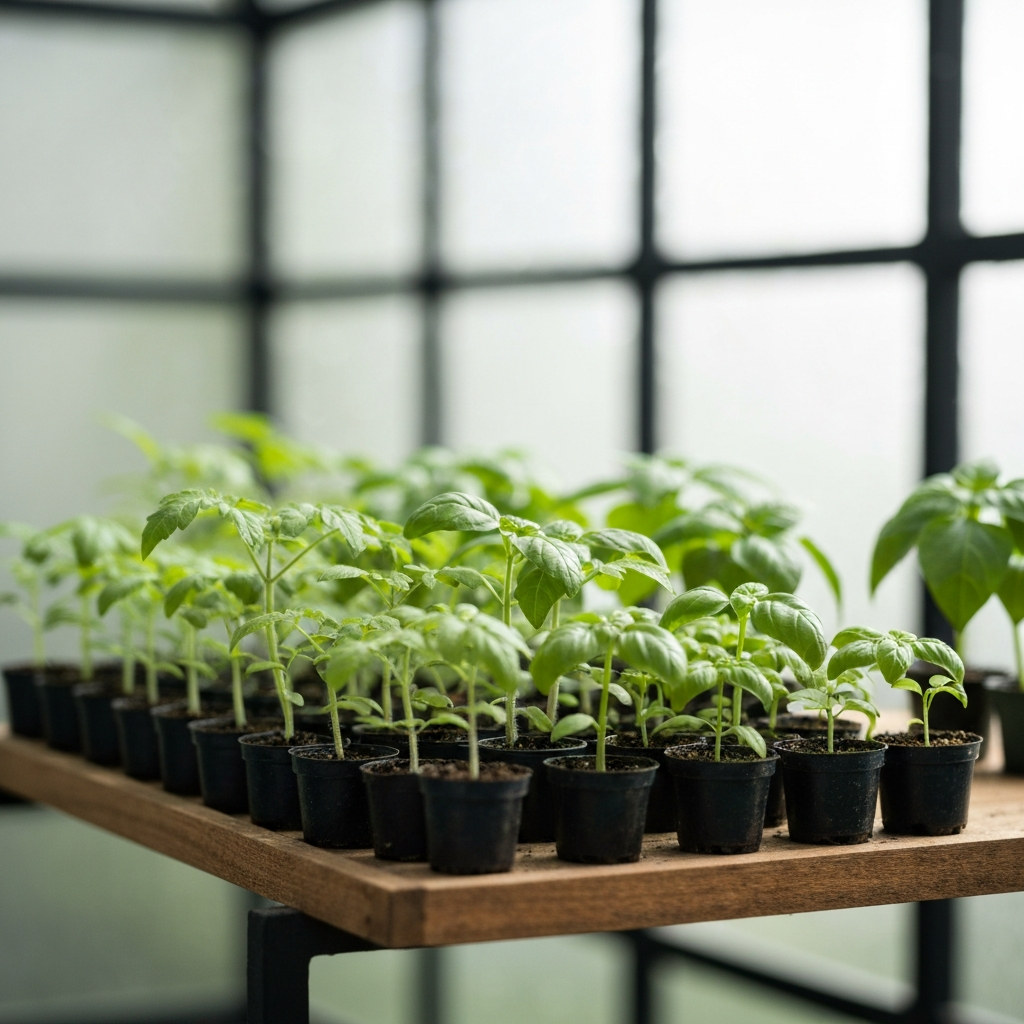
The heart of your pizza garden lies in the selection of the right plants. Tomatoes are a must-have, and there are countless varieties to choose from, ranging from small cherry tomatoes to large beefsteak tomatoes. Basil is another essential, with different varieties like Genovese, Thai, and lemon basil offering unique flavors. Other popular choices include peppers (bell peppers, jalapeños, etc.), onions, garlic, oregano, rosemary, and thyme. Consider disease-resistant varieties to minimize potential problems. For a sweeter touch, you might even add strawberries or pineapples!
Step 3: Preparing the Soil
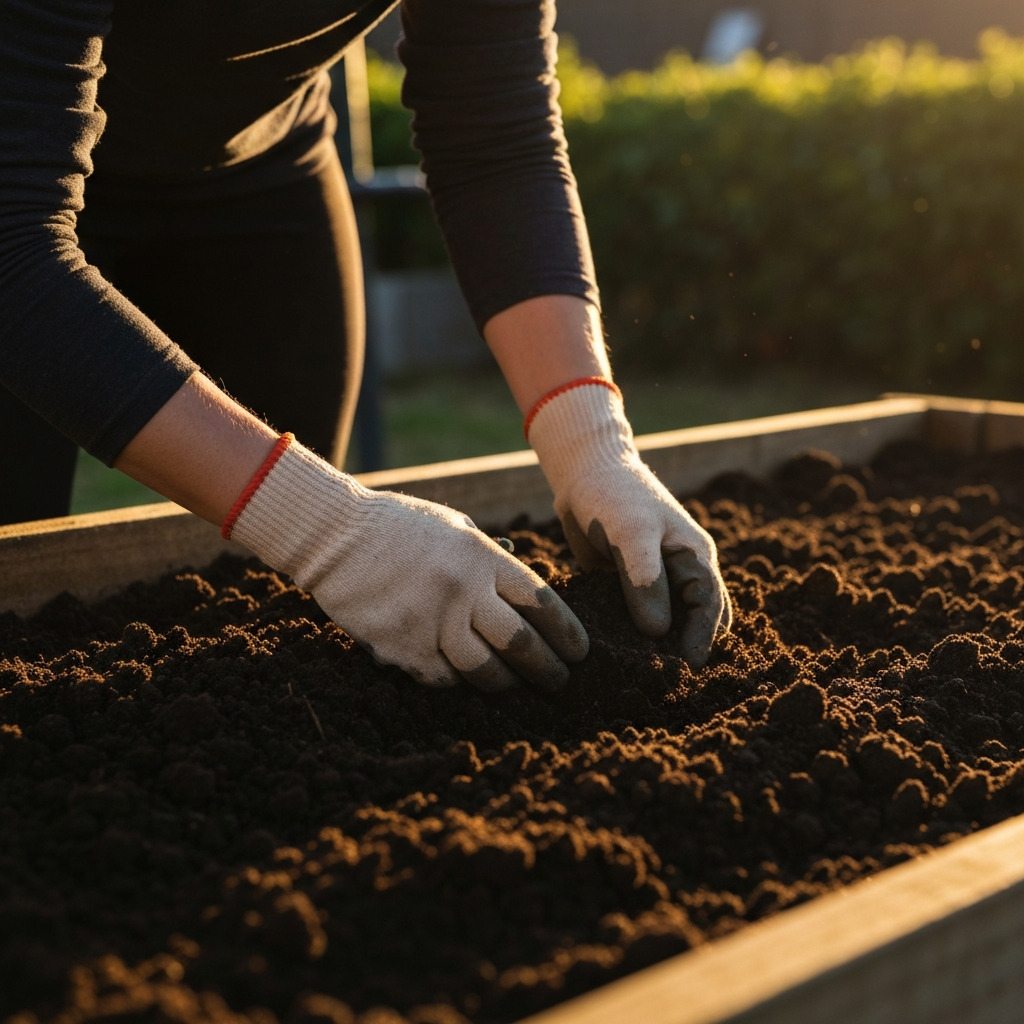
Healthy soil is the foundation of a thriving pizza garden. Most vegetables and herbs prefer well-drained soil that is rich in organic matter. Amend your soil with compost or well-rotted manure to improve its fertility and drainage. A soil pH of 6.0 to 7.0 is ideal for most pizza garden plants. You can test your soil pH using a simple soil testing kit available at most garden centers. Proper soil preparation will ensure that your plants have the nutrients they need to grow strong and produce abundant harvests.
Step 4: Starting Seeds or Buying Transplants
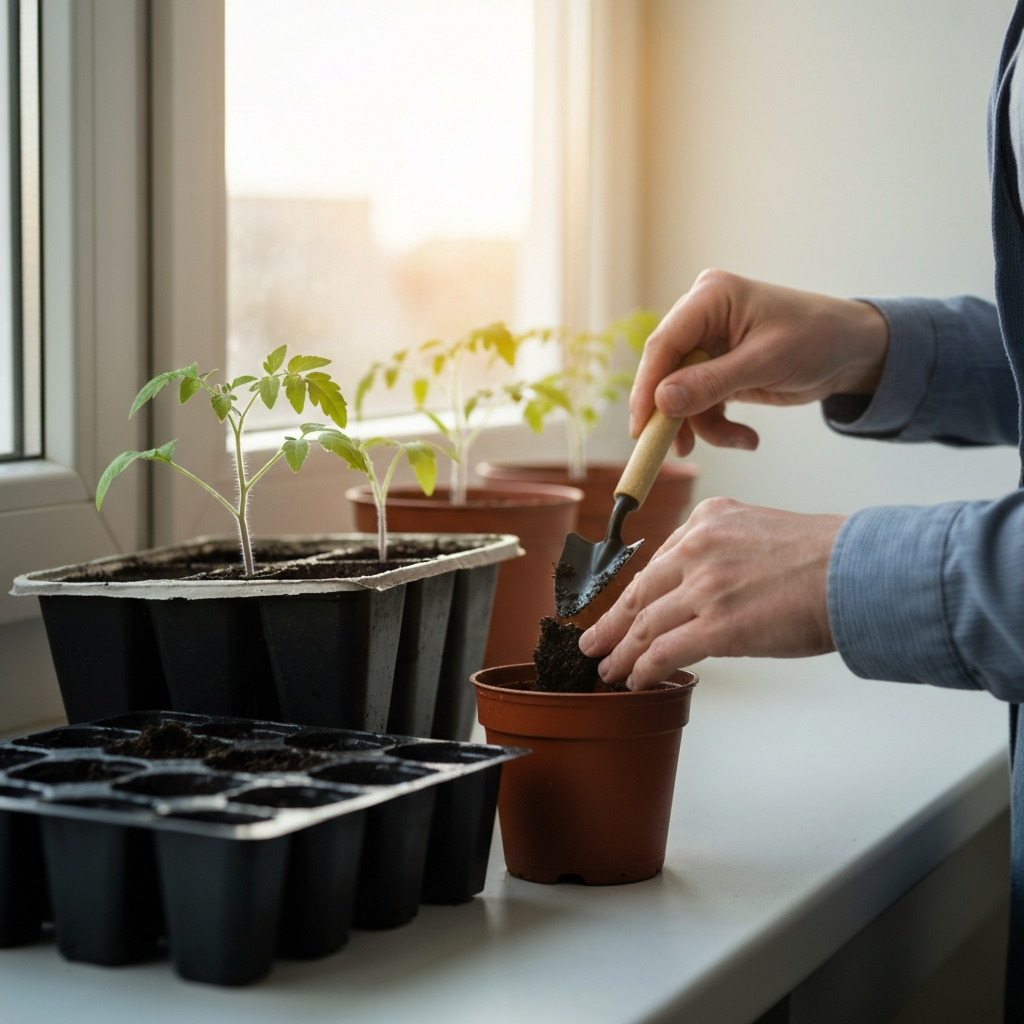
You have the option of starting your plants from seeds or buying transplants from a local nursery. Starting seeds indoors gives you more control over the growing process and allows you to choose from a wider variety of plants. However, it also requires more time and effort. Buying transplants is a quicker and easier option, especially for beginners. If you choose to start seeds indoors, be sure to use a good quality seed starting mix and provide adequate light. Harden off your seedlings before transplanting them outdoors to acclimate them to the outdoor environment.
Step 5: Planting Your Pizza Garden
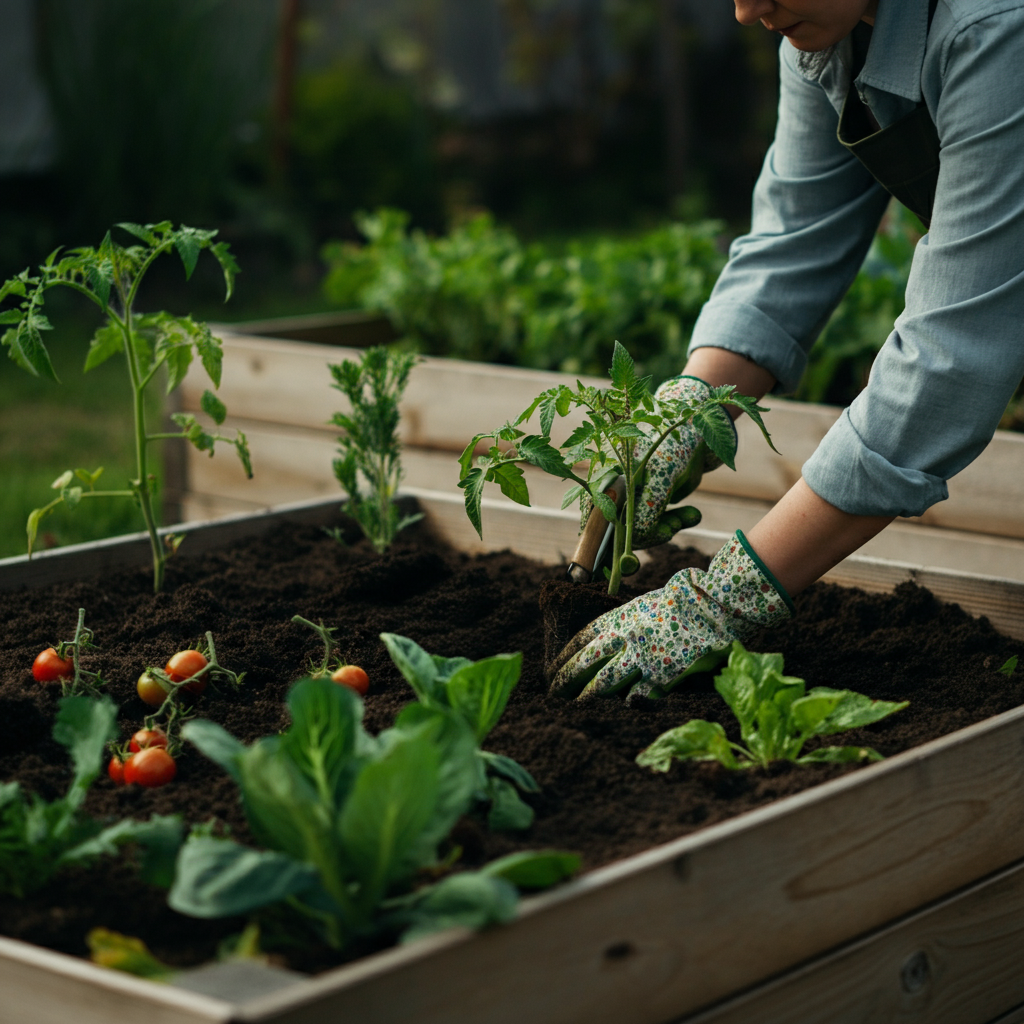
Once your soil is prepared and your plants are ready, it's time to plant your pizza garden. Space your plants according to their mature size, keeping in mind that some plants, like tomatoes, will need more space than others. Dig a hole that is slightly larger than the root ball of the plant and gently loosen the roots before planting. Water thoroughly after planting to help the roots settle in. Mulch around your plants with straw or wood chips to help retain moisture and suppress weeds. Be sure to provide support for vining plants like tomatoes with stakes or cages.
Step 6: Watering and Fertilizing
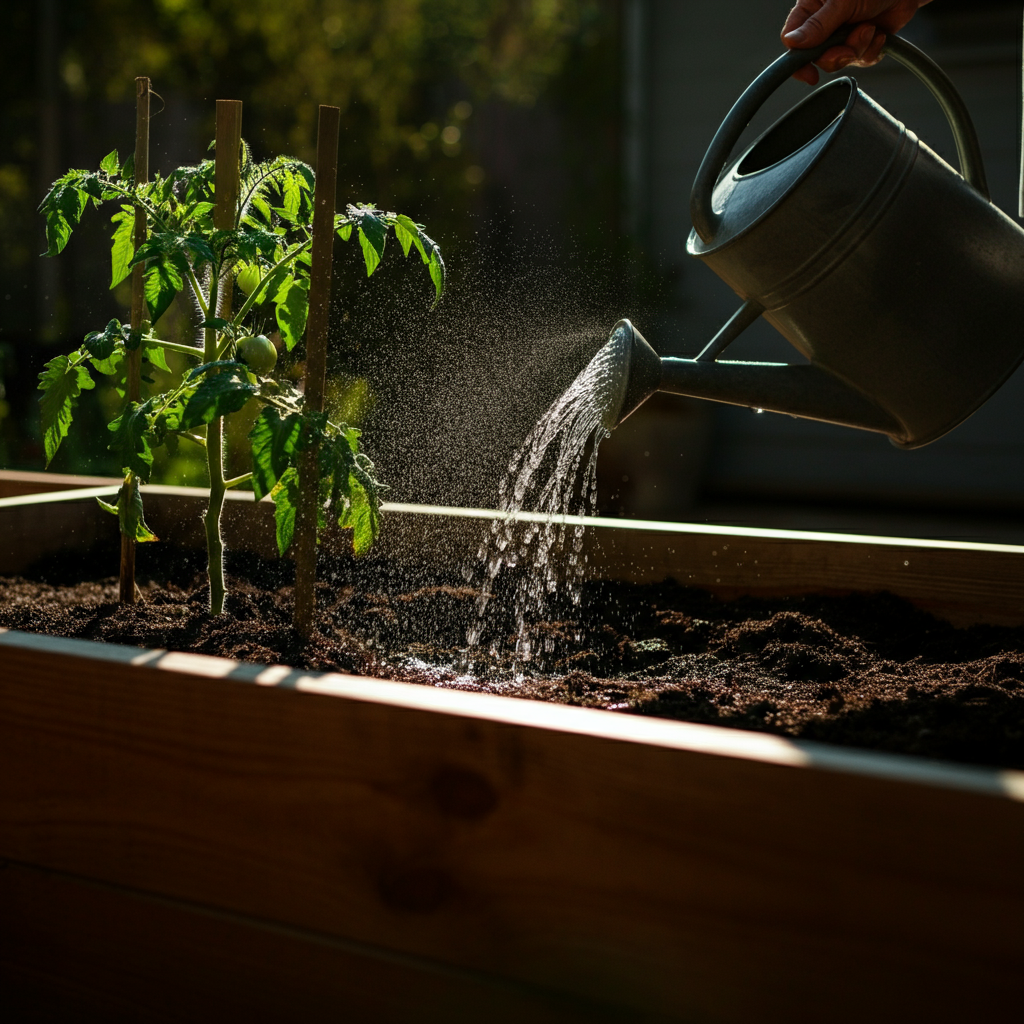
Consistent watering is essential for a healthy pizza garden. Water deeply and regularly, especially during dry periods. Avoid overwatering, as this can lead to root rot. Fertilize your plants regularly with a balanced fertilizer to provide them with the nutrients they need to thrive. Follow the instructions on the fertilizer label carefully. Organic fertilizers, such as compost tea or fish emulsion, are a great option for feeding your pizza garden in a sustainable way.
Step 7: Pest and Disease Control
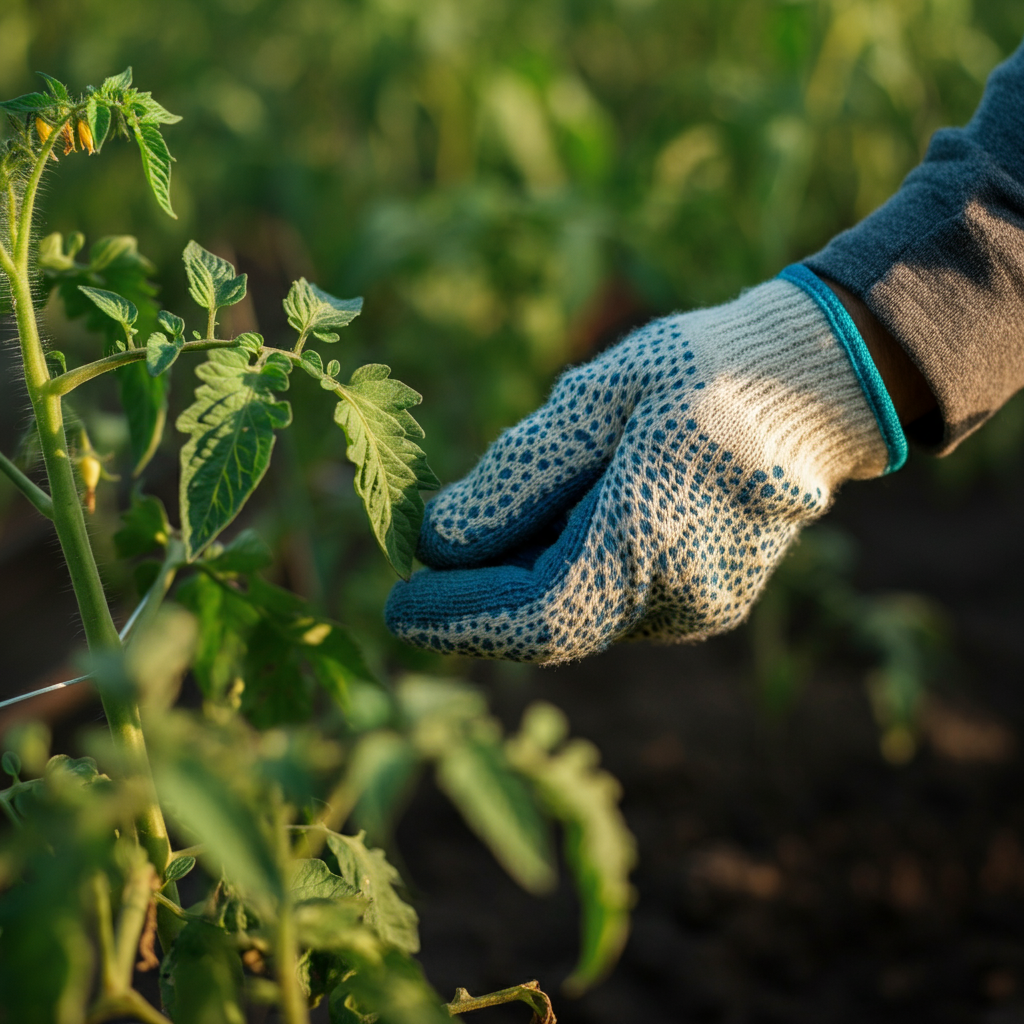
Pests and diseases can wreak havoc on your pizza garden if left unchecked. Regularly inspect your plants for signs of pests or diseases. Common pests include aphids, spider mites, and tomato hornworms. Diseases can include fungal diseases like early blight and powdery mildew. Use organic pest control methods whenever possible, such as insecticidal soap or neem oil. Remove any diseased leaves or plants to prevent the spread of infection. Practicing good garden hygiene, such as removing plant debris and weeding regularly, can also help prevent pest and disease problems.
Step 8: Harvesting Your Bounty
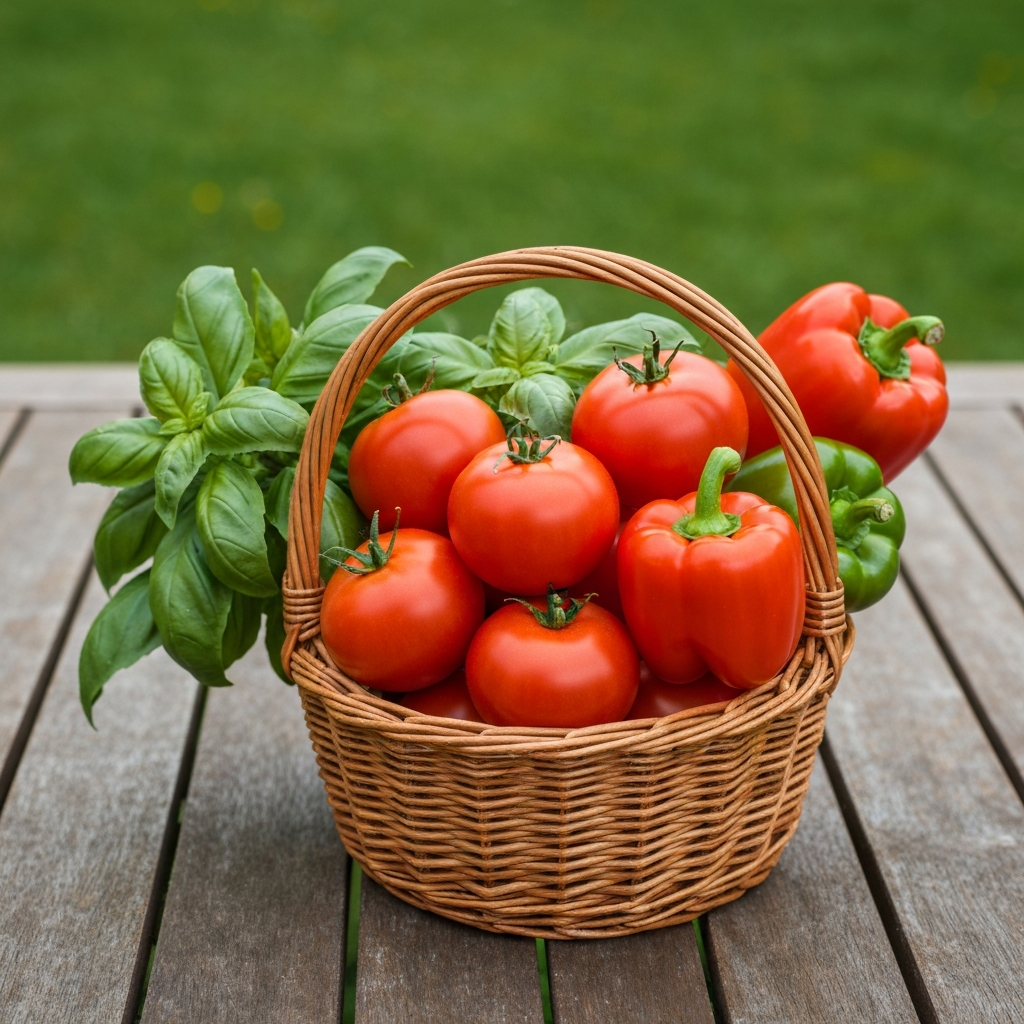
The most rewarding part of growing a pizza garden is harvesting your own fresh ingredients. Harvest vegetables and herbs as they ripen or mature. Tomatoes are ready to harvest when they are fully colored and slightly soft to the touch. Basil can be harvested throughout the growing season by pinching off the leaves. Regular harvesting will encourage plants to produce more. Store your harvested ingredients properly to maintain their freshness and flavor. Now it's time to get creative and start making delicious pizzas!
Tools or Materials Required
- Seeds or Transplants
- Gardening Gloves
- Trowel
- Watering Can or Hose
- Fertilizer
- Pest Control Products (Organic)
- Soil Testing Kit (Optional)
- Compost or Manure
- Mulch
- Stakes or Cages (for tomatoes)
Common Mistakes to Avoid
- Overwatering or Underwatering
- Planting in Poor Soil
- Not Providing Enough Sunlight
- Failing to Support Vining Plants
- Ignoring Pest and Disease Problems
FAQ Section
Q: How much space do I need for a pizza garden?
A: Even a small balcony can accommodate a pizza garden. You can grow herbs and smaller vegetables in containers. A larger garden bed will allow you to grow a wider variety of plants.
Q: What is the best time to plant a pizza garden?
A: The best time to plant depends on your local climate. Generally, you should wait until after the last frost to plant warm-season vegetables like tomatoes and peppers.
Q: How often should I water my pizza garden?
A: Water deeply and regularly, especially during dry periods. Check the soil moisture before watering and avoid overwatering.
In conclusion, creating a pizza garden is a rewarding experience that brings the joy of fresh, homegrown ingredients to your table. By following these steps and paying attention to the specific needs of your plants, you can cultivate a thriving garden and create unforgettable pizzas. So, get your hands dirty, embrace the process, and savor the taste of your own homegrown pizza. Happy gardening!