Vertical gardens, also known as living walls, are a fantastic way to add greenery to small spaces, beautify dull walls, and even grow your own herbs and vegetables. The best part? You don't need a fortune to create one. With some clever planning and resourcefulness, you can transform any wall or fence into a lush, vibrant vertical garden without breaking the bank. This guide will walk you through the steps of building a thriving vertical garden on a budget, from choosing the right location to selecting affordable materials and plants.
A common misconception is that vertical gardens are complicated and expensive. While high-end systems can be pricey, DIY solutions are readily available and surprisingly easy to implement. The key is to prioritize functionality and choose cost-effective alternatives. Think recycled materials, repurposed containers, and budget-friendly plants. With a little creativity and elbow grease, you can have a stunning vertical garden that's both beautiful and budget-friendly.
Before diving in, consider the amount of space you have, the sunlight exposure, and the type of plants you want to grow. Proper planning is crucial for success. A well-designed vertical garden can enhance your outdoor space, provide fresh herbs for your kitchen, or simply add a touch of nature to your home. Let's get started!
Step 1: Choosing the Right Location
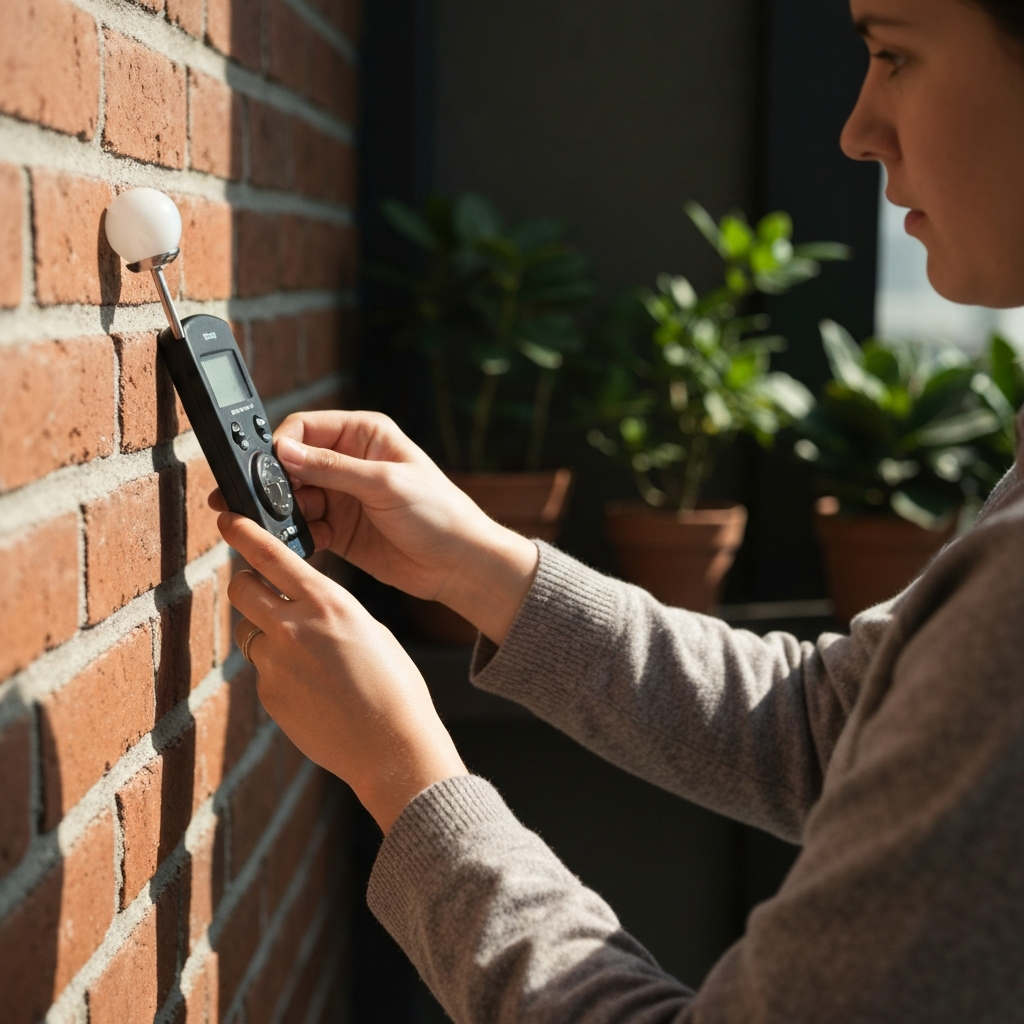
Selecting the perfect spot for your vertical garden is essential for its success. Consider the amount of sunlight the area receives, the accessibility of water, and the structural integrity of the wall or fence you'll be using. Most plants need at least 6 hours of sunlight per day to thrive, so choose a location that provides adequate light. Also, ensure you have easy access to a water source for regular watering.
Step 2: Building Your Vertical Structure
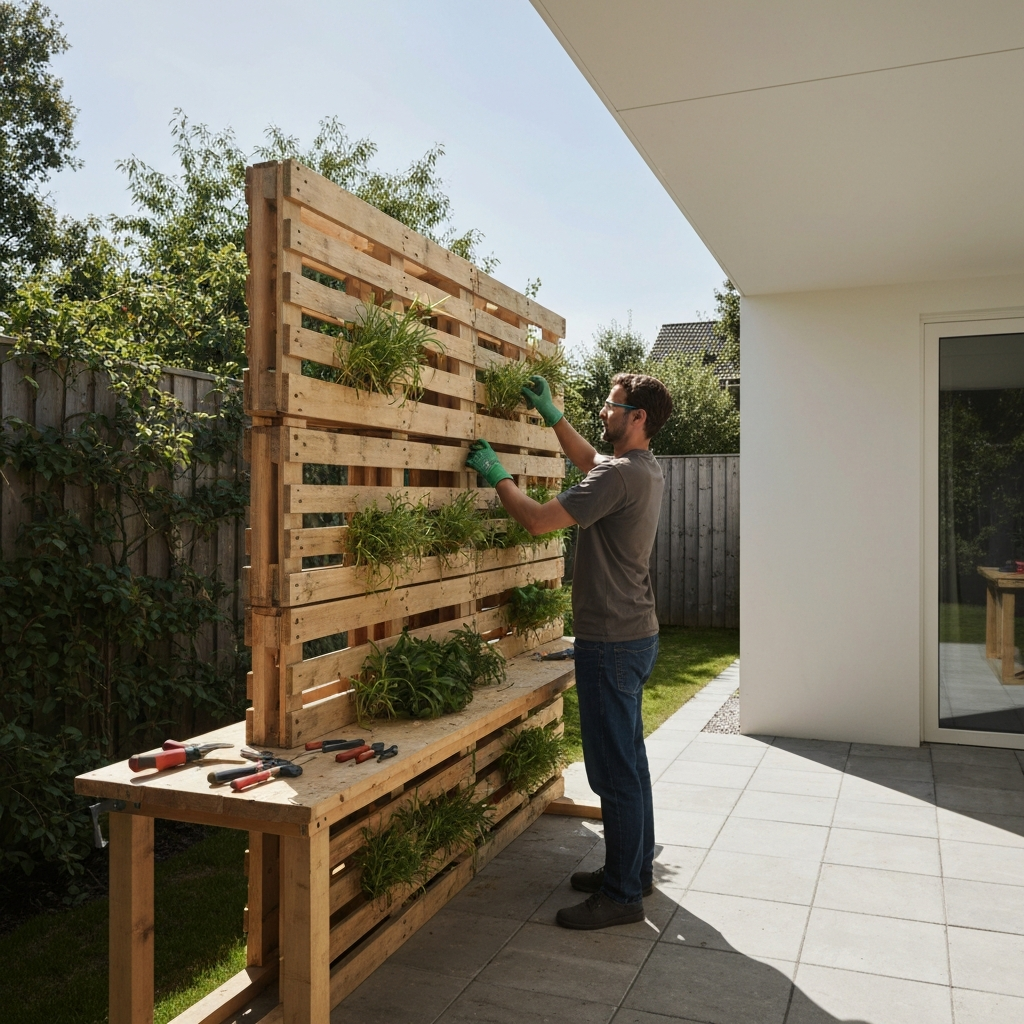
This is where you'll get creative with budget-friendly materials. Pallets are a popular and affordable option. Simply reinforce the back with landscape fabric to create pockets for your plants. Alternatively, you can use recycled plastic bottles, repurposed wooden crates, or even old gutters. Ensure your structure is sturdy and well-supported to prevent accidents. Consider the weight of the soil and plants when choosing your materials.
Step 3: Selecting Your Plants
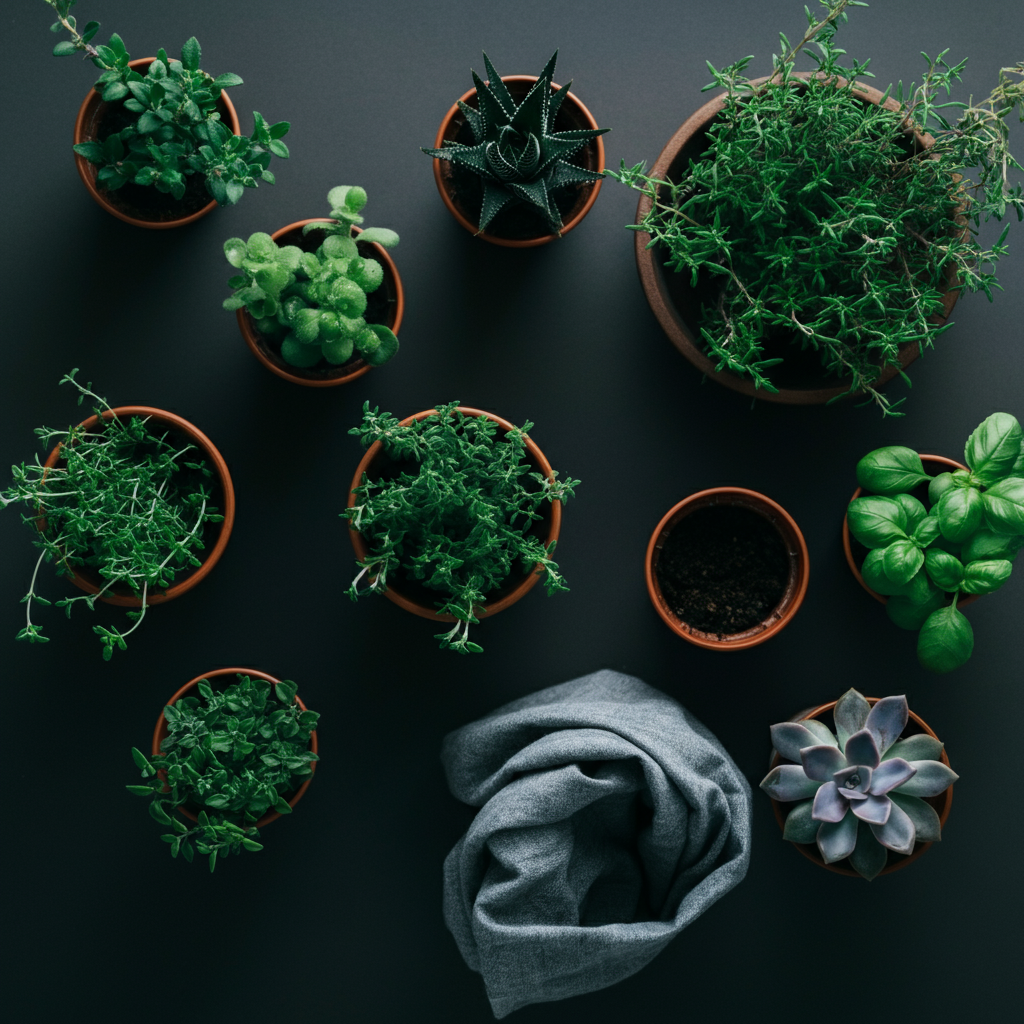
Choosing the right plants is crucial for a thriving vertical garden. Opt for plants that are well-suited to your climate and the amount of sunlight your location receives. Herbs, succulents, and leafy greens are generally good choices for vertical gardens because they are relatively low-maintenance and don't require a lot of space. Consider starting with small, inexpensive plants to save money.
Step 4: Planting and Watering
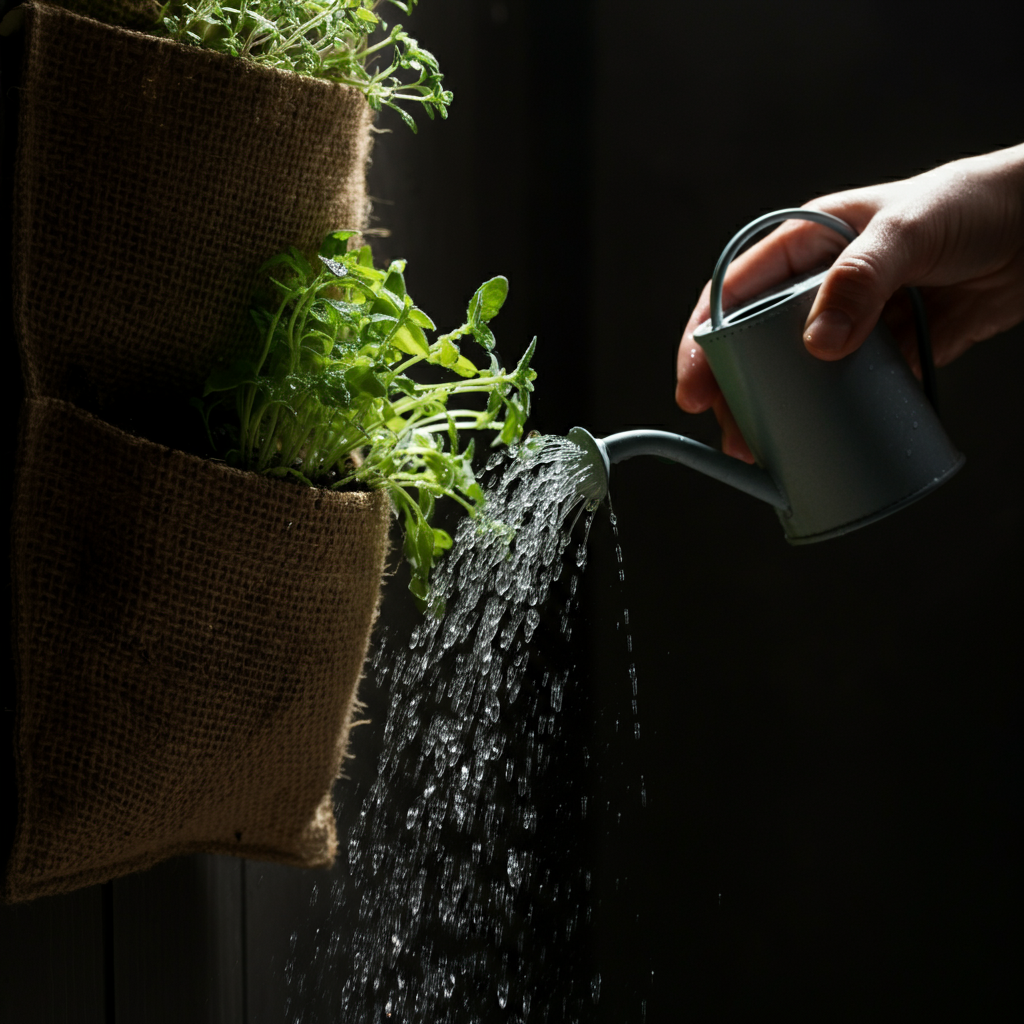
When planting, use a well-draining potting mix to prevent root rot. Gently remove the plants from their containers and carefully place them into the pockets of your vertical structure. Water thoroughly after planting. Vertical gardens tend to dry out quickly, so regular watering is essential. Consider installing a simple drip irrigation system to automate the watering process and save time.
Step 5: Maintenance and Care
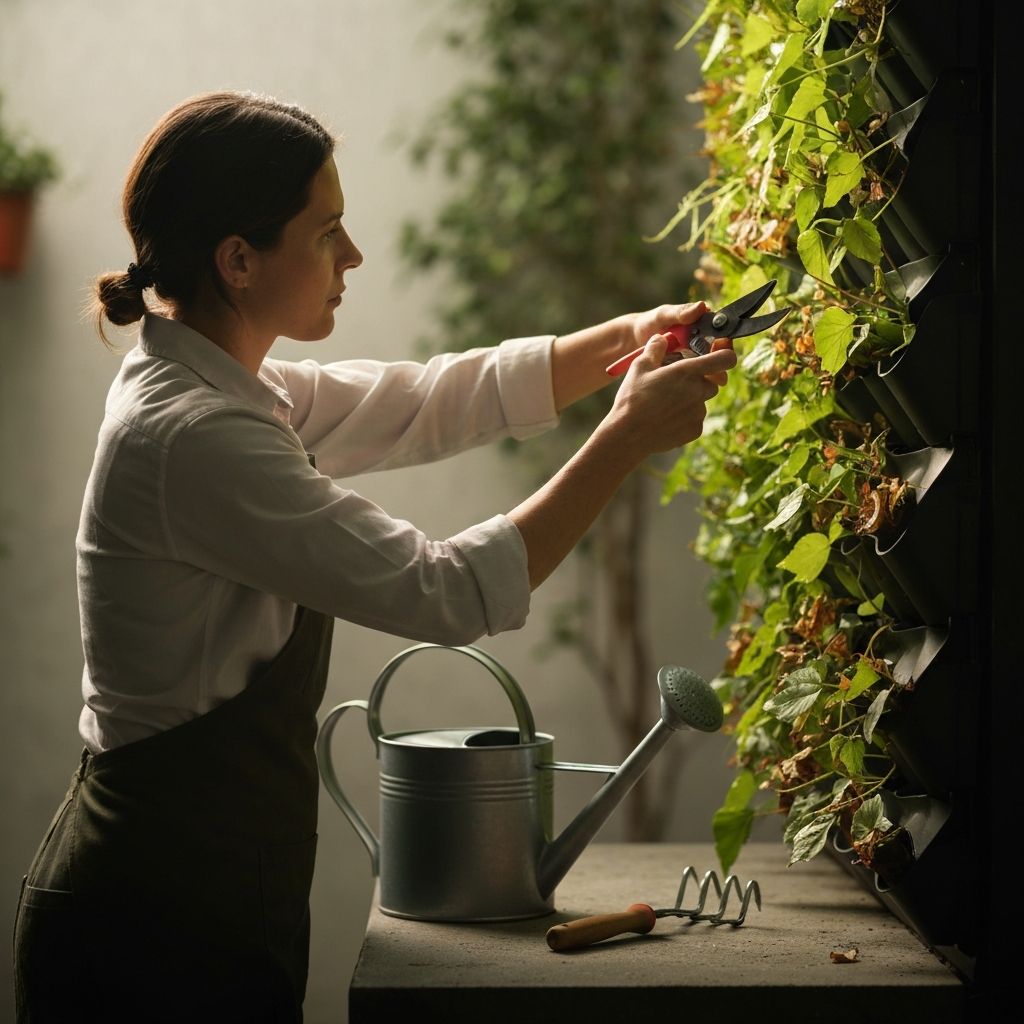
Vertical gardens require regular maintenance to thrive. Trim any dead or yellowing leaves, fertilize regularly, and check for pests. Proper pruning helps maintain the shape and health of your plants. If you notice any signs of pest infestation, treat the plants with an organic insecticide. Regularly check the structure to ensure it remains sturdy and well-supported.
Tools or Materials Required
- Pallets, recycled plastic bottles, or wooden crates
- Landscape fabric
- Potting mix
- Plants
- Staple gun or nails
- Scissors or utility knife
- Watering can or drip irrigation system
- Gardening gloves
Common Mistakes to Avoid
- Choosing a location with insufficient sunlight.
- Using poorly draining soil.
- Overwatering or underwatering.
- Neglecting to fertilize.
- Using a structure that is not sturdy enough to support the weight of the plants.
- Ignoring pest infestations.
Pro Tips
- Use self-watering containers to reduce the need for frequent watering.
- Mix slow-release fertilizer into the potting mix to provide a steady supply of nutrients.
- Rotate plants periodically to ensure even sunlight exposure.
- Consider adding a layer of mulch to the top of the soil to help retain moisture.
- Companion plant herbs and vegetables that benefit each other.
FAQ Section
Q: How often should I water my vertical garden?
A: This depends on the climate, the type of plants, and the type of soil. Generally, you should water your vertical garden when the top inch of soil feels dry to the touch.
Q: What type of fertilizer should I use?
A: A balanced liquid fertilizer is a good option. Follow the instructions on the fertilizer packaging.
Q: How do I prevent pests in my vertical garden?
A: Regularly inspect your plants for signs of pests. If you find any, treat them with an organic insecticide.
Creating a thriving vertical garden on a budget is achievable with careful planning, resourcefulness, and a little bit of effort. By choosing the right location, building a sturdy structure, selecting appropriate plants, and providing regular maintenance, you can transform any wall into a beautiful and productive green space. Remember to prioritize functionality and choose cost-effective alternatives. Enjoy the process and reap the rewards of your stunning vertical garden!