Gardening can be a deeply rewarding experience, providing fresh produce, beautiful flowers, and a connection to nature. However, it can also be a demanding and time-consuming task if not approached strategically. This guide aims to equip you with the knowledge and techniques to garden smarter, not harder, allowing you to enjoy the fruits (and vegetables!) of your labor with less effort and more enjoyment.
We'll explore practical methods to optimize your gardening process, from soil preparation and plant selection to efficient watering and pest control. By adopting these strategies, you can create a thriving garden that fits seamlessly into your lifestyle, minimizing the workload while maximizing the bounty.
Get ready to transform your gardening experience, making it more efficient, sustainable, and enjoyable. Let's dive in and learn how to work with nature, not against it, for a garden that flourishes with minimal hassle.
Step 1: Planning and Design
Creating a Smart Garden Layout
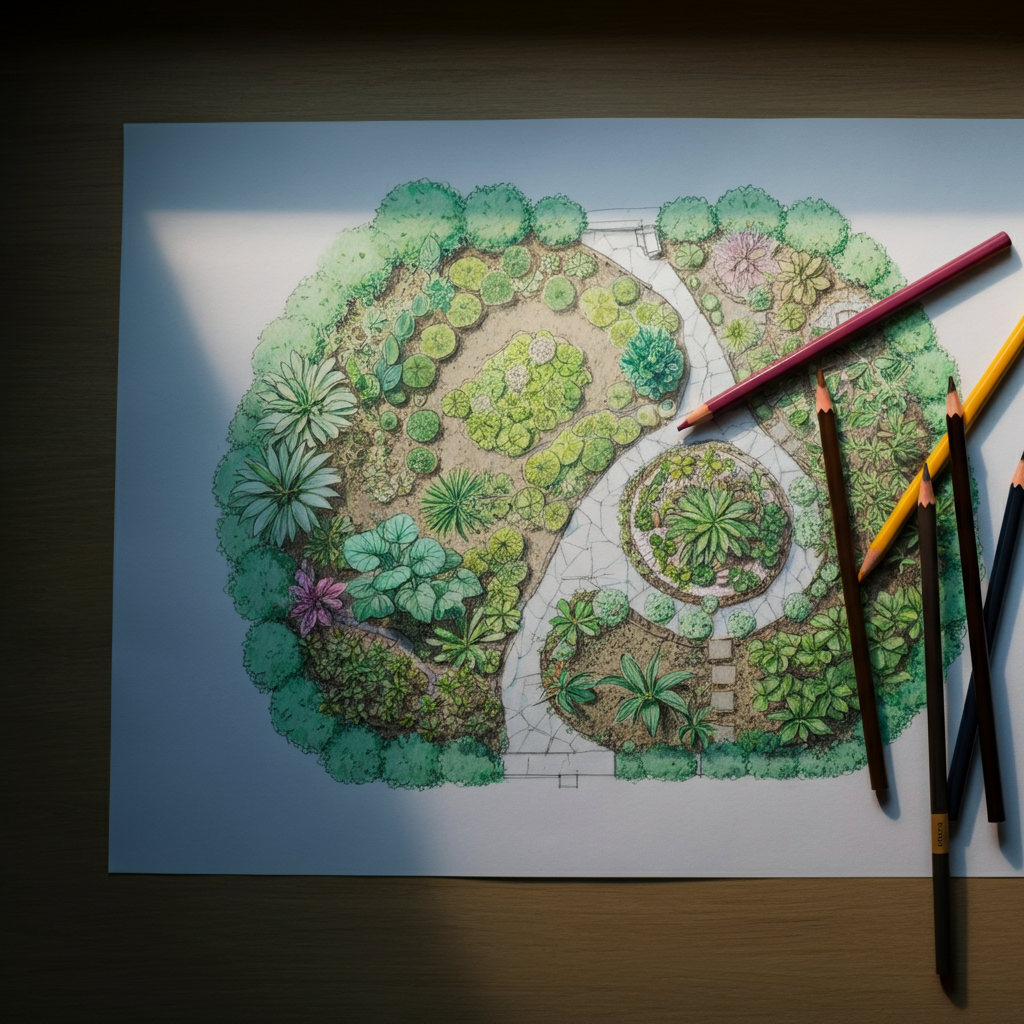
Before you even touch the soil, careful planning is essential. Assess your available space, sunlight exposure, and soil conditions. Consider the mature size of the plants you want to grow and create a layout that allows for proper spacing and airflow. A well-designed garden not only looks aesthetically pleasing but also minimizes the need for constant pruning and maintenance. Think about grouping plants with similar needs together – for instance, herbs that prefer dry conditions in one area and moisture-loving vegetables in another.
Step 2: Soil Preparation is Key
Building Healthy Soil
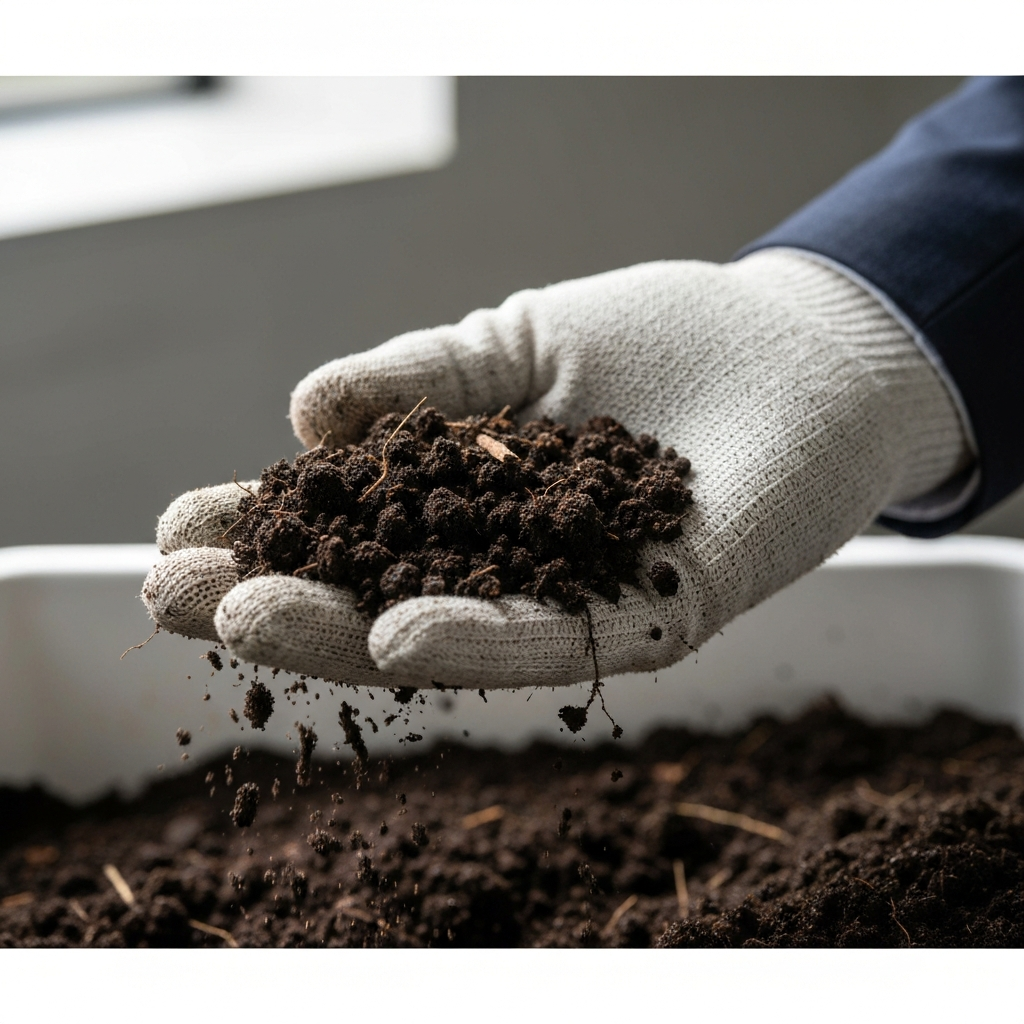
Healthy soil is the foundation of a thriving garden. Invest time in improving your soil's structure and fertility. Amend heavy clay soils with compost and organic matter to improve drainage and aeration. Similarly, sandy soils can be enriched with compost to retain moisture and nutrients. Soil testing is a great way to understand your soil's pH and nutrient levels, allowing you to tailor your amendments accordingly. Don't underestimate the power of mulch! It suppresses weeds, retains moisture, and gradually enriches the soil as it decomposes.
Step 3: Choosing the Right Plants
Selecting Low-Maintenance Varieties
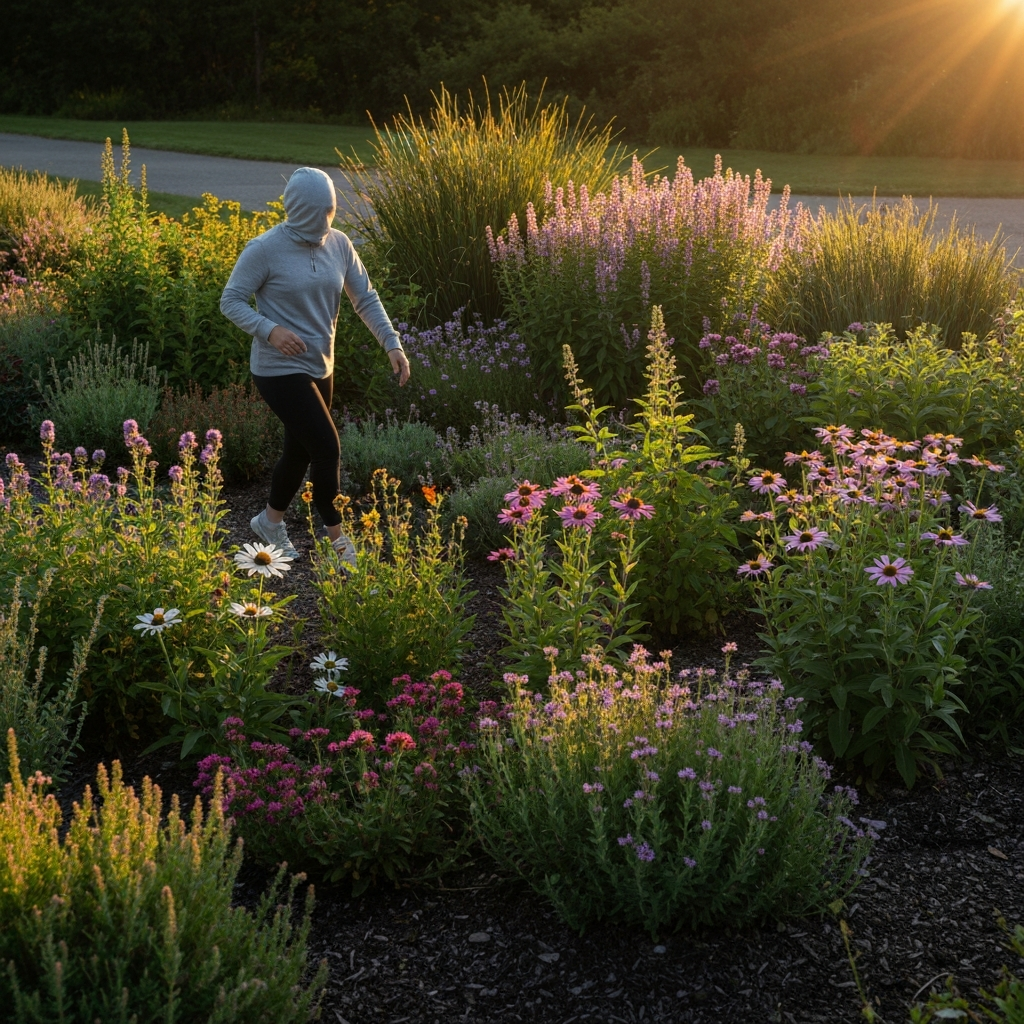
Opt for plant varieties that are well-suited to your local climate and require minimal care. Consider native plants, which are naturally adapted to your region's conditions and are often more resistant to pests and diseases. Look for disease-resistant varieties of vegetables and fruits to reduce the need for chemical treatments. Perennials, which come back year after year, can save you time and effort compared to annuals that need to be replanted each season.
Step 4: Efficient Watering Techniques
Watering Wisely
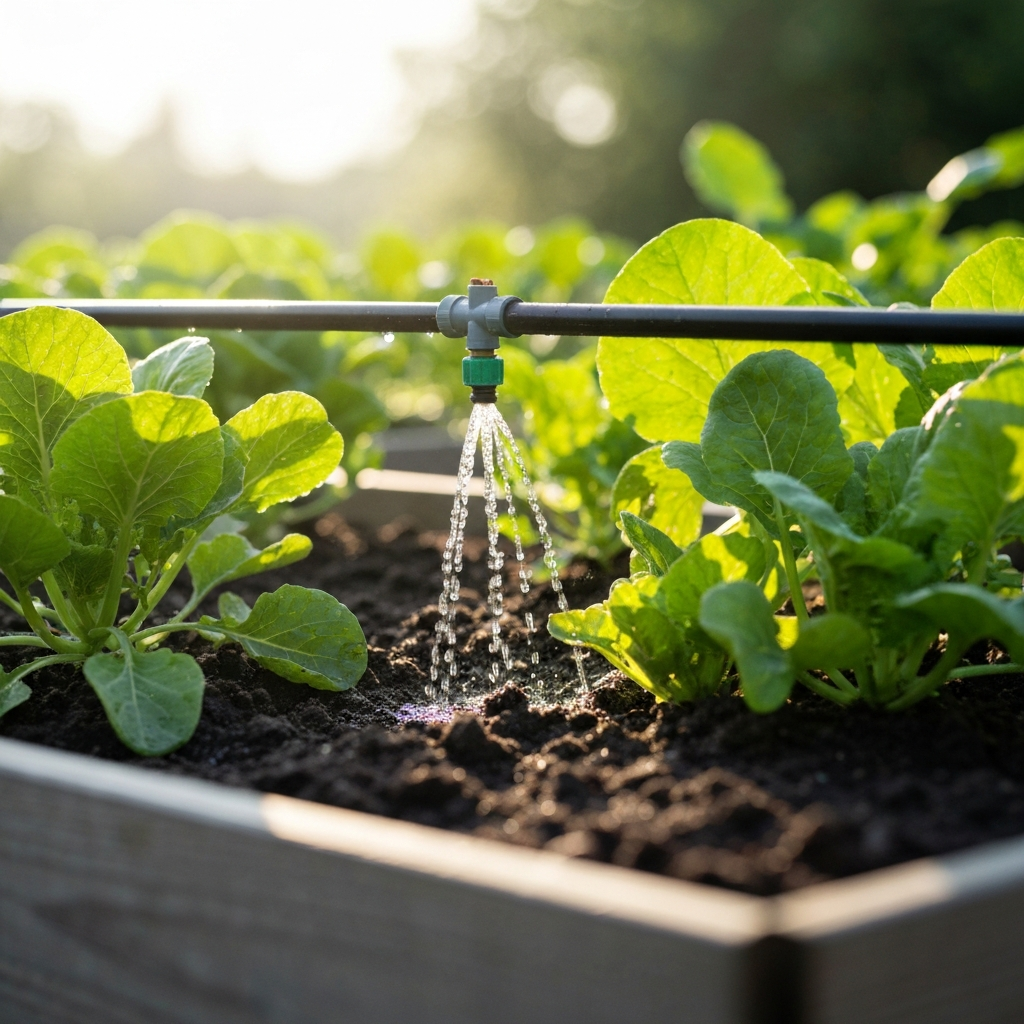
Watering is essential, but overwatering can be just as harmful as underwatering. Implement efficient watering techniques such as drip irrigation or soaker hoses, which deliver water directly to the roots of plants, minimizing water waste and reducing the risk of fungal diseases. Water deeply and less frequently, encouraging plants to develop strong root systems. Pay attention to the weather and adjust your watering schedule accordingly. Consider installing a rain barrel to collect rainwater for irrigation, further reducing your water consumption.
Step 5: Weed Control Strategies
Managing Weeds Effectively
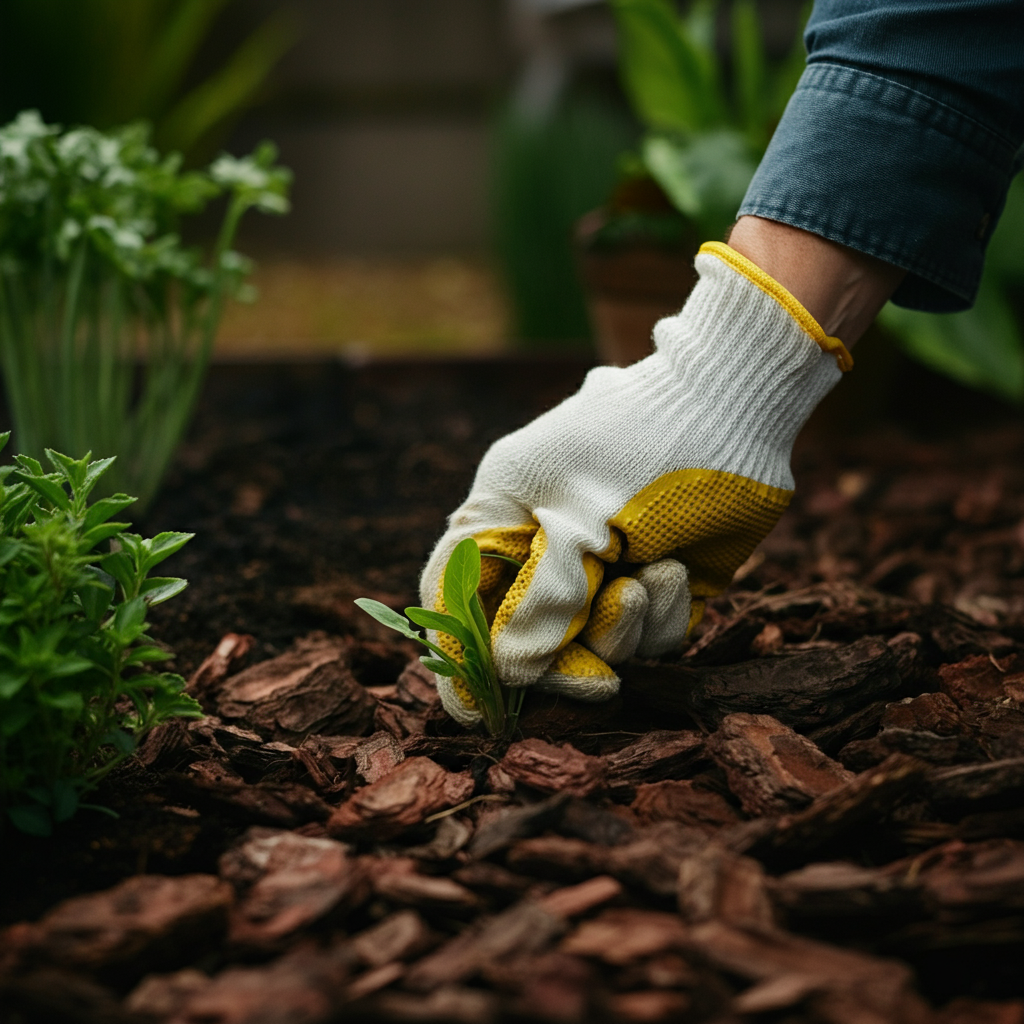
Weeds compete with your plants for water, nutrients, and sunlight. Implement preventative measures such as mulching to suppress weed growth. Hand-pull weeds regularly, especially when they are small and easy to remove. Avoid tilling the soil excessively, as this can bring weed seeds to the surface. Consider using organic herbicides, but use them sparingly and follow the instructions carefully. Companion planting can also help to deter weeds; for example, planting marigolds among vegetables can help to repel certain pests and suppress weed growth.
Step 6: Pest and Disease Management
Integrated Pest Management (IPM)
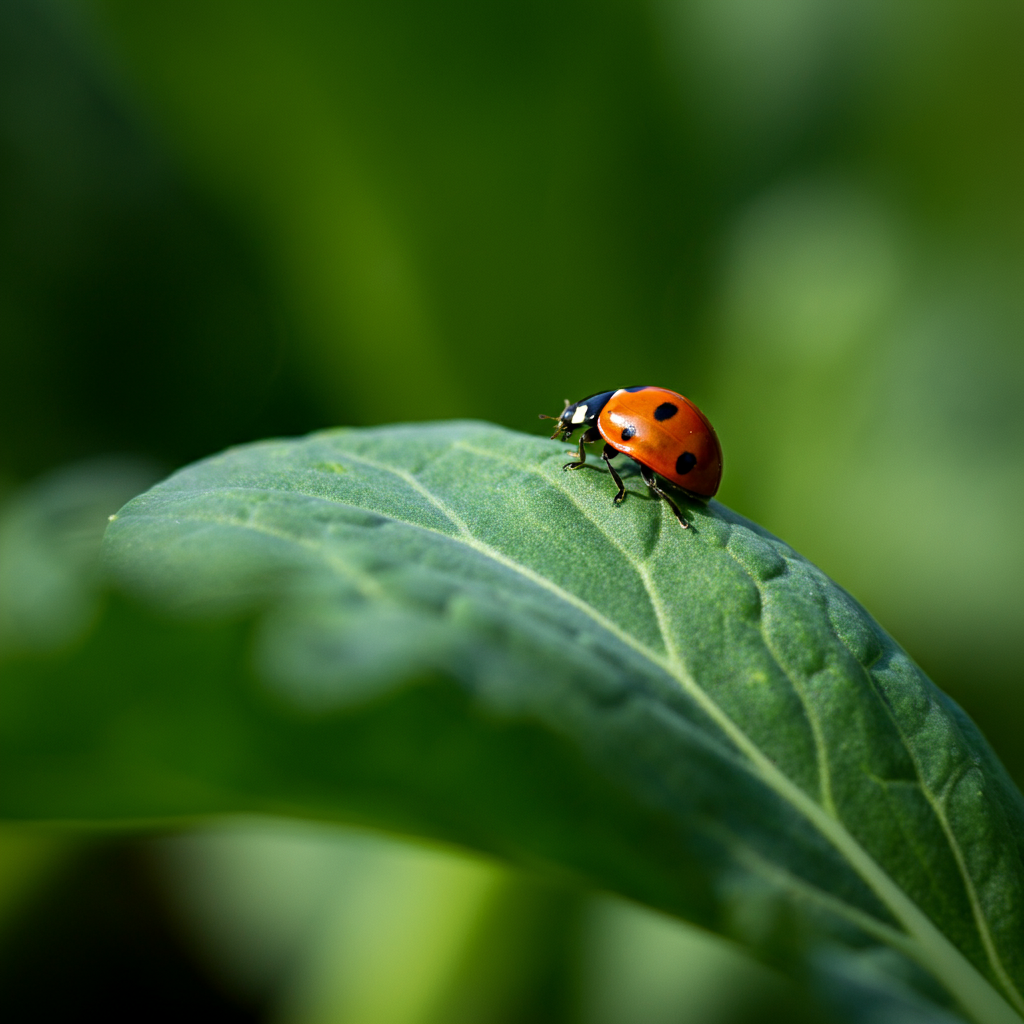
Instead of relying solely on chemical pesticides, adopt an integrated pest management (IPM) approach. This involves monitoring your plants regularly for signs of pests and diseases, using natural predators and beneficial insects to control pest populations, and only resorting to chemical treatments as a last resort. Companion planting can also help to deter pests; for instance, planting basil near tomatoes can help to repel tomato hornworms. Neem oil is a natural insecticide that can be effective against a wide range of pests. Ensure good airflow around plants to prevent fungal diseases.
Step 7: Composting for Sustainability
Creating Nutrient-Rich Compost
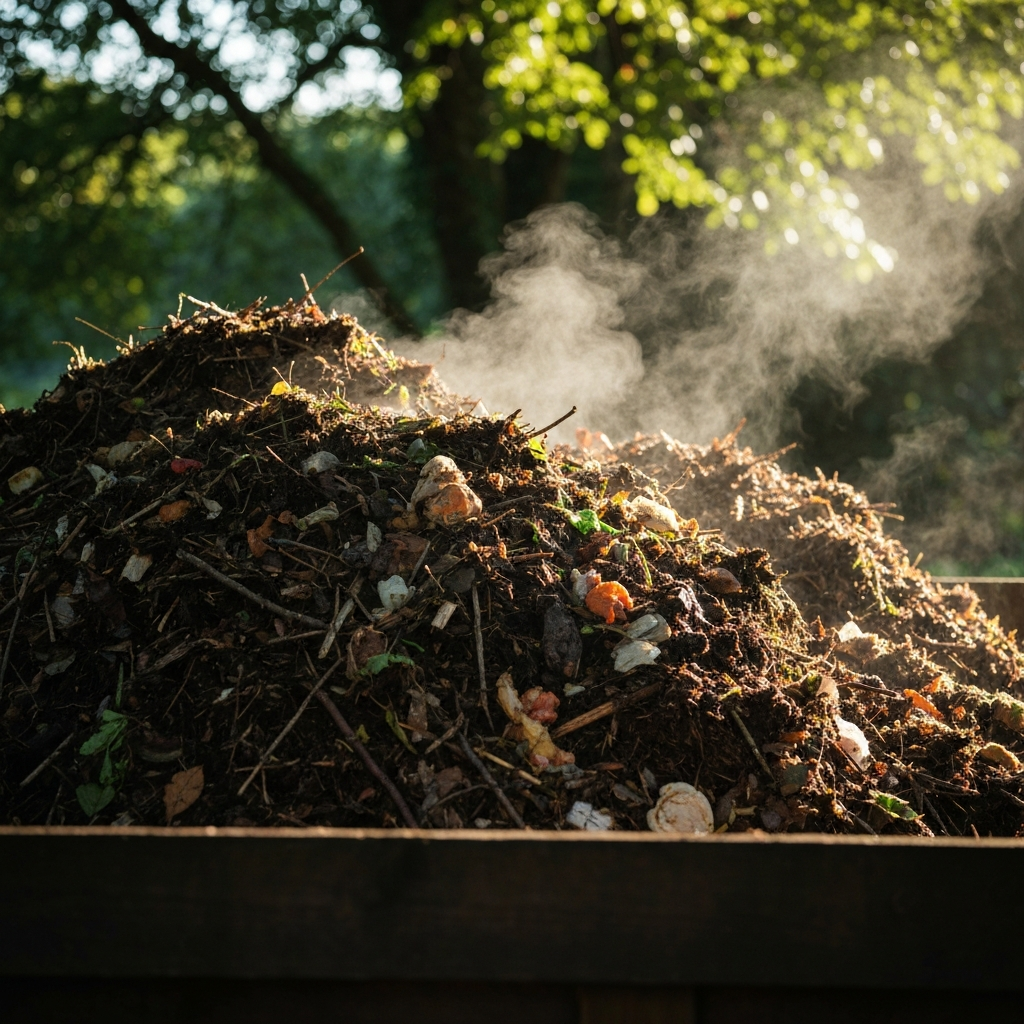
Composting is a fantastic way to recycle organic waste and create nutrient-rich soil amendments for your garden. Set up a compost bin or tumbler and add kitchen scraps, yard waste, and other organic materials. Turn the compost regularly to aerate it and speed up the decomposition process. Use the finished compost to enrich your garden soil, reducing your reliance on synthetic fertilizers. Composting not only benefits your garden but also reduces your environmental impact by diverting waste from landfills.
Tools or Materials Required
- Gardening Gloves
- Hand Trowel
- Hand Fork
- Watering Can or Hose
- Drip Irrigation System (Optional)
- Mulch
- Compost
- Soil Testing Kit
- Organic Herbicides and Pesticides (as needed)
- Compost Bin or Tumbler
Common Mistakes to Avoid
- Overwatering plants
- Planting in the wrong location (e.g., not enough sunlight)
- Ignoring soil health
- Neglecting to weed regularly
- Using chemical pesticides indiscriminately
Pro Tips
- Start small: Begin with a manageable garden size and gradually expand as you gain experience.
- Keep a garden journal: Track your planting dates, successes, and failures to learn from your mistakes and improve your gardening practices.
- Join a local gardening club: Connect with other gardeners in your area, share tips and advice, and learn from their experiences.
Conclusion
Gardening smarter, not harder, is about working with nature to create a thriving garden that fits your lifestyle. By implementing these strategies – careful planning, soil preparation, plant selection, efficient watering, weed control, pest management, and composting – you can enjoy the beauty and bounty of a garden without being overwhelmed by the workload. Remember to adapt these techniques to your specific needs and conditions, and don't be afraid to experiment and learn from your experiences. Happy gardening!