In the ever-evolving landscape of social media, dance challenges have emerged as a potent force, captivating audiences and propelling content creators to viral fame. But crafting a dance challenge that resonates with millions is no easy feat. It requires a strategic blend of creativity, trend awareness, and a deep understanding of audience psychology. A successful challenge isn't just about cool moves; it's about creating a phenomenon that people want to be a part of.
This guide will delve into the essential elements of creating dance challenges that not only capture attention but also inspire widespread participation. We'll explore how to select the right music, design accessible choreography, leverage trending themes, and effectively promote your challenge to maximize its viral potential. Whether you're a seasoned choreographer or a budding social media enthusiast, this comprehensive guide will equip you with the knowledge and tools to create dance challenges that dominate the digital dance floor.
Get ready to transform your passion for dance into a viral sensation. Let's unlock the secrets to crafting dance challenges that truly take off and leave a lasting impact on the online community.
Step 1: Choose the Right Music
Selecting the perfect track is the bedrock of any successful dance challenge. The music should be catchy, upbeat, and instantly recognizable. Look for songs with a strong beat and a memorable hook that will get stuck in people's heads. Consider popular genres like hip-hop, pop, or electronic dance music (EDM), which often lend themselves well to energetic and engaging choreography. Regularly monitor music charts, trending sounds on TikTok, and emerging artists to identify potential challenge anthems. Licensing is key – ensure you have the rights to use the music or opt for royalty-free tracks to avoid copyright issues.

Step 2: Design Accessible and Engaging Choreography
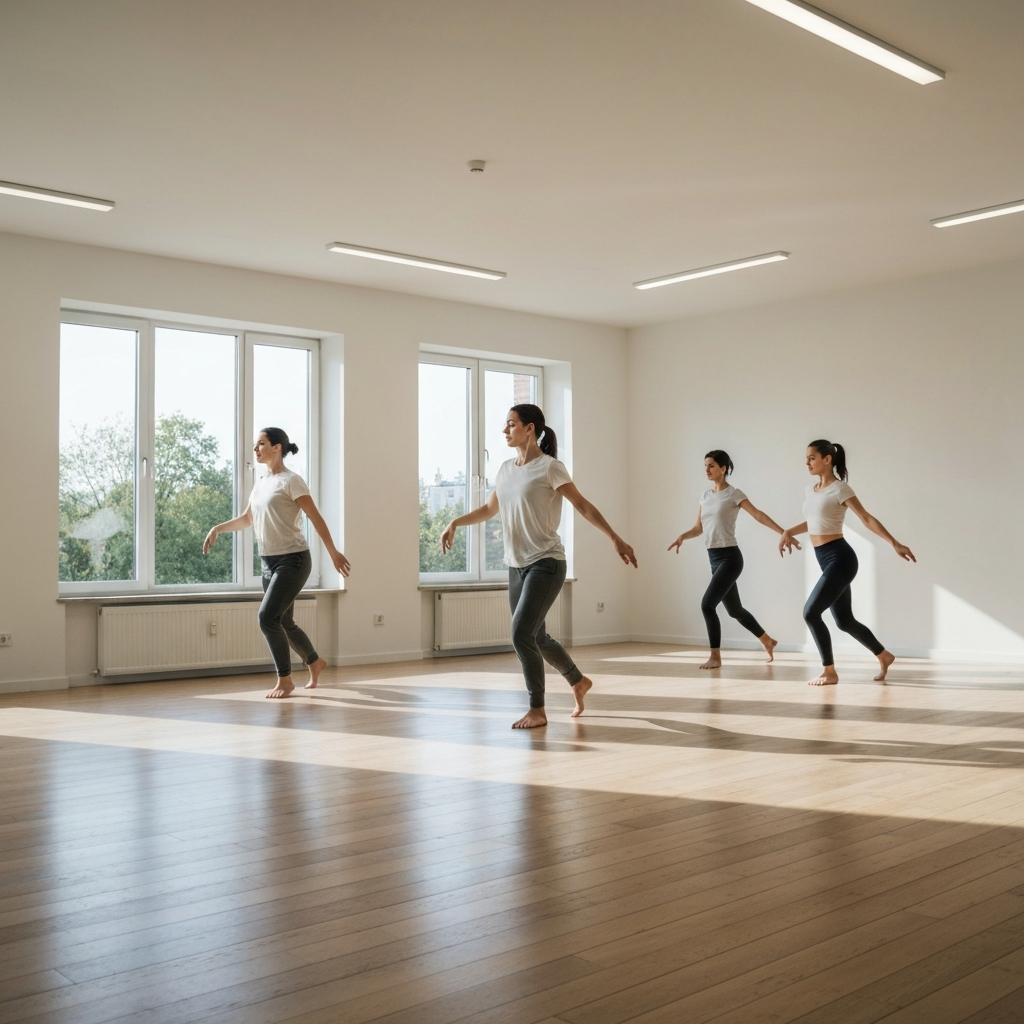
The choreography is where your challenge truly comes to life. Keep it relatively simple and easy to learn, allowing a wide range of individuals, regardless of their dance experience, to participate. Focus on a few core moves that are visually appealing and repeatable. Incorporate elements of popular dance styles or create unique moves that are easily identifiable with your challenge. Break down the choreography into smaller, manageable segments, and create a clear tutorial or demonstration video to guide participants through each step. Remember, the goal is to make the challenge inclusive and encouraging, fostering a sense of community and shared enjoyment.
Step 3: Leverage Trending Themes and Challenges
Staying attuned to current trends and adapting your challenge to fit within the prevailing cultural zeitgeist can significantly boost its visibility and participation rate. Research popular hashtags, trending topics, and existing challenges within the dance community. Consider incorporating elements from these trends into your choreography or theme, creating a seamless fusion that resonates with a wider audience. Timing is crucial. Launch your challenge when it aligns with relevant events, holidays, or cultural moments to maximize its impact. However, avoid simply copying existing challenges; strive to create something fresh and original that builds upon the existing trend.

Step 4: Optimize for Social Media Platforms
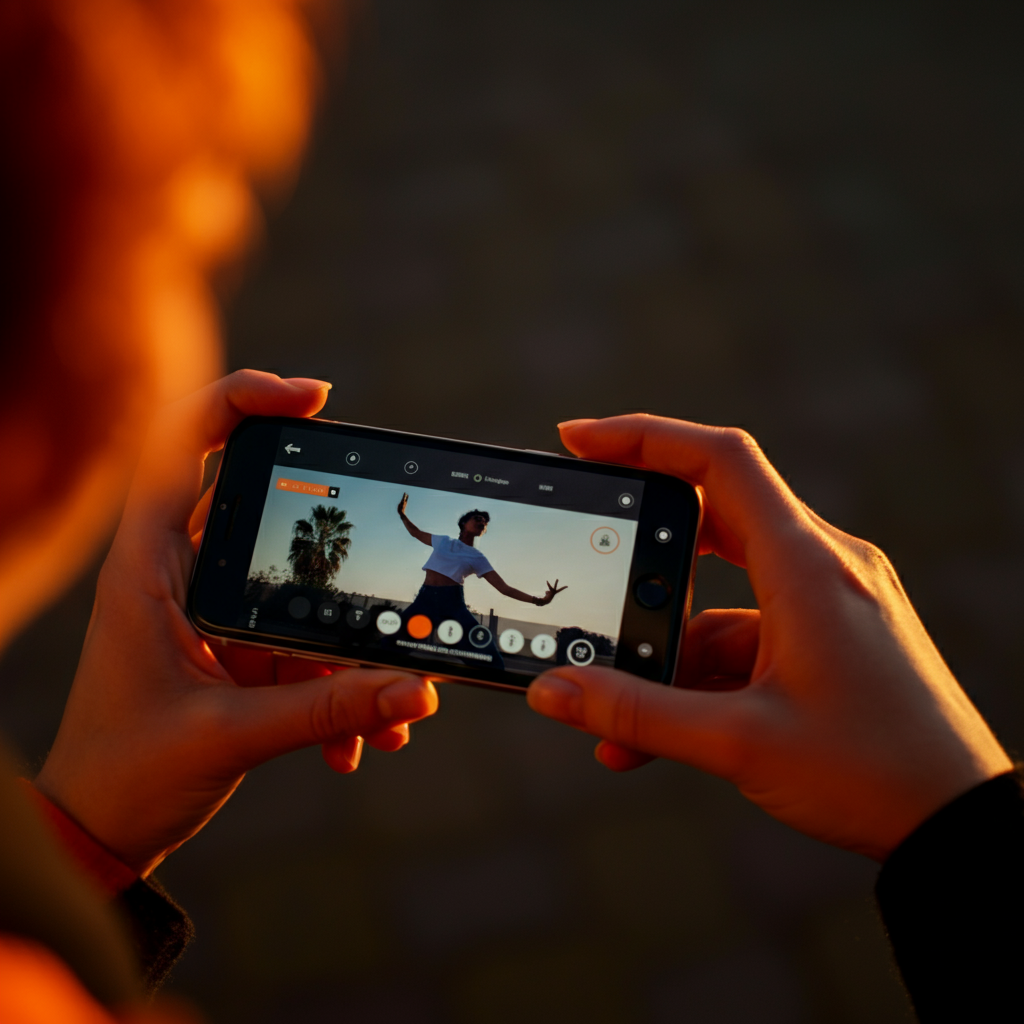
Each social media platform has its unique algorithm and user demographic, so tailoring your challenge to specific platforms is essential. TikTok, for instance, is a prime breeding ground for viral dance challenges. Utilize trending hashtags, create visually appealing video edits, and engage with other users to increase your challenge's visibility. For Instagram, focus on high-quality visuals, engaging captions, and strategic use of relevant hashtags. Consider creating shorter, attention-grabbing clips for platforms like Twitter and Snapchat. Cross-promote your challenge across multiple platforms to maximize its reach and attract a diverse audience.
Step 5: Promote Your Challenge and Engage with Participants
Launching your challenge is just the beginning; effective promotion and engagement are crucial for driving participation and fostering a sense of community. Reach out to influencers, dancers, and other content creators to promote your challenge to their audiences. Encourage participants to share their videos using a specific hashtag, making it easy to track and aggregate content. Actively engage with participants by liking, commenting on, and sharing their videos. Host live streams or Q&A sessions to answer questions, offer feedback, and connect with your audience on a personal level. Run contests or giveaways to incentivize participation and further amplify your challenge's reach.
Tools or Materials Required
- Smartphone or Camera
- Video Editing Software (e.g., Final Cut Pro, Adobe Premiere Rush, iMovie)
- Social Media Accounts (TikTok, Instagram, YouTube, etc.)
- Stable Internet Connection
- Music Licensing or Royalty-Free Music Subscription
Common Mistakes to Avoid
- Choosing obscure or unappealing music.
- Creating overly complex or difficult choreography.
- Ignoring trending themes and challenges.
- Failing to optimize content for specific social media platforms.
- Neglecting to promote the challenge and engage with participants.
- Copyright Infringement: Using music without proper licensing.
Safety Considerations
- Ensure a safe environment for filming, free from obstacles or hazards.
- Warm up properly before performing any strenuous dance moves.
- Be mindful of your surroundings and avoid filming in dangerous locations.
- Respect the privacy of others and obtain consent before filming them.
FAQ Section
- How do I choose the right hashtag for my challenge?
- Research trending hashtags in the dance community and create a unique hashtag that is relevant to your challenge. Keep it short, memorable, and easy to spell.
- How important is the video quality?
- While professional-grade equipment isn't always necessary, strive for clear and well-lit videos that are easy to watch. Good audio quality is also essential.
- What if my challenge doesn't go viral?
- Don't be discouraged! Viral success is never guaranteed. Learn from the experience, analyze what worked and what didn't, and keep creating new and engaging content.
Conclusion
Crafting a viral dance challenge requires a strategic and multifaceted approach. By carefully selecting the right music, designing accessible choreography, leveraging trending themes, optimizing for social media platforms, and actively promoting your challenge, you can significantly increase its chances of success. Remember that a successful challenge is not just about technical skill; it's about creating a fun, engaging, and inclusive experience that resonates with a wide audience. Be creative, be authentic, and most importantly, have fun! With dedication and persistence, you can transform your passion for dance into a viral sensation that captivates the world.