Thrush, a common fungal infection caused by an overgrowth of Candida yeast, can manifest in various parts of the body, most notably the mouth and vaginal area. Experts say it's normal to have Candida fungus on your skin and in your body, but you may develop a yeast infection called thrush if you have yeast overgrowth. While often uncomfortable, characterized by white patches, redness, and soreness, thrush is usually treatable with the right approach. This guide provides a detailed, step-by-step method for identifying, treating, and preventing thrush, both orally and vaginally.
Understanding the root causes of thrush is essential for effective management. Factors such as a weakened immune system, diabetes, certain medications (like antibiotics), and smoking can disrupt the natural balance of microorganisms in the body, leading to a Candida overgrowth. Recognizing these risk factors allows for proactive preventative measures. Remember that early intervention is key to minimizing discomfort and preventing the infection from spreading.
This guide covers a range of treatment options, from home remedies to medically-verified approaches, ensuring you have the knowledge to choose the best course of action for your specific situation. It's crucial to consult with a healthcare professional for an accurate diagnosis and personalized treatment plan. We aim to empower you with the information needed to effectively combat thrush and maintain optimal health.
Whether you're experiencing oral thrush or vaginal thrush, this guide offers practical advice and actionable steps to help you regain comfort and confidence. Let's delve into the process of eradicating this common yet bothersome infection.
Step 1: Identify the Symptoms of Thrush
The first step in tackling thrush is correctly identifying the symptoms. For oral thrush, look for creamy, white lesions on your tongue, inner cheeks, gums, or tonsils. These lesions can be slightly raised and may bleed when scraped. You might also experience soreness or difficulty swallowing. In cases of vaginal thrush, common symptoms include intense itching, soreness, a burning sensation, and a thick, white discharge that resembles cottage cheese. It's important to differentiate thrush from other conditions with similar symptoms. Pay attention to the specific characteristics and location of the symptoms.

Step 2: Try "Oil Pulling" for Oral Thrush
Oil pulling is an ancient practice involving swishing oil in your mouth to remove bacteria and toxins. While scientific evidence is limited, many find it helpful in managing oral thrush. To perform oil pulling, start by brushing your teeth. Then, take one tablespoon of coconut oil (preferred for its antifungal properties) or olive oil and swish it around in your mouth for 5 to 10 minutes. Ensure the oil reaches all areas of your mouth, including under the tongue and gums. Spit the oil out (do not swallow, as it contains toxins) and rinse with warm saltwater. Repeat this once or twice daily for up to five days. Be patient and consistent with the process.

Step 3: Incorporate Thyme into Your Diet
Thyme is an herb traditionally used for its potential antifungal properties. While research is still ongoing, anecdotal evidence suggests it can be a helpful addition to your thrush-fighting regimen. Sprinkle a moderate amount of fresh or dried thyme onto your meals, particularly dishes that complement its flavor. You can also make a thyme tincture by steeping thyme leaves in hot water, but consult a herbalist for dosage recommendations. Be mindful of any potential allergic reactions.

Step 4: Swish with Apple Cider Vinegar
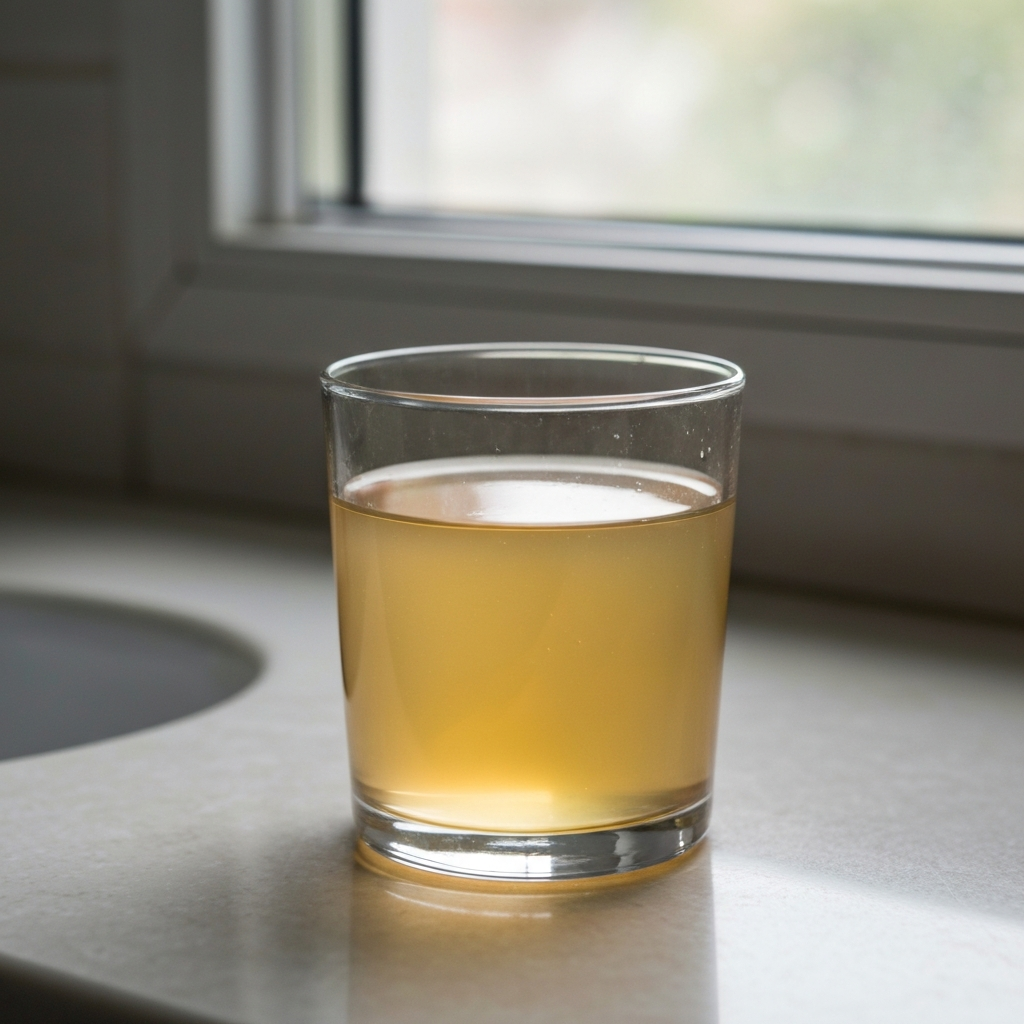
Apple cider vinegar (ACV) is a popular home remedy known for its potential antifungal and antibacterial properties. To use ACV for oral thrush, dilute it with water before rinsing. Mix one tablespoon of ACV with eight ounces of water, or dilute a smaller amount of ACV with a half part of distilled water. Swish the solution in your mouth for several minutes, then spit it out and rinse with plain water. Be careful not to swallow undiluted ACV, as it can damage tooth enamel. Monitor for any stomach discomfort, and discontinue use if you experience negative side effects.
Step 5: Increase Garlic Consumption
Garlic contains compounds with antifungal properties, such as allicin, that may help fight thrush. Fresh garlic is more effective than garlic pills. Aim to consume 4 to 5 crushed cloves of garlic per day. If you're concerned about bad breath, consider drinking garlic tea. To make garlic tea, steep crushed garlic cloves in hot water for several minutes, then strain and drink. Start with small amounts to assess your tolerance, as garlic can cause digestive issues in some people. Chopping or crushing the garlic releases the beneficial compounds.

Step 6: Use Tea Tree Oil with Caution
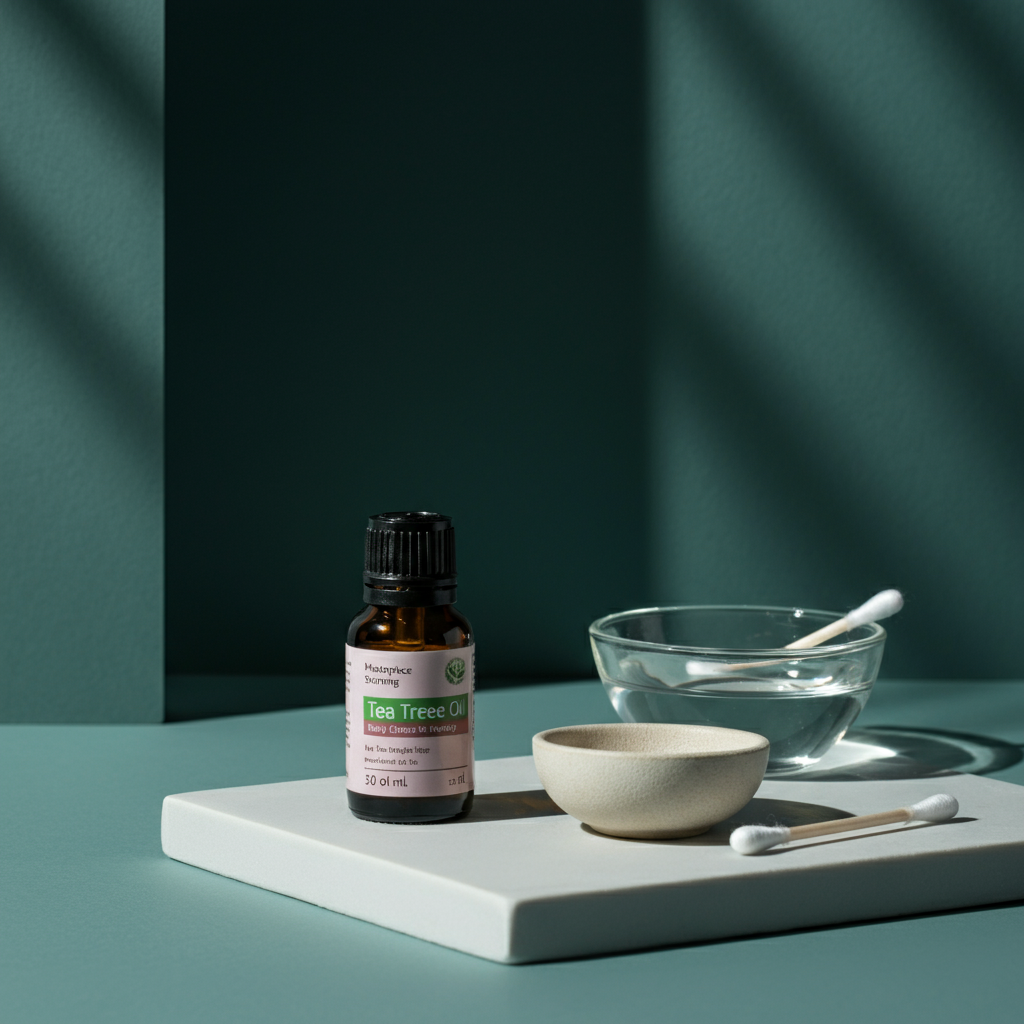
Tea tree oil possesses well-documented antifungal properties. However, it is highly potent and should be used with extreme caution. Dilute one or two drops of tea tree oil in a tablespoon of distilled water. Dip a cotton swab into the diluted solution and gently dab it onto the thrush sores inside the mouth. Rinse your mouth thoroughly with saltwater afterward. Never swallow tea tree oil, as it is toxic. It's best to do a patch test first on a small area inside your cheek to see if you have any allergic reaction before applying to all sores in the mouth.
Step 7: Practice Good Oral Hygiene
Maintaining excellent oral hygiene is crucial for preventing and treating thrush. Brush your teeth at least twice a day, and ideally after every meal, using a soft-bristled toothbrush. Replace your toothbrush frequently, especially during a thrush outbreak, as it can harbor the fungus. Floss daily to remove food particles and plaque from between your teeth. Consider using an antimicrobial mouthwash, but avoid those containing alcohol, as they can dry out your mouth and worsen the condition. Consistency is key to maintaining a healthy oral environment.

Step 8: Avoid Certain Oral Products
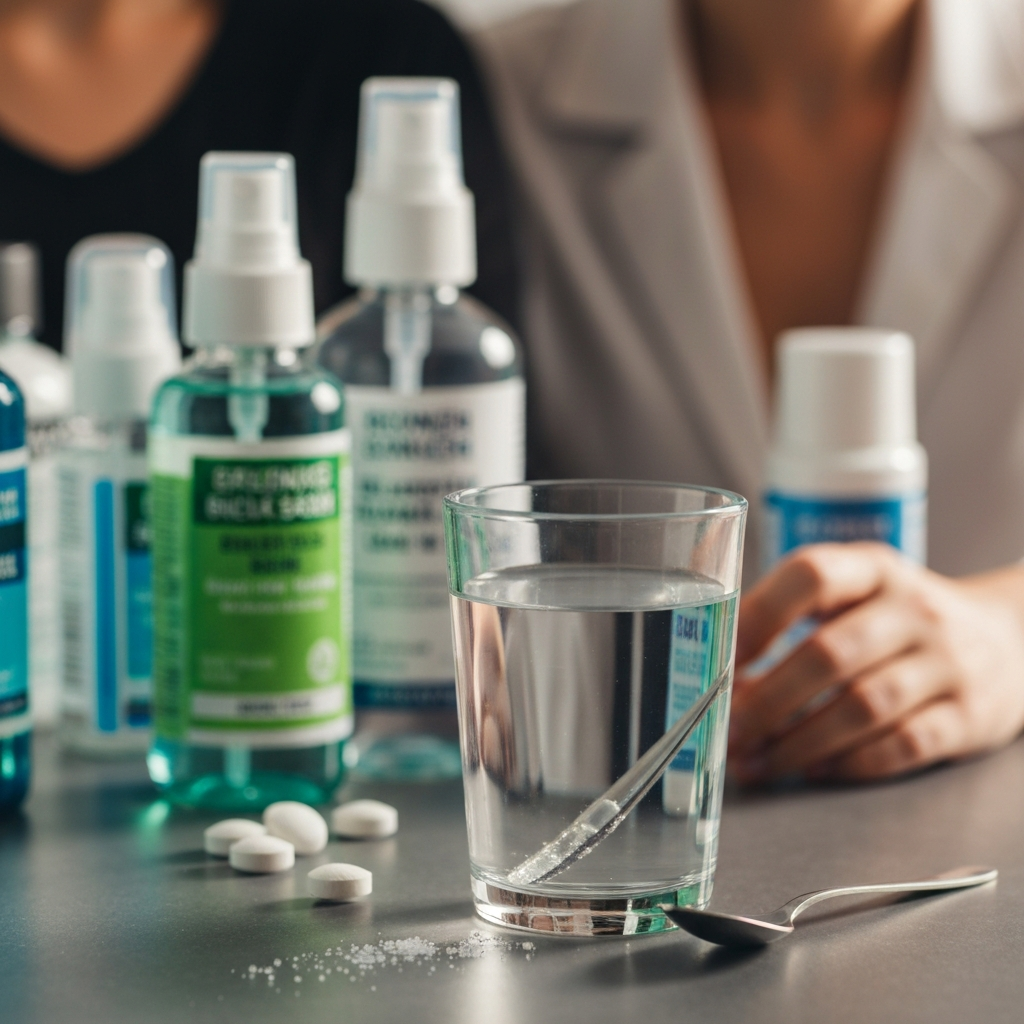
Many commercial mouthwashes, breath sprays, and breath mints can disrupt the natural balance of microorganisms in your mouth, potentially contributing to thrush. These products often contain alcohol and other chemicals that can kill beneficial bacteria, allowing Candida to thrive. Instead of these products, rinse your mouth with a saline solution made by dissolving half a teaspoon of salt in a glass of warm water. This gentle solution helps cleanse your mouth without harming the beneficial bacteria. Read labels carefully to avoid products with harsh ingredients.
Step 9: Schedule Regular Dental Checkups
Visiting your dentist regularly, at least twice a year, is essential for maintaining overall oral health and detecting potential problems like thrush early on. Your dentist can identify subtle signs of thrush that you might miss and provide professional cleaning to remove plaque and bacteria that can contribute to the infection. If you wear dentures or have diabetes or a weakened immune system, more frequent checkups may be necessary. Be sure to inform your dentist about any medications you are taking or any health conditions you have.
Step 10: Reduce Sugar and Starch Intake
Candida yeast thrives on sugar and starch. Reducing your intake of these substances can help deprive the fungus of its primary food source, slowing its growth and aiding in recovery. Limit sugary drinks, sweets, processed foods, white bread, pasta, and refined grains. Opt for complex carbohydrates like whole grains, vegetables, and fruits in moderation. Pay attention to hidden sugars in packaged foods and drinks. A balanced diet low in sugar and starch supports a healthy gut microbiome.
Step 11: Quit Smoking
Smoking is a significant risk factor for developing oral thrush. Smokers are more likely to have a weakened immune system and a disrupted oral microbiome, making them more susceptible to Candida overgrowth. Quitting smoking can significantly reduce your risk of thrush and improve your overall health. Talk to your doctor about strategies for quitting smoking, such as nicotine replacement therapy or prescription medications. Joining a support group or seeking counseling can also be helpful. Quitting smoking is a challenging but rewarding endeavor.
Step 12: Seek Medical Evaluation and Diagnosis
If you suspect you have thrush, it is crucial to consult with a healthcare professional, such as your dentist or family doctor, for an accurate diagnosis. A medical evaluation can confirm whether you have thrush and rule out other potential causes of your symptoms. Your doctor can also assess any underlying conditions that may be contributing to the infection, such as a weakened immune system or diabetes. Early diagnosis and treatment are essential for preventing the infection from worsening or spreading. Do not self-diagnose or self-treat without professional guidance.
Step 13: Initiate Treatment Promptly
Once you have been diagnosed with thrush, begin treatment as soon as possible. Treatment for healthy adults and children often starts with acidophilus tablets or eating plain, unsweetened yogurt. Acidophilus and yogurt contain probiotics, which can help restore the balance of healthy bacteria in your body. While these probiotics won't kill the fungus directly, they can help create an environment less favorable for Candida growth. Choose yogurts with live and active cultures and avoid those with added sugar.
Step 14: Rinse with Warm Saltwater
Rinsing your mouth with warm saltwater can provide temporary relief from thrush symptoms and create an inhospitable environment for the fungus. Add half a teaspoon (2.5 ml) of table salt to one cup (237 ml) of warm water. Stir well until the salt is dissolved. Swish the saltwater solution in your mouth for several seconds, then spit it out. Repeat this several times a day. Avoid swallowing the saltwater solution. Saltwater is a gentle and effective way to cleanse your mouth and soothe irritated tissues.
Step 15: Use Antifungal Medication as Prescribed
If home remedies are not effective or if you have a weakened immune system, your doctor may prescribe an antifungal medication. These medications are available in various forms, including tablets, lozenges, and liquids. Typically, you will take the medication for a period of 10 to 14 days. It is essential to take the medication exactly as directed by your doctor and to complete the entire course, even if your symptoms improve. Stopping the medication prematurely can lead to a recurrence of the infection. Be aware of any potential side effects of the medication and report them to your doctor.
Step 16: Consider Amphotericin B if Other Medications Fail
In some cases, Candida fungus can become resistant to standard antifungal medications, particularly in people with HIV or other illnesses that cause a weakened immune system. If other medications are not effective, your doctor may consider using amphotericin B, a more potent antifungal drug. Amphotericin B is typically reserved for severe or resistant cases of thrush due to its potential side effects. Discuss the risks and benefits of amphotericin B with your doctor before starting treatment.
Step 17: Vaginal Thrush - Wait for Your Period
For vaginal thrush, while you can't control the timing, menstruation can help shift the vaginal pH, making it less favorable for Candida growth. This change in pH can sometimes provide temporary relief from symptoms. However, menstruation is not a cure for vaginal thrush, and you should still seek appropriate treatment. Consider consulting a healthcare professional for guidance on managing symptoms and preventing future infections.
Step 18: Vaginal Thrush - Consider Laced Tampons (With Caution)
Some women find relief from vaginal thrush symptoms by using tampons laced with specific substances. However, this method should be approached with caution and is best discussed with a healthcare professional beforehand. Options include dipping a tampon in unsweetened yogurt (containing live cultures) or diluted tea tree oil. Ensure the tea tree oil is highly diluted to avoid irritation. Apply the tampon immediately, guard against leakage, and change it frequently. Monitor for any adverse reactions and discontinue use if irritation occurs. This method is not a substitute for proper medical treatment.
Step 19: Vaginal Thrush - Avoid Irritants
During a vaginal thrush infection, it's crucial to avoid potential irritants that can worsen your symptoms. Avoid using latex condoms, spermicidal creams, and lubricants, as these products can disrupt the vaginal microbiome and exacerbate the infection. It's also advisable to avoid sexual activity during a yeast infection, as it can transmit the infection back and forth between partners, creating a vicious cycle and prolonging the infection. Opt for fragrance-free and hypoallergenic products for personal hygiene.
Pro Tips
- If you are breastfeeding and have thrush, treat both yourself and your infant to prevent reinfection.
- If you are sexually active and have thrush, ensure both you and your partner receive treatment to avoid passing the infection back and forth.
- Rinse all infant nipples, pacifiers, bottles, teething toys, and detachable breast pump parts with a solution of equal parts water and white vinegar. Allow these items to air dry to prevent fungal growth.
- Wash bras and nursing pads in hot water with bleach to eliminate any fungus.
Common Mistakes to Avoid
- Using over-the-counter antifungal creams for oral thrush. These creams are designed for vaginal infections and are not suitable for oral use.
- Stopping antifungal medication prematurely. It is crucial to complete the entire course of medication, even if your symptoms improve.
- Ignoring underlying health conditions. Thrush can be a sign of a weakened immune system or other health problems that require medical attention.
- Self-treating without consulting a healthcare professional. A proper diagnosis is essential for effective treatment.
Safety Considerations
- Never share your toothbrush with others to prevent the spread of thrush.
- If you are taking antifungal medications, have periodic blood tests to monitor liver function, as some medications can cause liver damage with prolonged use or in individuals with a history of liver disease.
- Always dilute tea tree oil before topical application and never ingest it, as it is toxic.
FAQ Section
- Q: How long does it take for thrush to clear up with treatment?
- A: With appropriate treatment, thrush typically clears up within 1 to 2 weeks. However, it is essential to complete the entire course of medication as prescribed by your doctor.
- Q: Can I use over-the-counter antifungal creams for oral thrush?
- A: No, over-the-counter antifungal creams are designed for vaginal infections and are not suitable for oral use. Consult your doctor for appropriate treatment options for oral thrush.
- Q: Is thrush contagious?
- A: Thrush can be contagious, especially in infants and between sexual partners. Practicing good hygiene and seeking treatment for both partners can help prevent its spread.
- Q: What are the risk factors for developing thrush?
- A: Risk factors for developing thrush include a weakened immune system, diabetes, certain medications (like antibiotics), smoking, and poor oral hygiene.
- Q: Can diet affect thrush?
- A: Yes, a diet high in sugar and starch can promote the growth of Candida fungus. Reducing your intake of these substances can help manage thrush.
Tools or Materials Required
- Acidophilus tablets
- Plain unsweetened yogurt
- Table salt
- Warm water
- Antifungal medication (prescription required)
- Amphotericin B (prescription required)
- Toothbrush
- Dental floss
- Coconut oil or olive oil
- Tea tree oil
Conclusion
Getting rid of thrush requires a multifaceted approach that includes identifying the symptoms, implementing home remedies, seeking medical evaluation, and practicing good hygiene. Remember that consistency and patience are key to successful treatment. By following the steps outlined in this guide and consulting with a healthcare professional, you can effectively combat thrush and prevent future infections. Prioritizing your overall health and maintaining a balanced lifestyle can significantly reduce your risk of developing thrush and other health problems.