Pickleball, a sport that blends elements of tennis, badminton, and table tennis, has exploded in popularity. As your skills develop, so too should your equipment. The pickleball paddle is your primary tool on the court, and selecting the right one can significantly impact your performance. With countless options available, choosing the right paddle can feel overwhelming. This guide provides a comprehensive overview of the key factors to consider when selecting a pickleball paddle.
This guide will walk you through the various paddle components, materials, and features, explaining how they influence your game. By understanding these elements, you can make an informed decision and find a paddle that complements your playing style and skill level. Whether you're a beginner or an experienced player, this guide will provide the knowledge you need to choose a paddle that enhances your strengths and compensates for your weaknesses.
Remember, the "best" paddle is subjective and depends entirely on your individual needs and preferences. This guide aims to empower you with the information necessary to make the optimal choice for you. Let's get started!
Step 1: Determine Your Skill Level and Playing Style
Before diving into the technical specifications of different paddles, it's crucial to assess your current skill level and preferred playing style. Are you a beginner, intermediate, or advanced player? Do you prefer a power game, focusing on smashes and drives, or a finesse game, emphasizing dinks and strategic shot placement? Your answers to these questions will significantly narrow down your options. Beginners often benefit from paddles with larger sweet spots and forgiving designs, while advanced players may prefer paddles that offer greater control and precision.
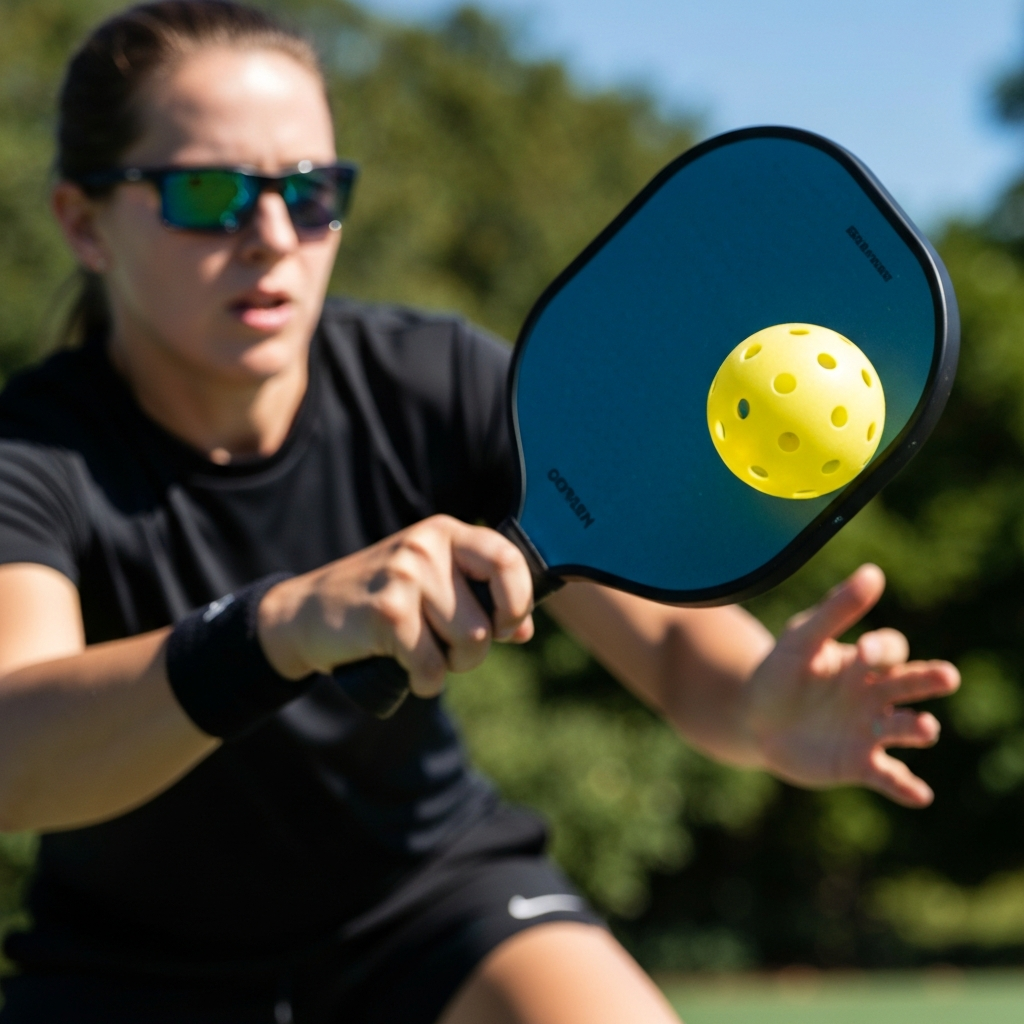
Step 2: Consider Paddle Weight
Paddle weight is a critical factor that affects both power and maneuverability. Pickleball paddles typically range from 7 to 10 ounces. Lighter paddles (7-8 ounces) offer quicker reactions at the net and are ideal for players who prioritize control and finesse. Heavier paddles (9+ ounces) provide more power, making them suitable for players who rely on strong serves and groundstrokes. Midweight paddles (8-9 ounces) offer a balance of power and control and are often recommended for beginners. Consider your physical strength and endurance, as a heavier paddle can lead to fatigue over extended play.
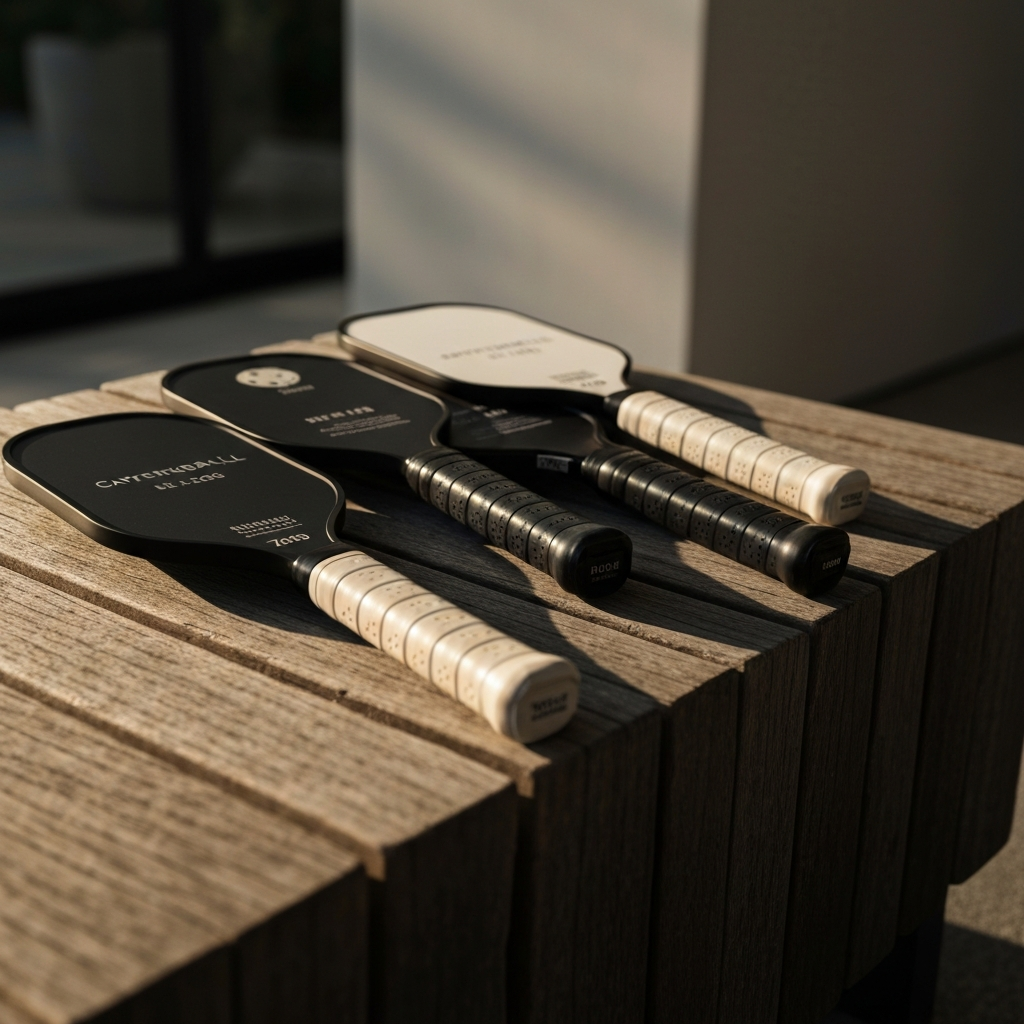
Step 3: Evaluate Core Material
The core material of a pickleball paddle significantly influences its feel, power, and control. Common core materials include Nomex, aluminum, and polymer. Nomex cores are known for their power but offer less control, making them less forgiving for off-center hits. Aluminum cores are lightweight and emphasize control, but lack power. Polymer cores, often made of plastic, provide a good balance of power and control and are a popular choice for beginners and intermediate players. When selecting a paddle, consider your playing style and desired level of control.
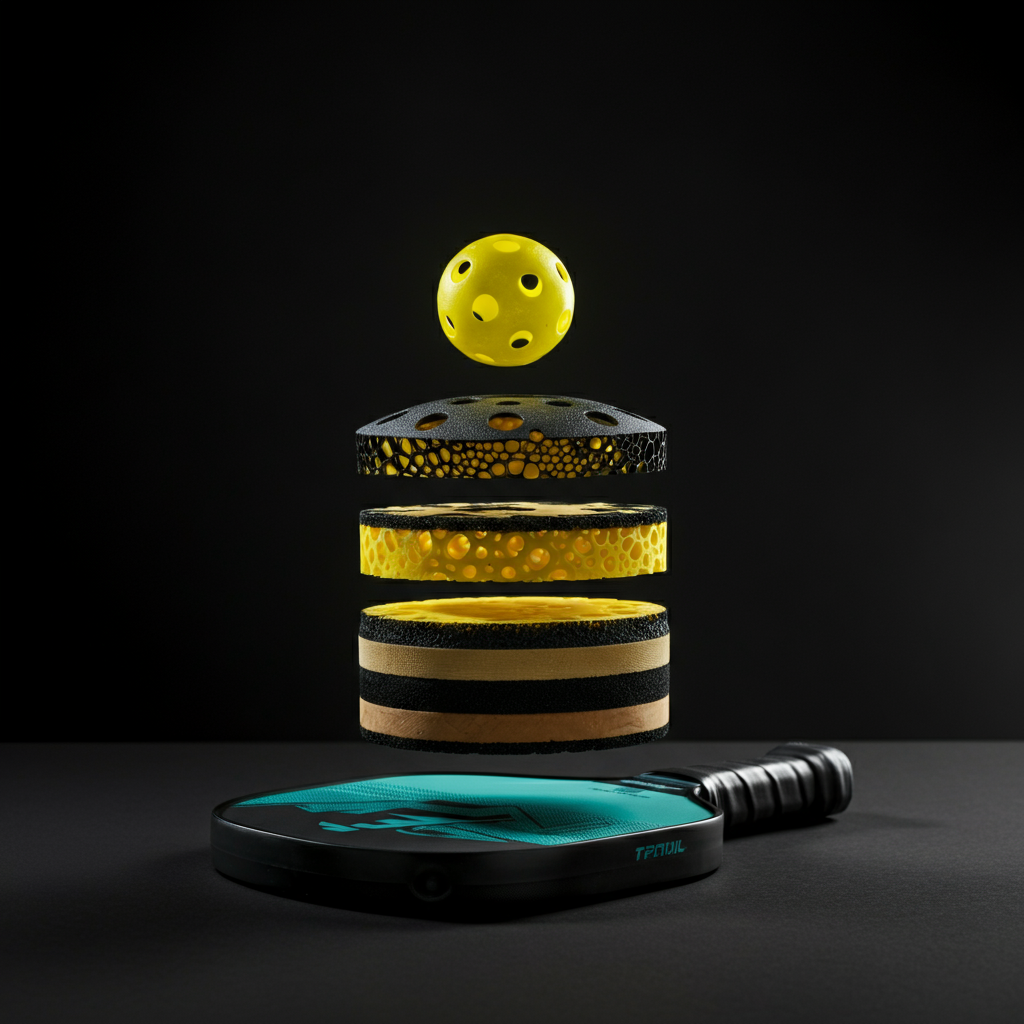
Step 4: Analyze Paddle Thickness
Paddle thickness affects the amount of energy absorbed from the ball upon impact. Thinner paddles (around 11mm) absorb less energy, transferring more power to the ball. Thicker paddles (around 16mm) absorb more energy, resulting in greater control and finesse. Beginners should aim for a mid-range thickness to balance power and control. Experienced players often experiment with different thicknesses to fine-tune their game.
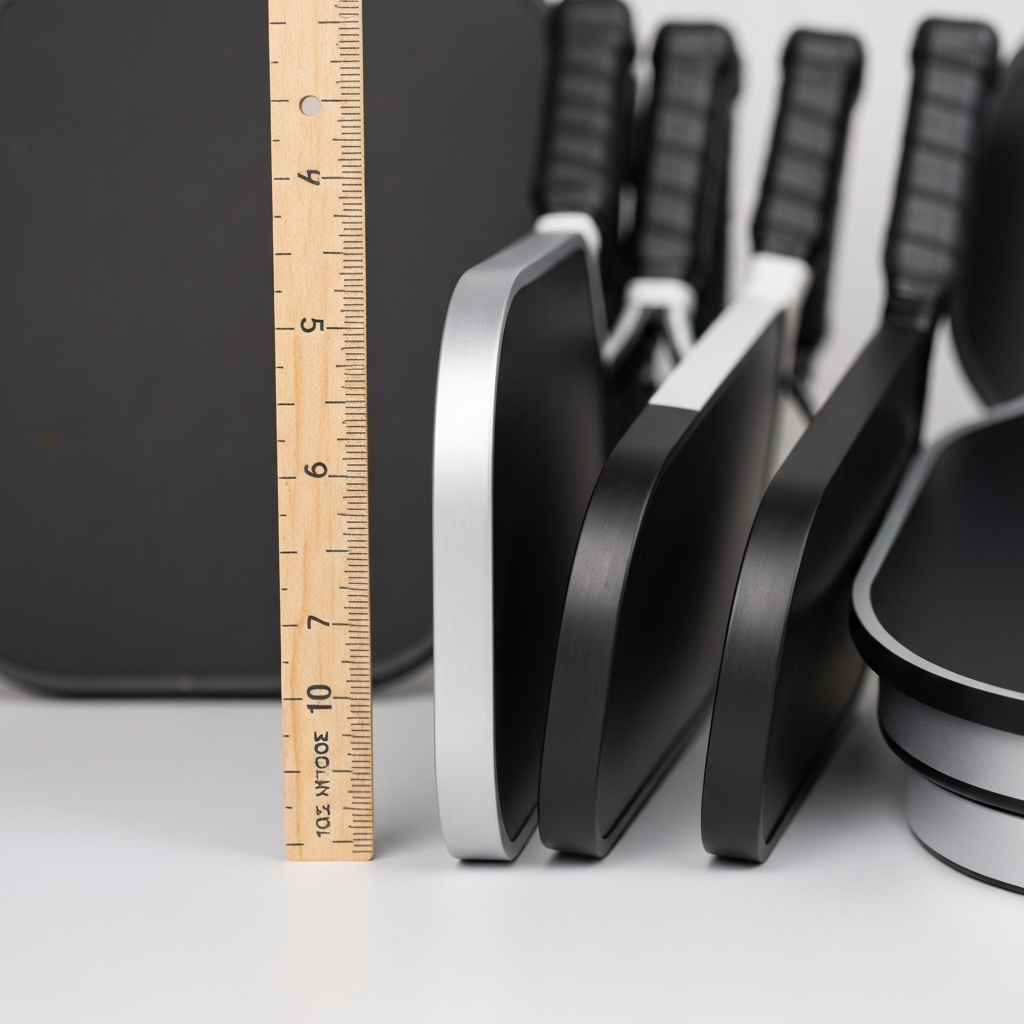
Step 5: Examine Surface Material (Facing)
The surface material, also known as the "facing," affects the paddle's feel and performance. Common surface materials include fiberglass, graphite, carbon fiber, and composites. Fiberglass provides the most power but sacrifices some control. Graphite offers a good balance of power and control. Carbon fiber provides the most control and is more durable. Composite facings combine different materials, offering a blend of characteristics. Choose a facing based on your preferred playing style and the balance of power and control you desire.
Step 6: Consider Paddle Grit and Texture
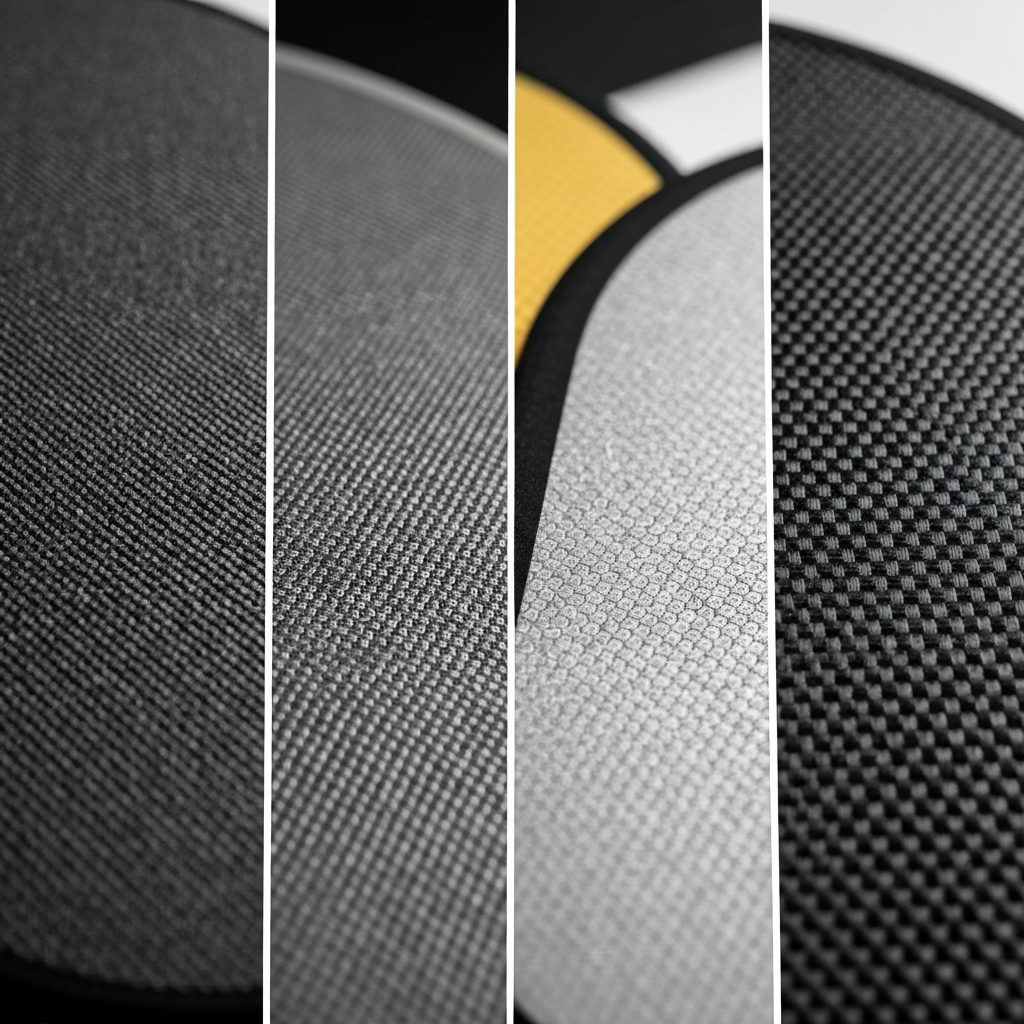
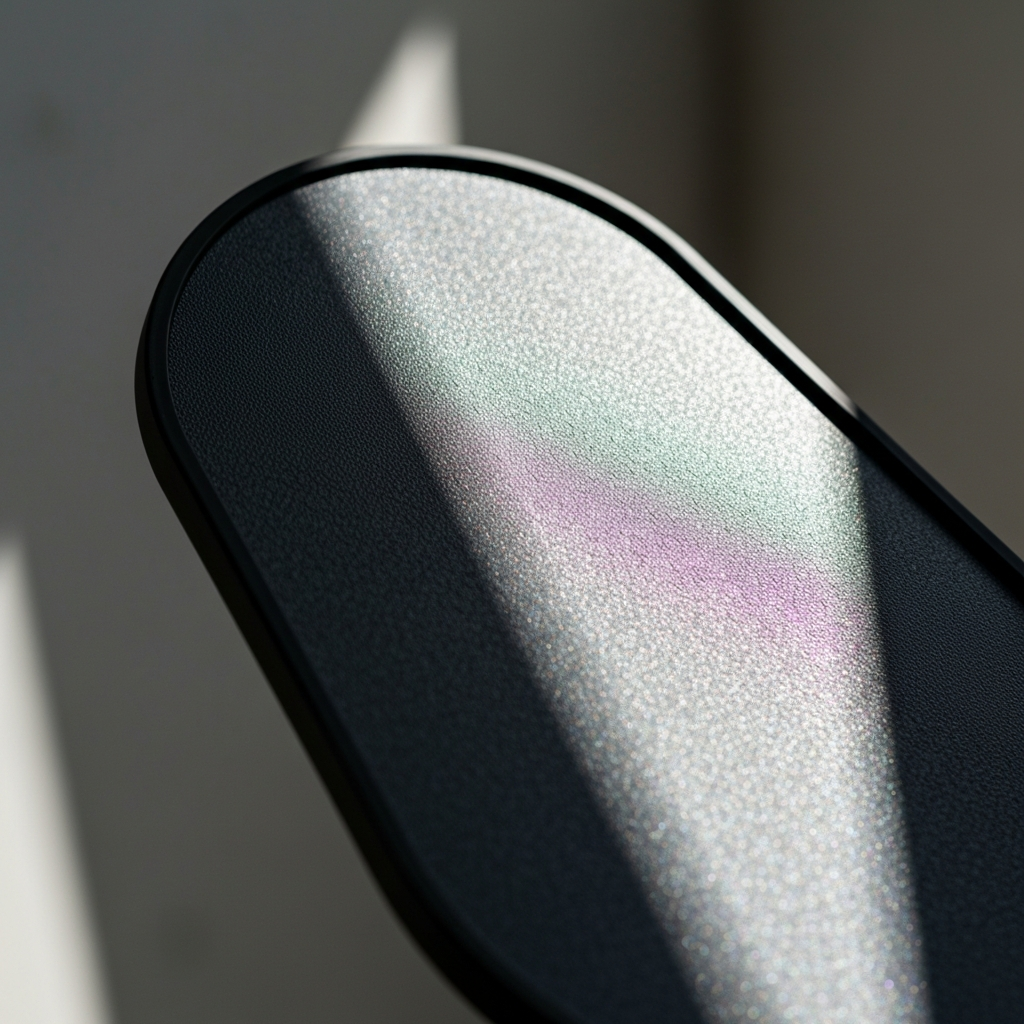
The grit, or roughness, of the paddle's face influences the amount of spin you can impart on the ball. A smoother surface equates to less spin, while a rougher surface allows for more spin. Some manufacturers apply grit by painting it onto the face, but this type of grit tends to wear off quickly and unevenly. Paddles with raw carbon fiber faces generally offer the best and most consistent spin performance, as the texture is inherent to the material and doesn't wear down as easily.
Step 7: Evaluate Paddle Shape
Paddle shape can slightly influence your game. Wide-body paddles generally offer a larger sweet spot, making them more forgiving and easier to use, especially for beginners. Elongated paddles provide more reach, which can be advantageous for taller players or those who prefer a two-handed backhand. Some paddles also feature edge guards to protect the paddle from damage, although this may slightly reduce the overall surface area.
Step 8: Assess Handle Length and Grip Size
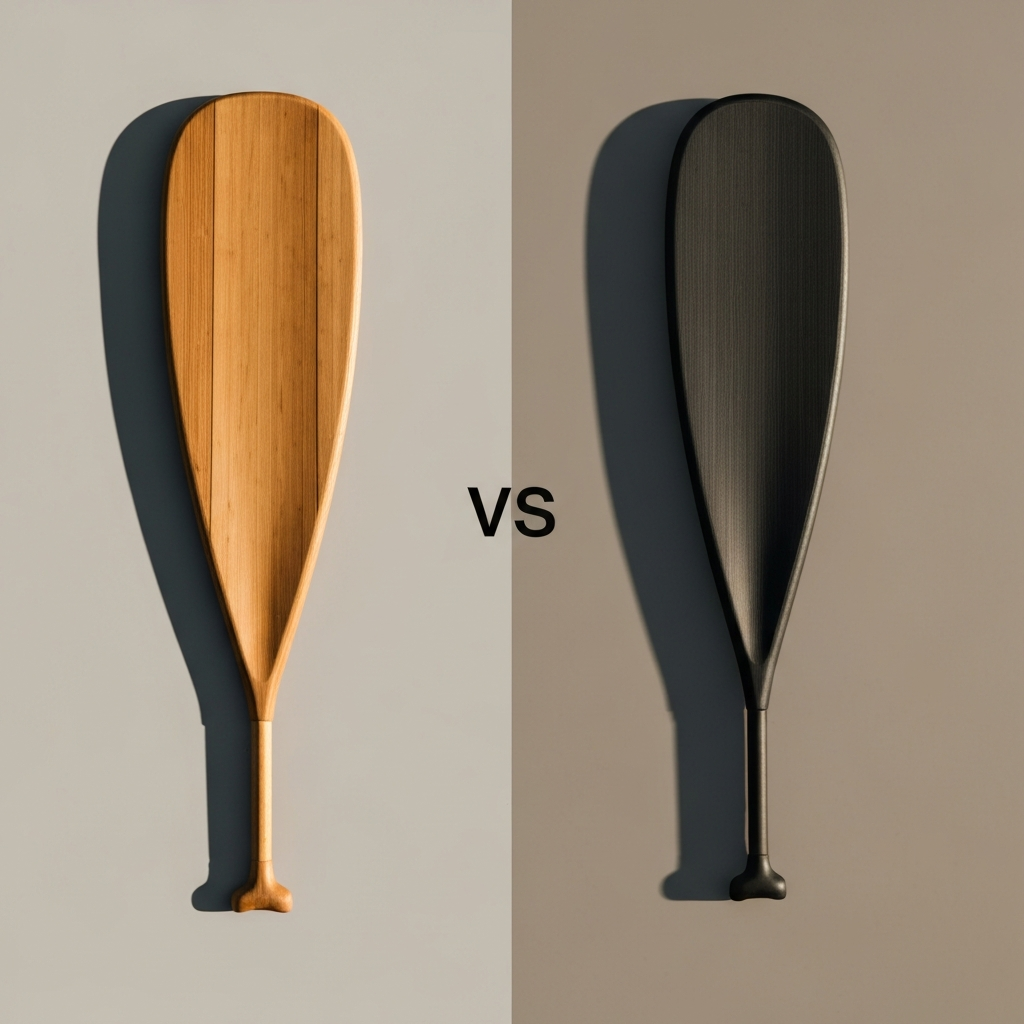
Handle length and grip size are crucial for comfort and control. If you have a background in tennis, you may prefer a longer handle. If you use a two-handed backhand, a longer handle provides more room for both hands. Grip size affects your ability to hold the paddle comfortably and securely. A grip that is too large can cause the paddle to twist in your hand, while a grip that is too small can lead to hand and wrist fatigue. A general guideline is: Under 5'2" (157.5 cm): 4-inch grip, 5'3" to 5'8" (160 to 173 cm): 4.25-inch grip, 5'9" (175 cm) and over: 4.5-inch grip.
Step 9: Check for USAPA Approval
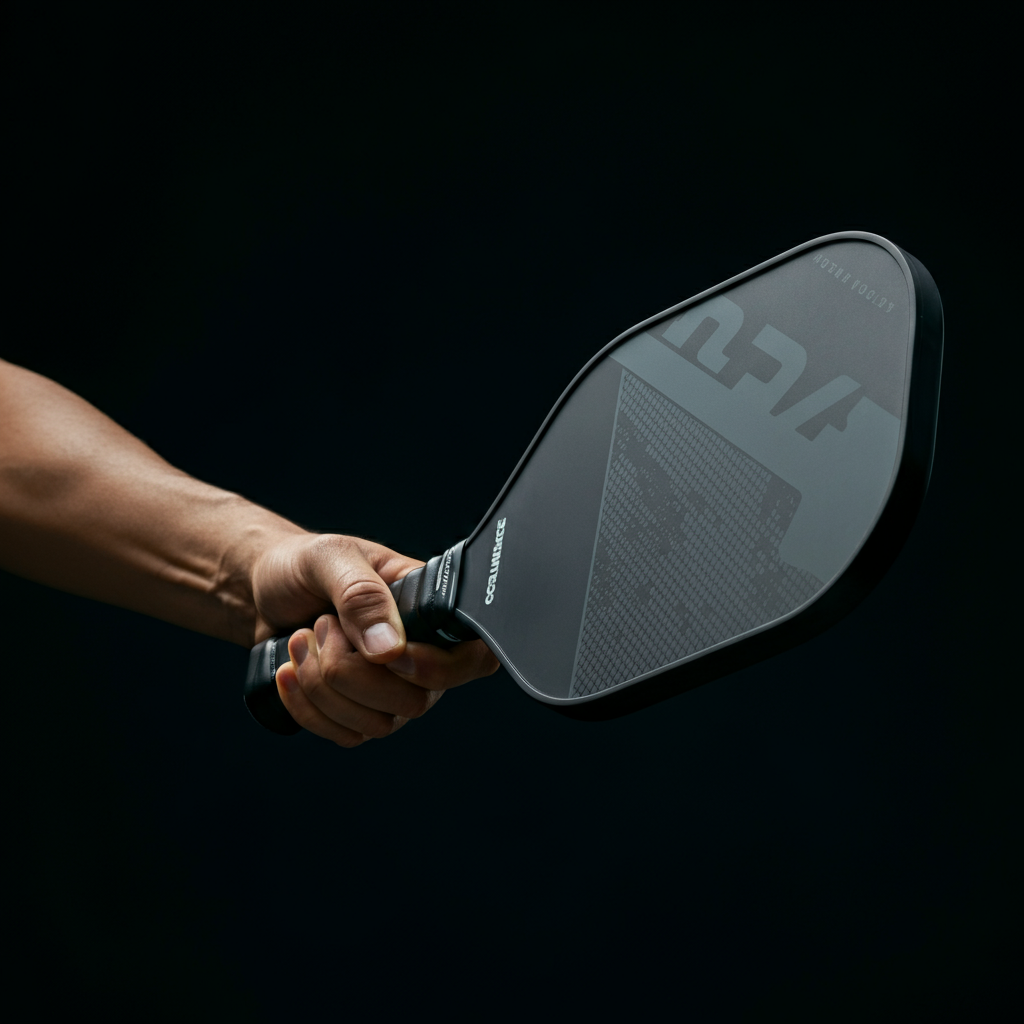
The USAPA (USA Pickleball Association) evaluates paddles to ensure they meet specific standards for size, weight, and performance. While knowing the specific standards isn't necessary, ensuring that a paddle is USAPA-approved guarantees that it meets these standards. This is particularly important for tournament play, as non-approved paddles are not permitted. Most paddles over $50 are USAPA approved.
Step 10: Set a Budget
Pickleball paddles are available at a wide range of price points. Cheaper paddles (under $50) are suitable for beginners who are new to the sport. Mid-range paddles ($50-$150) offer improved performance and durability. High-end paddles (over $150) often feature advanced materials and technologies for optimal performance. Consider your budget and playing frequency when selecting a paddle. A more expensive paddle with a longer warranty may be a better long-term investment than a cheaper paddle with a limited warranty.
FAQ Section
Q: How often should I replace my pickleball paddle?
A: The lifespan of a pickleball paddle depends on how frequently you play and the quality of the paddle. If you play regularly, you may need to replace your paddle every 1-2 years. Signs of wear and tear include a loss of power or control, cracks, or delamination of the surface.
Q: Can I demo pickleball paddles before buying them?
A: Many sporting goods stores and pickleball clubs offer demo programs that allow you to try out different paddles before making a purchase. This is highly recommended, as it allows you to experience the feel and performance of different paddles firsthand.
Q: What is the best paddle for beginners?
A: Beginners typically benefit from a midweight paddle with a polymer core, a forgiving sweet spot, and a comfortable grip. Look for a paddle in the $50-$100 range.
Common Mistakes to Avoid
- Choosing a paddle based solely on price: While budget is important, prioritize performance and fit.
- Ignoring grip size: An improperly sized grip can lead to discomfort and injury.
- Overlooking USAPA approval: Ensure your paddle meets tournament standards.
- Not considering your playing style: Select a paddle that complements your strengths and weaknesses.
Pro Tips
- Try out as many paddles as possible before making a purchase.
- Read online reviews and seek recommendations from other players.
- Consider attending a pickleball demo day to test out different paddles.
- Don't be afraid to experiment with different paddle features to find what works best for you.
Conclusion
Choosing the right pickleball paddle is a personal journey that requires careful consideration of your skill level, playing style, and budget. By understanding the key factors discussed in this guide – weight, core material, thickness, surface material, shape, handle length, and grip size – you can make an informed decision and select a paddle that enhances your performance on the court. Remember to try out different paddles and prioritize comfort and control. With the right paddle in hand, you'll be well-equipped to enjoy the game of pickleball to its fullest!