Music can significantly impact the atmosphere and productivity of your workplace. A well-curated playlist can boost morale, reduce stress, and even improve focus. However, creating the perfect playlist for a diverse group of colleagues requires careful consideration and planning. It's not just about throwing together your favorite tunes; it's about creating a sonic environment that is both enjoyable and conducive to a productive workday.
This guide will walk you through the essential steps to craft a workplace playlist that resonates with your colleagues, respects individual preferences, and contributes positively to the overall work environment. From understanding your audience to mastering the art of song selection and playlist management, we'll provide you with the knowledge and tools you need to become the office DJ everyone appreciates.
Remember, the goal is to create a shared musical experience that enhances the workday for everyone. By following these guidelines, you can transform your workplace into a more vibrant and enjoyable space.
Step 1: Understand Your Audience
Before you even think about specific songs, it's crucial to understand your audience. This means considering the demographics, musical tastes, and sensitivities of your colleagues. Are there any genres that are universally disliked? Are there specific artists or songs that might be considered offensive or distracting? The more you know about your audience, the better equipped you'll be to create a playlist that caters to their preferences and avoids potential pitfalls. Observe what others listen to during breaks and lunch, and don't be afraid to ask for input. A simple poll or suggestion box can be a great way to gather feedback.

Step 2: Establish Ground Rules and Boundaries
Even with a good understanding of your audience, it's important to establish clear ground rules and boundaries. This helps prevent conflicts and ensures that everyone feels comfortable with the music being played. Some companies may have official policies regarding workplace music, so be sure to check with HR or management before getting started. If no formal policy exists, consider proposing one that outlines acceptable genres, volume levels, and procedures for addressing concerns. This proactive approach can help avoid misunderstandings and maintain a harmonious work environment.

Step 3: Genre Selection: Balancing Variety and Cohesion
Selecting the right genres is key to creating a playlist that is both engaging and appropriate for the workplace. Aim for a balance between variety and cohesion. Avoid genres that are known to be polarizing or distracting, such as heavy metal, hardcore rap, or overly aggressive electronic music. Instead, focus on genres that tend to be more universally appealing, such as pop, soft rock, acoustic, jazz, or instrumental music. Consider the overall tone you want to create. For example, classical music can create a sophisticated and calming atmosphere, while upbeat pop can energize the office.

Step 4: Curate Songs with Appropriate Lyrics and Content
Lyrics and content are paramount when creating a workplace playlist. Avoid songs with explicit lyrics, offensive language, or controversial themes. Even if a song is musically appealing, its lyrical content can create an uncomfortable or even hostile work environment. Use your best judgment and err on the side of caution. If you're unsure about a song's lyrics, do a quick online search to verify its content before adding it to your playlist. Instrumental versions of popular songs are also a great option for avoiding lyrical issues altogether.

Step 5: Build a Diverse and Engaging Playlist
Aim for a playlist that is diverse and engaging, but not overwhelming. A good starting point is to aim for at least 50-100 songs to minimize repetition. Pay attention to the tempo and energy levels of the songs you select. Varying the tempo can help prevent listener fatigue and maintain a dynamic atmosphere throughout the day. Also, consider adding a mix of familiar favorites and new discoveries to keep things interesting. Regularly update your playlist with new music to prevent it from becoming stale.
Step 6: Optimize Song Order for Flow and Energy
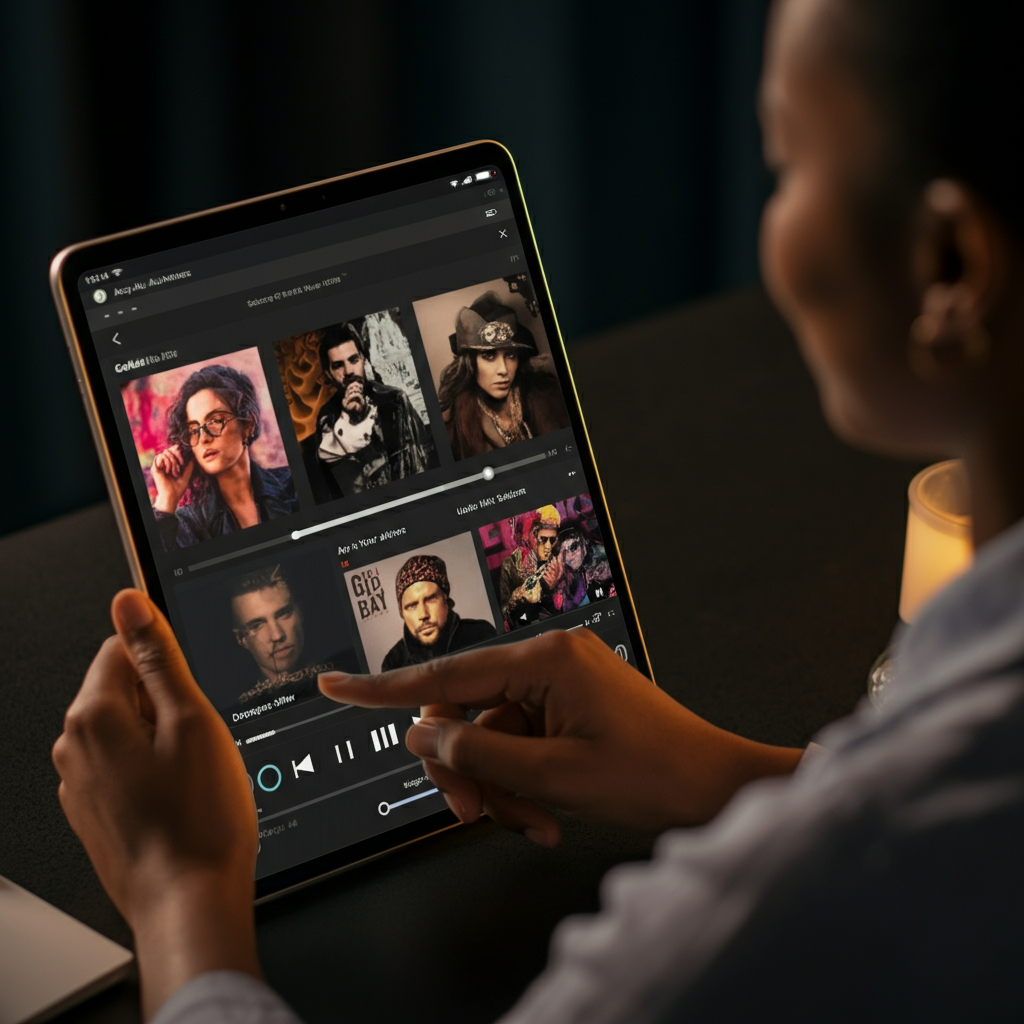
The order of songs in your playlist can significantly impact the overall listening experience. Start with softer, more ambient tracks to ease employees into the workday. Gradually increase the tempo and energy levels as the morning progresses. Avoid abrupt transitions between genres or tempos, as this can be jarring and disruptive. Consider creating different playlists for different times of the day, such as a mellow playlist for the morning and a more upbeat playlist for the afternoon.
Step 7: Test and Iterate Your Playlist
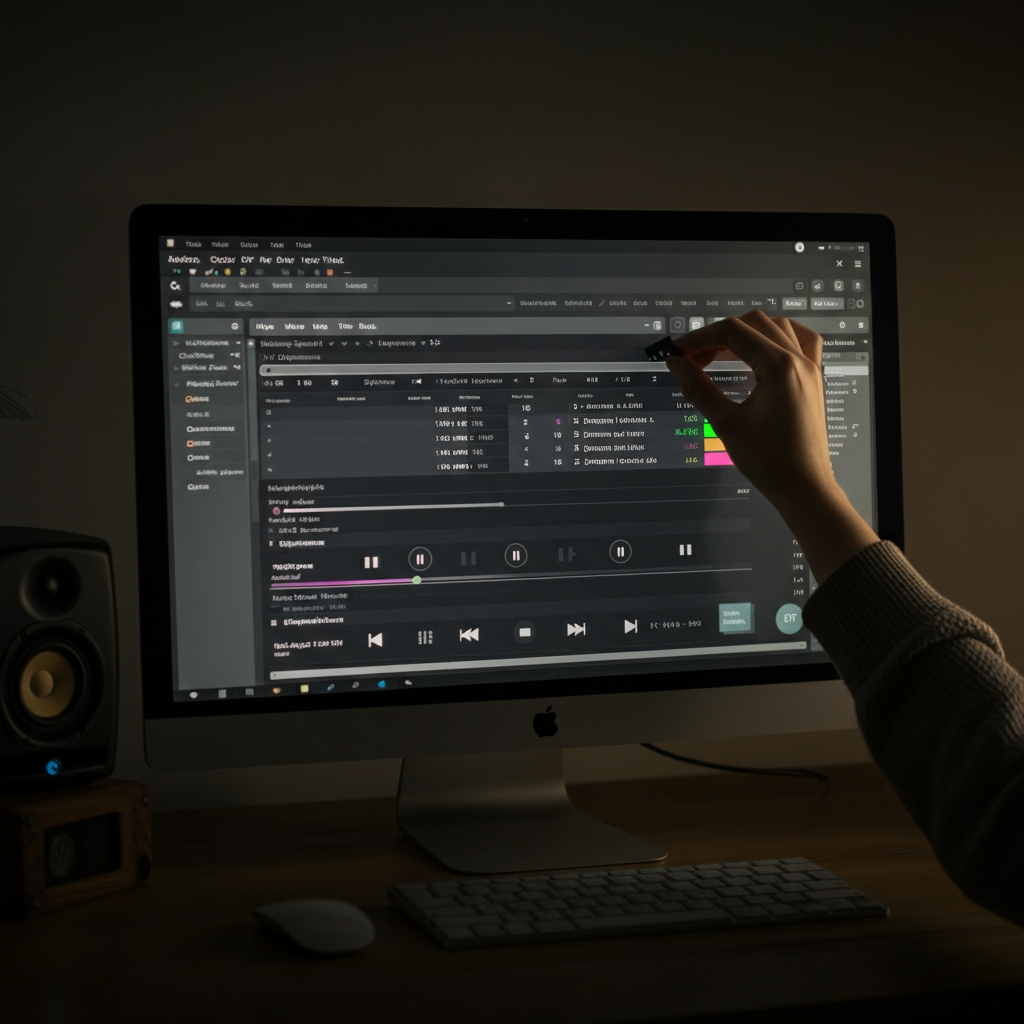
Before unleashing your playlist on the entire office, it's a good idea to test it out on a small group of colleagues. Gather feedback on the song selection, order, and overall atmosphere. Be open to constructive criticism and willing to make adjustments based on the input you receive. This iterative process will help you refine your playlist and ensure that it meets the needs and preferences of your audience. You can even create a shared online document where colleagues can provide feedback and suggestions in real-time.

Common Mistakes to Avoid
- Playing the same songs repeatedly.
- Ignoring colleagues' preferences.
- Failing to monitor volume levels.
- Choosing songs with inappropriate lyrics or content.
- Creating a playlist that is too short or too long.
Pro Tips
- Use a music streaming service that allows for collaborative playlists.
- Create themed playlists for holidays or special occasions.
- Solicit song requests from colleagues.
- Use a smart speaker or music system that allows for easy volume control.
- Regularly update your playlist to keep it fresh and engaging.
FAQ Section
- How often should I update my playlist?
- At least once a month to keep things fresh.
- What if someone complains about a song?
- Remove it from the playlist immediately and apologize.
- Can I play my own music sometimes?
- Check with your colleagues and manager first.
Conclusion
Creating the best playlist for your workplace is an ongoing process that requires careful planning, consideration, and a willingness to adapt. By understanding your audience, establishing ground rules, selecting appropriate music, and regularly testing and iterating your playlist, you can create a sonic environment that is both enjoyable and conducive to a productive workday. Remember, the goal is to create a shared musical experience that enhances the workday for everyone. With a little effort and attention to detail, you can transform your workplace into a more vibrant and enjoyable space.