Are you constantly missing your feline friend during the workday? Does the thought of leaving your purrfect companion at home fill you with dread? Bringing your cat to work might seem like a whimsical dream, but with careful planning and execution, it can become a reality. This guide provides a comprehensive, step-by-step approach to successfully smuggling your cat into the office, ensuring both your and your cat's comfort and safety.
However, it's crucial to understand the potential risks and ethical considerations involved. Sneaking a pet into a typically pet-free environment can have consequences. Before proceeding, seriously evaluate your workplace culture, your cat's temperament, and your ability to discreetly manage the situation. This guide offers advice for responsible cat-smuggling only.
Remember, the well-being of your cat is paramount. A stressed or frightened cat is not a happy cat, and a disruptive feline can jeopardize your carefully laid plans. Let's begin with the foundational steps.
Step 1: Assessing the Feasibility
Evaluating Your Cat's Personality
The first and most critical step is to honestly assess your cat's personality. Is your cat a laid-back, adaptable creature who enjoys lounging around, or a high-strung, easily agitated ball of fur? A successful office cat needs to be relatively quiet, comfortable in confined spaces, and unfazed by new environments and sounds. If your cat is prone to excessive meowing, scratching, or spraying, this endeavor is likely to end in disaster. Consider also if your cat needs constant attention. If your work is very demanding, your cat could be unhappy without constant reassurance.

Step 2: Commute Considerations
Analyzing Your Travel Options
How do you typically get to work? Car, public transport, bike, or on foot? Each mode of transport presents unique challenges. If driving, ensure your cat is safely secured in a carrier or harness. On public transport, familiarize yourself with the pet policies and ensure your carrier is discreet and well-ventilated. Biking or walking requires a sturdy, comfortable carrier and a reasonable level of physical fitness. Regardless of your chosen method, prioritize your cat's comfort and safety during the commute. Avoid times of peak traffic to minimize noise and congestion.

Step 3: Weather Awareness
Considering Environmental Factors
Pay close attention to the weather forecast. Extreme temperatures can be dangerous for cats. Avoid attempting this on excessively hot or cold days. Cats are particularly susceptible to heatstroke, so ensure adequate ventilation in the carrier. Rainy or windy conditions can also make the commute uncomfortable and potentially stressful for your feline companion. Always prioritize your cat's well-being over your desire to bring them to work. Choose a day with mild, stable weather.

Step 4: Strategic Timing
Choosing the Right Day
Select a day with minimal meetings, deadlines, or other potential distractions. A quieter day will allow you to better monitor your cat and address any unexpected issues. Ideally, choose a day when you can leave work a little early to minimize your cat's time in the office. Avoid bringing your cat on days when you have important presentations or client meetings. A calm, predictable schedule is essential for a successful operation.

Step 5: Bag Selection and Familiarization
Preparing the Purrfect Carrier
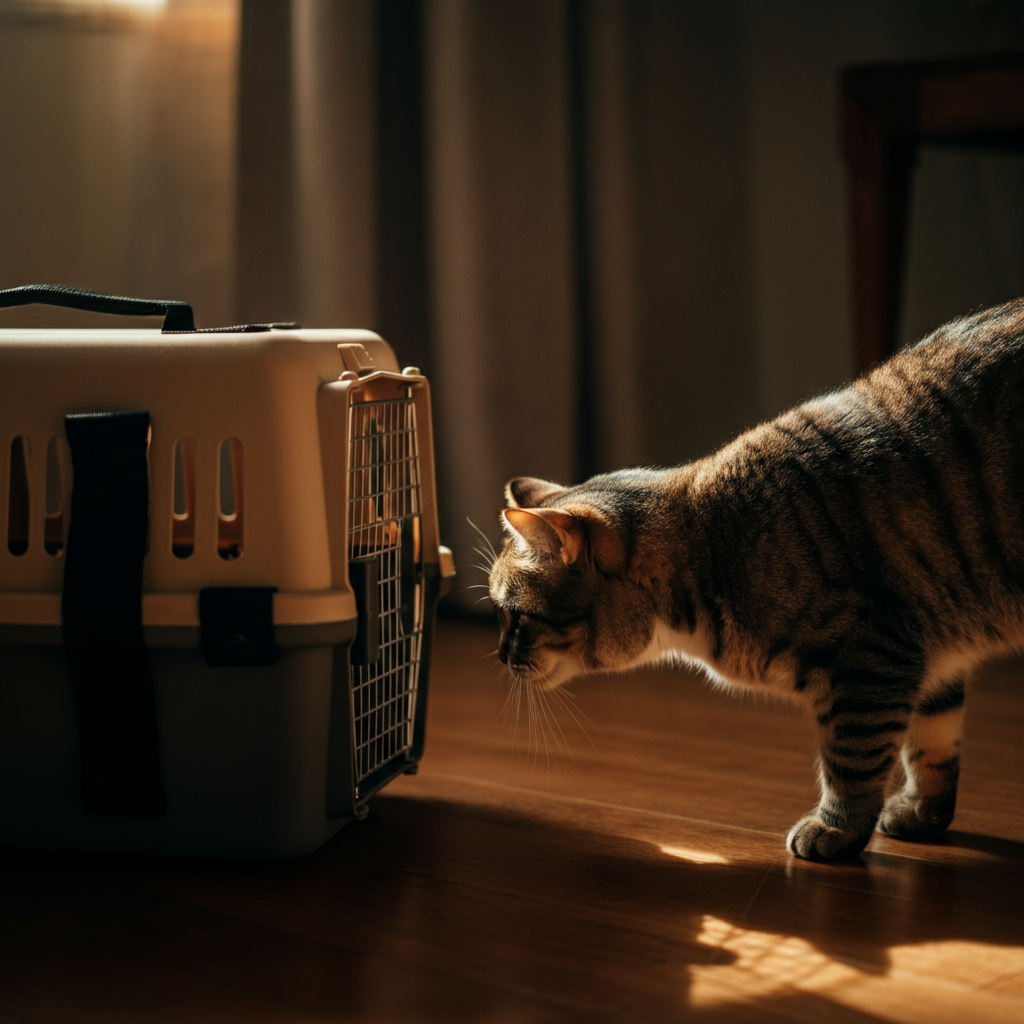
Choosing the right carrier is paramount. Look for a bag that is spacious enough for your cat to comfortably stand, turn around, and lie down. Ventilation is critical; ensure the bag has adequate mesh panels for airflow. Consider a bag with a solid bottom for stability and a dark interior to provide a sense of security. Introduce the bag to your cat several weeks in advance, placing treats and toys inside to create positive associations. Let your cat explore the bag at their own pace.
Step 6: Harness Training
Ensuring Security and Control
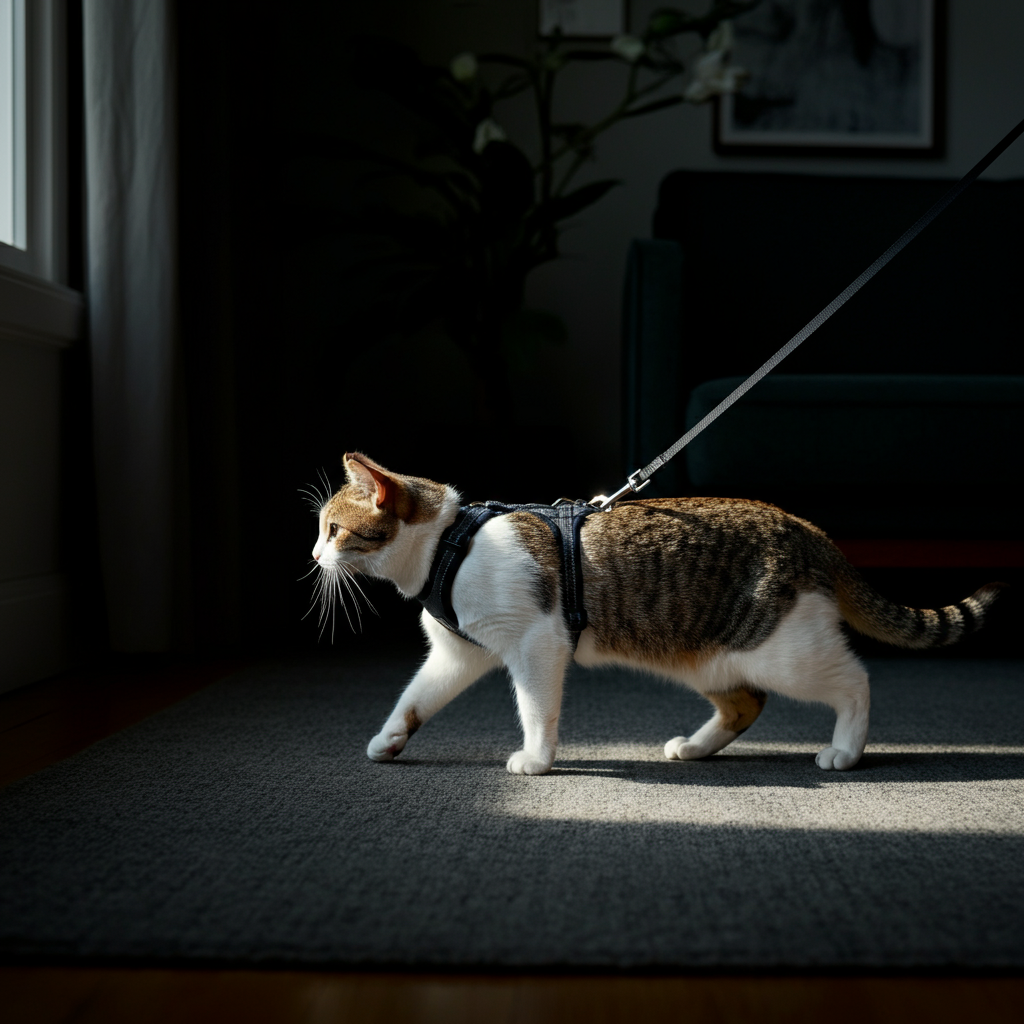
Even if your cat is not typically walked on a leash, a harness and leash are essential for maintaining control in the office environment. Start by introducing the harness in short, supervised sessions at home. Gradually increase the duration of each session, rewarding your cat with treats and praise. Once your cat is comfortable wearing the harness, attach the leash and allow them to explore the house under your supervision. Never force your cat to wear the harness; patience and positive reinforcement are key. The harness will also be useful to connect it with you so your cat won't wander around unattended.
Step 7: Office Reconnaissance
Mapping the Territory
Before the big day, carefully observe your workplace environment. Identify potential hiding spots, escape routes, and areas with minimal foot traffic. Note the location of your boss's office, restrooms, and any other areas you'll need to access during the day. Familiarize yourself with the office layout to minimize the risk of encountering colleagues or supervisors. Consider taking a walk around your workspace during a break, observing traffic patterns and identifying potential hazards.

Step 8: The Day Of: Pre-Departure Routine
Priming the Kitty for Stealth
On the morning of your clandestine operation, follow a carefully planned routine. Feed your cat a slightly smaller-than-usual breakfast to avoid any digestive issues during the day. Encourage your cat to use the litter box before placing them in the carrier. Spend some quality time petting and reassuring your feline friend. A calm and relaxed cat is less likely to cause a commotion. Minimize the time your cat spends in the carrier before leaving the house.

Step 9: Infiltration Tactics
Executing the Sneak
Arrive at work with confidence, acting as if nothing is amiss. Avoid making eye contact with colleagues or engaging in unnecessary conversations. Walk directly to your desk and discreetly place the carrier under your desk or in a pre-determined hiding spot. If questioned about the bag, have a plausible explanation ready, such as "I'm returning library books" or "I have extra work supplies." The key is to remain calm and avoid drawing attention to yourself. Consider wearing noise-cancelling headphones to minimize distractions.
Step 10: Settling In
Creating a Safe Haven
Once you're at your desk, allow your cat some time to adjust to their new surroundings before letting them out of the carrier. Provide a comfortable blanket, fresh water, and a small amount of food. Speak to your cat in a soothing voice to reassure them. If possible, position the carrier so that your cat can see you, providing a sense of security. Monitor your cat's behavior closely for signs of stress or anxiety. Observe how your cat reacts to the new location to prepare yourself better.
Step 11: Controlled Release
Letting the Cat Out of the Bag (Strategically)
Carefully assess the situation before allowing your cat to roam freely. Ensure that the area is safe, secure, and free of potential hazards. Attach the leash to the harness before opening the carrier. Allow your cat to explore their surroundings at their own pace, keeping them close by your side. Avoid forcing your cat to interact with colleagues or supervisors. If your cat seems uncomfortable or stressed, return them to the carrier and try again later.
Step 12: Litter Box Logistics
Managing Waste Discreetly
Providing a discreet litter box solution is essential. Consider a small, disposable litter box that can be easily concealed. Place the litter box in a private area, such as under your desk or in a storage closet. Use a deodorizing litter to minimize odors. Regularly scoop the litter box to maintain cleanliness and prevent unwanted attention. Double bag the waste before disposing of it in a designated trash receptacle.
Step 13: Departure Strategy
The Great Escape
Begin preparing for your departure at least an hour before your scheduled leaving time. Pack up your belongings, including the litter box, food, and water bowls. Gently place your cat back into the carrier. Allow them some time to settle down before making your exit. Leave work confidently and avoid drawing attention to yourself. Maintain a calm and relaxed demeanor throughout the entire process.
Safety Considerations
- Ensure your cat is up-to-date on all vaccinations.
- Be aware of any potential allergens in the workplace.
- Keep cleaning supplies and hazardous materials out of your cat's reach.
- Supervise your cat at all times to prevent accidents or injuries.
- If your cat becomes visibly distressed, abort the mission and take them home.
Common Mistakes to Avoid
- Bringing a cat with a known history of aggression or anxiety.
- Failing to properly acclimate your cat to the carrier.
- Neglecting to provide adequate ventilation.
- Leaving your cat unattended.
- Ignoring your cat's signs of stress or discomfort.
Pro Tips
- Consider using a pheromone diffuser to help calm your cat.
- Bring a favorite toy or blanket to provide a sense of familiarity.
- Offer your cat regular treats and praise to reinforce positive behavior.
- Enlist the help of a trusted colleague to keep an eye on your cat while you're in meetings.
- Be prepared to make a quick exit if the situation becomes untenable.
FAQ Section
- What if my cat starts meowing loudly?
- Try to determine the cause of the meowing. Is your cat hungry, thirsty, or anxious? Offer reassurance, a treat, or a favorite toy. If the meowing persists, consider taking your cat home.
- What if my boss finds out?
- Be honest and apologetic. Explain that you were simply missing your cat and didn't intend to cause any disruption. Emphasize that you'll take full responsibility for your actions and will ensure that it doesn't happen again.
- What if my coworker is allergic to cats?
- This is a serious concern. If you know that someone in your office is allergic to cats, you should not attempt to bring your cat to work.