Commuting. For many, it’s a necessary evil, a daily grind that saps time and energy. But what if your commute could be more than just a means to an end? What if it could be a time for personal growth, fitness, or simply a more enjoyable start and end to your day? This guide will equip you with the knowledge and strategies to transform your commute from a dreaded chore into a fulfilling part of your routine.
Whether you're considering cycling, public transportation, walking, or even optimizing your driving route, this comprehensive guide provides practical advice, safety tips, and expert insights to help you navigate your daily journey with confidence and efficiency. We'll cover everything from planning your route and choosing the right gear to mastering essential skills and dealing with unexpected challenges. Get ready to take control of your commute and reclaim your time!
Our aim is to empower you to make informed choices that align with your lifestyle, budget, and environmental concerns. By the end of this guide, you'll have a clear understanding of the various commuting options available, the tools and resources you need to succeed, and the strategies to overcome common obstacles. Embrace the opportunity to transform your commute into a positive and productive experience.
Step 1: Route Planning & Optimization
H2: Mapping Your Ideal Commute
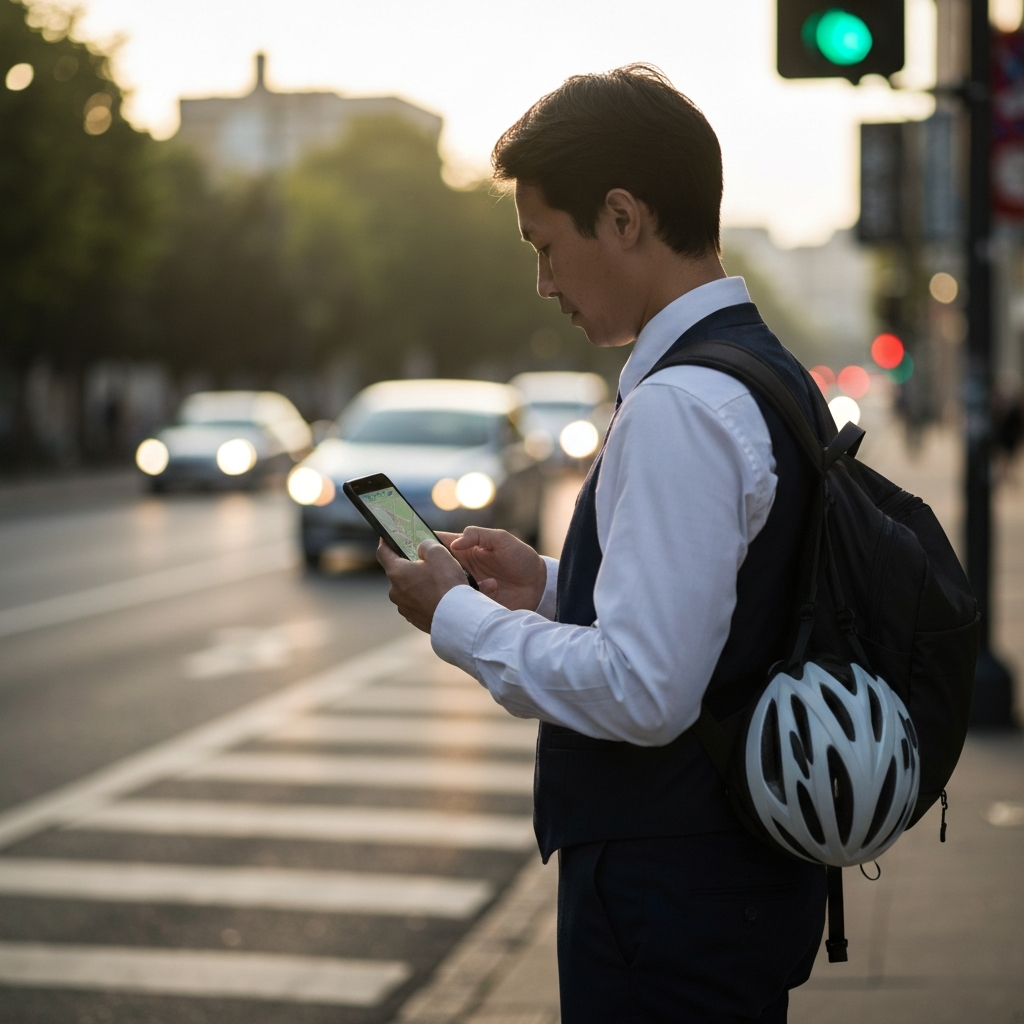
Before you even consider your mode of transport, meticulously plan your route. Don't automatically assume the route you drive is optimal for walking, cycling, or even a different mode of public transport. Utilize online mapping tools with multi-modal transportation options. Consider factors beyond just distance; look at elevation changes (especially important for cyclists), pedestrian-friendly sidewalks, bike lanes, traffic volume at different times of the day, and the presence of streetlights. A slightly longer route with fewer hazards can often be faster and significantly safer.
Practical details: Scout potential routes during off-peak hours. Note construction zones, road closures, or areas with poor visibility. Explore alternative side streets that may offer a more pleasant and less congested experience. Be realistic about your capabilities; don't choose a route that includes a steep hill if you're not in adequate shape for it. A common mistake is underestimating the impact of traffic on travel time; account for potential delays, especially during rush hour.
Step 2: Selecting Your Mode of Transportation
H2: Choosing the Right Commute Method
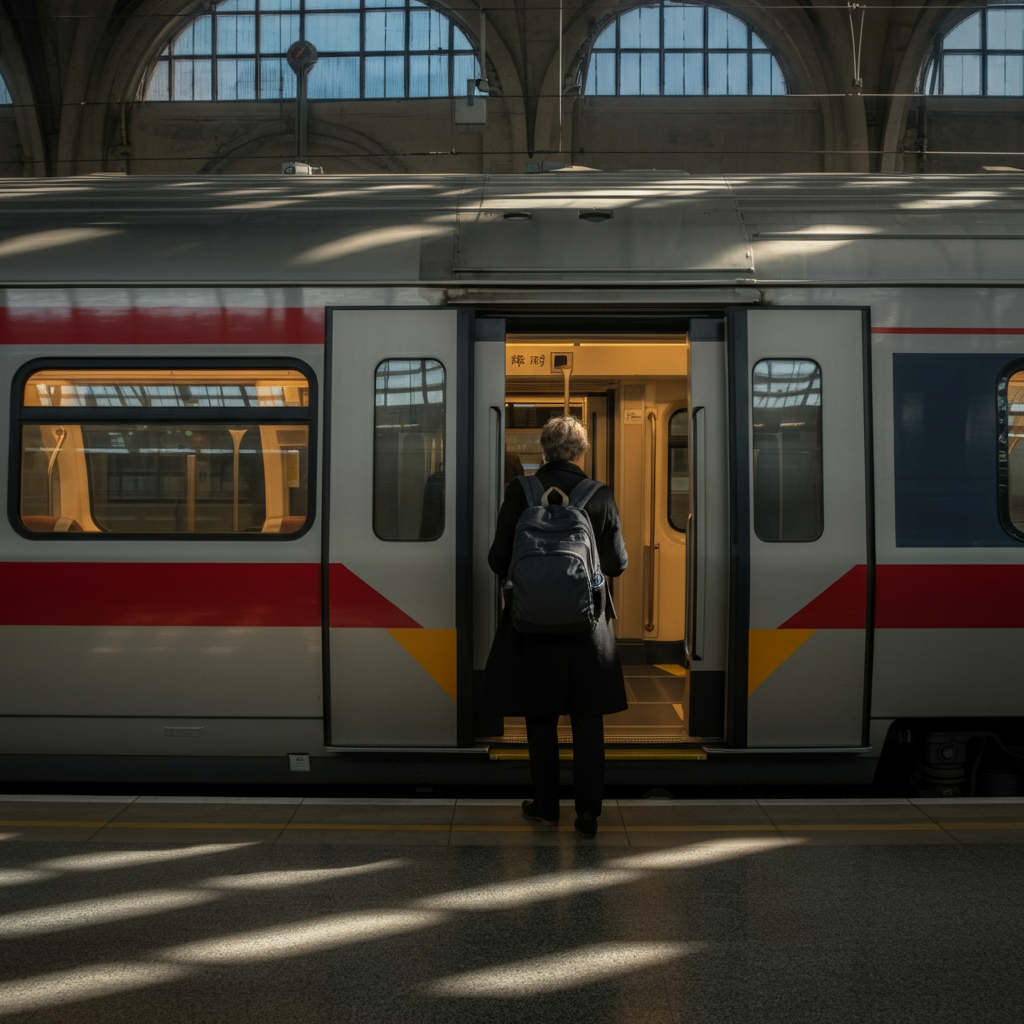
The best mode of transportation depends heavily on your individual circumstances. Consider the distance, your physical fitness level, budget, and personal preferences. Cycling is an excellent option for those who enjoy exercise and have relatively short to moderate distances. Public transportation can be cost-effective and allows you to relax or work during the commute. Walking is a great way to incorporate physical activity into your day, but it's only practical for shorter distances. Driving offers convenience and flexibility but can be expensive and stressful. Hybrid approaches, such as cycling to a train station or driving part of the way and walking the rest, can often be the most effective solutions.
Practical details: Research the cost of each option, including fuel, parking, public transport fares, bike maintenance, or walking shoes. Factor in the time commitment for each option, including travel time, waiting time, and preparation time (e.g., showering after cycling). Consider the environmental impact of your choice; cycling, walking, and public transportation are generally more sustainable than driving. A potential mistake is choosing a mode of transportation that isn't sustainable in the long run due to cost, time, or physical demands.
Step 3: Gear Up for Success
H2: Essential Tools & Equipment
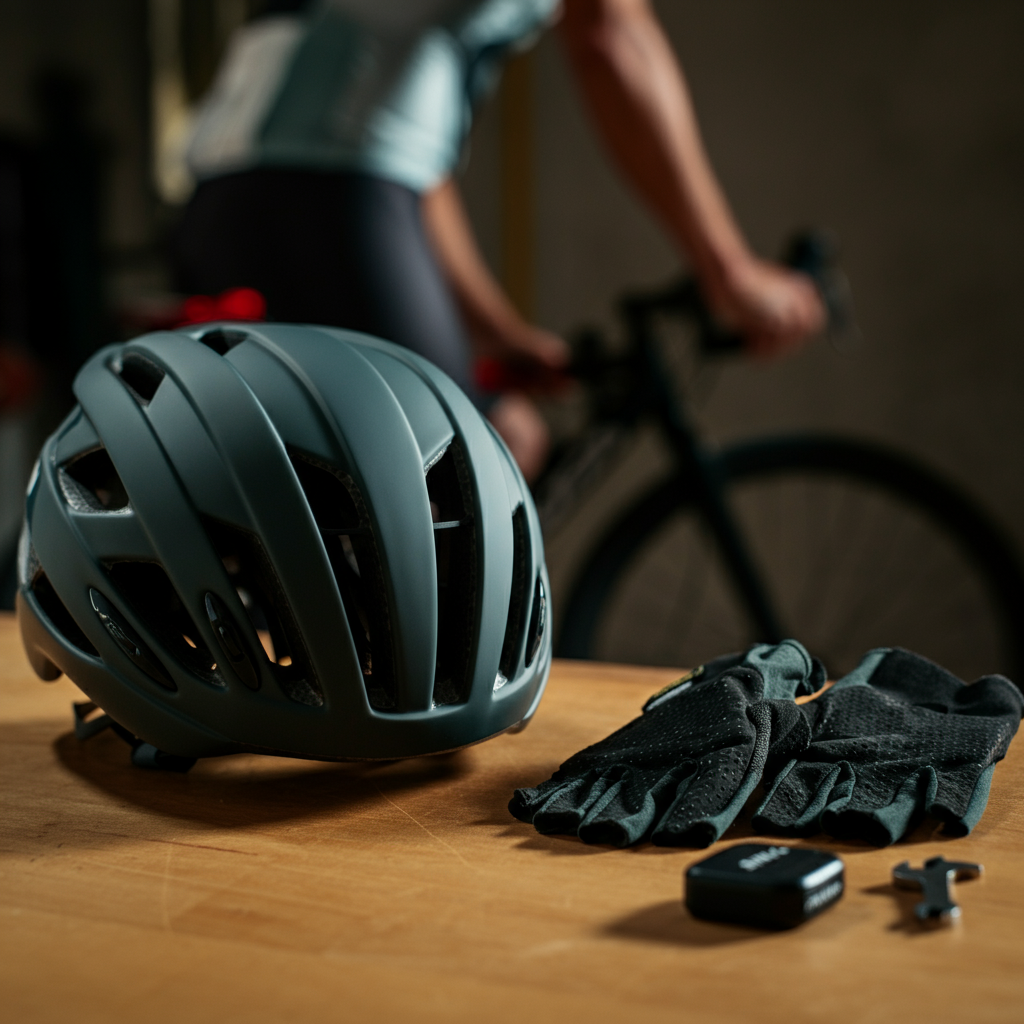
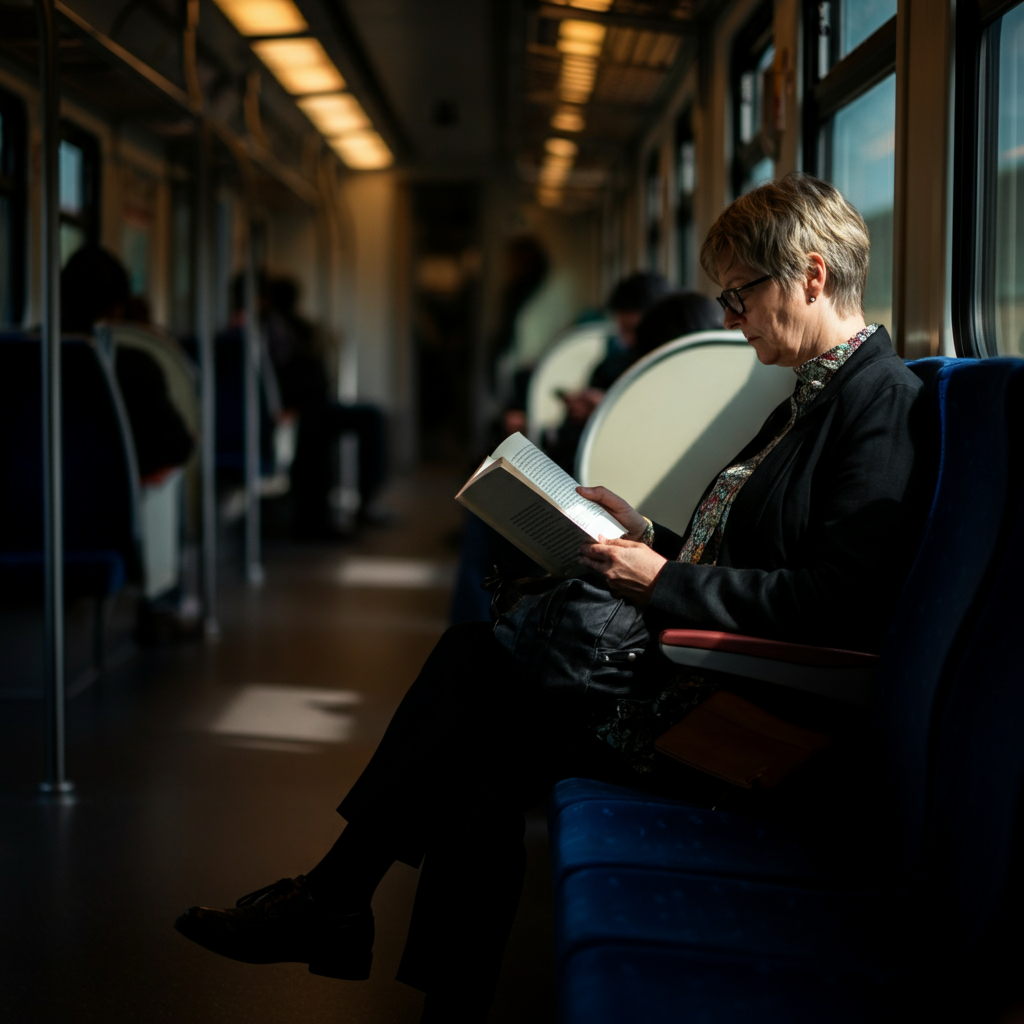
Regardless of your chosen mode, having the right gear can significantly improve your commuting experience. For cyclists, a well-maintained bike, helmet, reflective clothing, and lights are essential for safety. Walkers should invest in comfortable and supportive shoes, weather-appropriate clothing, and a reliable backpack. Public transport commuters may want to consider noise-canceling headphones, a book or e-reader, and a portable charger for their devices. Drivers should ensure their vehicle is in good working order and equipped with essential safety features. Prioritize safety and comfort above all else when selecting your gear.
Practical details: Cyclists should carry a basic repair kit, including a pump, tire levers, and a multi-tool. Walkers should consider carrying an umbrella or raincoat, especially in unpredictable weather. Public transport commuters should check for service disruptions before leaving home. Drivers should ensure their vehicle has sufficient fuel and that all fluids are topped up. A common mistake is neglecting to maintain your equipment; regular maintenance is crucial for safety and reliability.
Step 4: Mastering Essential Skills
H2: Developing Key Commuting Abilities
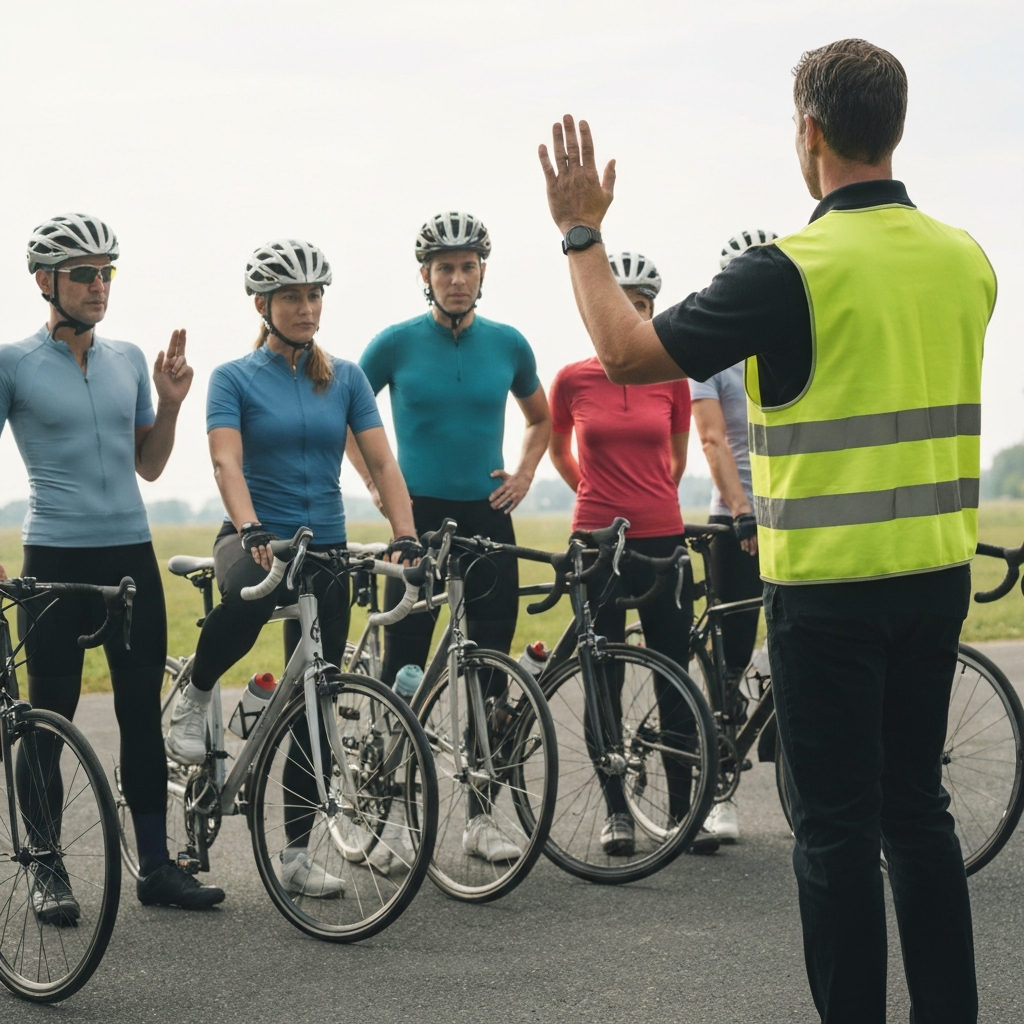
Effective commuting requires more than just physical ability; it also involves mastering certain skills. Cyclists should be proficient in bike handling, signaling, and basic repairs. Walkers should be aware of pedestrian safety rules and practice defensive walking. Public transport commuters should be adept at navigating timetables, understanding fare systems, and being courteous to other passengers. Drivers should be skilled in defensive driving and aware of traffic laws. Continuous learning and skill development are crucial for safe and efficient commuting.
Practical details: Take a cycling safety course to improve your bike handling skills. Familiarize yourself with local pedestrian laws and crosswalk rules. Download public transport apps to track schedules and plan routes. Regularly practice defensive driving techniques. A potential mistake is becoming complacent and neglecting to update your skills or knowledge.
Step 5: Safety First: Protecting Yourself on the Road
H2: Prioritizing Commute Safety
Safety should be your paramount concern during your commute. Whether you're cycling, walking, using public transport, or driving, always be aware of your surroundings and take precautions to minimize risks. Cyclists should wear helmets, use lights and reflectors, and obey traffic laws. Walkers should use crosswalks, avoid distractions, and be visible to drivers. Public transport users should be aware of their belongings and report any suspicious activity. Drivers should avoid distractions, maintain a safe following distance, and obey traffic laws. Never compromise on safety; it's always better to be cautious than to take unnecessary risks.
Practical details: Cyclists should perform a pre-ride safety check before each commute, ensuring brakes, tires, and lights are in good working order. Walkers should avoid walking alone in poorly lit areas at night. Public transport users should keep their valuables secure and be aware of emergency exits. Drivers should check weather conditions before departing and adjust their driving accordingly. A common mistake is becoming complacent about safety and neglecting to take necessary precautions.

Step 6: Overcoming Challenges and Unexpected Delays
H2: Handling Commute Disruptions
Delays are inevitable. Traffic jams, train delays, weather disruptions; they all happen. The key is to anticipate potential problems and have backup plans. If you're cycling, know your local bike shops for quick repairs. For public transit, have alternate routes or bus numbers ready. For drivers, check traffic reports before leaving and consider Waze or Google Maps for real-time rerouting. Keep a positive attitude and try to use the delay productively – read a book, listen to a podcast, or catch up on news.
Practical details: Pack a small emergency kit with snacks, water, and a portable charger. Subscribe to traffic alerts or transit updates. Let your employer know if you anticipate being late due to unforeseen circumstances. A common mistake is letting frustration get the better of you, which can lead to rash decisions and increase stress.
Tools or Materials Required
- Smartphone with GPS and mapping apps
- Appropriate clothing and footwear for your chosen mode of transport
- Backpack or bag for carrying essential items
- Cycling helmet (if cycling)
- Bike repair kit (if cycling)
- Public transport pass or fare card (if using public transport)
Common Mistakes to Avoid
- Underestimating the time required for your commute.
- Neglecting to plan your route in advance.
- Failing to prioritize safety.
- Becoming complacent and neglecting to maintain your equipment.
- Not having backup plans for unexpected delays.
FAQ Section
- Q: How can I make my commute more environmentally friendly?
- A: Consider cycling, walking, or using public transportation. If driving, try carpooling or using a fuel-efficient vehicle.
- Q: What should I do if I have a mechanical problem with my bike during my commute?
- A: If possible, try to fix it yourself using your repair kit. Otherwise, find a local bike shop or call for assistance.
- Q: How can I stay safe while walking at night?
- A: Wear reflective clothing, walk in well-lit areas, and avoid distractions.
Conclusion
Mastering your commute is about more than just getting from point A to point B; it's about creating a more positive, productive, and fulfilling daily experience. By planning your route, choosing the right mode of transport, investing in essential gear, developing key skills, and prioritizing safety, you can transform your commute from a dreaded chore into a valuable part of your day. Embrace the opportunity to reclaim your time, improve your health, and reduce your stress levels. A better commute starts with you!