Melbourne's train network, operated by Metro Trains Melbourne, is an integral part of the city's transport infrastructure. While opinions may vary on its overall standing compared to global systems, it possesses a distinct character, particularly evident in iconic stations like the historic Flinders Street Station and the expansive Southern Cross Station. Navigating the system effectively can significantly enhance your experience of Melbourne, whether you're a resident or a visitor.
This guide provides a comprehensive walkthrough of riding a train in Melbourne, covering everything from ticketing to safety precautions. We aim to equip you with the knowledge and confidence to navigate Melbourne's rail network like a seasoned local. Understanding the nuances of the system will save you time, money, and potential stress.
From purchasing a Myki card to understanding platform etiquette, we'll cover all the essential aspects of your train journey. Let's embark on this journey together!
Step 1: Acquiring a Myki Card or Ticket
Before you can board a train, you'll need a valid ticket, which in Melbourne means obtaining and loading a Myki card. The Myki is a reusable smart card used across Melbourne's public transport network, including trains, trams, and buses. You can purchase a Myki card from Myki machines at train stations, selected retail outlets (look for the Myki sign), or online. Once you have a Myki, you need to load it with sufficient funds (Myki Money) or a Myki Pass for unlimited travel within a set period. Myki machines accept coins, notes, and EFTPOS. Consider purchasing a Myki Explorer pack if you are a tourist which includes visitor information.
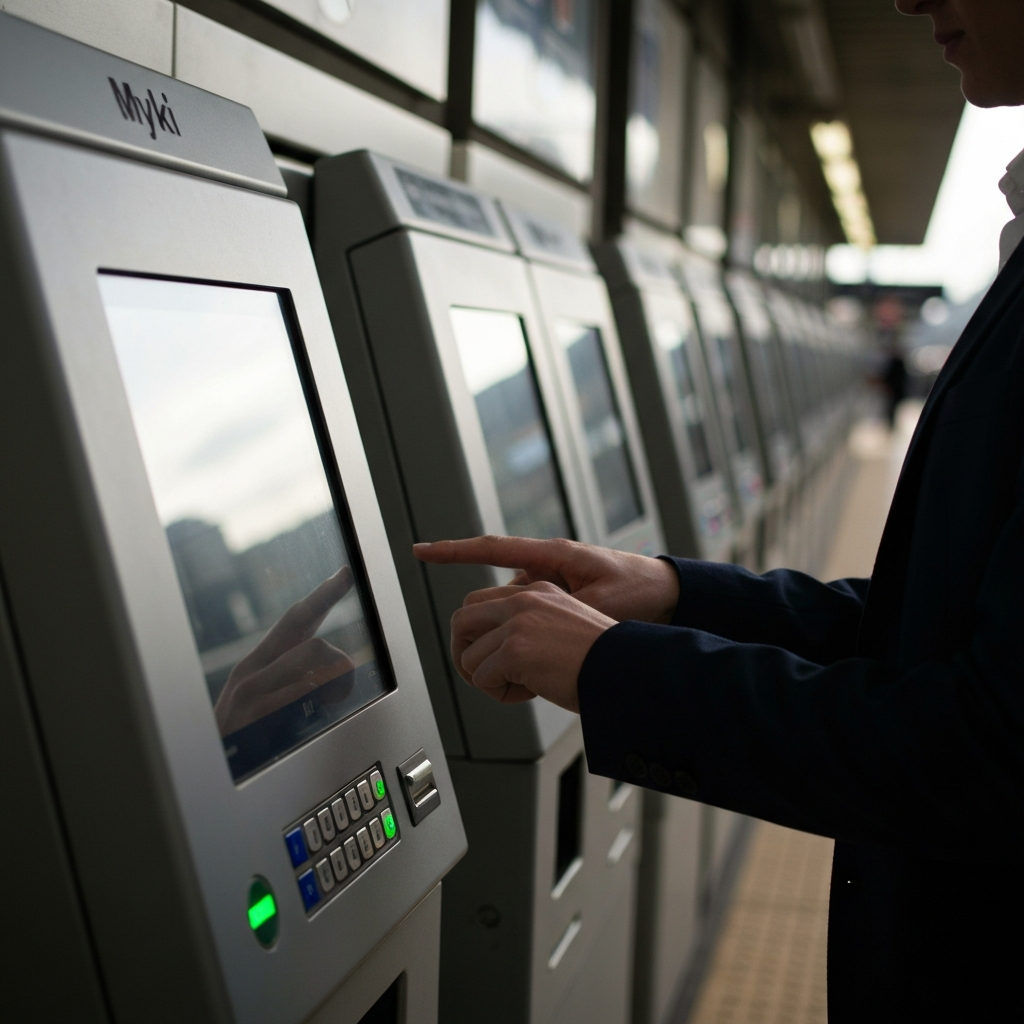
Step 2: Getting to the Train Station
Plan your route to the nearest train station. Melbourne's train stations are generally well-connected by bus routes, with many major stations having bus interchanges. If you're arriving by bus, remember that your Myki can be used on both the bus and train, potentially counting as a single '2-hour trip' or 'daily' fare, depending on your travel times. If you're driving, most stations offer free commuter car parks, but be aware that these tend to fill up quickly, usually by 8 am on weekdays. Consider alternative transport options if parking is a concern.
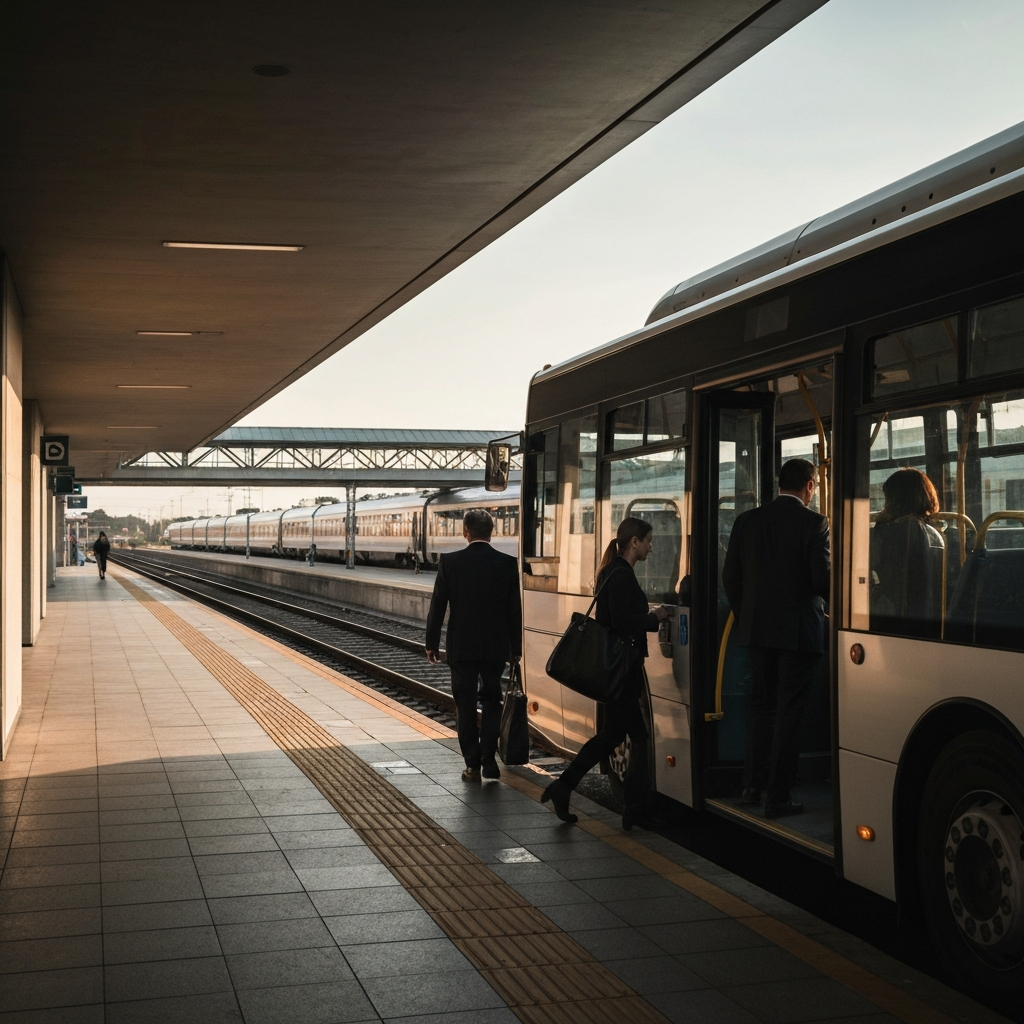
Step 3: Purchasing or Topping Up Your Myki
If you don't already have a Myki, purchase one from a Myki machine. All stations have at least one machine that accepts coins, and larger stations have machines that accept notes, coins, and EFTPOS. Premium stations often have a station attendant at a window where you can purchase or top up your Myki. Ensure your card has sufficient funds for your journey before proceeding to the platform.
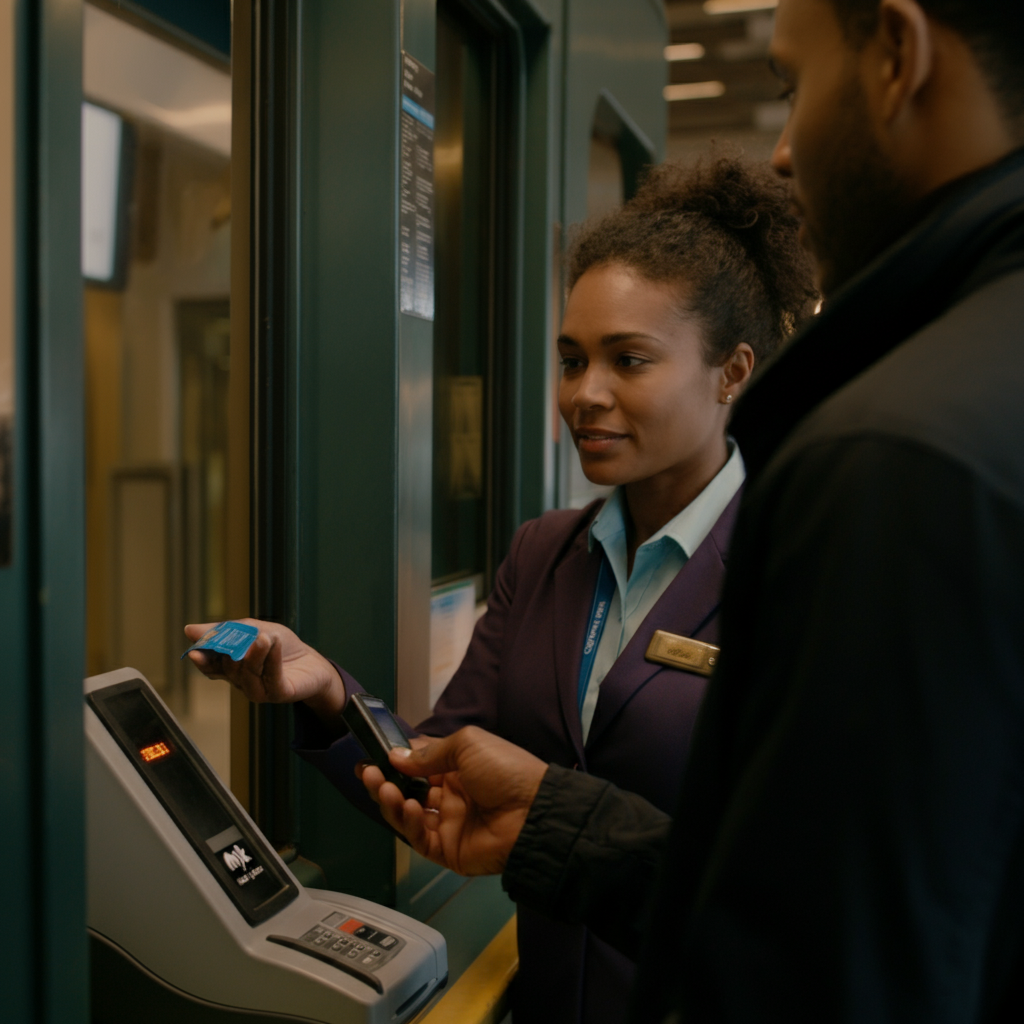
Step 4: Touching On Your Myki
Once you have a valid Myki, you must "touch on" as soon as you enter a train station (before boarding the train). All stations have Myki validators – look for the green Myki reader. Touching on validates your ticket for travel. Hold your Myki card over the hand symbol on the reader until you hear a beep and see a green light. Failure to touch on can result in a fine, even if you have a valid Myki with sufficient funds. Transport officers frequently conduct random ticket inspections.
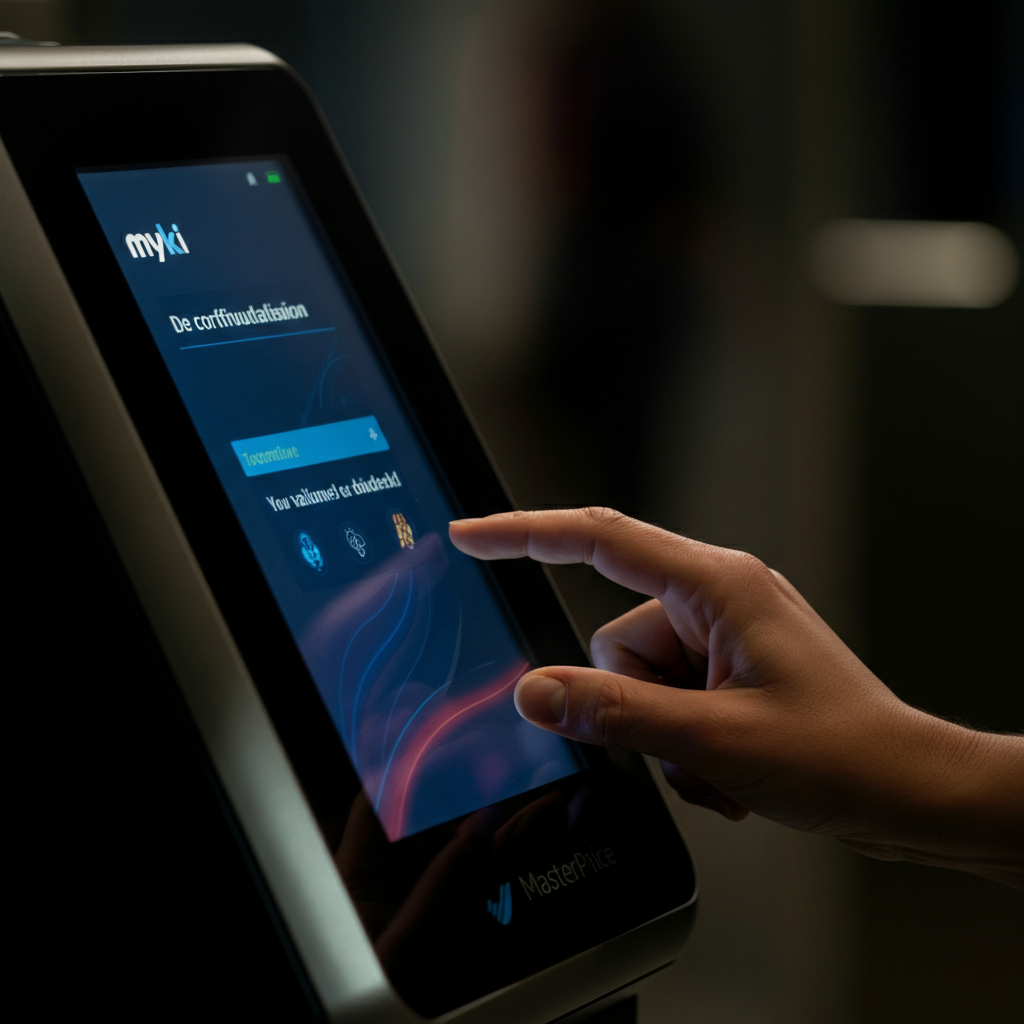
Step 5: Waiting on the Platform
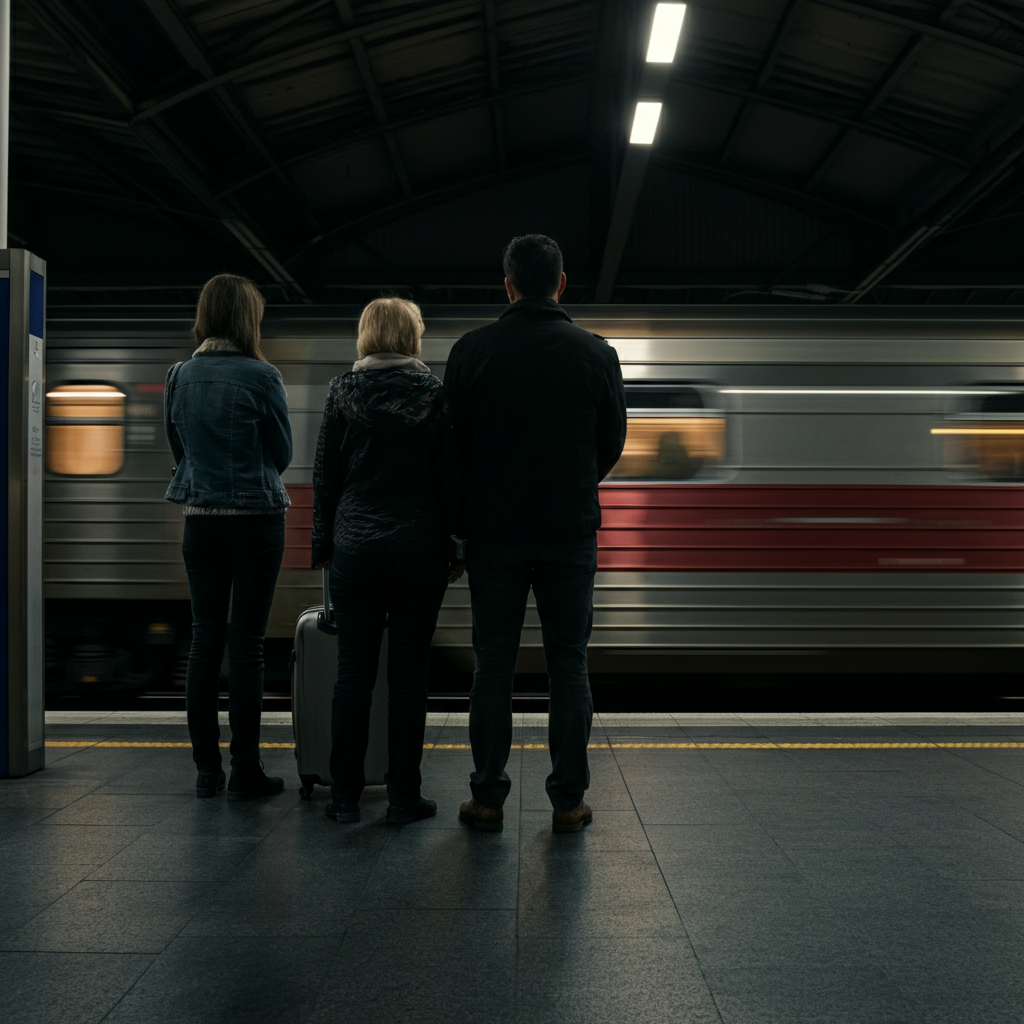
After touching on, proceed to the correct platform for your train. Wait in a calm and orderly manner behind the yellow line. Some stations have vending machines for snacks and drinks, and larger stations may have kiosks selling hot drinks and newspapers, particularly during peak hours. Pay attention to platform announcements and electronic displays for train arrival information.
Step 6: Using the Passenger Information Display Equipment (PRIDE) System
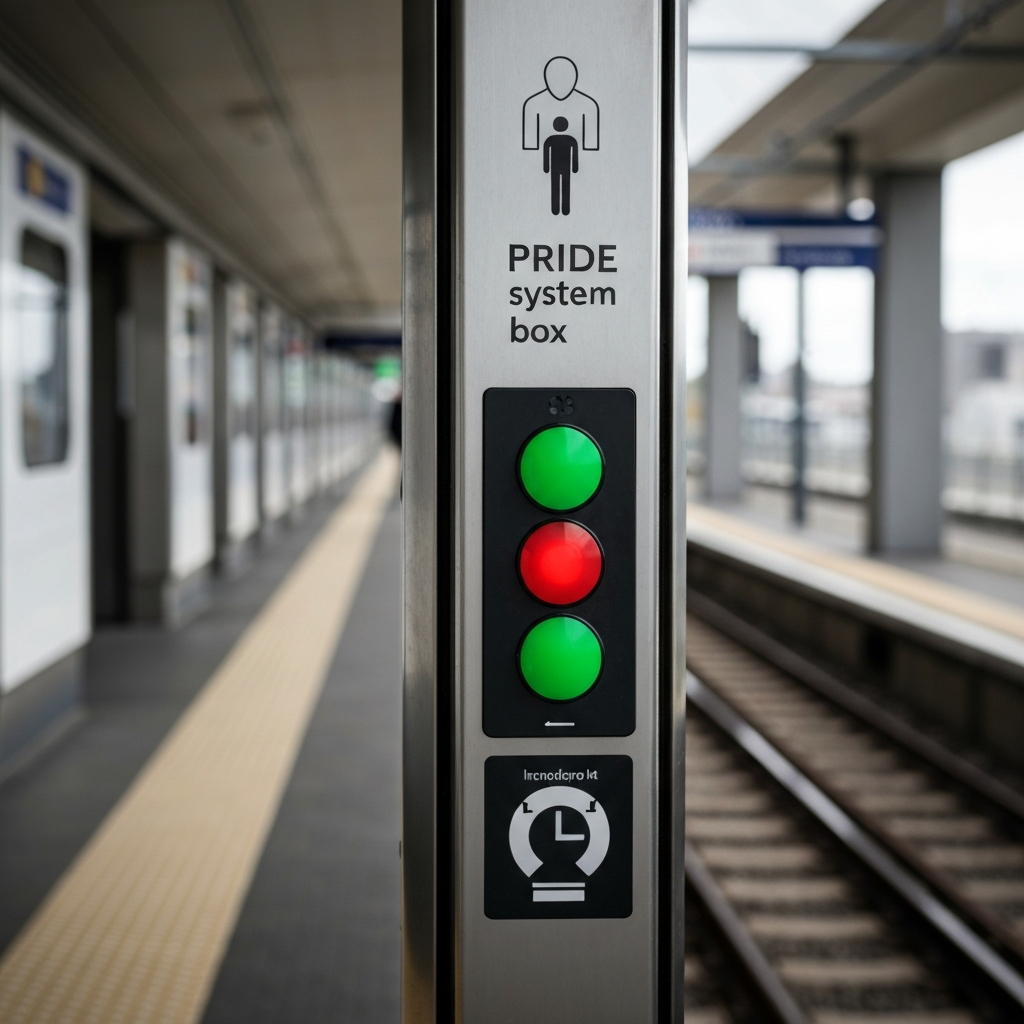
Most stations are equipped with a PRIDE system, indicated by a box with a green and a red button. Pressing the green button provides information about the next train. The red button should only be used in emergencies, as it connects you directly with an operator. It can also be used to alert train staff if something falls onto the tracks.
Step 7: Listening for Announcements
Approximately one minute before the train's arrival, the station's PA system will announce the train's arrival, including its destination and any relevant information (e.g., platform changes). Listen carefully to these announcements to ensure you board the correct train. Pay close attention during disruptions or trackwork, as announcements may deviate from the norm.

Step 8: Boarding the Train
When the train arrives and comes to a complete stop, wait behind the yellow line until the doors open. On older trains, you may need to open the doors manually. Newer trains have a button that automatically opens the doors when pressed. Always allow passengers to exit the train before attempting to board.
Step 9: Boarding Etiquette and Accessibility
Board the train in a calm and orderly manner. Wait for passengers to exit before entering. Watch the gap between the train and the platform. If you're traveling with a pram or wheelchair, stand at the designated accessibility zone at the front of the platform, marked with a yellow or white triangle. The train driver will deploy a ramp to assist you. You can also request assistance from the driver to disembark at your destination. Prioritize accessibility and assist those who need it.
Step 10: Disembarking the Train
When the train announces your destination station, gather your belongings and move towards the nearest door. On older trains, manually pull the doors open when you hear the chime. On newer trains, push the green flashing button when you hear the chime. Watch your step as you disembark, as there may be a gap between the platform and the train. If you require wheelchair assistance, the driver will deploy the ramp to help you off the train. Be mindful of other passengers and avoid blocking the doorway.
Step 11: Touching Off Your Myki
If you have a Myki, you must "touch off" at a Myki reader before leaving the train station. Hold your Myki card over the hand symbol on the green Myki reader until you hear a beep. The screen will display the fare deducted and your remaining balance. If you hear multiple beeps and see a red light, try again. If it still doesn't work, contact Myki on 13 6954 (13 Myki). Failing to touch off can result in a higher fare being charged to your Myki card.
Pro Tips
- Trains typically run between a terminus and the City Loop. The City Loop comprises five stations, and trains usually circulate around the loop before returning to the suburbs.
- Pay attention to the direction of travel within the City Loop. Trains may run clockwise or anti-clockwise, depending on the time of day.
- During peak hours, consider changing trains at Richmond (for eastern and southeastern lines) or North Melbourne (for northern and western lines) to save time.
- Many stations have "Safety Zones" or "Safety Areas" marked on the floor with yellow stripes. These areas are brightly lit, CCTV-monitored, and have quick access to emergency buttons.
- During nighttime hours, it may be safer to travel in the first carriage of the train where CCTV cameras are often present.
- Note that trains can be crowded during peak hours (weekdays, 7 am to 9:30 am and 3:30 pm to 6:30 pm).
Safety Considerations
- In an emergency on the train, use the intercom near the door to speak to the driver.
- At the station, press the red button on the PRIDE box to activate emergency procedures and speak to staff.
- If you drop something on the tracks, use the PRIDE box to alert staff.
- Be aware that some lines, such as the Frankston, Pakenham, and Sunbury/Werribee lines, can become rowdier further from the city, especially late at night.
Common Mistakes to Avoid
- Forgetting to touch on or touch off your Myki card.
- Boarding the wrong train due to not paying attention to announcements or destination displays.
- Blocking doorways or walkways with luggage or personal belongings.
- Disregarding safety warnings and instructions.
FAQ Section
- What happens if I lose my Myki card?
- If you have registered your Myki card, you can cancel it and transfer any remaining balance to a new card. Contact Myki customer service for assistance.
- How do I check my Myki balance?
- You can check your Myki balance at Myki machines, online through the Myki website, or by calling Myki customer service.
- Are there concession fares available?
- Yes, concession fares are available for eligible students, seniors, and other individuals. You may need to provide proof of eligibility.
- What if the Myki reader isn't working?
- If a Myki reader isn't working, try another one. If all readers are malfunctioning, inform a station staff member.
Conclusion
Riding a train in Melbourne is a relatively straightforward process once you understand the basics. From acquiring a Myki card to observing platform etiquette, this guide has provided you with the knowledge to navigate the system confidently. Remember to always touch on and touch off your Myki, listen to announcements, and prioritize safety. With these tips in mind, you can enjoy a smooth and efficient train journey across Melbourne.