Dreaming of stretching out in a spacious first-class seat, sipping champagne, and enjoying unparalleled comfort? For many, first-class travel seems like an unattainable luxury. However, with a bit of savvy planning and insider knowledge, it’s entirely possible to experience the premium cabin without paying a premium price. This guide unveils proven strategies for securing first-class upgrades while sticking to your economy budget.
Forget outdated notions of relying solely on charm or luck. The modern airline industry offers numerous pathways to upgrade, from leveraging loyalty programs to bidding on unsold seats. This isn't about hoping for the best; it's about strategically positioning yourself to take advantage of opportunities.
We'll explore the intricacies of airline reward systems, the nuances of last-minute deals, and even the art of negotiating when things don't go as planned. Get ready to elevate your travel experience – literally – without emptying your wallet.
Step 1: Maximize Your Miles and Points
The most straightforward route to a first-class upgrade is through airline miles and credit card points. Most airlines have a system for calculating the number of miles required, often providing calculators on their website. Before booking, check if the "upgrade using miles" option is available for your desired flight. Crucially, understand that not all tickets are eligible. Basic economy fares are often excluded from upgrades, so opt for a standard economy or premium economy ticket instead.
Step 2: Achieve Elite Flyer Status
Airline loyalty can pay off handsomely. By consistently flying with a single airline or alliance, you can climb the ranks of their elite status program. Elite members often receive complimentary upgrades as a perk. The higher your status tier, the better your chances of snagging that coveted first-class seat. These upgrades are not always automatic; some airlines require you to call in advance or request the upgrade online. Remember, at the highest status levels, your chance of a complimentary upgrade significantly increases.
Step 3: Check In Online as Early as Possible
Early bird gets the upgrade. While not always a guaranteed strategy, checking in online the moment the window opens (usually 24 hours before departure) can increase your chances of a complimentary upgrade. Airlines often prioritize upgrades based on check-in time. Selecting your seat during check-in won't hurt your chances, and flying solo can also improve your odds. Think of it as getting in line early for a limited-quantity item.
Step 4: Consider a Last-Minute Upgrade Purchase
Airlines are keen to fill every seat, including those in the first-class cabin. As departure approaches, unsold first-class seats become opportunities for discounted upgrades. Inquire about upgrade prices at the check-in counter or gate. Be prepared to negotiate – airlines might be willing to offer a better deal than advertised. This is a gamble, as availability is not guaranteed, but it can be a cost-effective way to elevate your experience if seats remain open.
Step 5: Bid for an Upgrade
Some airlines, particularly budget carriers, operate a bidding system for first-class upgrades. Closer to your departure date, you may receive an email inviting you to participate. You'll be prompted to bid against other passengers for available seats. These auctions are often blind, so bid competitively, but stay within your budget. You'll typically find out 24-48 hours before the flight if your bid was successful.
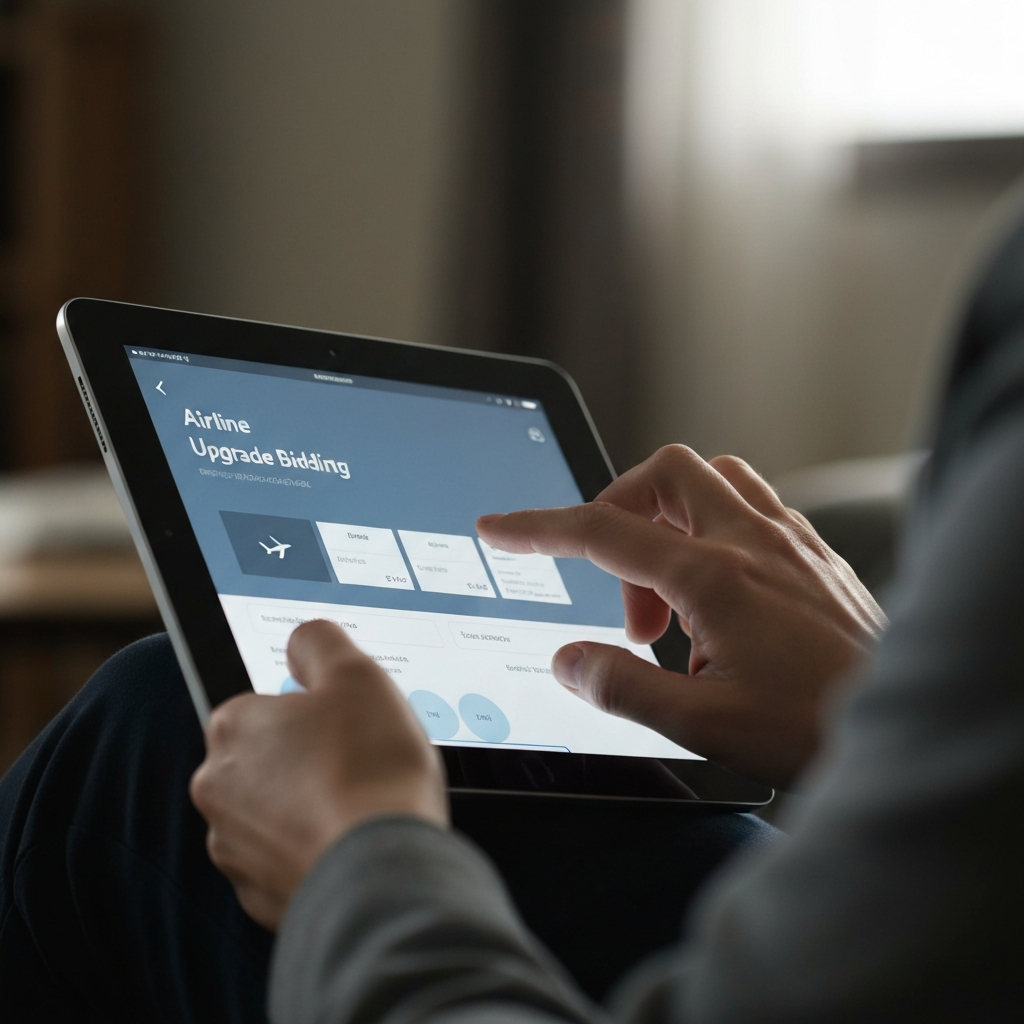
Step 6: Volunteer on Overbooked Flights
If your flight is oversold, airlines often seek volunteers to take a later flight. This presents an opportunity to negotiate for an upgrade on your next flight. Express your willingness to give up your seat in exchange for a guaranteed first-class seat on a subsequent flight that still meets your travel needs. Be specific about your requirements, such as arrival time, when negotiating. "I'd be happy to give up my seat if you can guarantee me a first-class seat on a flight arriving at my destination before noon tomorrow."
Step 7: Be Flexible with Dates and Airports
Flexibility is key to finding the best deals, including upgrades. Experiment with different departure dates and airports. Sometimes, flying from a nearby airport can significantly reduce the cost of a first-class ticket or upgrade. Consider flying midweek or outside of peak travel seasons for better prices. A slight adjustment to your itinerary can yield substantial savings. For example, flying out of a smaller regional airport rather than a major hub might offer cheaper options.
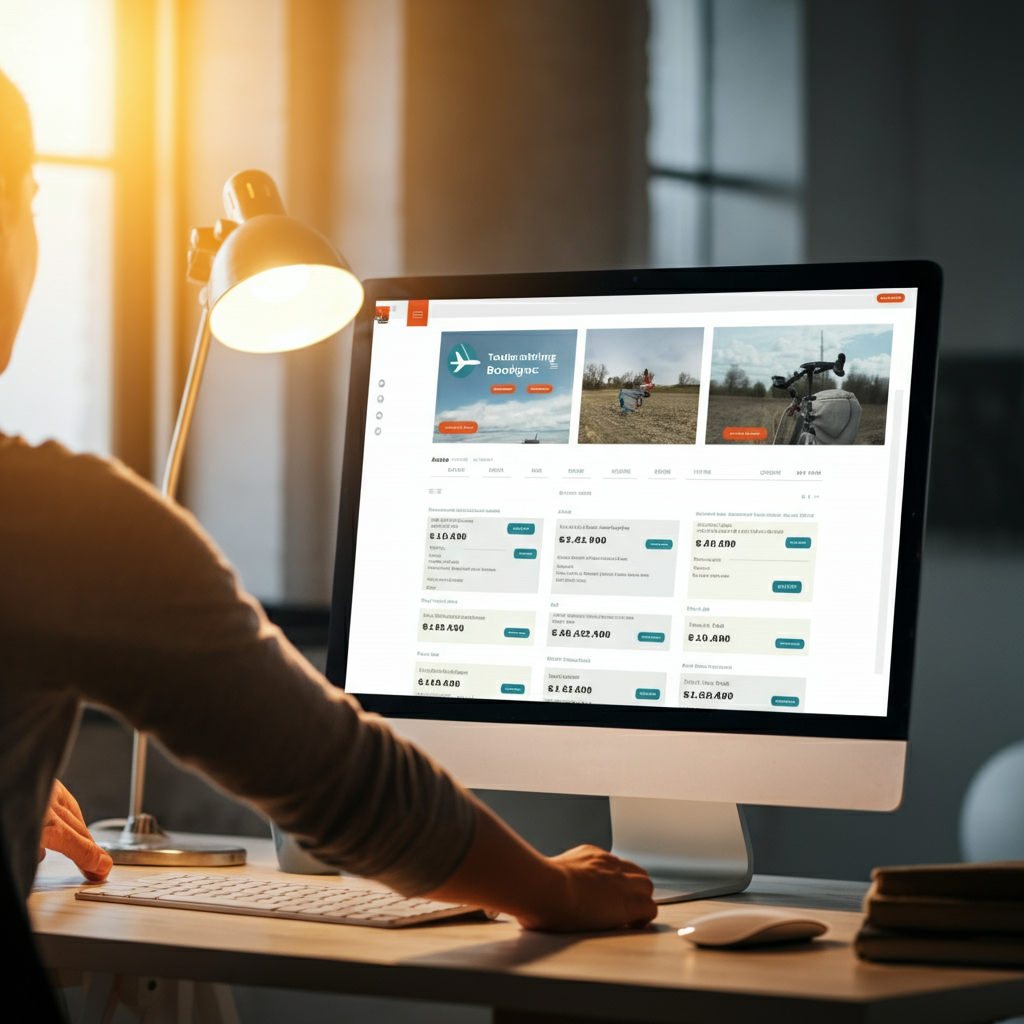
Step 8: The Art of Polite Inquiry
While not as reliable as other methods, it never hurts to politely inquire about a free upgrade at check-in. Dress presentably, be friendly, and arrive early. Remember, courtesy goes a long way. Be prepared for the possibility of a "no," as airlines increasingly rely on electronic systems for upgrades. You might say: "I know it's a long shot, but are there any complimentary first-class upgrades available today?"
Step 9: Track Flight Deals and Subscribe to Alerts
Many websites and social media accounts specialize in tracking flight deals, including discounted first-class fares. Subscribe to newsletters and follow relevant accounts to stay informed about opportunities. Some good options include FirstClassFlyer.com and Twitter accounts dedicated to flight deals. Leveraging these resources saves you time and effort in searching for deals yourself.
Step 10: Capitalize on Travel Tuesday and Holiday Sales
Keep an eye out for special sales events like Travel Tuesday, Black Friday, and Cyber Monday. Airlines often offer significant discounts on flights and upgrades during these periods. Planning your travel around these sales can result in substantial savings on first-class fares. Be ready to book quickly, as these deals tend to be time-sensitive.
Common Mistakes to Avoid
A common mistake is assuming all economy tickets are upgradeable. Always verify upgrade eligibility before booking. Another pitfall is bidding too low in upgrade auctions; research average prices to ensure your bid is competitive. Don't be afraid to negotiate, but always be respectful and polite. Finally, neglecting to join airline loyalty programs is a missed opportunity for accruing miles and points that can be used for upgrades.
Pro Tips
Travel during off-peak seasons and on less popular routes to increase your chances of upgrades and lower fares. Consider connecting flights, as they are often cheaper than direct flights. When flying with a companion, one of you can request an upgrade and, if successful, request that the other person be upgraded as well. Remember, timing is everything; monitor flight prices and upgrade availability regularly.
FAQ Section
Q: Can I upgrade with miles if I booked through a third-party site? A: It depends on the airline's policy. Some airlines only allow upgrades on tickets booked directly through their website or app.
Q: Is it better to buy miles or pay for an upgrade with cash? A: Compare the cost of each option. Sometimes buying miles can be cheaper, but other times it's more cost-effective to pay for the upgrade directly.
Q: What if all first-class seats are booked? A: Unfortunately, you won't be able to upgrade. This is why flexibility and last-minute deals can be risky.
Conclusion
Flying first class for the price of economy requires a proactive and strategic approach. By understanding airline loyalty programs, leveraging miles and points, monitoring flight deals, and employing negotiation skills, you can significantly increase your chances of experiencing premium travel without breaking the bank. Remember, patience, persistence, and a little bit of research are your greatest assets. So go ahead, start planning your next luxurious adventure!