Understanding your chakras can be a powerful tool for self-discovery and well-being. Chakras are energy centers within your body that influence your physical, emotional, and spiritual health. When these energy centers are balanced, you feel grounded, creative, confident, loving, expressive, intuitive, and connected to your purpose. However, blockages or imbalances in these chakras can manifest as various issues in your life.
A chakra test, whether a self-assessment or guided meditation, helps identify potential imbalances. It's not a diagnostic tool, but rather a guide to areas in your life where you might benefit from focused attention and healing practices. These tests can reveal which chakras need support, offering insights into recurring patterns of thought, emotion, or physical sensation. From there, you can begin to explore specific practices to restore harmony and flow.
This guide provides a step-by-step approach to performing a chakra test and understanding the results. By exploring different testing methods and learning to interpret the signals your body and mind provide, you can gain valuable insight into your overall well-being. Remember that this is a journey of self-discovery, and the more attuned you become to your energy centers, the better you can support your health and happiness.
There are different ways to approach a chakra test, from answering guided questions to using a pendulum. This guide will focus on a self-assessment through a series of reflective questions, as it is a safe and accessible starting point for most individuals. Always listen to your intuition and seek guidance from a qualified practitioner if you feel overwhelmed.
Step 1: Prepare Your Environment and Mindset
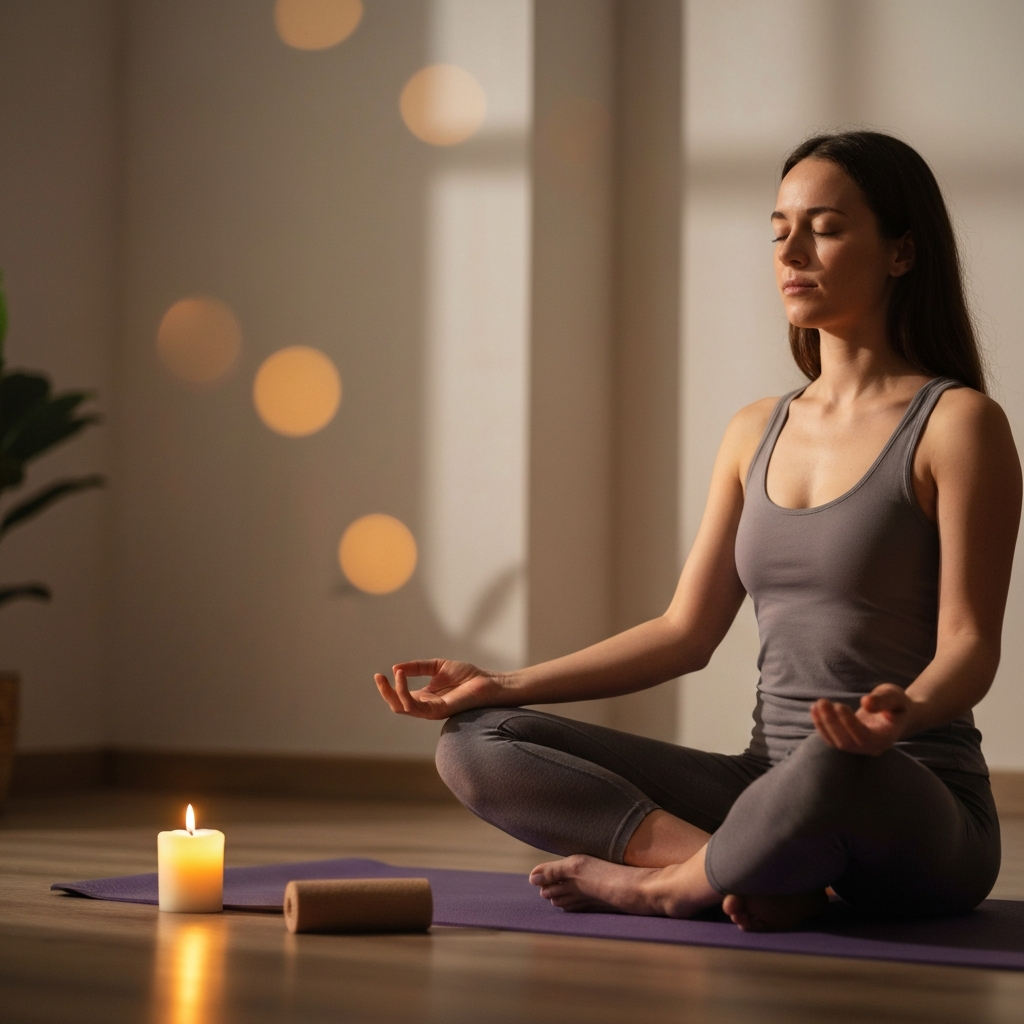
Before you begin, create a quiet and comfortable space where you can focus without distractions. Turn off your phone, dim the lights, and perhaps light a candle or play calming music. Take a few deep breaths to center yourself and release any tension you may be holding. The goal is to enter a state of relaxed awareness where you can honestly assess your thoughts, feelings, and physical sensations. Approaching the test with a curious and open mind, rather than a judgmental one, will yield the most accurate and helpful results. Remember, there are no "right" or "wrong" answers – only insights to be gained.
Step 2: The Root Chakra (Muladhara) Assessment
The Root Chakra is associated with your sense of grounding, security, and survival. Ask yourself the following questions and honestly reflect on your answers: Do I feel safe and secure in my life? Am I financially stable? Do I trust my body and its ability to support me? Do I feel connected to the earth and my surroundings? If you answered "no" to several of these questions, it may indicate an imbalance in your Root Chakra. Physical symptoms of a blocked Root Chakra can include fatigue, lower back pain, and problems with your legs or feet. Spend some time reflecting on the root of your insecurities and what you can do to foster a stronger sense of stability in your life.

Step 3: The Sacral Chakra (Svadhisthana) Assessment
The Sacral Chakra governs your creativity, sexuality, and emotional well-being. Reflect on these questions: Do I allow myself to experience pleasure and joy? Am I comfortable expressing my emotions? Do I feel creatively blocked? Do I have healthy boundaries in my relationships? A "no" response to these questions could signal an imbalance. A blocked Sacral Chakra might manifest as emotional instability, creative stagnation, or issues with intimacy. Consider exploring creative outlets and practicing self-compassion to unlock this energy center.

Step 4: The Solar Plexus Chakra (Manipura) Assessment
This chakra is the center of your personal power, self-esteem, and confidence. Consider these prompts: Do I believe in myself and my abilities? Do I feel confident in my decisions? Do I tend to be overly critical of myself or others? Do I assert myself in healthy ways? If you are struggling in these areas, your Solar Plexus Chakra may be calling for attention. Physical signs can include digestive issues, fatigue, and a lack of motivation. Focus on building self-esteem and taking actions that empower you.

Step 5: The Heart Chakra (Anahata) Assessment
The Heart Chakra is the center of love, compassion, and forgiveness, both for yourself and others. Reflect on these questions: Do I feel open to giving and receiving love? Am I able to forgive myself and others? Do I hold onto resentment or anger? Do I feel connected to others and the world around me? Difficulty with these questions may indicate an imbalance in the Heart Chakra. Difficulty breathing, chest pain, or feelings of isolation can be physical manifestations. Practice self-love, compassion, and acts of kindness to open this chakra.

Step 6: The Throat Chakra (Vishuddha) Assessment
The Throat Chakra is all about communication, self-expression, and truth. Consider these questions: Do I feel comfortable expressing my thoughts and feelings? Do I speak my truth, even when it's difficult? Do I feel heard and understood by others? Am I a good listener? A "no" response to these might suggest a blocked Throat Chakra. Physical symptoms can include sore throats, neck pain, and difficulty speaking or being heard. Practice speaking your truth with kindness and clarity, and actively listen to others.

Step 7: The Third Eye Chakra (Ajna) Assessment
The Third Eye Chakra governs intuition, insight, and psychic abilities. Consider these prompts: Do I trust my intuition? Am I open to new ideas and perspectives? Do I have a clear vision for my future? Do I struggle with decision-making? If you find yourself doubting your intuition or lacking clarity, your Third Eye Chakra may need balancing. Headaches, eye strain, and difficulty concentrating can be physical indicators. Practice meditation and visualization to strengthen your intuition.
Step 8: The Crown Chakra (Sahasrara) Assessment
The Crown Chakra represents your connection to the divine, spirituality, and higher consciousness. Reflect on these: Do I feel connected to something larger than myself? Do I have a sense of purpose and meaning in my life? Am I open to spiritual experiences? Do I feel a sense of unity with all beings? Difficulty answering these questions affirmatively may suggest a need to nurture your Crown Chakra. Feelings of isolation, confusion, and lack of direction can indicate a blockage. Engage in spiritual practices, meditation, and acts of service to connect with your higher self.

Tools or Materials Required
- A quiet and comfortable space
- A journal and pen (optional, for recording reflections)
- Calming music or nature sounds (optional)
Common Mistakes to Avoid
- Being overly critical of yourself
- Rushing through the process
- Ignoring your intuition
- Treating the test as a definitive diagnosis
- Only focusing on the negative aspects – acknowledge your strengths too!
Pro Tips
- Repeat the chakra test periodically to track your progress and identify any new imbalances.
- Combine the self-assessment with other methods, such as guided meditations or working with a qualified chakra healer.
- Use your results as a starting point for deeper exploration and healing practices.
FAQ Section
- Is a chakra test a substitute for medical advice?
- No. A chakra test is a tool for self-awareness and should not be used as a replacement for professional medical or psychological advice. If you are experiencing physical or mental health issues, consult a qualified healthcare provider.
- How often should I take a chakra test?
- You can take a chakra test as often as you feel is beneficial. Some people find it helpful to do a monthly check-in, while others prefer to do it when they feel particularly imbalanced.
- Can I balance my chakras on my own?
- Yes, there are many things you can do to balance your chakras on your own, such as meditation, yoga, affirmations, and spending time in nature. However, if you are struggling to balance your chakras on your own, consider seeking guidance from a qualified practitioner.
Conclusion
Performing a chakra test is a valuable step toward understanding your energy centers and improving your overall well-being. By taking the time to reflect on your thoughts, feelings, and physical sensations, you can gain insights into potential imbalances and begin to explore healing practices that support your health and happiness. Remember that this is a journey of self-discovery, and the more attuned you become to your energy centers, the better you can navigate life's challenges and live a more fulfilling life. Embrace the process, be patient with yourself, and trust your intuition.