The appearance of the skin under the chin can significantly impact one's overall facial aesthetic. Sagging skin, often referred to as "turkey neck," or excess fat accumulation, commonly known as a "double chin," are frequent concerns. These issues are often attributed to aging, genetics, and lifestyle factors, and can lead to feelings of self-consciousness. Fortunately, a variety of methods, ranging from simple exercises to advanced cosmetic procedures, can effectively address these concerns and restore a more youthful and defined jawline.
This comprehensive guide provides a step-by-step approach to tightening the skin under the chin, incorporating insights from dermatologists and plastic surgeons. We will explore exercises to tone the underlying muscles, topical treatments to improve skin elasticity, and non-invasive and surgical procedures for more dramatic results. Understanding the underlying causes of sagging skin is crucial for selecting the most appropriate treatment plan. By the end of this guide, you'll have a clear understanding of the available options and how to choose the best approach for your individual needs.
Before embarking on any treatment, it is essential to set realistic expectations and consult with a qualified healthcare professional. While some methods offer gradual improvements, others provide more immediate and noticeable changes. Remember, consistency and adherence to the chosen treatment plan are key to achieving optimal results. We aim to empower you with the knowledge and resources to make informed decisions and regain confidence in your appearance.
Step 1: Perform Chin Tucks
Chin tucks are a simple yet effective exercise to tone the muscles around your chin and jawline. This exercise can be performed discreetly throughout the day and requires no special equipment. It focuses on strengthening the platysma muscle, which is a broad, thin muscle that extends from the chest and shoulders to the jaw and face. Regular chin tucks can improve posture and reduce the appearance of sagging skin.
- Sit or stand with good posture.
- Keep your head level and look straight ahead.
- Gently pull your head and neck backward, keeping your chin level. Imagine you are trying to create a double chin.
- Hold this position for 5-10 seconds, feeling the muscles in your neck contract.
- Slowly relax and return to the starting position.
- Repeat this exercise 10-15 times, 2-3 times per day.
Practical Tip: Focus on maintaining proper posture throughout the exercise. Avoid tilting your head up or down, as this can strain your neck muscles. Common Mistake: Holding your breath during the exercise. Remember to breathe deeply and evenly throughout the movement.

Step 2: Practice Ceiling Kisses
Ceiling kisses are another effective exercise that targets the muscles in your chin and neck. This exercise helps to strengthen the muscles around your lips, which in turn can improve the overall appearance of your lower face. Regular practice can improve the definition of your jawline and reduce the appearance of fine lines around your mouth. Ensure a slow and controlled movement to avoid straining your neck.
- Sit or stand up straight, with your shoulders relaxed.
- Tilt your head back, looking up towards the ceiling.
- Pucker your lips as if you are trying to kiss the ceiling, extending your lower jaw slightly.
- Hold this position for 5-10 seconds, feeling the stretch in your neck and chin muscles.
- Relax your lips and return your head to the starting position.
- Repeat this exercise 15-20 times, twice a day.
Practical Tip: If you experience any discomfort in your neck, reduce the range of motion or stop the exercise. Common Mistake: Tensing your shoulders while performing the exercise. Keep your shoulders relaxed to prevent unnecessary strain.

Step 3: Stick Out Your Tongue
This exercise might seem silly, but it can be surprisingly effective in toning your chin and neck muscles. By extending your tongue, you engage the muscles in your neck and lower jaw, which can contribute to a more defined and toned appearance. This exercise is particularly beneficial for individuals who spend a lot of time sitting or looking down. It helps counteract the effects of gravity and maintain muscle tone.
- Stand or sit with your head facing forward.
- Open your mouth wide.
- Stick your tongue out as far as you can, pointing it towards your chin.
- You should feel a stretch in your chin and neck muscles.
- Hold this position for 10 seconds.
- Relax and repeat 10 times daily.
Practical Tip: Ensure you are only feeling a slight stretch, and not any pain. If you feel pain, reduce how far you stick out your tongue. Common Mistake: Straining the muscles in your face or neck. Focus on controlled and deliberate movements.

Step 4: Neck Rotations
Neck rotations are a gentle exercise that helps to improve flexibility and tone the muscles in your neck. Improved flexibility can reduce tension and contribute to a more youthful appearance. This exercise is particularly useful for individuals who experience stiffness or discomfort in their neck muscles. It's crucial to perform this exercise slowly and deliberately to avoid injury.
- Sit or stand up straight with your shoulders relaxed.
- Gently lower your chin towards your chest.
- Slowly rotate your head in a clockwise circle, moving your ear towards your shoulder and then towards your back.
- Complete one full rotation and then repeat in the opposite (counter-clockwise) direction.
- Repeat this exercise 5-10 times in each direction, once a day.
Safety Considerations: If you have any pre-existing neck conditions or experience pain during this exercise, consult with a healthcare professional before continuing. Common Mistakes to Avoid: Rotating your head too quickly or forcefully. This can strain your neck muscles and lead to injury.

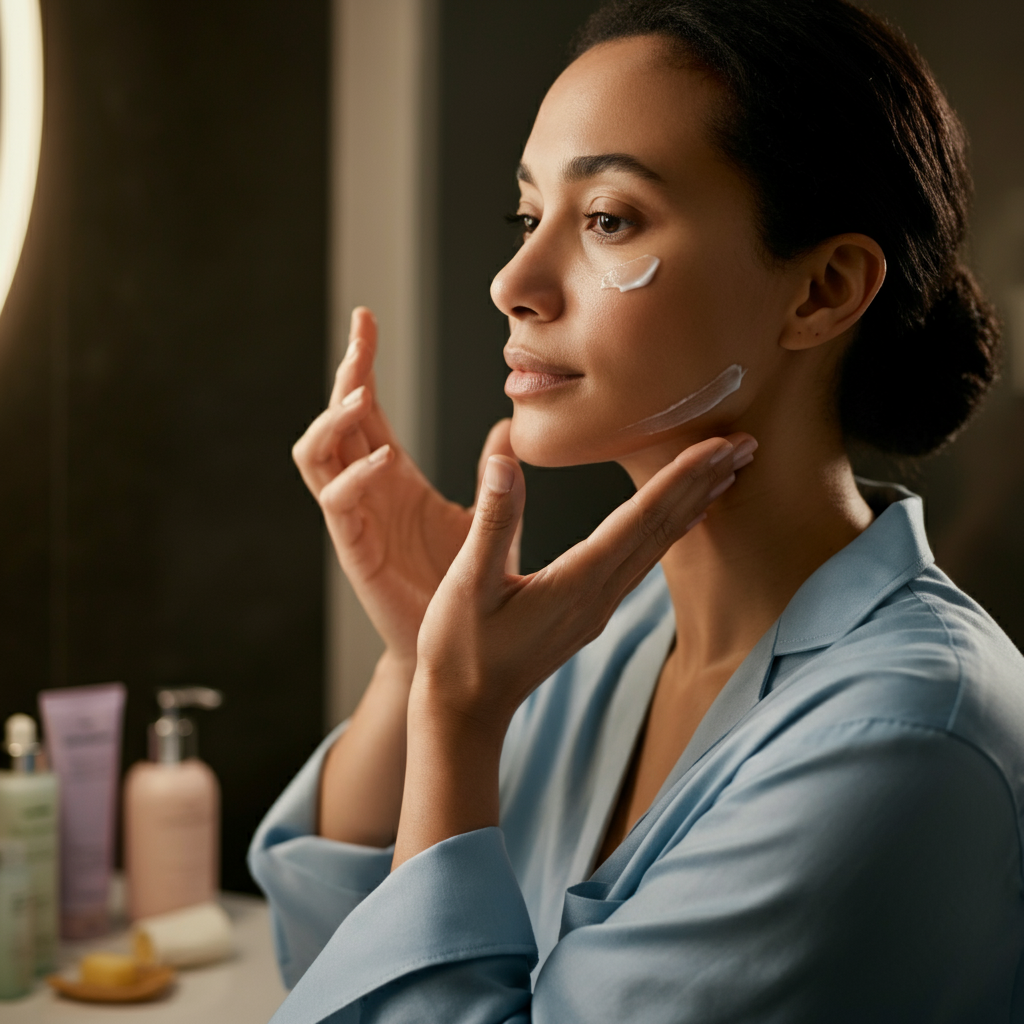
Step 5: Use Topical Creams with N-Acetyl Glucosamine
N-acetyl glucosamine is a derivative of glucosamine, a natural compound found in cartilage. It is believed to stimulate the production of hyaluronic acid, a substance that helps to hydrate and plump the skin. Creams containing N-acetyl glucosamine may help to improve skin firmness and reduce the appearance of fine lines and wrinkles. Look for products with a concentration of up to 10% N-acetyl glucosamine.
Pro Tip: Always perform a patch test before applying any new cream to your face. Apply a small amount of the cream to a discreet area of your skin and wait 24 hours to see if any irritation occurs. Consistency is key when using topical creams. Apply the cream regularly, as directed, to see the best results.
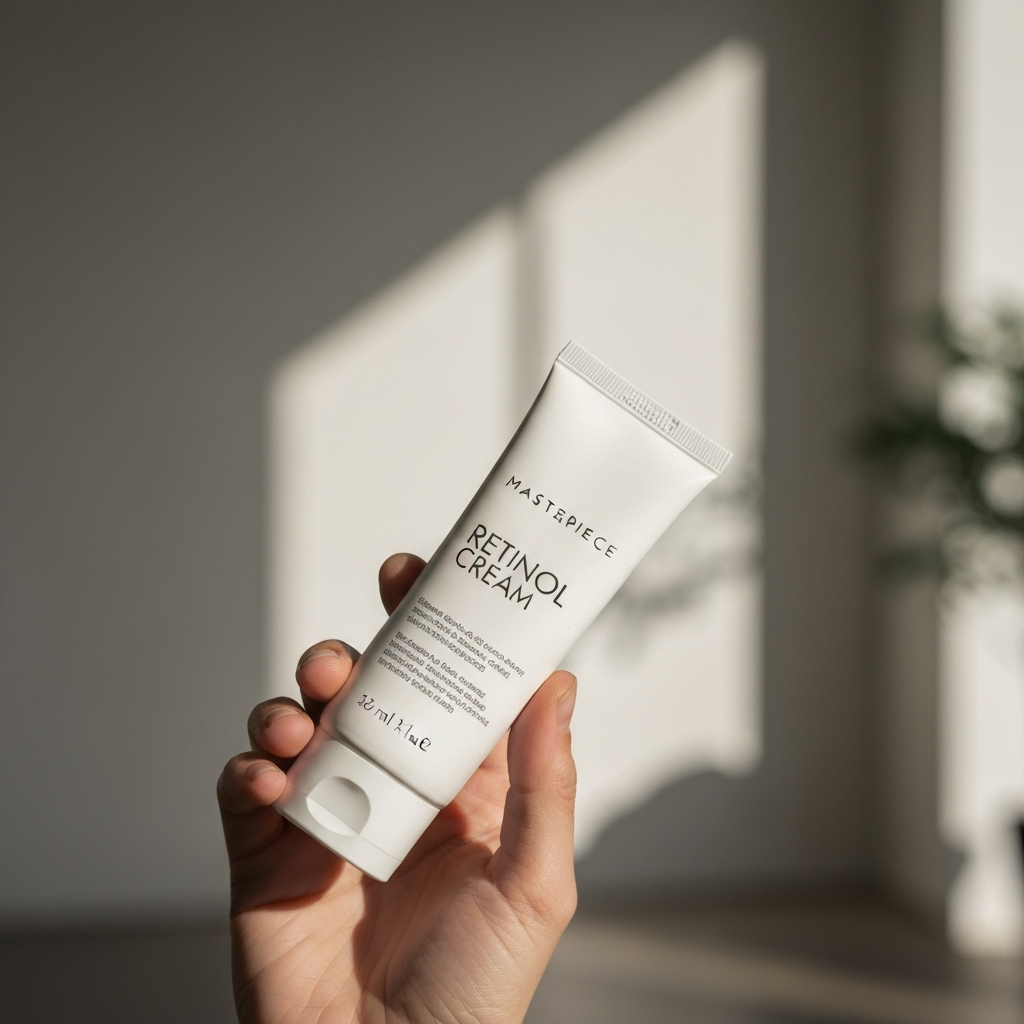
Step 6: Consider Retinol Creams
Retinol is a derivative of vitamin A that is known for its ability to stimulate collagen production and improve skin cell turnover. While over-the-counter retinol creams may not provide dramatic results, they can help to improve skin texture and reduce the appearance of fine lines and wrinkles over time. Start with a low concentration of retinol and gradually increase it as your skin becomes more tolerant. A Board Certified Dermatologist, Dr. Kaveri Karhade, suggests that starting with an over-the-counter retinol is a good idea for most people.
Safety Considerations: Retinol can cause skin irritation, dryness, and peeling. It is important to start with a low concentration and gradually increase it as your skin becomes more tolerant. Avoid using retinol creams in conjunction with other potentially irritating ingredients, such as AHAs or BHAs. Always wear sunscreen during the day when using retinol, as it can increase your skin's sensitivity to the sun.
FAQ Section
- How long does it take to see results from these methods?
- The timeline varies depending on the method used and individual factors such as age and skin type. Exercises and topical creams typically require several weeks or months of consistent use to see noticeable results. Non-invasive and surgical procedures may provide more immediate results.
- Are there any side effects associated with these treatments?
- The side effects vary depending on the treatment. Exercises are generally safe, but it's essential to listen to your body and stop if you experience any pain. Topical creams may cause skin irritation or dryness. Non-invasive and surgical procedures carry a risk of complications such as infection, scarring, and nerve damage.
- Can I combine different methods to tighten skin under my chin?
- In many cases, combining different methods can provide synergistic benefits. For example, you may combine exercises with topical creams or non-invasive procedures. However, it's essential to consult with a healthcare professional to ensure that the chosen combinations are safe and appropriate for your individual needs.
Conclusion
Tightening the skin under your chin requires a comprehensive approach that considers your individual needs and goals. From simple exercises to advanced cosmetic procedures, a range of options are available to address sagging skin and double chins. By understanding the underlying causes of these concerns and carefully selecting the most appropriate treatment plan, you can achieve a more youthful and defined jawline and regain confidence in your appearance. Remember to consult with a qualified healthcare professional before embarking on any treatment and to maintain realistic expectations. With consistency and dedication, you can achieve the results you desire.