Dimples, those adorable indentations on the cheeks, are often perceived as a sign of beauty and youthfulness. Genetically, they're caused by a slight variation in the facial muscles. While not everyone is born with them, there are several methods you can try to achieve the appearance of dimples naturally, or at least simulate them effectively. This guide explores various techniques, from facial exercises and makeup tricks to more permanent solutions like piercings, providing a comprehensive overview of how to get dimples, or the illusion thereof.
It's important to understand that the success of these methods varies from person to person. Facial exercises, in particular, are not scientifically proven to create permanent dimples, but many individuals believe they can help tone the cheek muscles and make them more prominent. Makeup techniques, on the other hand, offer a quick and temporary fix for special occasions. For those seeking a more lasting solution, dimple piercings are an option, but they come with their own set of considerations and risks.
Ultimately, the decision of how to pursue dimples is a personal one. This guide aims to provide you with all the necessary information to make an informed choice, weighing the pros and cons of each method and offering practical tips for achieving the best possible results. Whether you're looking for a subtle enhancement or a more dramatic transformation, this guide will help you navigate the world of dimple creation safely and effectively.
Step 1: Performing Dimple Exercises
Facial exercises are a non-invasive method to potentially stimulate the cheek muscles and encourage the formation of dimples. This involves a series of repetitive movements and pressure application. While there's no guarantee of permanent results, consistent practice might lead to subtle changes in your facial structure, making dimples more noticeable.
1.1. Pucker Your Lips and Suck Your Cheeks In
Begin by making a "sour face." Pucker your lips as if you've just tasted something extremely tart. Simultaneously, suck in your cheeks. Your lips should form a slight pout, and your cheeks should indent inwards. Make sure your teeth aren't clenched together, which can hinder the cheek-sucking action. The deepest part of the indentation should be roughly halfway between the front and back of your mouth, between your top and bottom teeth. Don't overdo it – aim for a comfortable, controlled contraction of your cheek muscles.

1.2. Press and Hold the Indentations
Once your cheeks are sucked in, locate the deepest point of the indentations on each cheek. Gently press down on these spots with your index fingers. Maintain a firm, but not painful, pressure. You can also use your thumbs or the rounded end of a pencil for a more focused application. The key is to keep your fingers or tool fixed on these spots as you prepare to move your mouth into a smile.

1.3. Smile and Reposition Fingers if Necessary
Gradually transition from the puckered expression to a wide, open-mouthed smile. Keep your fingers firmly fixed on the same spots on your face. As you smile, your fingers should naturally reposition themselves near the corners of your smile, where dimples would typically appear. Use a mirror to check the positioning. If your fingertips seem slightly off, gently slide them across your cheeks until they are in the desired location for your dimples.

1.4. Continue Pressing for 30 Minutes or More
To potentially train your cheeks to form more lasting dimples, continue firmly holding the indentations in place for at least 30 minutes each day. The longer you can sustain the pressure, the better your chances of seeing results. You can break this up into shorter intervals if needed, but consistency is key. It's important to note this is not a quick fix. In the past, mechanical devices were marketed to create dimples through consistent pressure, but their effectiveness was never scientifically proven. This exercise mimics that concept.

1.5. Repeat Daily
Consistency is crucial with facial exercises. Repeat the 30-minute dimple "exercises" on a daily basis for several weeks. It might take a month or more to notice any lasting effects. If you don't see any results after a month of consistent practice, it may be best to move on to other methods. As this technique is based on anecdotal evidence, its effectiveness is not guaranteed for everyone.

Step 2: Mimicking Natural Dimples with Makeup
Makeup is a fantastic way to create the illusion of dimples temporarily. This technique relies on contouring and shading to add depth and dimension to your cheeks, mimicking the appearance of natural dimples. It's a quick and easy solution for photoshoots or special events, but it may not look as convincing in all lighting conditions or during close interactions.
2.1. Smile Wide!
Start by looking in a mirror and smiling a wide, but natural smile. This will help you identify the natural creases that form outside your mouth. Your "dimples" should be placed just outside these creases, starting roughly around the area just above the upper points of your lips. Avoid an unnatural, forced smile; aim for a genuine, relaxed expression to determine the best placement.

2.2. Mark the Tops of Your New Dimples
Dimples usually appear as short lines or slight crescent shapes. Using a dark brown pencil eyeliner or eyebrow pencil, make a small dot at the top of where you want your dimple line to begin. Dark brown is preferable because it blends more naturally with the skin. Avoid using black or colored eyeliner, as they can look too harsh and artificial. Consider using a matte formula for a more realistic effect.

2.3. Draw a Small Crescent Moon Shape on Your Cheek
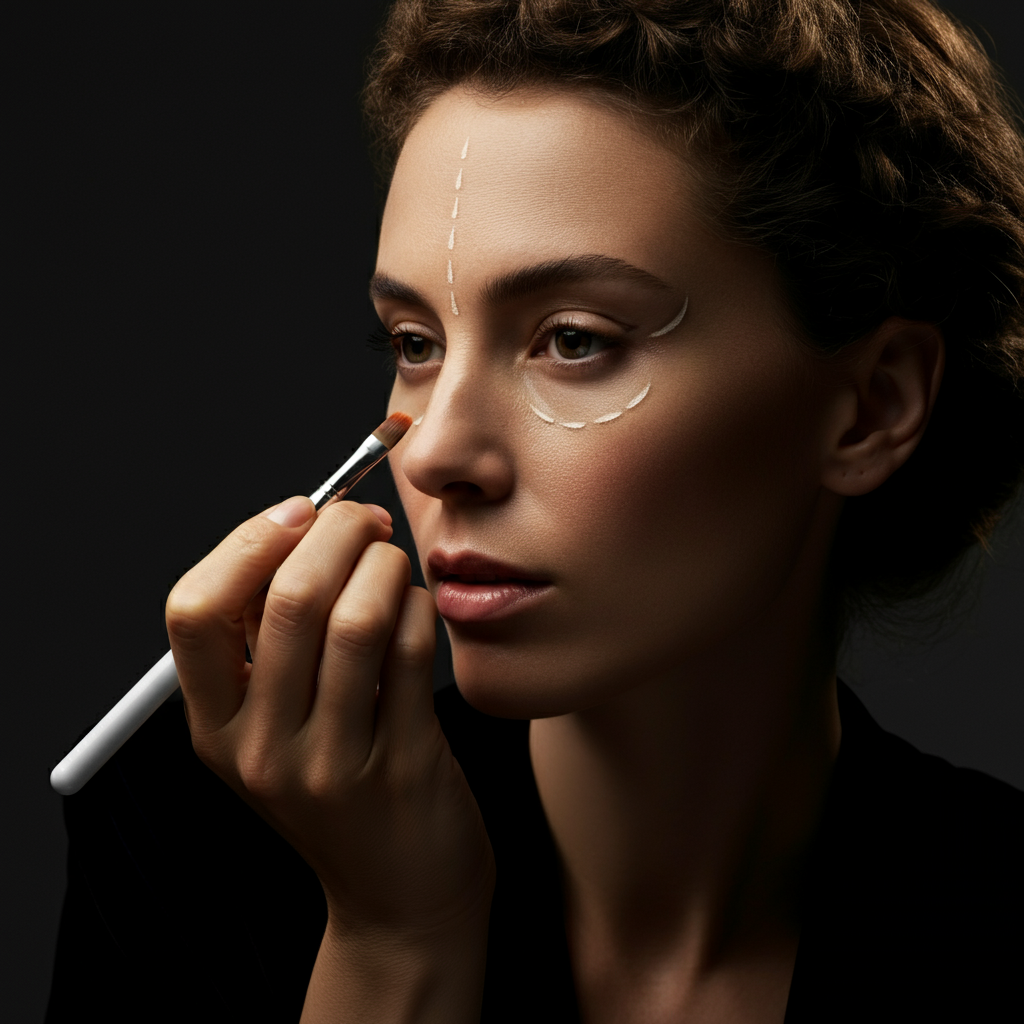
With the tops of your dimples marked, relax your mouth. Using the same eyeliner or eyebrow pencil, draw a small, slightly curved line starting at the dot you marked. The line should extend no further than 1 inch (2.5 cm) below the dot. It should be just barely curved, slightly straighter than the curve of a fingernail. Avoid making the line too long or too curved, as this will look unnatural. Keep the line subtle and understated.
2.4. Blend and Re-Draw as Necessary
Now that your dimples have been drawn on, you need to adjust your makeup so that the final product appears subtle and natural. Use your fingers or a smudge stick to blend the line into your skin. Rub the line up and down rather than side to side, which can smear the makeup. You may need to draw over the line and blend it in several times to achieve the desired darkness. Remember, the goal is to create a subtle shadow that mimics a natural indentation.
2.5. Smile to Check Your Results
Critique your new dimples in the mirror. Are they even? Are they too dark? Not dark enough? Do your dimples look unnatural in certain types of lighting? Experiment with different angles and lighting conditions to ensure your makeup looks flawless. If anything seems off, don't hesitate to wash it off and try again. Practice makes perfect, so don't be discouraged if your first attempt isn't perfect. Pay attention to how your makeup looks both in natural and artificial light.
Step 3: Mimicking Natural Dimples with Dimple Piercings
Dimple piercings are a more permanent way to create the appearance of dimples. This procedure involves piercing the skin and muscle in the cheek area and inserting jewelry to create a permanent indentation. It's a significant decision and should be approached with caution, as it carries risks such as infection, nerve damage, and scarring.
3.1. Go to a Professional Piercer
Like all piercings, cheek piercings carry a risk of infection if performed without regard for proper sanitation. Do not attempt to perform a cheek piercing at home. Only go to reputable, qualified professionals, ones that have the training and tools necessary to minimize your risk of infection or complication. Most professional body piercers will refuse to perform a dimple piercing on anyone under the age of 18, even with a guardian's permission. The precise age cutoff, however, may differ based in the laws in your state or country. Many professional body piercers discourage dimple piercings at all ages. Due to the potential for nerve damage, finding a very experienced and reputable piercer is critical.
3.2. Clean the Area Thoroughly
If your piercer is a qualified, reputable one, they will clean your cheeks carefully before proceeding with the piercing. The exterior of the skin must be cleaned with anti-bacterial soap, sterile alcohol wipes, or similar method of sterilization to eliminate harmful microorganisms that can cause complications with the piercing. The body piercer may also ask that you rinse your mouth out with bacteria-busting mouthwash to minimize the risk of harmful bacteria from the inside of your mouth infecting the piercing.
3.3. Make Sure That the Tools Are Also Clean
Reputable body piercers will use a piercing gun that uses disposable one-use needles, one that's washed in a sterilizing autoclave, or a single-use disposable needle on its own (no gun). The needle used to pierce your cheek must be sterile beyond a shadow of a doubt. Never, ever receive a piercing using a dirty needle. The needle may also be heated before use to further sterilize it. The hands of the body piercer should also be washed thoroughly with anti-bacterial soap. The body piercer may or may not wear disposable gloves. The jewelry should also be cleansed in anti-bacterial solution.
3.4. Get Pierced
The body piercer will use the needle to quickly puncture the skin at the exact location where natural dimples would fall. Immediately after piercing the skin, the body piercer should place the jewelry into the holes and treat the punctured area with more anti-bacterial solution. Be sure to communicate any discomfort or concerns you have with the piercer during the process.
3.5. Maintain Proper Treatment After the Piercing Is Done
New piercings require special care to reduce the risk of infection or complication. Ask your piercer for instructions - you will probably need to clean the pierced area with saline solution several times each day until the piercing heals. The body piercer may provide you with a solution, but if not, you can make one by adding 1 tsp (5 ml) of salt to 8 oz (250 ml) of pure distilled water. Apply the saline solution with a sterile cotton swab. Swab the area next to the jewelry rod and gently clean beneath the head of the jewelry. Avoid playing with the jewelry as it heals. Fiddling with your jewelry can transfer bacteria from your hand into the wound, and also causes the piercing to shift from its original location, irritating the wound.
3.6. Leave the Piercings in for One to Three Months
It will usually take at least this long for the piercing to heal. The piercing needs to heal with the jewelry in before it can be safely removed. Removing the jewelry prematurely may allow the piercings in your cheeks to close up. Waiting at least one month (and up to three) should provide your cheeks ample time to partially heal. As soon as you remove the piercings, your skin will begin the process of healing itself. Until the skin heals, you will have two small holes in your cheek. After the skin heals, however, you should be left with two dimple-like indentations in your cheek. Take care during this time to keep track of the types of jewelry you are wearing in your dimples. Some people can have allergic reactions to certain types of metal used in jewelry, especially cheaper varieties. Note that piercings are semi-permanent! Your new "dimples" will be in your cheeks at all times, regardless of the expression on your face. Be aware that these will be permanent dimples, visible even when you're not smiling.
Safety Considerations for Dimple Piercings
Before considering dimple piercings, it's crucial to acknowledge the potential risks involved. Unlike ear or nose piercings, dimple piercings penetrate muscle tissue, increasing the risk of nerve damage, infection, and scarring. Oral piercings of all types can also cause long-term damage to your teeth and gums. Researching reputable piercers with extensive experience in facial piercings is paramount to minimizing these risks. Always prioritize your safety and consult with medical professionals if you have any concerns.
Common Mistakes to Avoid
- Using Black Eyeliner for Makeup Dimples: This creates an unnatural and harsh look. Opt for dark brown shades that blend more seamlessly with your skin tone.
- Applying Too Much Pressure During Facial Exercises: Excessive force can damage the delicate skin and muscles of your face. Use gentle, controlled movements.
- Neglecting Aftercare for Piercings: Proper cleaning and maintenance are essential to prevent infection and promote healing. Follow your piercer's instructions meticulously.
FAQ Section
- Q: Can facial exercises really give you dimples?
- A: While there's no scientific evidence to support this, some people believe that consistent facial exercises can help tone the cheek muscles and make dimples more noticeable. It's worth trying, but don't expect guaranteed results.
- Q: How long do makeup dimples last?
- A: Makeup dimples are temporary and will last as long as your makeup stays intact. They are best for photoshoots or short events.
- Q: Are dimple piercings painful?
- A: Pain levels vary from person to person. However, most people report feeling a sharp pinch during the piercing process. Proper aftercare can help minimize discomfort during healing.
Conclusion
While the quest for dimples may seem purely cosmetic, understanding the different methods available, from simple exercises to more involved procedures like piercings, allows you to make an informed decision. Remember, consistency is key for exercises, subtlety is essential for makeup, and caution is paramount for piercings. Ultimately, embracing your natural features and loving yourself is the most important thing. If dimples are something you truly desire, explore these options responsibly and prioritize your safety and well-being.