Mental Health Day, observed annually on October 10th, is a global initiative dedicated to raising awareness about mental health issues and advocating for mental well-being. It's a day to reflect on our own mental state, support those who may be struggling, and take concrete actions to promote a healthier and more understanding society. This day isn't just about acknowledgement; it's about tangible change and fostering a culture of empathy and support.
Whether you're looking to support a friend, educate yourself further, or simply take some time for personal reflection, this guide offers a range of practical steps you can take to meaningfully celebrate Mental Health Day. From small acts of kindness to deeper dives into self-care, there's something for everyone to contribute. Remember, even the smallest gesture can make a significant difference in someone's life.
Let's explore actionable ways to celebrate Mental Health Day and contribute to a world where mental well-being is prioritized and accessible for all.
Step 1: Reach Out to a Friend in Need
If you know someone who's been going through a tough time, reaching out can make a world of difference. A simple phone call, text message, or even a face-to-face conversation can show them that you care and that they're not alone. Listen actively and empathetically, and avoid offering unsolicited advice unless they specifically ask for it. Sometimes, just having someone listen can be the most helpful thing.
Consider asking them how they're feeling, if they're engaging in any activities to support their mental health, and if there's anything you can do to help. If they live nearby, inviting them to participate in one of your Mental Health Day activities can provide a sense of connection and support. However, be respectful of their boundaries; if they're not up for socializing, offer your support in other ways.

Step 2: Perform Random Acts of Kindness
Kindness is a powerful tool for improving both your own mental health and the mental health of others. Engaging in random acts of kindness can boost your sense of self-worth and happiness, while also brightening someone else's day. These acts don't have to be grand gestures; even small, thoughtful actions can have a significant impact.
Consider complimenting a stranger, paying for the coffee of the person behind you in line, or helping someone carry their groceries. These small acts of kindness can create a ripple effect of positivity, spreading happiness and goodwill throughout your community. Be mindful of your own safety when performing these acts, and choose situations where you feel comfortable and secure.

Step 3: Attend a Local Mental Health Day Event
Many organizations and communities host events to celebrate Mental Health Day, offering opportunities for education, support, and connection. Attending one of these events can be a great way to learn more about mental health issues, connect with like-minded individuals, and show your support for the cause. Check online or in local community boards for events near you.
Events might include walks, marathons, film screenings, workshops, or potlucks. Choose an event that aligns with your interests and comfort level. Some events may focus on specific mental health conditions, such as schizophrenia, offering valuable information and insights. Share the event details with your friends and family to encourage them to participate as well. Check Eventbrite or Facebook for local gatherings.

Step 4: Donate to a Mental Health Charity
Mental health organizations rely heavily on donations and volunteer support to continue their important work. If you have the financial means, consider donating to a reputable mental health charity. Even a small donation can make a difference in providing services and support to those in need. Research the charity beforehand to ensure that your donation will be used effectively.
Visit the organization's website to learn about donation options and fundraising initiatives. Many organizations also offer volunteer opportunities if you prefer to donate your time and skills. Popular organizations to consider include the National Alliance on Mental Illness (NAMI), To Write Love on Her Arms, and Project Semicolon. Be sure to check the charity's financial reports, many offer their yearly reports for transparency, this will ensure your donation is going to those in need.

Step 5: Read and Share Articles About Mental Health
Educating yourself and others about mental health is a crucial aspect of raising awareness and reducing stigma. Take some time on Mental Health Day to read articles, blog posts, or research papers about various mental health topics. Share these articles on your social media platforms or via email to help spread awareness and encourage open conversations about mental health.
Look for articles published by reputable mental health organizations or experts in the field. Consider sharing personal stories or perspectives to add a human element to the conversation. Be mindful of the sources you share and ensure they are accurate and reliable. Sharing incorrect or misleading information can be harmful and counterproductive.

Step 6: Write and Share Your Story
Sharing your personal experiences with mental health can be incredibly powerful, both for yourself and for others. Writing about your struggles, triumphs, and insights can be a cathartic process and can help to break down stigma surrounding mental illness. Consider submitting your story to a mental health blog or online platform.
Many websites and organizations accept personal submissions for Mental Health Day and beyond. Be sure to follow the submission guidelines carefully and proofread your story before submitting it. Writing your story can include personal accounts or experiences dealing with mental health concerns of other people.

Step 7: Follow Mental Health Advocacy Organizations on Social Media
Staying informed about mental health issues and advocacy efforts is essential for promoting positive change. Follow mental health organizations on social media platforms like Facebook, Twitter, and Instagram to stay up-to-date on the latest news, research, and events. Engage with their content by liking, commenting, and sharing to help amplify their message.
By following these organizations, you'll also gain access to valuable resources, support networks, and opportunities to get involved. Consider following organizations such as the World Federation for Mental Health or the World Health Organization. Be sure that the account is officially verified with the blue check before following, this helps to ensure you're getting the accurate information.
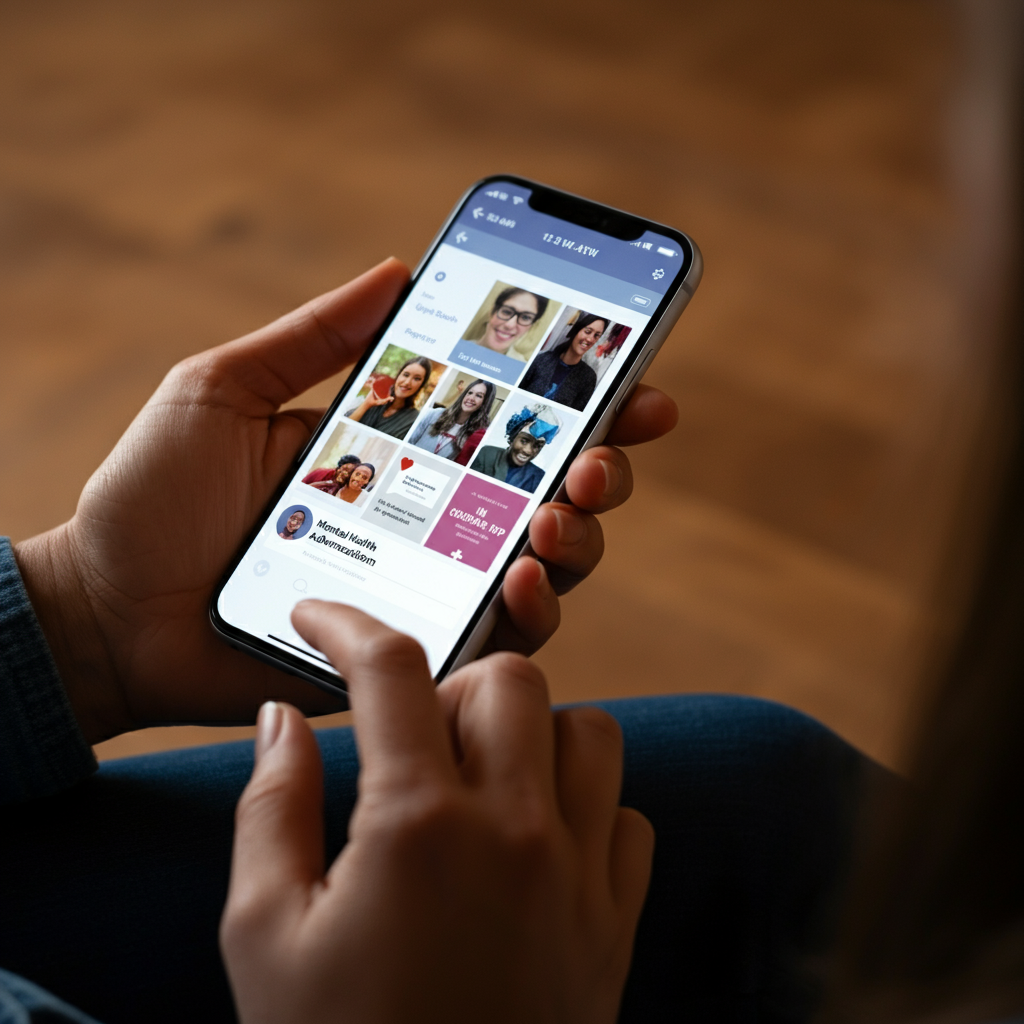
Step 8: Host a Sharing Event
Bringing together friends, family, or acquaintances for a sharing event can create a safe and supportive space to discuss mental health. Invite people to your home or another comfortable setting and encourage them to share their experiences, insights, and perspectives on mental health. Create a judgment-free environment where everyone feels comfortable being vulnerable and honest.
Provide snacks, refreshments, and comfortable seating to create a welcoming atmosphere. You can focus on a particular mental health condition or have a general discussion about mental well-being. Ensure that everyone has an opportunity to speak and be heard. If you want to keep your gathering small and intimate, invite 3-10 people total. If you want to host a large event, you can advertise the event on social media.

Step 9: Hang Posters About Mental Health
Spreading awareness about mental health in your community can be as simple as posting informative posters in public places. Many mental health organizations offer free, downloadable printouts that you can use to create your own posters. Hang these posters in schools, workplaces, coffee shops, and other locations where people are likely to see them.
The posters can include statistics, information about mental health conditions, tips for maintaining positive mental health, and resources for seeking help. Be sure to ask permission from the property owners before hanging the posters. Posting them in places like coffee shops, cafes, and boutique shops is a great way to spread awareness.
Step 10: Pledge to Prioritize Mental Health Every Day
Mental Health Day is a great reminder to prioritize your mental well-being, but it's important to make this a daily commitment. Pledge to yourself that you will take actions every day to support your mental health. This could include practicing self-care, setting boundaries, seeking professional help when needed, and being kind to yourself.
Don't be ashamed to prioritize your mental health; it's just as important as your physical health. Incorporate at least one self-care activity into your daily routine, such as meditation, exercise, spending time in nature, or connecting with loved ones. If you feel you have some emotional needs, make sure you respect them.
Step 11: Meditate for Self-Care
Meditation is a powerful tool for promoting relaxation, reducing stress, and improving overall mental well-being. Even a few minutes of meditation each day can make a significant difference. Find a quiet space, sit comfortably, and focus on your breath. Let go of distracting thoughts and simply observe your breath as it enters and leaves your body.
There are many guided meditation apps and online resources that can help you get started. Meditation is a great way to get comfortable with your own mind and inner voice. A daily meditation practice can reduce long-term stress, anxiety, and depression. Meditation is great for depression, anxiety, ADHD, and PTSD, for example.
Step 12: Take a Yoga Class
Yoga combines physical postures, breathing techniques, and meditation to promote physical and mental well-being. Taking a yoga class can help you release tension, improve your mood, and connect with your body. Check out local yoga studios or online resources for classes that suit your level and interests.
Completing a yoga class is a great way to relax your body and mind. There are many different styles of yoga, so find one that you enjoy. Make your reservation and complete your payment online, or simply show up at the center 5-15 minutes early, depending on the studio's preferences. Be sure to inform the instructor of any ailments before beginning.
Step 13: Go on a Stroll Through a Local Park
Spending time in nature has been shown to have numerous benefits for mental health. Taking a stroll through a local park can help you reduce stress, improve your mood, and reconnect with the natural world. Pay attention to the sights, sounds, and smells around you, and allow yourself to be present in the moment.
Exercise triggers dopamine in your brain, which boosts your mood and helps you feel happy. If you want a fun, relaxing activity, head to a nearby park and take a walk or a hike. You can walk for 15 minutes or several hours, depending on your day. Grab a friend if you want some company!
Step 14: Have a Spa Day at Home
Pampering yourself with a spa day at home can be a wonderful way to relax and rejuvenate your mind and body. Fill up your bathtub with warm water, add some bubbles or essential oils, and soak for 20-30 minutes. You can also treat yourself to a face mask, manicure, or pedicure.
You'll feel tranquil and restored after treating yourself to a spa day. Schedule a 30 or 60-minute massage for an extra treat! If you can't take a full bath, consider a foot soak instead. Put on some relaxing music and create a soothing atmosphere to enhance your spa experience.
Step 15: Watch Your Favorite Feel-Good Movie
Sometimes, all you need to lift your spirits is a good laugh or a heartwarming story. Throw on your favorite feel-good movie and allow yourself to get lost in the entertainment. Invite some friends over for a movie night to share the experience and create a sense of connection.
This is a sure-fire way to make you smile or boost your mood, helpful when celebrating Mental Health Day. Choose a movie that makes you feel happy, nostalgic, or inspired. Turn off your phone, dim the lights, and enjoy the show!
Step 16: Treat Yourself to a Shopping Trip
Indulging in a little retail therapy can be a fun way to boost your mood and treat yourself with self-care. On Mental Health Day, you deserve some self-care. Visit a nearby mall, or hop online and visit your favorite store's website. Pick out a couple of special pieces that make you feel happy.
This is especially helpful if you don't often buy yourself special items. You can buy things like clothing, accessories, and house decorations, for example. If you are overdue for revamping your style or investing in a new pair of shoes, this is a great idea. Be mindful of your budget and avoid overspending. The purpose is to treat yourself, not to create financial stress.
Common Mistakes to Avoid
- Ignoring Your Own Needs: It's crucial to prioritize your own mental health while supporting others. Don't overextend yourself or neglect your own well-being.
- Offering Unsolicited Advice: Sometimes, people just need to be heard and validated. Avoid offering advice unless they specifically ask for it.
- Minimizing Someone's Feelings: Never dismiss or invalidate someone's emotions. Acknowledge their feelings and offer your support.
- Not Setting Boundaries: It's important to set boundaries to protect your own mental and emotional health. Don't feel obligated to take on more than you can handle.
Safety Considerations
- If you or a loved one are experiencing suicidal thoughts, seek professional help immediately. Contact a crisis hotline or mental health professional.
- Be mindful of your own safety when engaging in acts of kindness or attending public events.
- If you are feeling overwhelmed or triggered by a conversation, it's okay to excuse yourself and take a break.
FAQ Section
- What if I don't have any friends or family to celebrate with?
- That's okay! There are many ways to celebrate Mental Health Day on your own, such as engaging in self-care activities, attending a community event, or volunteering for a mental health organization.
- How can I support someone who is struggling with their mental health?
- Listen actively, offer your support, and encourage them to seek professional help. Be patient, understanding, and non-judgmental.
- What if I'm not comfortable sharing my own mental health struggles?
- That's perfectly fine. You don't have to share anything you're not comfortable with. You can still support others and raise awareness by participating in other activities.
Conclusion
Celebrating Mental Health Day is about more than just acknowledging the importance of mental well-being; it's about taking action to promote positive change. By reaching out to others, educating yourself, and prioritizing your own mental health, you can contribute to a more supportive and understanding society. Remember that every small gesture can make a difference, and that mental health is a journey, not a destination. Let's continue to raise awareness and support mental well-being every day of the year.